Jean Arp’s Human Concretion is not a sculpture but an experience that feels alive. This artwork is made out of cold flowing shapes that breathe and turn cold stone into something warm and human-like. Jean Arp, a maestro of the blend of the real with the abstract, made Human Concretion more than something to look at. It’s a piece that’s asking you to think, to feel.
In this article, we’ll talk about who Jean Arp was, how he became an artist, and why Human Concretion is so impressive. We’ll go into the magic of his work, beginning from the early years with the Dada movement through to his later abstract pieces and the story this sculpture tells. Plus, there’s a quick guide to key facts about Human Concretion to help you understand this piece to its fullest extent.
Who Was Jean Arp?
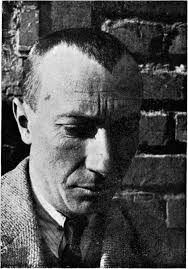
Jean Arp was born in 1886 in Strasbourg which has both French and German roots. His unique background played an important part in the shaping of his style. Arp co-founded the Dada movement in Zurich early in his career. The art movement Dada was a wild, rebellious art movement, born in response to the chaos of World War I. For Arp art didn’t have to be ‘serious’ to be important. It was Dada, full of breaking rules, adding humor, and making the unusual special.
After Arp’s Dada days, he moved toward Surrealism, in which he allowed his imagination to run even more freely, producing dream-like works. He eventually ended up with abstract art, working with simple, flowing lines in that he was able to remind people of their nature. Arp’s pieces were often round, with soft curves, and were seemingly shaped gently by nature itself, like by wind or waves.
FUN FACT: Arp was fascinated by randomness and believed that letting go of control could lead to unexpected beauty.
His Career
Arp’s life was like a voyage through the most daring art world ideas. After Dada, he took on traditional ideas about art, first with humor and later with spontaneity. He became a Surrealist later and used his work to add a dream quality. He finally resorted to doing abstract art, which involved painting and creating sculptures of soft shapes and flowing forms. This became his style.
Arp didn’t want art to be about exactly capturing a person or an object. Instead, he wanted to capture feelings, life, and movement. His pieces don’t attempt to look identically like actual things; they are hints or whispers of what might be there, with you able to imagine.
What is Happening in Human Concretion?

| Artist | Jean Arp |
| Date Created | 1935 |
| Medium | Carved stone |
| Genre | Abstract |
| Period | Surrealism/Abstract |
| Dimensions | 65 x 34 x 27 cm |
| Series / Versions | Unique |
| Where is it housed? | Museum of Modern Art, New York |
Sculpted from smooth round shapes, Human Concretion is a sculpture that feels familiar yet mysterious. Initially, it may look like a simple configuration of shapes. But when you look closer it shifts almost as if it’s moving before your eyes. The shapes are joined and stacked together to imply harmony, even, perhaps togetherness. While it is abstract, this piece has that feeling that a quiet, comforting presence is hinted at.
Arp frequently referred to the process of making ideas feel real by using the word ‘concretion.’ In Human Concretion, he makes something that looks like a solid form as well as a living presence. Arp has turned human relationships into the feeling of something as real and tactile as stone.
What’s So Special About Human Concretion?
Human Concretion is special because it’s alive. It is a soft sculpture, with no sharp edges or bad lines. It looks instead like the worn smooth shape of something melted by water or wind over the years. This quality makes it feel extremely organic, which is rare for sculpture. The way each shape connects with the one before it is so transformative in how it seems almost magical in a simple way each shape connecting feels so in a place that is personal but seems at the same time about something universal.
Human Concretion stands out for its quiet beauty. It doesn’t ask for attention but instead invites you in by being there. The shapes are lingers of life and growth and suggest something once familiar but unidentified. What makes Human Concretion such a special listen is this mix of abstractions and warmth.
Interesting Facts About Human Concretion
Guided by Nature: Arp often lets nature inspire him, creating forms that feel like they’ve been shaped by natural forces. His hands moved freely, guided by the stone’s texture, resulting in forms that felt gentle and alive.
Relatable Abstraction: Although Human Concretion is an abstract piece, many people feel an immediate connection to it. It feels human in a way that’s hard to describe, almost like it’s holding onto emotions we can’t put into words.
Arp’s “Concretion” Concept: For Arp, “concretion” was about turning ideas into something real. Human Concretion gives shape to the intangible, capturing emotions and forms that feel solid and meaningful.
Simple Yet Complex: While it looks simple, Human Concretion has layers of meaning. The way light and shadow play across the shapes gives it depth, making it seem to shift and change with each viewing.
Beyond Realism: Arp believed that art didn’t have to look like real-life things to feel real. Human Concretion shows how abstract forms can hold deep emotions and connections without needing any clear reference to reality.
Artwork Spotlight: Untitled
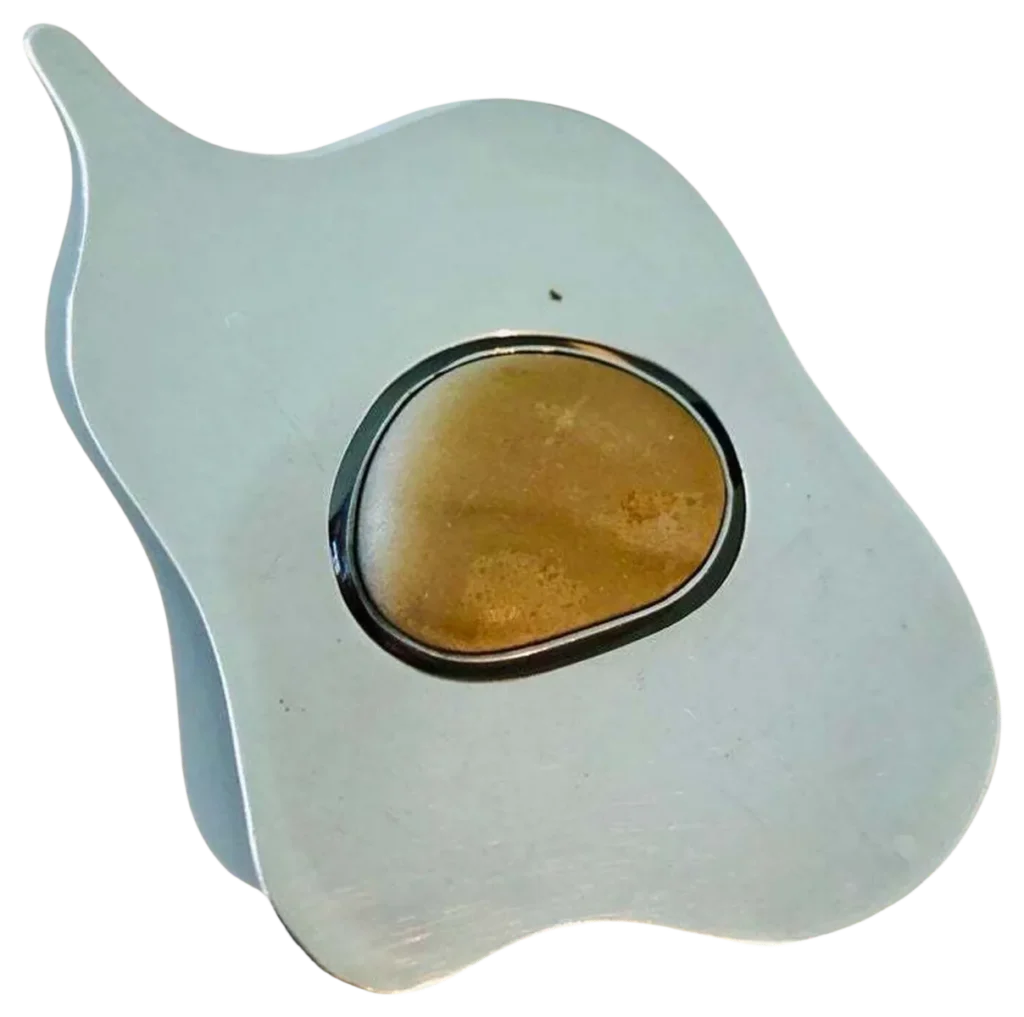
Untitled by Jean Arp is available on Singulart. In this artwork, Arp’s art made people rethink what sculpture could be, turning hard materials into forms that felt almost alive.
Are you looking for a piece of artwork from Jean Arp?
Singulart has limited edition prints of Jean Arp. If you are looking for a piece of Arp‘s artwork for sale, simply click on the artwork or the button below to discover more!
FAQs
1. What techniques did Jean Arp use?
Arp uses a variety of techniques, particularly collage and unorthodox materials. Plaster and wood reliefs were the two primary materials that Arp employed to create his sculptures.
2. What movement was Jean Arp a part of?
Arp sought safety in Zürich during World War I, and in early 1916 he helped establish the Dada movement there.
Conclusion
Jean Arp’s work feels a bit like a ‘je ne sais quoi’; a mysterious charm that tempts you to linger. Human Concretion nails this beautifully, with soft inviting forms, which feel as human as they are timeless. In this piece, Arp grants us a taste of a world in which the abstract forms live, and in which mere looking becomes a journey to a world unto itself.