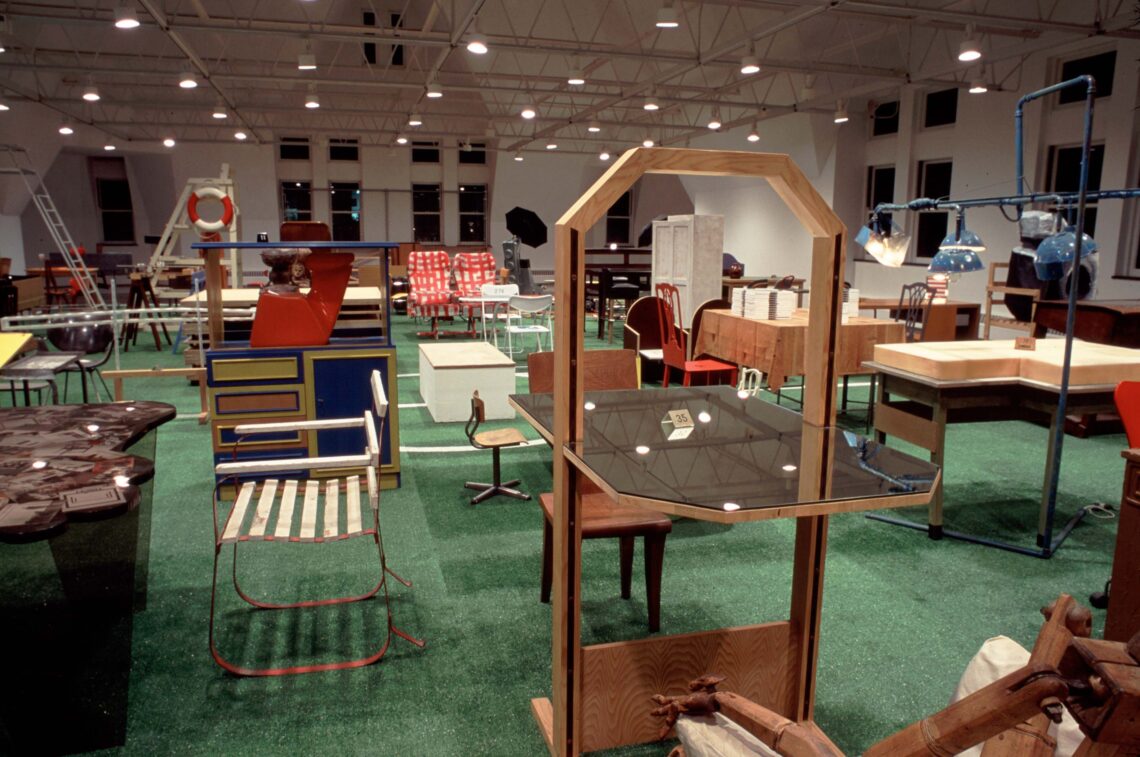
Martin Kippenberger knew how to transform the weirdest of moments in life into art you couldn’t ignore. Franz Kafka’s Amerika is one of his most exciting pieces, with The Happy End. It’s bold, huge, and filled with energy. Picture this: entering the most peculiar job fair you’ve ever seen, with tables, chairs, and lamps around. It isn’t just a standard job interview scene, it’s a play into a chaotic play where nothing is as it appears.
Kippenberger’s work on America is funny, thought-provoking, and a little disturbing, inspired by Kafka’s unfinished novel. This is a good example of how little humor typically interludes with deeper ideas in his work. But let’s learn more about Kippenberger first before we dig into what makes this installation so noteworthy.
Who was Martin Kippenberger?
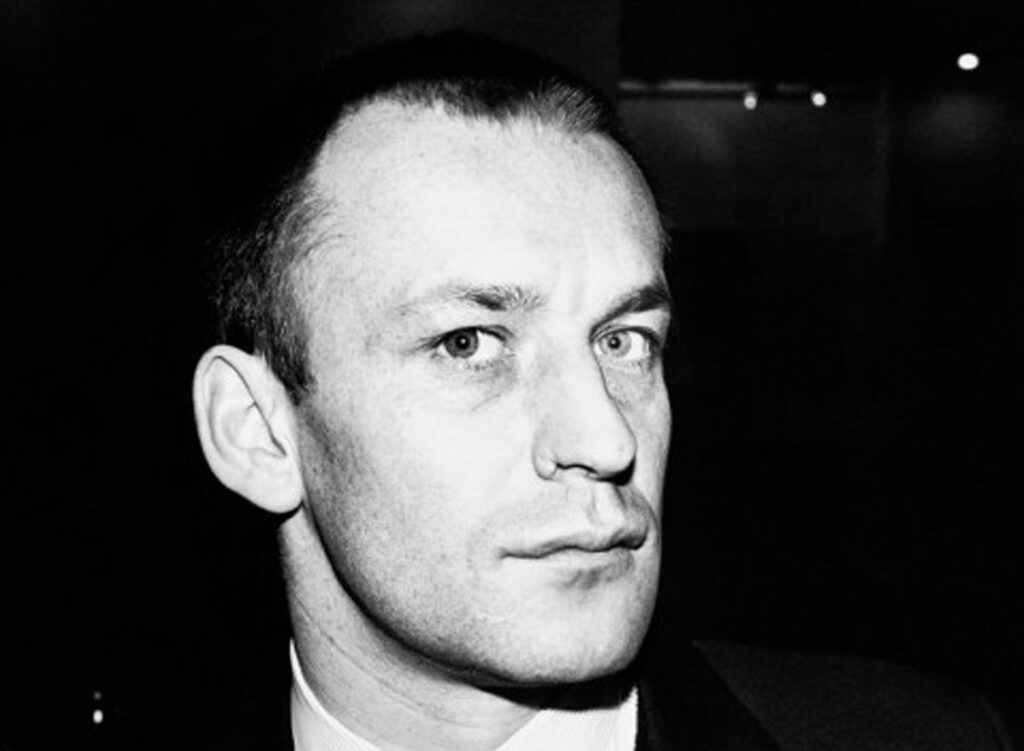
Martin Kippenberger was born in 1953, in Germany. He was an artist who never gave himself away. Kippenberger was never fond of sticking to one thing: whether he was painting, sculpting, or making bold installations. He liked to shake things up and get people to think twice. But his art was usually funny and often a bit cheeky and on occasion even downright strange, but that’s what set him apart.
He was a Neo-Expressionist and Post-Modernist. What does that mean? He used his art to poke fun at serious topics and pull in everyday things in fresh ways. His best-known piece is ‘Martin, Into the Corner You Should Be Ashamed of Yourself.’ This artwork is a classic Kippenberger mix of the humorous and the meaningful side.
FUN FACT: Martin Kippenberger once traded art for rent! When he lived in Berlin, he would often pay for his bar tabs or even cover his rent by giving out his artworks instead of money.
His Career
From Germany, Kippenberger moved from Paris to New York, soaking up as he went. He was always generating, always developing new ideas and pieces. His art was never perfect, instead, it was a real life, messy, showing life as it is. No matter where he went, he met people he’d never met before or found inspiration elsewhere. His art feels so alive, and it’s because of this energy.
People are always laughing, scratching their heads, or having deep conversations about his work. For Kippenberger, art must stay very close and not be far off or inaccessible. Instead, he made it real, funny, and sometimes just plain wild.
What is Happening in The Happy End of Franz Kafka’s Amerika?
| Artist | Martin Kippenberger |
| Date Created | 1994 |
| Medium | Installation (chairs, tables, desks, lamps, etc.) |
| Genre | Installation Art |
| Period | Postmodern |
| Dimensions | Vary by installation |
| Series / Versions | Multiple renditions and showings around the world |
| Where is it housed? | Various exhibitions; notably shown at the Museum of Modern Art, New York |
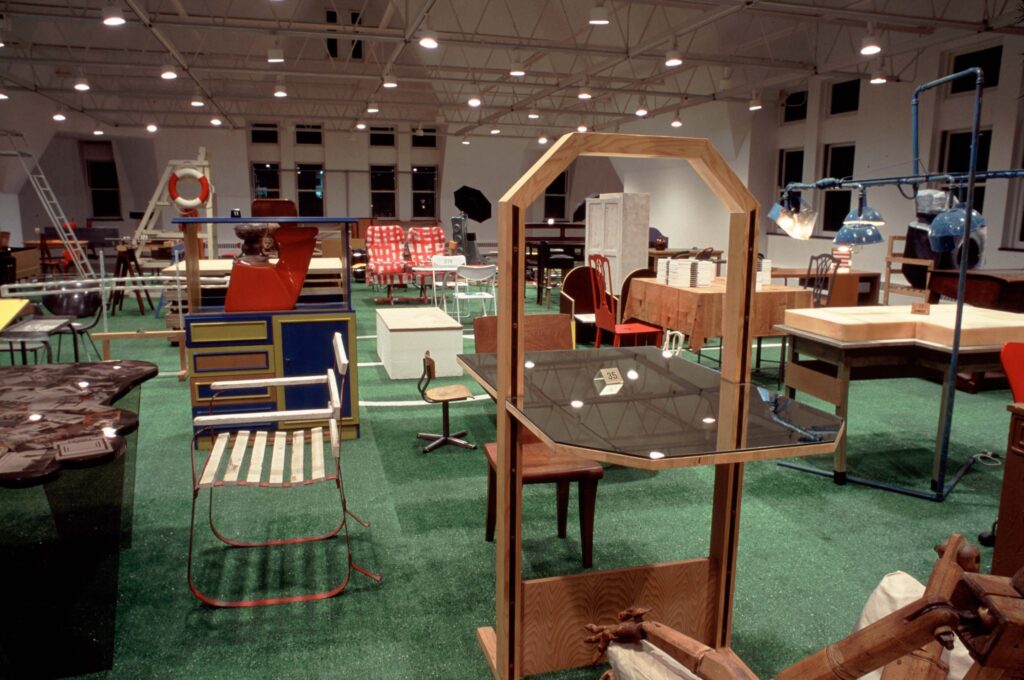
Picture this: You walk into a room filled with desks and chairs, and lamps set up like job interview stations. But something feels off. It’s almost a hodgepodge of a mess, equal parts chaotic and full of tension and humor. It’s not your regular old fair for finding a job.
Based on Franz Kafka’s novel Amerika, the story of a young man named Karl Roßmann who is sent to America and has strange, confusing job interviews. Kippenberger doesn’t retell the story, but his work captures the confused feeling of the bureaucracy of being judged. You become part of the scene by walking through the installation, seeing ordinary objects become strange and meaningful.
What Makes The Happy End of Franz Kafka’s Amerika Special?
What’s so interesting about this work? It turns a feeling (being lost and judged) into a physical space you can walk through. You are a participant in Kippenberger’s world as you slide around the furniture. The installation is funny while it is serious in addressing work, life, and social pressure.
It is also unique because it is so big. The piece has some versions composed of over 100 objects. It’s like walking into a work of living, breathing life. In some ways, it is so accessible. It makes you laugh, think, and feel uncomfortable all at once. This is what Kippenberger did best: He made art that asked people to feel and think.
Interesting Facts About The Happy End of Franz Kafka’s Amerika
Kippenberger loved making fun of the systems and rules in society. In this piece, ordinary items like tables and chairs become symbols of never-ending job interviews and confusing rules.
The installation isn’t just something you look at; it’s something you walk through. The objects around you make you think about your own experiences with work and life’s pressures.
Some versions of the installation use hundreds of objects, creating a mix of art, theater, and everyday life.
Kippenberger was inspired by Kafka’s themes of loneliness and confusion but added humor to make them more relatable and easier to connect with.
Artwork Spotlight: Happy to be gay

Happy to be gay by Martin Kippenberger is available on Singulart. This artwork reflects his playfulness and bold approach to topics like identity and social norms in just a few simple lines.
Are you looking for a piece of artwork from Martin Kippenberger?
Singulart has limited edition prints of Martin Kippenberger. If you are looking for a piece of Kippenberger‘s artwork for sale, simply click on the artwork or the button below to discover more!
FAQs
1. What makes Martin Kippenberger’s art unique?
Kippenberger’s fun and provocative attitude makes his paintings stand out. He frequently challenged conventional notions of what art should be by using comedy, irony, and ordinary materials.
2. How did Kippenberger’s life influence his art?
Kippenberger’s life was one full of movement, energy, and constant creativity. His work was inspired by the place he lived and worked in, from Germany to New York.
Conclusion
In The Happy End of Franz Kafka’s Amerika, Kippenberger invites us to consider the difficult, confusing, and often hilarious stress of life. This installation makes us all feel lost and judged and turns it all into art you can experience. It is grave, funny, and at the same time, art that makes you stop, laugh, and think.