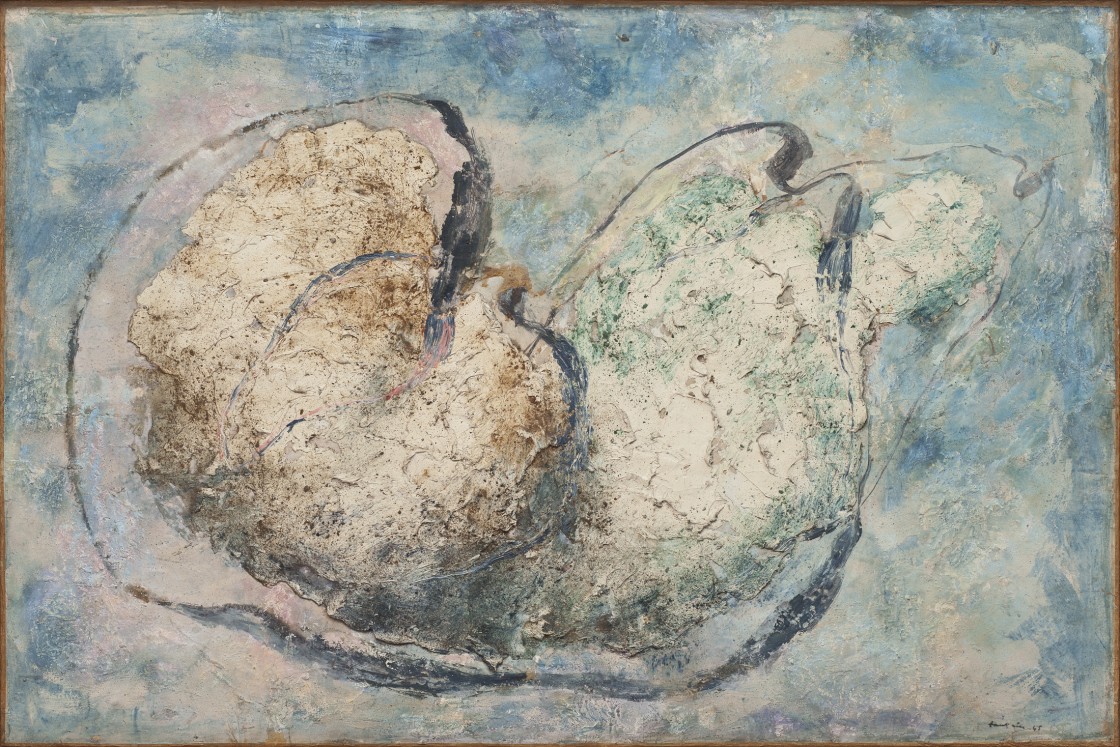
Jean Fautrier’s Depouille is one of those things that silently seizes you. It’s not bold or loud. Instead, it lulls you in softly, like a gentle whisper that makes you stop and listen.
The world where this artwork was created was recovering from the horrors of World War II. For us, it’s not a painting, it’s not something you can hold in your hands, it’s a story, it’s a feeling and a piece of time where it was painted. Though it’s abstract, it’s also personal, it feels like it’s speaking directly to you.
In this article, we’ll learn about the life of Jean Fautrier, the meaning of Depouille, and why it is a significant masterpiece. We’ll tell you some fun facts, explain why this artwork is special, and examine the themes further. Ready to dive in? Let’s go!
Who Was Jean Fautrier?

The French Artist Jean Fautrier was born in Paris in 1898. Born in France, and brought up in England and elsewhere, he had this unique outlook. His art was both bold and sensitive and much of it was closely related to influences from his mix of cultures.
Fautrier wasn’t afraid to take a risk. He had to deal with lots of problems in his life, down to World War I. Instead, these experiences shaped his art. He made things look good, but they also made people feel.
He was a leading artist of a movement called Tachisme. It was a French abstract art, that emphasized emotion and texture. The feeling is more important than what the Fautrier’s works display.
FUN FACT: Jean Fautrier was not only a painter but also an opera singer in his early years! Before diving fully into art, he trained as a baritone and performed in small operatic productions.
His Career
Fautrier began his life in art with traditional paintings. He started to experiment with abstraction over time. And this wasn’t all about style – it was to express his feelings in painful times.
During World War II, his most famous works were his Otages series. They were paintings that did not reflect the suffering or trauma of war in a graphic way, but rather quietly and powerfully.
By the 1950s, Fautrier was known throughout the world. He got major awards and was shown in top galleries. Yet, he remained focused on his goal: art that connected people more viscerally.
What’s Happening in Depouille?
| Artist | Jean Fautrier |
| Date Created | Circa 1945-1947 |
| Medium | Oil, plaster, and mixed media on paper |
| Genre | Abstract art |
| Period | Post-war European Modernism |
| Dimensions | Approximately 65 cm x 50 cm |
| Series / Versions | Linked to Fautrier’s Otages series thematically |
| Where is it housed? | Private collections and shown in major retrospectives of post-war art |
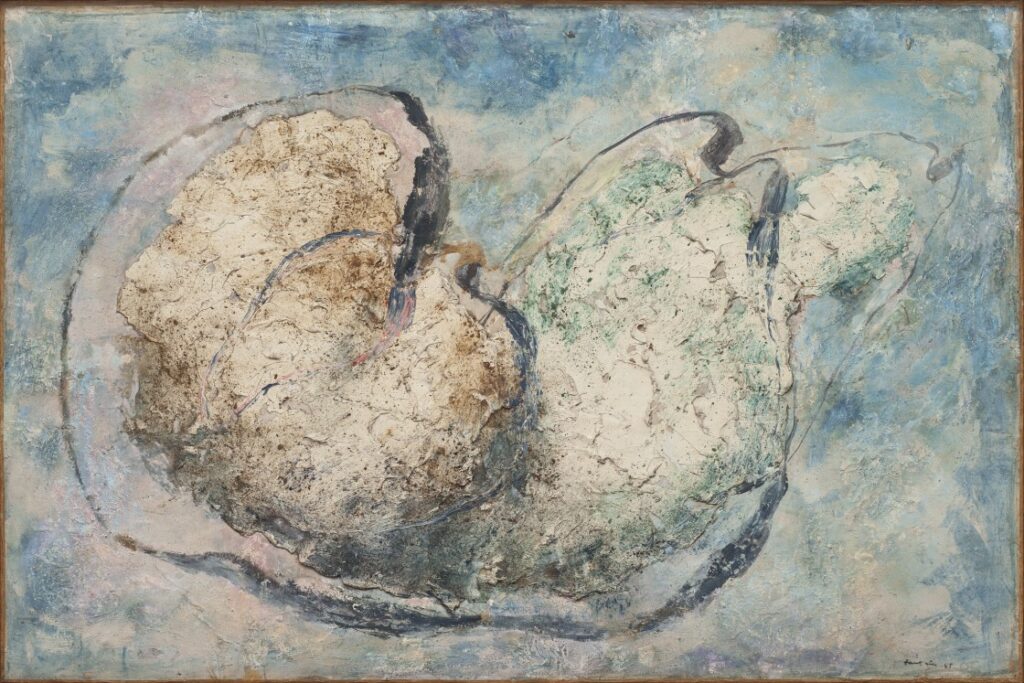
Depouille means ‘remains’ or ‘stripped’ in French. The mood for the piece is set with this title. It’s a painting that feels naked, stripped down to its bare bones, down to what’s left after the rest has been pulled away.
Depouille looks so simple at first: muted colors and layered texture. However, it is deep when we take a closer look. This mood is calm, reflective, and founded on soft grays, blues, and whites. The texture almost feels touchable, like the painting has a life of its own.
What, then, is going on in Depouille? It’s open to interpretation. It is the scars of war for some. For others, it’s about healing, and seeing beauty in what is left behind. Whatever it means to you, one thing is certain: it’s a piece that has a feeling.
What’s So Special About Depouille?
The best thing about Depouille is that it doesn’t pull you in purely forcibly. It does not demand funky colors or elaborate details. Rather it speaks in the texture and the simplicity.
Fautrier was a practitioner of materials. He made the surface with its almost sculptural quality by using plaster and paint. For that reason, the painting is alive, with memories hidden in its layers.
Depouille’s muted tones evoke peace but with a quiet strength to the work. It isn’t the kind of piece that’s in your face but it does connect with something more deeper inside you.
Interesting Facts About Depouille
Made During a Time of Healing: After World War II, when the world was trying to recover, Depouille was created. Its themes cycle through loss and renewal and reflect that time.
Fautrier’s Love for Texture: Fautrier wasn’t only a painter: he was a creator of textures. His works were based on oil and other materials applied in the unique way by which he used plaster.
Inspired by Nature: Those who see the textures and colors in Depouille can easily imagine them in stone or bark. Fautrier loved life and natural beauty.
A Paris Connection: It was created in Paris, a city that had such an effect on Fautrier’s art. Its quiet energy almost echoes Parisian life.
Artwork Spotlight: Construction

Construction by Jean Fautrier is available on Singulart. This artwork is a creative mix of texture and structure, showing his talent for turning everyday materials into emotional experiences.
Are you looking for a piece of artwork from Jean Fautrier?
Singulart has limited edition prints of Jean Fautrier. If you are looking for a piece of Fautrier’s artwork for sale, simply click on the artwork or the button below to discover more!
Conclusion
Depouille is subtle and easily overlooked in today’s fast-paced world. This piece stops us to take a step back and think. It’s not about entertainment or making a big statement. It’s about quiet strength and emotional depth.