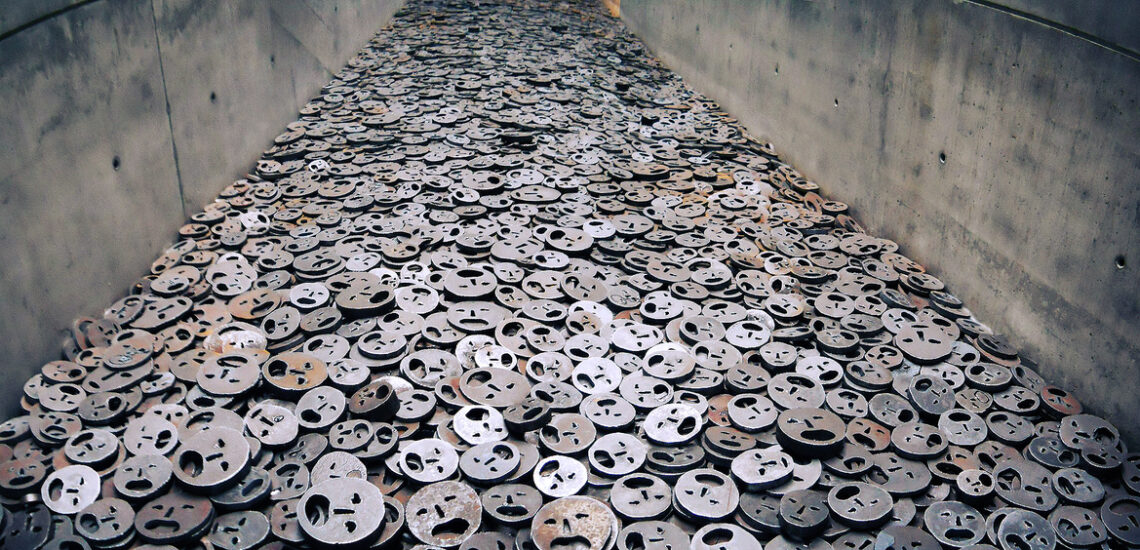
Picture a room full of thousands of metal faces spread across the room’s floor. The expressions on each face show pain and fear looking up to you. When you walk past, the faces make a loud clanging sound under your feet. It feels like a weight emotionally and physically. This piece is a Shalechet (Hebrew for Fallen Leaves), a powerful artwork by Israeli artist Menashe Kadishman.
This is not a normal art piece that you would stand and look at. It’s something you go through, touch and hear. It’s a reminder of what has happened, a tribute to what we’ve lost, and a cry for what we should remember. We’ll see where this story came from and why the artist of it was so brilliant.
Who Was Menashe Kadishman?
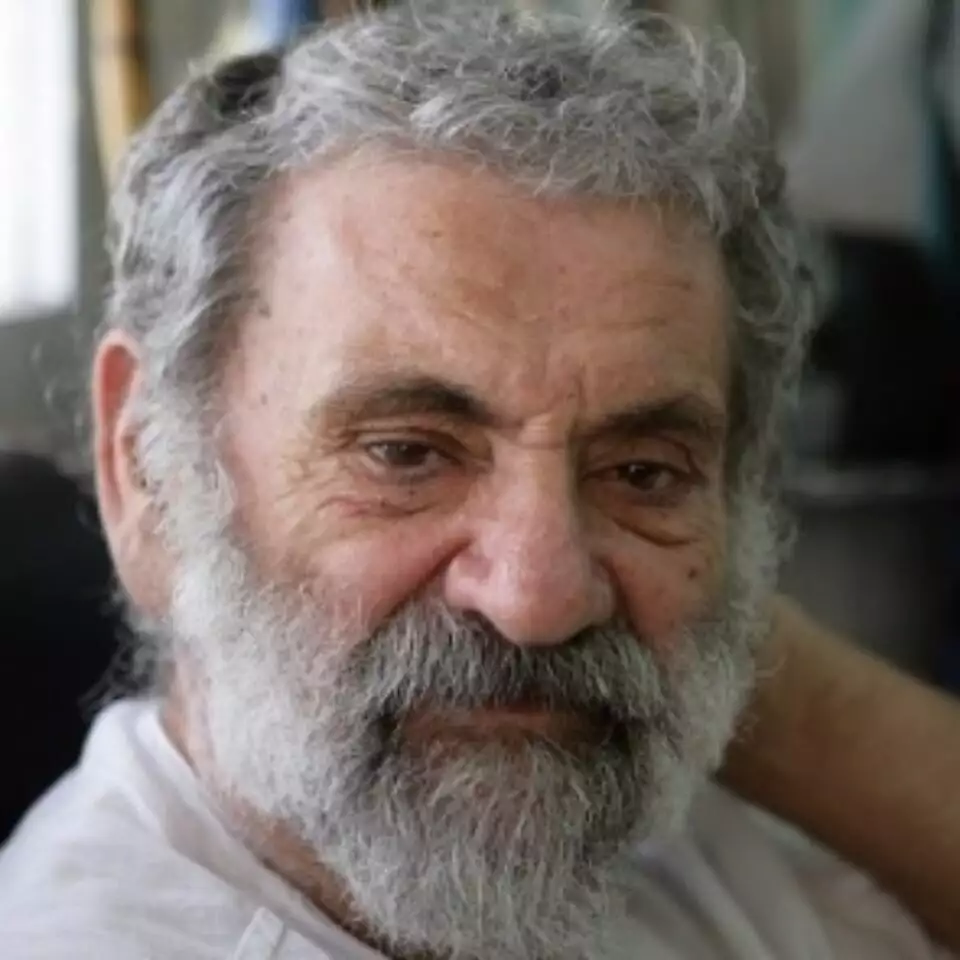
Menashe Kadishman did not just work as an artist, he was a storyteller, a philosopher, and a little magician with paint and sculpture. He was born in Tel Aviv in 1932 and grew up in Israel which was a vibrant and changing country. Kadishman served in the Israeli army before becoming a world-renowned artist and worked as a shepherd. Later he would draw inspiration from his shepherding days, and they shaped the recurring sheep motif in his work.
During the swinging ’60s in London, Kadishman soaks up all the avant-garde vibes, before going back to study in his native Jerusalem. He quickly gained renown for his sculptures, but his paintings were what captured hearts around the globe. He often explored themes like sacrifice, faith, and identity with personal stories but universal truths.
FUN FACT: Menashe Kadishman once painted over 300 sheep portraits, each one unique! Inspired by his time as a shepherd, these colorful, playful sheep became one of his signature works and were even featured in his famous Sheep Portfolio.
His Career
Kadishman’s life as an artist was as dramatic as his personality. As a sculptor, he first began to make minimalist works (which were inspired by nature and geometry). His monumental, early pieces were often designed for public spaces and were a perfect match to his grand vision.
Kadishman wasn’t the type of medium. By the 1970s, he began to paint and that’s when his most recognizable style emerged. His paintings were color, emotion, and candy, an odd combination of abstract expressionism and symbolic imagery. He began to use sheep as a central motif, as innocence, sacrifice, and his connection with nature.
What Is Happening in Shalechet?
| Artist | Menashe Kadishman |
| Date Created | 1997 |
| Medium | Steel |
| Genre | Installation Art |
| Period | Contemporary |
| Dimensions | Thousands of pieces; scale varies |
| Series / Versions | Part of the Memory Void in the Jewish Museum Berlin |
| Where is it housed? | Jewish Museum Berlin |
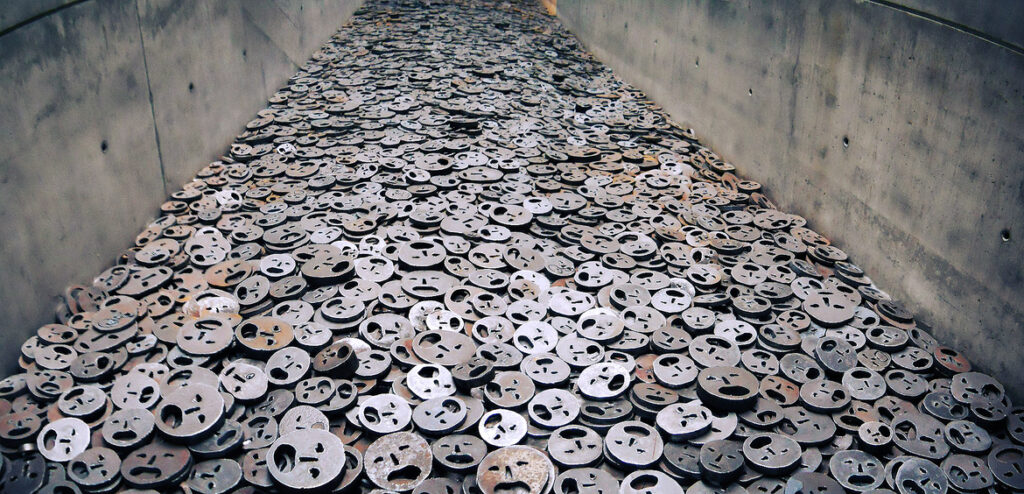
When you enter the Shalechet installation, there are thousands of steel faces spread over the floor. These faces from cold, hard iron are the fallen leaves. They’re not just leaves, they’re faces of war victims, and genocide victims, frozen in anguish and silence.
The unique part? You’re meant to walk on them. You step and the faces make that clanging echoing sound. Even still it’s uncomfortable, jarring. Kadishman wanted this. What he wanted people to do was feel the weight of history with every step they took.
The faces were drawn based on Holocaust victims, but Shalechet is about all human suffering. It is a reminder of hatred, violence, and indifference that killed others.
What’s So Special About Shalechet?
Shalechet is special because it doesn’t allow you to be passive. Most art requires you to step back and admire. This one challenges you to take a step into, follow through, and reflect.
The faces aren’t just sound—they’re a message of clanging. It reminds us of the cries and struggles of people who had voices taken away from them. The discomfort you feel walking on faces replicates the discomfort of bumping into a painful history.
Kadishman transformed steel, a cold and lifeless material, into something deeply emotional. Each face symbolizes the individuality of each one lost. Combined, they make a visual representation of the formal sense of collective grief and remembrance.
Interesting Facts About Shalechet
The Name is Poetic: Shalechet means “fallen leaves” in Hebrew, symbolizing lives that were cut short. It’s simple yet full of meaning.
You Can Step On It: Unlike most art, Shalechet is interactive. Walking across the faces is part of the experience.
Each Face Is Unique: Kadishman created thousands of faces, each with its expression, to show that every life is special.
It’s Housed in Berlin: The artwork is located in the Jewish Museum Berlin, inside a section called the Memory Void. This empty, silent space adds to the emotional impact.
Artwork Spotlight: Sheep Portfolio

Sheep Portfolio by Menashe Kadishman is available on Singulart. These works symbolized innocence and sacrifice, blending his past as a shepherd with deeper meanings.
Are you looking for a piece of artwork from Menashe Kadishman?
Singulart has limited edition prints of Menashe Kadishman. If you are looking for a piece of Kadishman’s artwork for sale, simply click on the artwork or the button below to discover more!
FAQs
1. Who is the artist of the Israeli lamb?
Israeli sculptor, painter, and graphic designer Menashe Kadishman is well-recognized for his large-scale metal sculptures and vibrant paintings of sheep.
2. How did Menashe Kadishman blend modern art with biblical themes?
Kadishman used bold colors, abstract forms, and expressive brushwork to reimagine biblical stories.
Conclusion
Menashe Kadishman’s Shalechet is more than just an artwork—it’s a powerful journey into memory and humanity. It shows us that art doesn’t need bright colors or complex designs to be impactful. Sometimes, all it takes is raw emotion and a simple idea.
If you ever visit Berlin, don’t miss the chance to experience Shalechet. Let the faces, the sound, and the silence remind you of the stories that should never be forgotten.