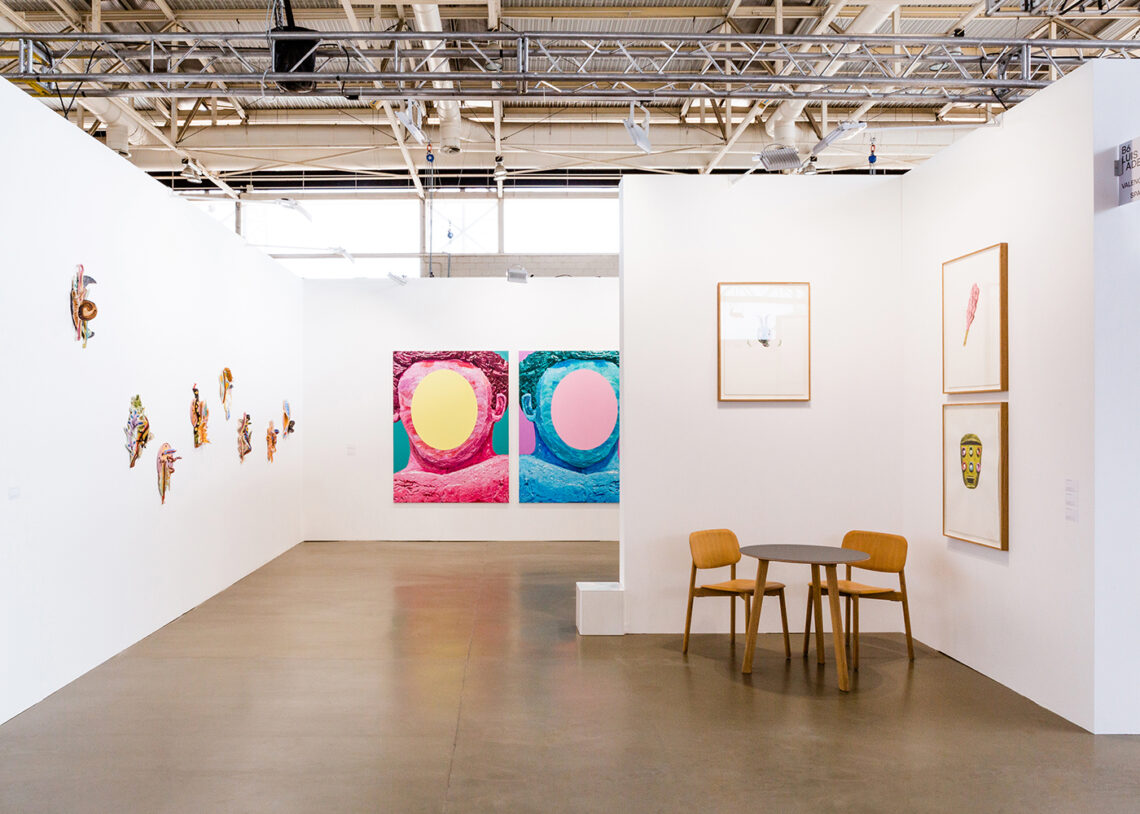
Art fairs and art shows are 2 types of gatherings in the highly vibrant world of visual arts that gives an opportunity to the artists, collectors, and art lovers to meet, to cultivate friendship and to build a fraternity around the art. Both can be confusing with the untrained eye but bring you different experiences and make others in different ways.
We will go into detail about the basic elements, dynamics of the participants, and the distinguishing features of both Art Shows and Art Fairs, so as to have a proper comparison between them. In following sections, the different aspects of each event will be explained, as well as how they are unique and add to another in the larger art ecosystem.
▷ Expand Your Art Network with Singulart
Understanding Art Fairs
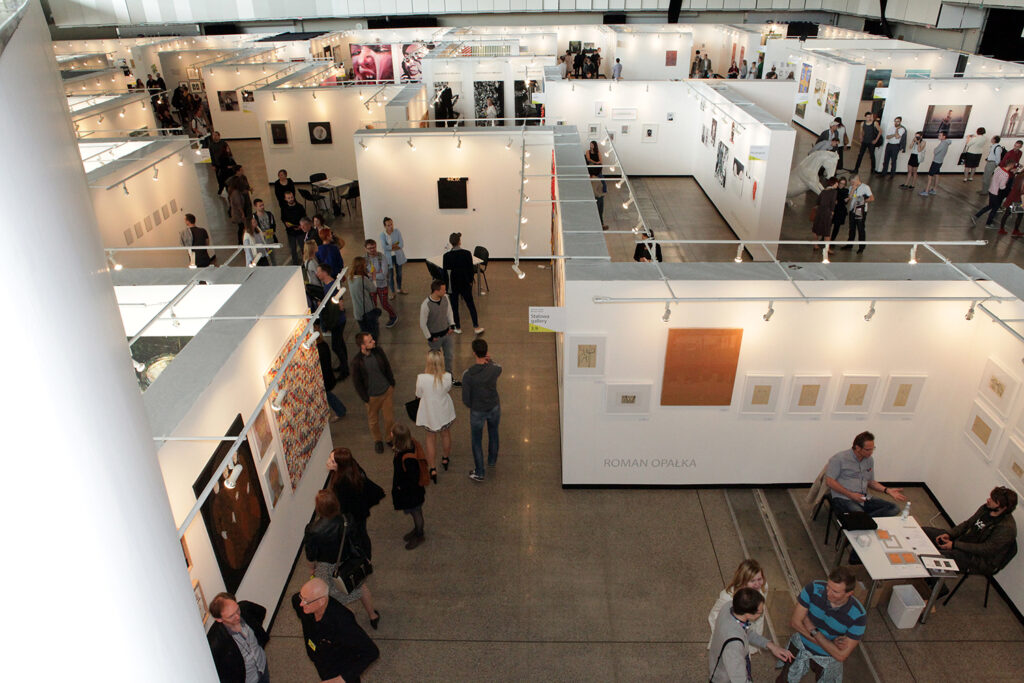
The art fairs are considered the most important events for exhibiting and selling art. There are many galleries that rent booths to show works of the presented artists, and their paintings or multimedia installations. However, Art Fairs are priceless for the art market because they generate visibility for galleries and artists. They extend a wide range of trading, also, giving chances to identify current trends of the art, pricing, and talents.
Some famous international art fairs like Art Basel and Frieze are held every year to boost the art industry. With a diverse audience of artists, collectors, curators, and art enthusiasts and a large concentration of artworks, Art Fairs constitute the vibrant and bustling node of the global art community.
Insights into Art Shows
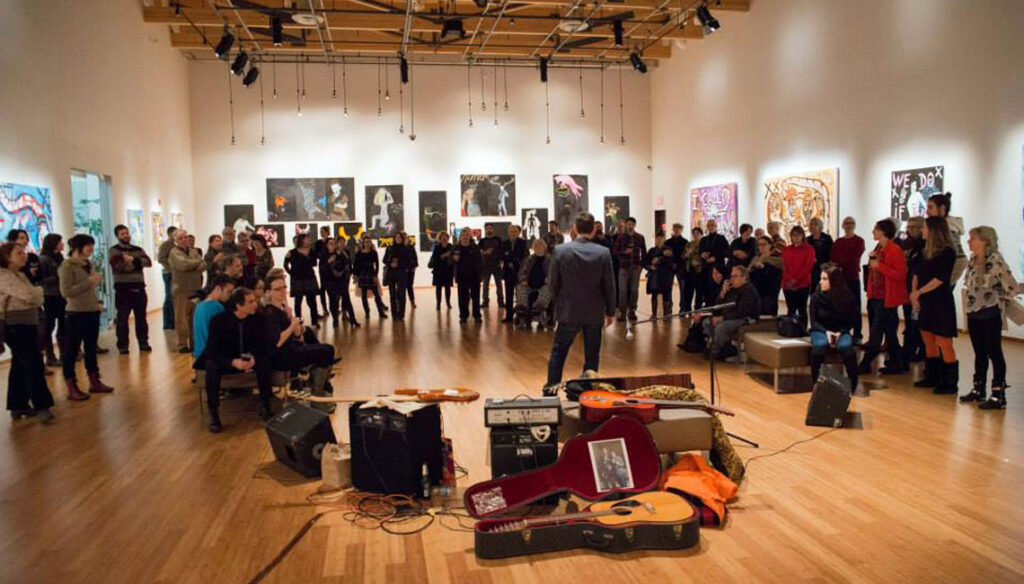
Art Fairs serves a larger and more focused event to present artworks to the general public, demonstrating different themes and artists. Art Show is generally one of the smaller and more closed events that displays artworks made by a single artist or by a certain choice of theme. Places like Museum of Modern Art and the Tate Modern has held such art shows with local artists to participate in their art collections.
Art Shows differ from Art Fairs as they include a commercial focus rather than a narrative and artistic expression, in which works are curated into one space to tell a story or explore an idea. Situations can vary from a few days to several months and may occur in any of several different places, such as galleries, museums, community spaces, or artist studios. Instead of buying and selling, Art Shows offer opportunities for artists to receive feedback, exposure, and connection with the audience. It adds their contribution to the conversation regarding artistry.
Art Fairs vs Art Shows
Participation Process
The Art Fairs and The Art Shows are entirely different in their participatory procedures. Art fairs are driven by galleries, setting up booths for their artists. This allows people to engage with the artists only via galleries and therefore conduct gallery preaching. Art Shows, however, rely on submitting themselves to these rather than artists, allowing a more inclusive platform. In short, Art Fairs are oriented for the large-scale commercial exchange. Art Shows provide space for new artists to show their work and communicate them to the audience.
Exhibition space and layout
Usually, Art Fairs take place in large venues, which divide the space into rented booths displaying diverse works. It results in a market-like atmosphere which facilitates quick overview and trade. But Art Shows, as contrasted with fine art markets, tend to take place in more unified spaces (whether gallery, museum, or artist’s studio) creating a curriculum of displayed works that coherently tell a narrative, concept, or the unified vision of one artist. With the setup of art shows, it allowsfor better interaction with the audiences.
Expand your art career with Singulart
Are you looking to showcase your art to a global audience? Singulart connects artists with collectors worldwide, offering a unique platform to gain recognition and expand your career. Singulart helps you grow your artistic presence and reach new opportunities, whether you’re just starting or already established.
Conclusion
But both Art Fairs and Art Shows enrich the art world with different dynamics. As a commercial and broad exposure venue, Art Fairs are captivating as they are bustling. Art Shows aim at creating more concentrated thematic narratives that allow a deeper engagement with works on display. The relevancy of both platforms shows that art consumption and appreciation are multifaceted; it is a service for artists, collectors, and art fans.