For artists, building up an impressive art portfolio is very important as they need to show their talent whenever required. A strong portfolio gives you an edge whether you are applying to an art school, looking for freelance work, or hosting a creative display. In this post, we’ll help you with how to make an art portfolio that will be noticed.
▷ Expand Your Art Network with Singulart
What is an Art Portfolio?
A collection of your best artistic works is called an art portfolio, and it gives an idea of your skills as an artist and what your vision looks like. It is like your creative resume that gives potential clients, employers, and schools an idea of what you are capable of. When viewing an art portfolio example, you will find that they are organized to bring out the artist’s best qualities.
Your work can not only be shown in your great portfolio, but can also share your story as an artist. It shows your personality, which creative work you had, and what you have become. No matter if you are a painter, illustrator, graphic designer, or sculptor, a good portfolio makes people see what kind of technique and what kind of artistic voice you work with.
Why Do You Need an Art Portfolio?
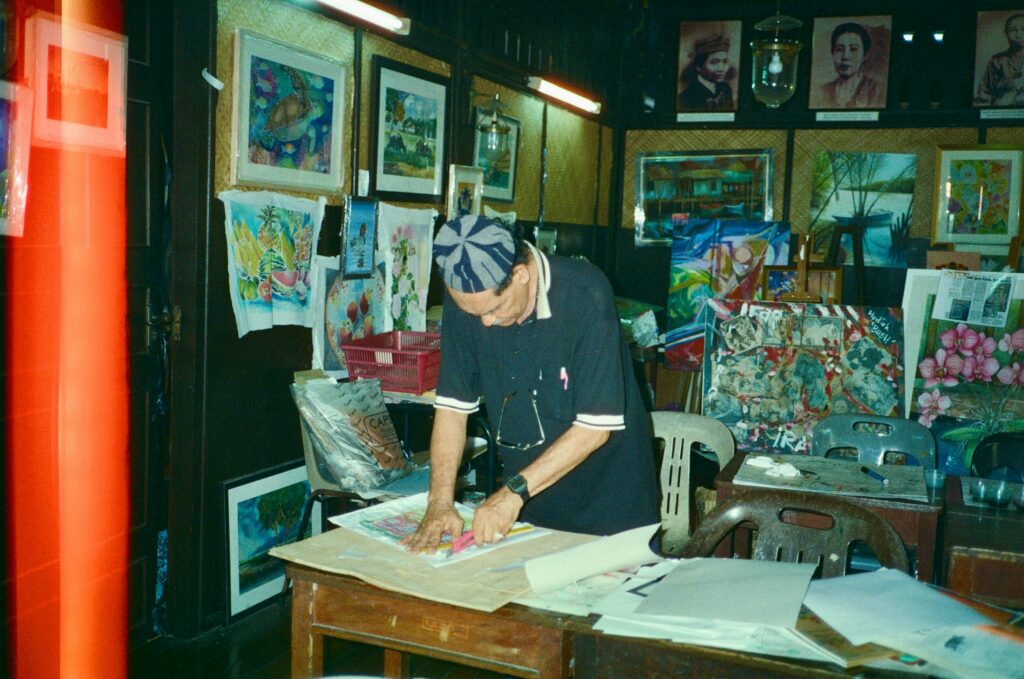
Before getting into how to make an art portfolio, you must know its purpose. Different portfolios serve different needs:
1. Admissions at Art School: Art Schools are concerned with how technical your skills are, along with being creative in the process.
2. Freelance Work: Clients look for work that matches their project needs.
3. Employment: Companies will want to see consistency and professionalism in your work.
4. Well-Structured Portfolio: If you want to sell your art or gain a following, then you will need a Personal Branding Portfolio to help you gain an audience.
An art portfolio is also a confidence builder. All of your best works in one place make you remember how far you have come and keep encouraging you to stay on the same path.
How to Make an Art Portfolio in 5 Easy Steps

Step 1: Define Your Portfolio’s Goal
With a clear purpose, you will know what exact pieces to choose for your portfolio. Are you showing off fine art, digital illustration, concept art, or graphic design? The more you understand your niche, the more impactful your portfolio becomes. Without direction, your portfolio will not be able to communicate your artistic identity to the viewer.
If you are applying to a design firm, the selection you made should be versatile and professional. If you are applying to the art school, include works that display technical and conceptual development. With a clear objective, your portfolio has a voice heard by the right audience.
Step 2: Select Your Best Work
Keep your portfolio to 10–20 of your strongest pieces. Do not include everything; showcase only your best work. When looking at art portfolio examples, you’ll see that successful artists have a chord of cohesion and some variety.
It is all about quality over quantity. Each artwork should have a slightly different strength, such as composition, color theory, and storytelling. In addition, your work must be consistent with the people you are targeting. A group of styles won’t have the same impression as a cohesive selection.
Step 3: Organize Your Portfolio for Maximum Impact
The arrangement of your portfolio matters. To get attention, begin with your best piece. Finish up with another fantastic piece and then with strong work that supports it. Have a logical flow that tells a story of the growth and the creativity.
Your portfolio is a story. Organise your pieces such that they craft out a journey that focuses on your improvement, adaptability, and consistency. Keep similar styles apart from each other to keep the visual interest. Having a good portfolio structure helps the viewer to understand and appreciate your work.
Step 4: Provide Context for Each Artwork
You should have a short description for every piece in your portfolio. Make sure to include the title, medium, and idea behind it. It will allow your viewers to relate more intimately to your work. Here is an example:
Title: Midnight Reflections
Medium: Oil on Canvas
Description: A moody piece exploring solitude and self-reflection through deep blues and warm highlights.
Further, brief details about the making process can make your work more interesting. Mentioning a product if it’s inspired by a personal story or challenge gives it emotional credibility, and therefore it is more relatable to the people who are viewing it.
Step 5: Keep Your Portfolio Design Clean and Professional
Do not make your layout too cluttered. Just use a simple background, use the same fonts every time, and use high-quality images. The best art portfolio examples have great visuals, but it does not overshadow the art.
Make sure all images are properly aligned and cropped for a nice look. Having artwork arranged in an organized way increases readability and assures your artwork is at its center. If your portfolio is digital, test the portfolio on different devices to ensure it looks good everywhere.
Famous Artist Portfolio Examples
Pablo Picasso’s Sketchbooks
Pablo Picasso’s sketchbooks were full of the drawings of the transition from realism to Cubism. His portfolio was no mere collection of end products; it was a chronological history of his take on style and technique. This approach helps artists showcase their creative thought processes and experimentations.
Vincent van Gogh’s Letters and Sketches
Vincent van Gogh wrote letters to his brother Theo, but these letters contained sketches and drafts of his most famous paintings. These sketches gave us an idea of how he works and how he developed his work. Putting preliminary works and development sketches in a portfolio will show that an artist can think up and refine their ideas.
10 Best Practices for an Online Art Portfolio
1. Use High-Quality Images
Show your work in the best light possible. Commercial artwork will look even less professional when the images are blurry or pixelated. Get a good camera or scanner to photograph and capture your work very clearly.
2. Keep Navigation Simple
An uncluttered or confusing layout will push the viewers away. If you need, you can set up your work logically and put it in clear categories. Suppose you have varying styles, such as portrait or landscape art, then separate them into the sections. Having a well-designed portfolio will keep viewers interested.
3. Optimize for Mobile
Many people browse portfolios on their phones, so your portfolio should be mobile-friendly. A web page that isn’t working on lower screens will cost you opportunities. Test on multiple devices and make sure that when the images resize, they do so without distortion.
4. Include Contact Information
People won’t be able to find you through your great portfolio if you’ve never added any contact details to your page. Show your email, social media, or website link. Always make a dedicated “Contact” page for easily doing business with potential clients or recruiters.
5. Tell a Story with Your Art
A collection of work is more than an art portfolio; it is a journey. Group your pieces so you can get growth, experimentation, and mastering. Pick impactful things at the top that expose your skills and finish with the things that stay with you.
6. Add Testimonials or Reviews
Include the testimonials of previous clients, teachers, or industry professionals who had high praise for your work. Reviews give your portfolio credibility and make it more trusted.
7. Link to Social Media
Platforms such as Instagram, Behance, and LinkedIn are the platforms where many artists become famous. Let your portfolio be linked to your up-to-date social media pages where your visitors can view more of your work and check on your projects.
8. Avoid Clutter
Simplicity is key. But a great deal of things can distract someone from your art. Go for the minimalistic and elegant layout, so with the least distractions, people will be able to see your work.
9. Include a Call to Action
Regardless of whether you’re pursuing clients, commissions, job offers, etc., you can direct visitors to the next step. It can be as simple as a “Hire Me” button, a signup form, or an invitation to connect that will convert a visitor into an opportunity.
10. Stay Consistent with Your Style
Your artworks should be unified by an artistic identity. Versatility is good, but having a recognisable style adds weight to remember. Choose a colour scheme, theme, or medium that defines your brand as an artist.
Expand your art career with Singulart
Are you looking to showcase your art to a global audience? Singulart connects artists with collectors worldwide, offering a unique platform to gain recognition and expand your career. Singulart helps you grow your artistic presence and reach new opportunities, whether you’re just starting or already established.
Conclusion
With this knowledge of how to make an art portfolio, you’re ready to start building yours. However, before you can showcase your artwork to the public, take a look at art portfolio examples to inspire you, stick to your artistic style, and keep striving to do better. Happy creating!