The art market has come a long way, and it is constantly changing. Today it is much different from a few decades ago when art was bought and sold from galleries to online auctions. With the art market going toward the future, it is wonderful for us to think about where it is going. Whether you are an artist, collector, or just an art enthusiast, it is important to know the trends and the shifts in the art market. So, let’s learn what’s to be known when considering the future of the art market.
▷ Expand Your Art Network with Singulart
What Is the Art Market?
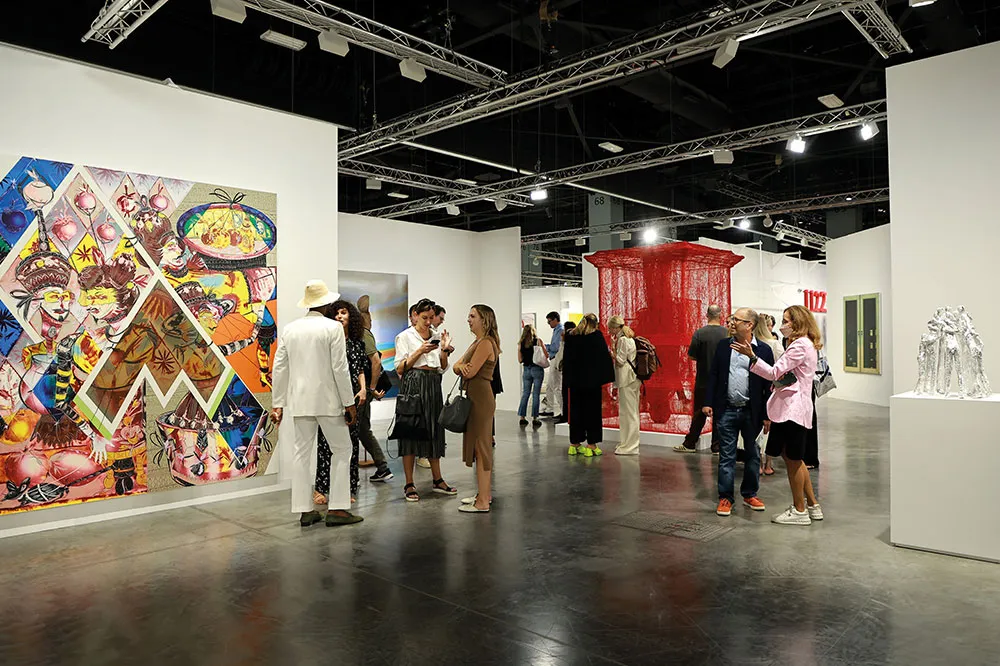
The art market is the space in which artworks are bought and sold. This includes traditional galleries, online platforms, and even auctions. The market encompasses various forms of art, such as paintings, sculptures, photography, and digital art.
The art market has now become a multi-billion-dollar industry. This dynamic world involves artists, collectors, investors, art dealers, and so on. The art market is also increasingly open, both to the public and everyone involved, adding new opportunities as well.
Current Trends in the Art Market

Before that, it will be helpful to look at the trends in the art market today. The most noticeable shift has been the rise of online platforms. Before that, art buyers would go to galleries or attend auctions to buy pieces. Nowadays, art can reach a wider audience more easily because many transactions take place digitally.
The second trend is the rise of the need for contemporary and digital art. More attention is being brought to artists using new technologies such as digital painting or virtual reality. The art market mirrors the changes going on in people’s tastes, and embraces new forms of creativity as people’s tastes evolve.
The NFT (Non-fungible token) revolution has also become part of the art world. An NFT is like an art owning digital asset. This new development has opened the doors for artists and collectors to adopt digital ownership in ways that weren’t imaginable before.
The Role of Technology in the Future of the Art Market
The rise of digital platforms has made it easier for people to buy and sell art. Buyers can find artwork from around the world on websites like Singulart. It has broadened the audience reach of artists and given them the ability to reach all over the world.
The future of the art market is also seeing the rise of virtual reality (VR) and augmented reality (AR). What if you were able to see an artwork in your own space before you buy it? This is happening when we start using AR. Whereas, VR gives buyers the chance to experience the art in virtual galleries, removing geographical barriers of normal galleries.
Moreover, blockchain technology emerges as a safer and transparent way to purchase and sell art. With blockchain, the art pieces are traceable and cannot be duplicated or fraudulently sold. It can help to reduce the risk when purchasing artworks of high value.
The Influence of Millennials and Gen Z on the Art Market
The art market is no different than any other industry and is being shaped by millennials and Gen Z. It is known that these younger generations are inherently techy and environmentally conscious. This means that the type of art that they are collecting and the platforms to which they buy art are influenced by them.
Millennials and Gen Z are more likely to invest in art that mirrors their values. They really do have a lot to do with their purchasing decisions, depending heavily on the social and environmental causes. This means the future could be a little more diverse, inclusive, and therefore sustainable.
Furthermore, digital art and NFTs are more comfortable with these younger buyers, so the expected demand for digital art will continue to grow. As these generations begin to step forward into the art collecting role, the art market of the future could shape up very differently, more virtual and more digital.
Sustainability and Ethical Practices in the Art Market
Just like any other industry, sustainability and ethical practices are gaining popularity in the world of art. Eco-friendly products and methods will play a larger role in the future of the art world. People who are artists and collectors are starting to pay attention to the environmental impact of their work as well as their purchases.
For example, people are now interested in working with recycled materials to create art. The push behind this trend is environmental concerns as well as a need for art that expresses social responsibility. In the present market, there is an increasing demand for sustainable as well as ethically produced art.
The Impact of Globalization on the Art Market
Another trend that is going to shape the art market’s future is the globalization of the art market itself. As digital platforms became more common, buyers and collectors no longer have to live in the same city or country as the artist to buy their art. A result of this is the broad market of artworks made available to artists from all over the world.
Globalization has mixed various cultures in art. Regions like Asia, Africa, and the Middle East are experiencing recognition and the emergence of art in all of their forms. This is opening the art world to new voices and perspectives, thus making it more vibrant to the art world.
The Future of Physical Art Galleries and Auctions
While digital platforms and online auctions emerge, physical galleries and traditional auctions aren’t going anywhere. But they have an ever-changing role in the art market. Technology is involved in galleries becoming more interactive, where exhibitions are being put together with the use of technology, making the viewing experience more enjoyable.
Traditional auctions, such as Christie’s or Sotheby’s, are also adapting to the times. Many of these institutions now provide online bidding and can have people from all over the world bidding. Buyers can now take part without being physically there, and this is becoming more and more common through live-streamed auctions.
Investing in Art: What to Expect
The art has always been considered a very high investment, and it is expected that this trend will continue. The new investment opportunities will then emerge as the art market expands. In particular, digital art is fast emerging as a popular investment vehicle. NFTs are seen as an opportunity to invest in a new and promising market.
However, art still requires a great deal of care when investing. Art is like any investment. The market is volatile, and the value of a piece may not increase as anticipated. Investors should do their research and know the driving trends of the market.
The Art Market and Cultural Shifts
Finally, the future of the art market will be in the grip of cultural shifts. People’s perception of art is changing, and this will be reflected in their buying and selling of art. As the art world becomes more open to multiple voices and viewpoints, the future market will see more art about global issues (for instance, climate change, social justice, and human rights).
Furthermore, women and other underrepresented groups play an increasing role in the art world. This focus on promoting diversity is leading collectors and galleries to sell more progressive types of art in the future.
Share Your Art with the World Through Singulart
Want to connect with a global audience? Singulart helps you do just that. It links artists with collectors across the globe. Whether you’re emerging or already established, Singulart offers the tools to expand your reach. Get noticed, grow your presence, and let your creativity shine worldwide.
Conclusion
The art market is at an exciting crossroads. Technology, globalization, and cultural shifts are all contributing to a rapidly evolving landscape. As we look ahead, it’s clear that the art market will continue to grow, diversify, and change in exciting ways. Whether you’re an artist, a collector, or simply someone who loves art, staying informed about these trends will help you navigate the future of the art market.