Landscape painting is a highly popular artistic genre present in many cultures and artistic traditions with a long and established history. Landscape painting encompasses a variety of natural scenes including mountains, rivers, valleys, forests, fields, and coasts. This definition was expanded in the 20th century to include urban and industrial landscapes. Landscape painters are inspired by the world around them…
Art History
-
-
Oil painting is arguably one of the best known and most used painting mediums. Oil paint consists of suspending various pigments in a drying oil that acts as the binder. A variety of oils can be used as the binding agent, such as linseed oil or safflower oil. Each oil lends a different property to the quality of the paint…
-
Pop Art is a movement that emerged in 1950s Britain and exploded into enormous and everlasting success in 1960s America. Pop art employed a new, bold aesthetic inspired by popular culture such as advertising, comic books, and was a celebration of the mundane and the kitsch. The movement, as a reflection of the times, was about multiples and mass reproduction,…
-
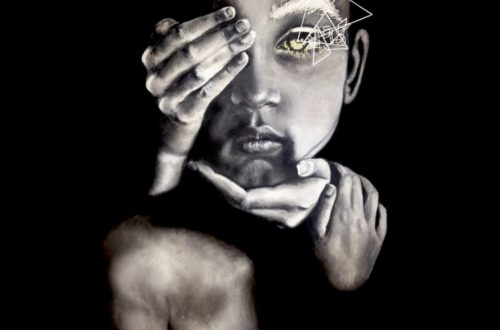
Portraiture and portrait painting focuses on depicting a human subject. Historically, portraits have often been commissioned and portray either public or private figures, which gives them importance as historical records; they recorded the past before the advent of photography. They are generally inspired by admiration for the subject, who is often the muse of the artist. While early portraits were…
-
Street art is visual art that is created in public locations, outside of traditional art venues. It is connected to graffiti art in that it is generally unsanctioned and in public spaces, but it includes a wide variety of media and is connected more closely to graphic design. The key differences between graffiti and street art are partly historic. Graffiti…
-
Watercolour paint consists of pigments suspended in water, which gives the paint a translucent effect. Watercolour artists often paint on paper, exploring the transparency of the paint and leaving sections unpainted to highlight certain areas of the paper. It is celebrated for its natural, luminous qualities and has been favoured by renowned artists such as Turner and Blake. Last day,…
-
As a subgroup of still life, Vanitas painting is a category of art that aims to show the temporary nature of life, the futility of pleasure, and the inevitability of death. Vanitas painting often feature symbols of wealth, death and ephemerality. There are two main categories of Vanitas painting: those which symbolize death with objects such as skulls, candles and withered flowers and…
-
Portrait painting has been a central genre and artistic pursuit for centuries. Historically speaking, commissioned portraits were status symbols used to convey the wealth and prominence of their subject. A portrait could be used to intimidate as in the case of certain royal portraits, to pay homage to the gods, or to link certain people to the wealth, success, fertility…
-
At the end of the 18th century, classicism paved the way for art. Reverted to the baroque and the allegory, the artists of the Classicist movement were inspired by the understanding of beauty from Ancient and Roman art. Jean Auguste Dominique Ingres –Le Bain turc, 1862 The Turkish bath was originally commissioned by Prince Napoleon. He sent it back and…
-
Lithography is one of the greatest artistic developments of the 19th century. Literally translated as “writing on stone”, lithography is a technique that involves etching a drawing in oil or fat, and using the immiscibility (inability to be mixed) of ink and water to make an imprint, usually on paper. It enabled artists and illustrators to duplicate drawings and texts…