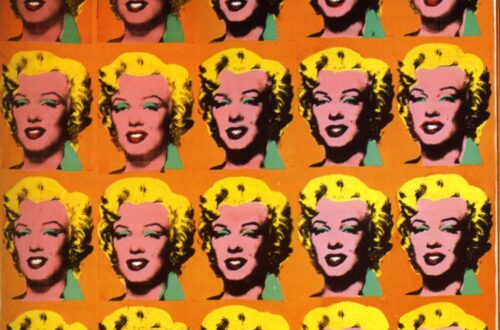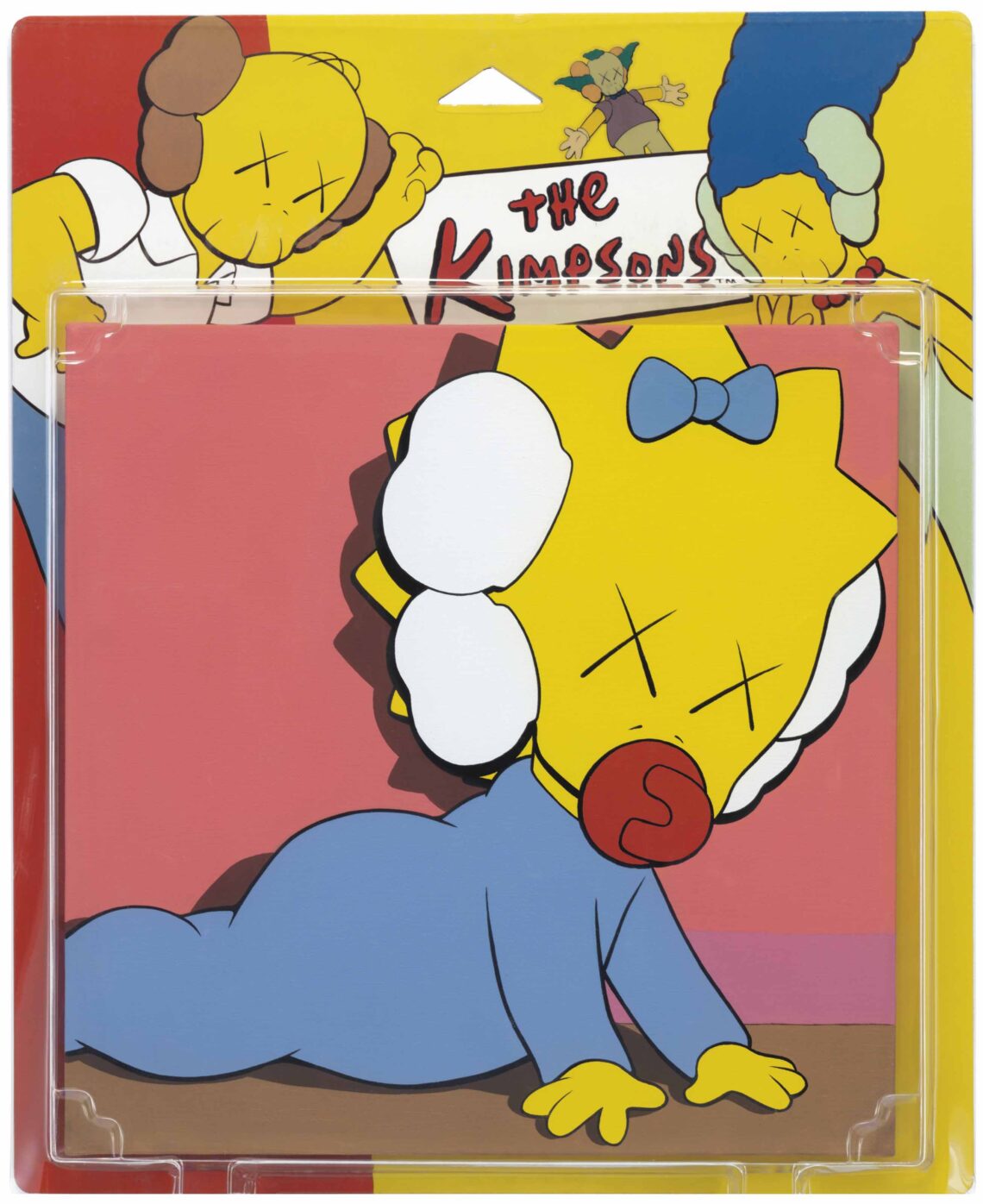
In the domain of modern art, no one has produced as much interest and encomium as KAWS. Being known for his special combination of pop culture iconography and high art-oriented skills, KAWS, born Brian Donnelly, has created his own lane through which he has managed to stand out in the art world. Coming from the graffiti and street art movement of the 1990s, KAWS broke the tradition of artistic media’s boundaries and made an enduring impact on the cultural area. The core of his oeuvre is Untitled (Kimpsons) (2001), the seminal work that personifies the artist’s style and thematic motives. This article aims to unravel the multifaceted nature of the “Untitled (Kimpsons)” of KAWS and its influence on modern art and culture.
Who is KAWS?

Brian Donnelly, aka KAWS, is a US artist whose contribution ranges from paintings to sculptures to graphic designs. Borin New Jersey in 1974, KAWS started his career in the 1990s, but it was only after his unique approach to street art, characterized by his reimagining of cultural icons like Mickey Mouse and The Simpsons, that he rose to global acclaim. For many years he has been working with the best of the brands and artists, resulting in him being the most influential artist in contemporary art.
FUN FACT: KAWS initially gained recognition in the art world by creating limited edition vinyl toys, which quickly became highly sought-after collectibles among enthusiasts.
His Career
KAWS’ artistic journey started with graffiti, as he was among the group of artists leaving their mark on the streets of New York City with typical skull-and-crossbones motifs. As his birthday was celebrated more and more, he began to work in different media and methods. His unique style with bold lines, vivid colors, and fantastic figures attracted the interest of art lovers and collectors.
The artist KAWS started his career exposing his art in renowned galleries and museums across the world at the same time gaining both critical acclaim and commercial success. Through his work, he shatters the boundary between high-brow art and low-brow culture, urging the viewers to alter their outlook towards both art and consumerism.
What is Happening in Untitled (Kimpsons) (2001)?
| Artist | KAWS |
| Date Created | 2001 |
| Medium | Acrylic on canvas |
| Genre | Contemporary art |
| Period | Early 21st century |
| Dimensions | 84 x 84 inches (213.4 x 213.4 cm) |
| Series / Versions | N/A |
| Where is it housed? | Private collection or location not publicly disclosed |
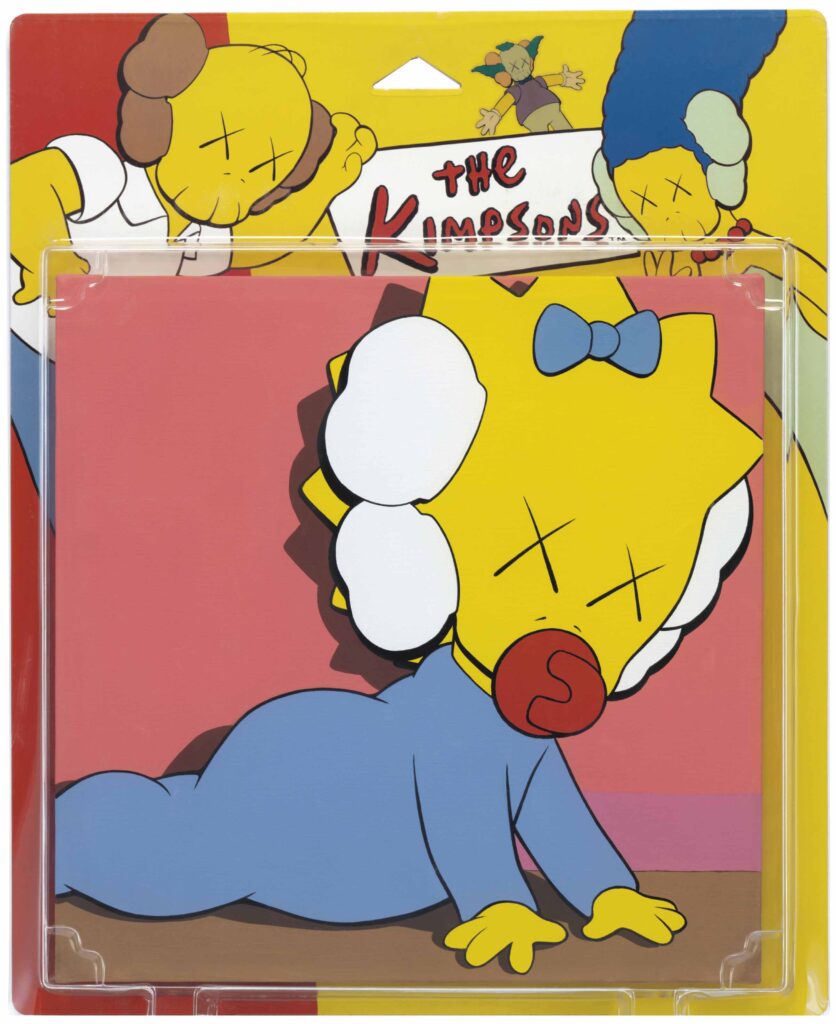
“Untitled (Kimpsons)” (2001) is one of KAWS’s key works, which brilliantly combines pop culture images with art techniques. The artwork consists of characters from the longest-running animated TV series “The Simpsons” that have been portrayed in KAWS’ distinctive fashion. The characters are portrayed with exaggerated features, distorted proportions, and X-ed-out eyes typical of KAWS’s own rather designed view of commonly recognized figures.
The work presents KAWS’s interest in the visual language of mass media and consumerism, as well as his attitude toward the widespread impact of corporate branding on entertainment and modern society. By using appropriation and recontextualization of common symbols that come from urban culture, KAWS makes his viewers think of how those symbols shape their perceptions of themselves and the world around them.
Analysis
Untitled (Kimpsons)” (2001) by KAWS, like a rich textile, holds layers of meaning, inviting people to be immersed in its conceptual depth. You could say that the artwork is a sharp critique of consumerism and the overwhelming influence of the mass media in today’s society. KAWS’s “The Kimpsons” characters make us think of the commercialization of entertainment and how corporations make their way into our minds through branding. The combination of such conventional images with transformational applications causes viewers to wonder about the level of commodification of human culture and related issues such as personal identity and self-determination.
Interesting Facts about “Untitled (Kimpsons) (2001)” by KAWS
KAWS’s reinterpretation of “The Simpsons” characters reflects his interest in exploring the boundaries between high and low culture, as well as his ongoing investigation of the relationship between art and commerce.
The title “Kimpsons” playfully combines the names “KAWS” and “The Simpsons,” signaling the artist’s intervention in the iconic television series and asserting his presence within the cultural landscape.
“Untitled (Kimpsons)” showcases KAWS’s mastery of color, composition, and technique, demonstrating his ability to transform familiar imagery into thought-provoking works of art.
The artwork has been exhibited in prestigious galleries and museums around the world, cementing KAWS’s status as a leading figure in contemporary art.
“Untitled (Kimpsons)” remains highly sought after by collectors, with original pieces commanding significant prices at auction and secondary market sales.
Artwork Spotlight: “Gone”
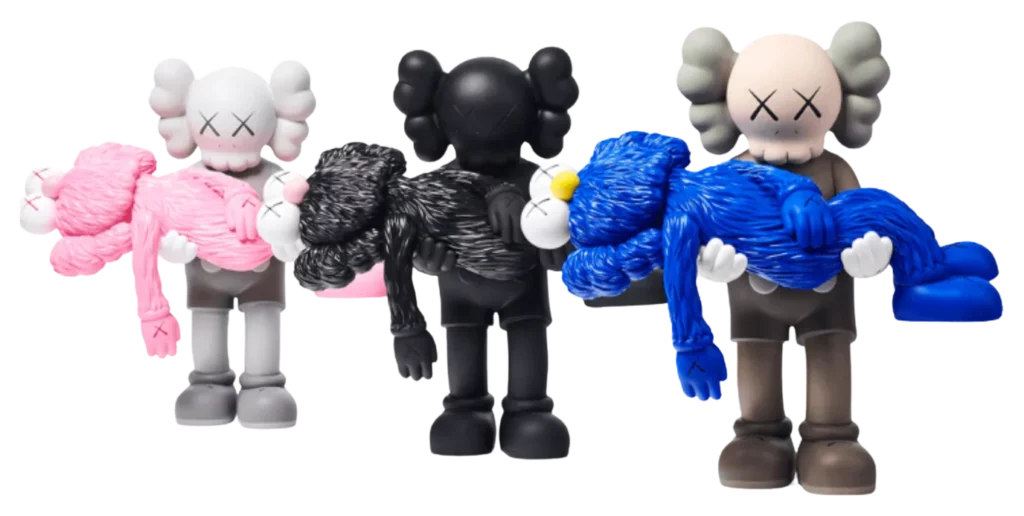
The art piece by KAWS “Gone” is available on Singulart. This artwork shows how the artist deals with issues of nostalgia, memory, and loss. Showing his legendary character with hands to the head, “Gone” allows the viewer to think about the perishability of being and the time that is passing in the world of quick change.
Are you looking for contemporary artwork from KAWS?
Singulart offers exclusive limited edition artworks by KAWS. To explore and purchase KAWS’ artwork, click on the artwork or the button below for more details!
Frequently Asked Questions
How much does KAWS art cost?
Depending on the size and medium of the work, KAWS artworks have been presented at auction on several occasions, with estimated prices ranging from 1 USD to 14,773,468 USD.
What does KAWS stand for in art?
When Donnelly was a teenager, he made a tag for himself that he painted on the roof of a nearby building as KAWS (based on the way the letters looked; the term has no significance).
Conclusion
“Untitled (Kimpsons)” (2001) is a piece that not only highlights this artist’s wit and talent but also gives us a thought-provoking commentary on the relationships between commerce, art, and culture in the digital age. Through a subversive revision of habitual images and a sharp criticism of consumerism, the painting brings into question the viewers’ established patterns of thought and unveils the intricacies of modern life.