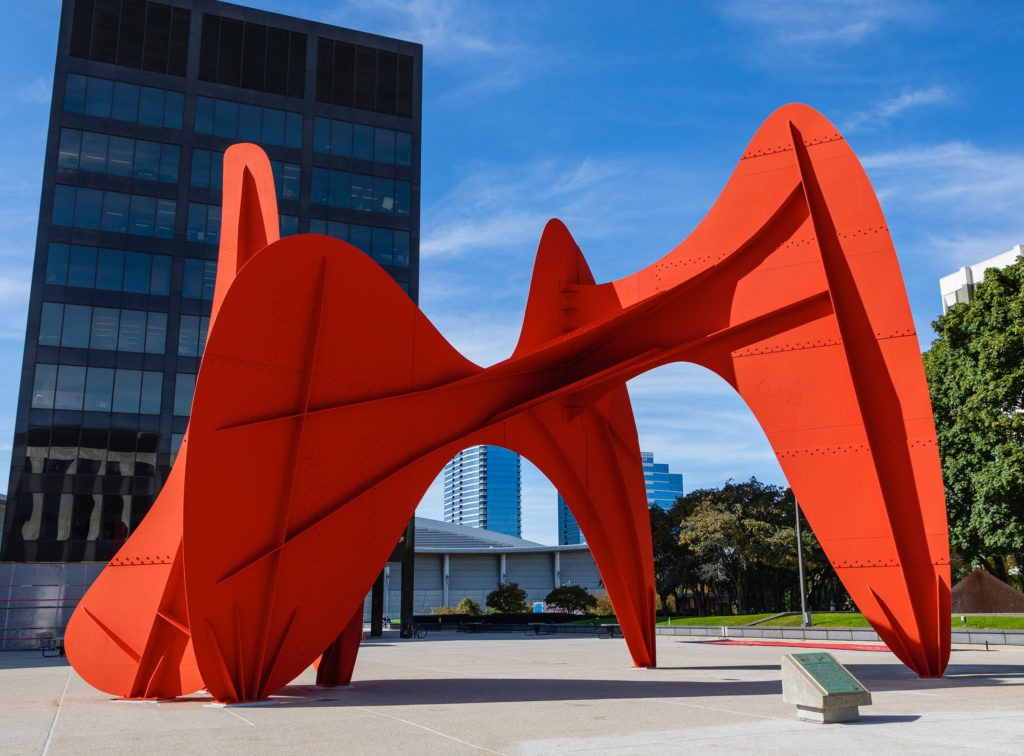
Alexander Calder had left an unerasable imprint on the art world through his mobiles and monumental sculptures. Among his notable works is “La Grand Vitesse,” a great sculpture that fascinates the crowd with its grandiosity and fluidity. This article focuses on Alexander Calder, his career, the significance of “La Grande Vitesse” and a few interesting facts about this outstanding artwork.
Who was Alexander Calder?
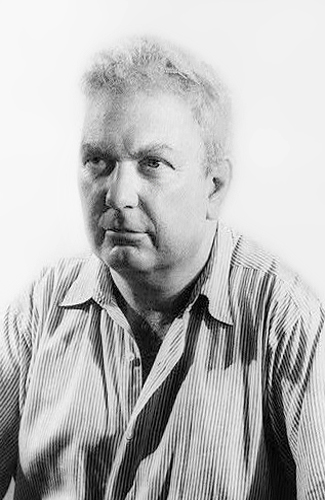
Alexander Calder, an American sculptor, revolutionized modern art with his unique vision. Despite his artistic family background, Calder initially pursued engineering. Later, he embraced sculpture. Whether through his playful use of colors or bold approach, Calder became a 20th-century great.
FUN FACT: Did you know that Alexander Calder was not only a master sculptor but also a skilled toy maker? In fact, he created a whimsical menagerie of wire animals and circus figures that he dubbed “Calder’s Circus.”
His Career
Calder’s career lasted multiple decades, and during this time he created a great deal of work ranging from miniature mobiles to gigantic outdoor sculptures. He experimented with various types of materials such as wire, sheet metal, and wood as a medium for creating his artistic ideas. Among many other stunts, Calder’s pioneering use of space and motion-based art defied the traditional concept of sculpture, which, in turn, earned him great international success and made him a real innovator of modern art.
What is Happening in La Grand Vitesse?
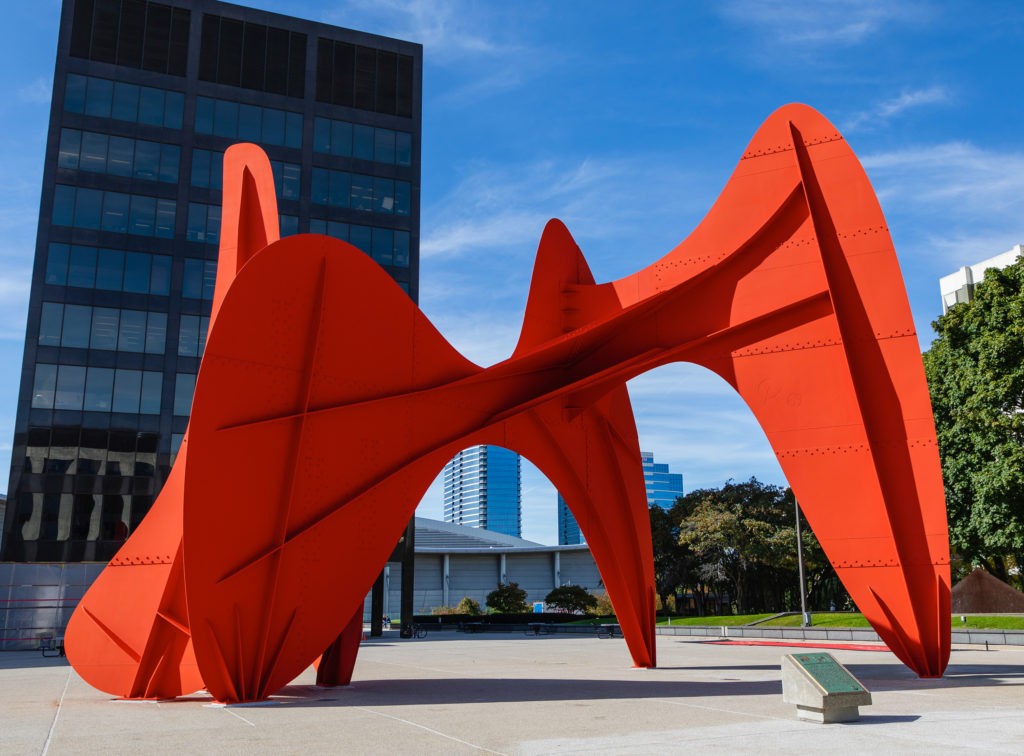
| Artist | Alexander Calder |
| Date Created | 1969 |
| Medium | Steel |
| Genre | Sculpture |
| Period | Modern |
| Dimensions | 43 feet (13 m) tall |
| Series / Versions | N/A |
| Where is it housed? | Grand Rapids, Michigan, USA |
The name of the work—”La Grand Vitesse” for “The Great Swiftness”—is one of the proofs of Calder’s talent in monumental sculpture. Installed in 1969, this artwork became the symbol of vivacity and energy in the city center of Grand Rapids, Michigan. It’s composed of bold, curvilinear forms, painted in Calder’s signature primary colors, and exudes a sense of movement and fluidity despite its massive, stationary presence.
What’s So Special About La Grand Vitesse?
“La Grand Vitesse” sculpture by Alexander Calder isn’t just a piece of art; it is a symphony with steel and color that holds motion and life in its heart. Rising in the sky of Grand Rapids, Michigan, this 185-foot large work of art is hard to miss because of its strong shapes and bright colors. Designed in his inimitable style, the sculpture invites the visitors to join it on a visual journey, in which the steel, captivating by the wind, performs.
Considered as the manifestation of civic pride, “La Grand Vitesse” endures as an enduring symbol of belonging and a source of creative inspiration. The legacy of this mural has long outlasted its physical presence, serving as an inspiration to artists and urban designers across the globe to question the role of public art in shaping the common spaces we inhabit. Through the visitors’ interaction with the creation’s vibrancy and playfulness, they become the implementation of Calder’s dream – a showcase of the power of creativity, collaboration, and eternity of the human spirit.
Interesting Facts about La Grand Vitesse
Influential Commission: “La Grand Vitesse” was commissioned as part of the “Art in Public Places” program initiated by the National Endowment for the Arts. It marked Calder’s first large-scale public commission and set a precedent for future collaborations between artists and municipalities.
Community Collaboration: Calder worked closely with city officials and engineers during the creation of “La Grand Vitesse,” emphasizing collaboration and community involvement in public art projects. The sculpture reflects the spirit of Grand Rapids and serves as a focal point for civic pride and identity.
Symbolic Representation: While its title suggests speed and movement, “La Grand Vitesse” also evokes themes of stability and balance. Its monumental form anchors the surrounding space, serving as a visual anchor amidst the urban landscape.
Artwork Spotlight: Couleurs au Choix
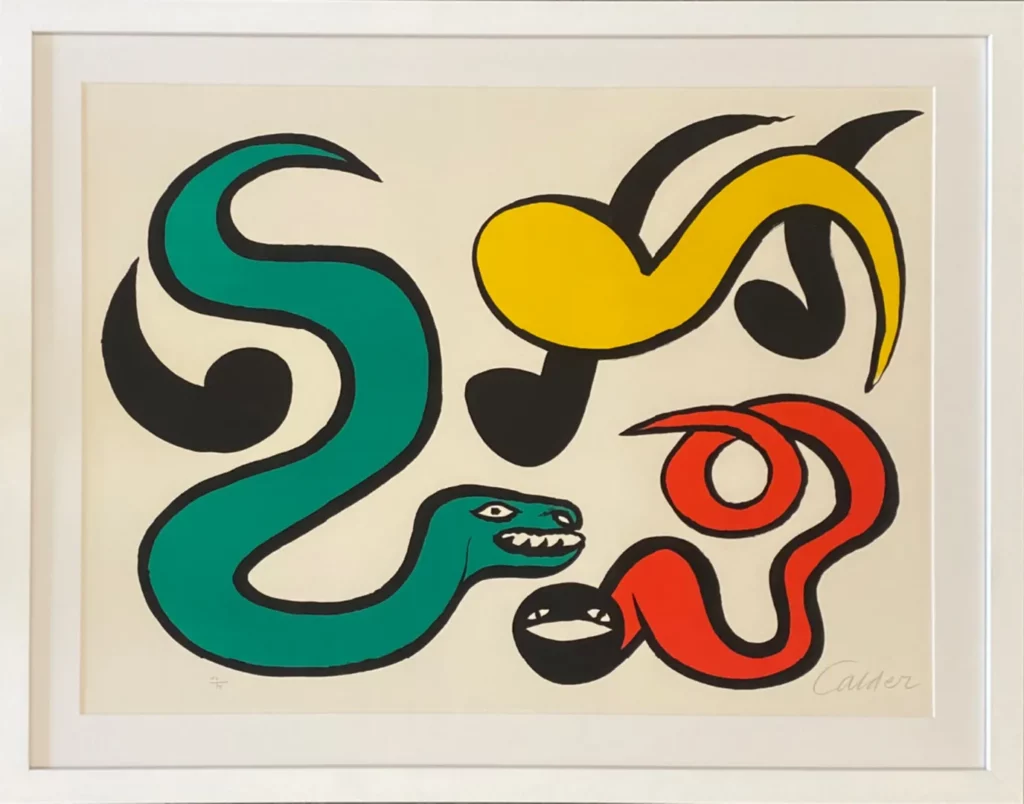
Calder’s “Couleurs au Choix” (“Colors of Choice”) is available on Singulart. This artwork reveals his skills with form and color. This jubilant piece, distinguished by its fanciful combination of geometrical forms and hues, offers the spectators a chance to discover the question of the relation between color and space in the artwork of Calder.
Are you looking for a masterpiece from Alexander Calder?
Singulart presents exclusive limited edition pieces by Alexander Calder. To discover and acquire Calder’s art, click on the artwork or the button below for more information!
Frequently Asked Questions
What was Alexander Calder best known for?
In addition to creating wire sculptures, Alexander Calder is credited with creating the mobile, a kind of kinetic art that required precise balancing to achieve equilibrium and suspension in air. At first, Calder employed motors to move his pieces, but he quickly gave up on this approach and started relying only on air currents.
When did Alexander Calder become famous?
After returning to the US in 1933, Calder’s mobile and stationary abstract-organic sculptures gained a great deal of praise and attention. After relocating to Connecticut, he carried on creating inventive pieces for both big and small audiences. Calder lived in France for a portion of every year after 1950.
Who inspired Alexander Calder?
Calder met Joan Miró in Paris, and the two became close friends and a significant influence. Calder started making jewelry out of the same wire he used for his sculptures in 1929. Throughout his career, he kept up his jewelry-making, mostly creating bracelets, rings, necklaces, and brooches for friends.
Conclusion
The “La Grand Vitesse” exhibits not only the ingenuity of Alexander Calder but also his lasting heritage in the globe of art. Many years later, the monumental form and dynamic presence continue to enchant the public and awaken a true appreciation for art and public spaces. When visitors interact with the artwork’s lively colors and dynamism, they are becoming part of Calder’s dream of peace and motion amidst the cityscape.