Step into the mesmerizing world of Salvador Dali, a maverick of the art world whose brush strokes painted alternate realities. Among his many masterpieces, Swans Reflecting Elephants stands as a unique masterpiece to his ability to weave dreams into canvases. In this article, we’ll study Dali through the corridors of his life and career, dissect the peculiarities of Swans Reflecting Elephants, and immerse ourselves in the surreal realm that unfolds upon the canvas.
Who was Salvador Dali?
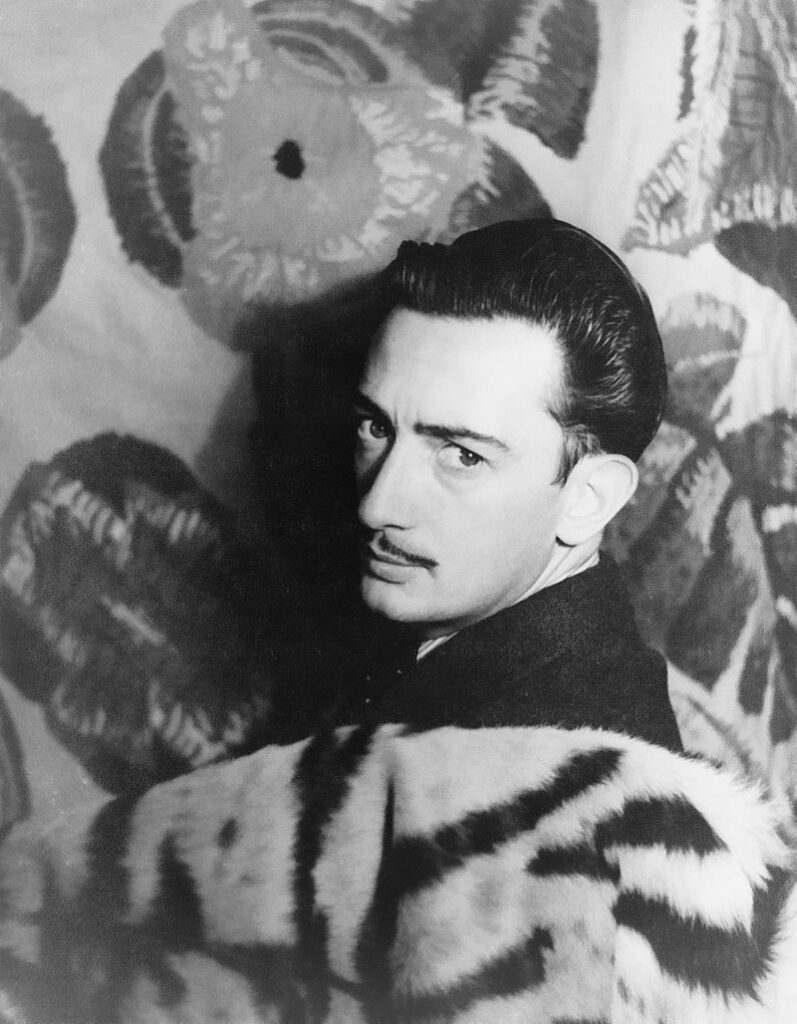
Imagine Salvador Dali as a character straight out of a surrealist novel—eccentric, flamboyant, and utterly captivating. Born in 1904 in Figueres, Catalonia, Dali’s artistic journey unfolded against the backdrop of a rapidly changing world. His trajectory began with early dalliances in Impressionism and Cubism before finding his artistic soulmate in the Surrealist movement. Dali’s idiosyncratic method, marked by meticulous detail and a penchant for the bizarre, positioned him as a trailblazer in 20th-century art.
FUN FACT: Salvador Dalí had a pet anteater named Babou, whom he frequently walked around Paris on a leash. This peculiar sight often turned heads and added to Dalí’s eccentric reputation.
His Career
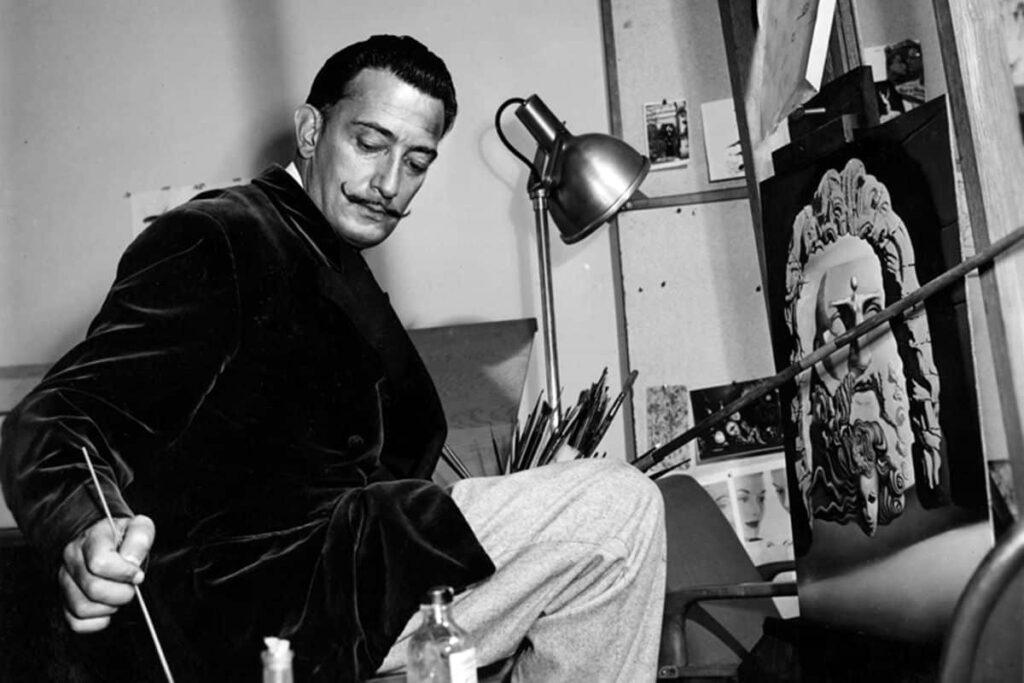
Dali’s career was a rollercoaster ride through the landscapes of self-expression and artistic experimentation. His early collaboration with surrealist compatriot Luis Buñuel on the film “Un Chien Andalou” (1929) set the stage for his career. He gained popularity from his iconic painting “The Persistence of Memory” (1931). This piece gave him the limelight and made him a famous artist of his time. As the years unfolded, Dali’s art continued to evolve, embracing classical techniques while maintaining a surreal, often hallucinogenic quality.
What is happening in Swans Reflecting Elephants?
| Artist | Salvador Dali |
| Date Painted | 1937 |
| Medium | Oil on Canvas |
| Genre | Surrealism |
| Period | Surrealist |
| Dimensions | 50 cm × 40 cm |
| Series / Versions | Original |
| Where is it housed? | Private Collection |
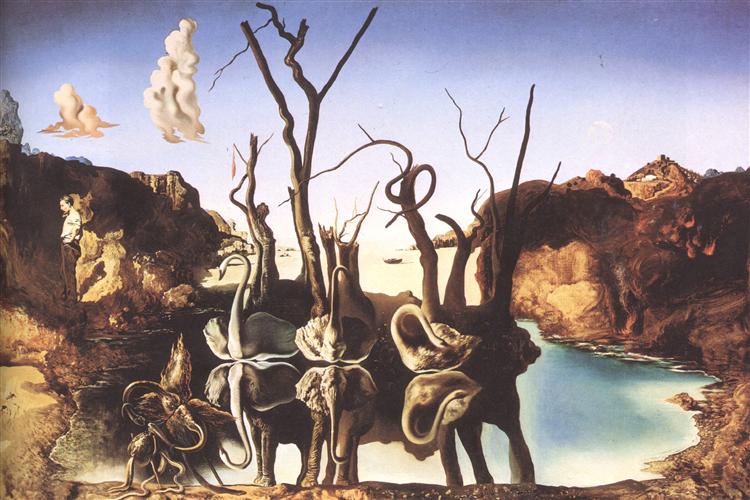
The year is 1937, and Dali’s brush is poised over the canvas, giving birth to Swans Reflecting Elephants. In this surreal masterpiece, a serene lake takes center stage, cradling three swans as they glide with ethereal grace. Yet, the true magic unfolds in the reflection—those elegant swans metamorphose into majestic elephants. It’s a visual alchemy that blurs the lines between reality and illusion, prompting viewers to question the very nature of perception.
Analysis
Medium and Style
Dali chose oil on canvas as his medium for this surrealist symphony. The hyper-realistic detail and meticulous rendering elevate the painting into a realm where the tangible and intangible coalesce. The precision with which he captures every feather and ripple speaks not only to his technical prowess but also to a commitment to craft that borders on the obsessive.
Symbolism
Peering into the symbolism of Swans Reflecting Elephants is like deciphering the language of dreams. The transformation of swans into elephants serves as a visual metaphor for Dali’s fascination with the subconscious. The graceful swans, traditionally associated with beauty, undergo a surreal metamorphosis, challenging conventional notions and inviting viewers to explore the deeper recesses of their own psyche.
Period and Genre
Swans Reflecting Elephants emerges from the Surrealist movement, a period in art history marked by a collective desire to tap into the unconscious mind. Dali’s unique blend of classical technique and surrealist concepts aligns the painting with the broader surrealist genre, pushing the boundaries of what art could be.
Fun Facts
Inspiration from Freud: Salvador Dali was enamored with Sigmund Freud’s psychoanalytic theories, and this infatuation seeps into Swans Reflecting Elephants. The painting can be seen as a visual representation of Freud’s exploration of the unconscious mind.
Precision and Detail: Dali wasn’t just a dreamer; he was a meticulous craftsman. The level of detail in Swans Reflecting Elephants is staggering, a testament to Dali’s dedication to his art. Every feather, every ripple, is a deliberate stroke in the grand composition of his surrealist dreamscape.
Dreamlike Atmosphere: Dali’s paintings often materialized from the cauldron of his dreams, and Swans Reflecting Elephants is no exception. Stepping into the painting is like entering a dreamscape where reality takes a backseat, and the fantastical reigns supreme.
Artwork Spotlight: Le Tourbillon Maléfique
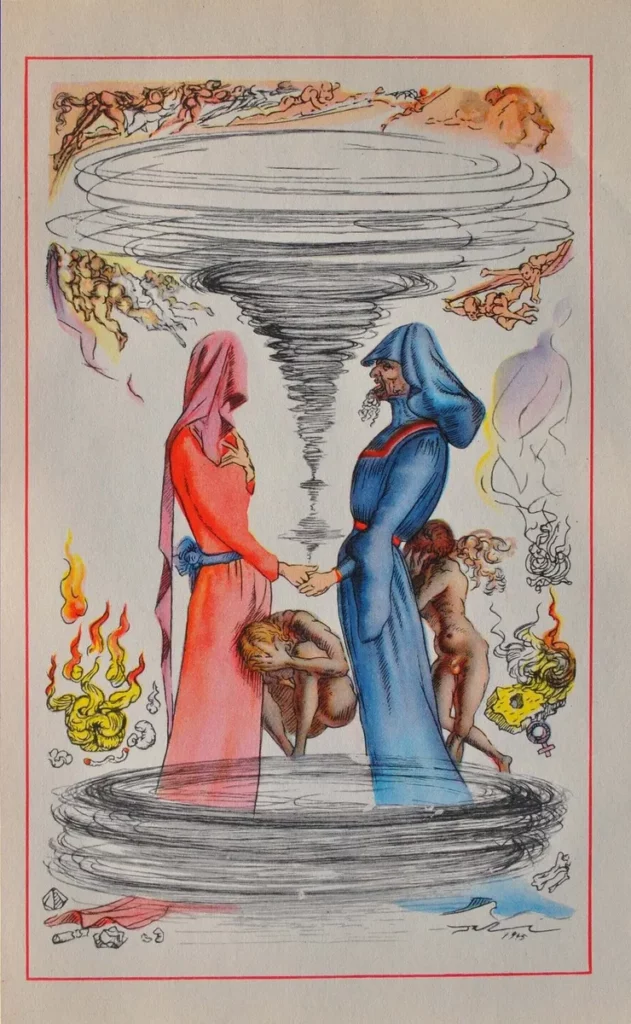
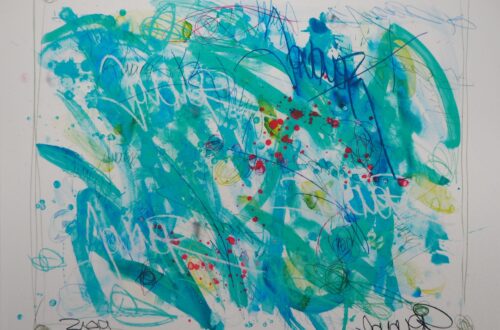
“Le Tourbillon Maléfique” (“The Malevolent Whirlwind”) is available on Singulart. It is a captivating surrealist artwork by Salvador Dalí, featuring swirling forms and fantastical creatures entwined in a whirlwind of motion.
Are you looking for a surrealist piece of artwork from Salvador Dali?
Discover Singulart’s distinctive collection of limited-edition Salvador Dali prints. Looking for a Dali masterpiece? Click on the artwork or the button below to learn more!
Frequently Asked Questions
What does the elephant reflecting swans mean?
Swans are a representation of self-love, grace, trust, love, and loyalty. Elephants are considered a symbol of strength, power, prosperity, good fortune, and wisdom. The two creatures Salvador Dali used in this picture can represent his passion of art and his knowledge.
Where did Dali paint Swans Reflecting Elephants?
Salvador Dal painted the oil painting “Swans Reflecting Elephants” on canvas in 1937. Dali was a Spanish surrealist. Dali’s childhood home of Catalonia, in Spain, is reflected in the picture, which shows a lake inside a rocky formation.
Conclusion
Salvador Dali’s Swans Reflecting Elephants is not just a painting; it’s an invitation to question, explore, and get lost in the boundless realms of imagination. With each stroke, Dali made us reconsider our perceptions and embrace the whimsical, taking us on a surreal journey through the looking glass of his artistic brilliance.