In this modern day, the art market has gone way beyond just having physical galleries and exhibitions. Online platforms are the new way for artists to make a sale to a global market with amazing opportunities. No matter if you are an experienced artist or just a beginner knowing how to sell art online effectively can greatly affect your visibility and also help increase your sales. In this in-depth guide, we’ll dive into the subtleties of selling art online, and share some practical steps on how to do it successfully in the ever-changing online environment.
1. Understanding the Landscape of Online Art Sales

The Shift to Digital Platforms
The traditional art sales model has undergone immense changes, thanks to the emergence of the digital sphere. Nowadays, artists can display and match their masterpieces with collectors and art amateurs from anywhere with a simple click of a button. The convenience and accessibility offered by online platforms have made the art market a level playing field for artists of all walks of life and diverse styles to reap the fruits of success on the digital market.
Key Players in the Online Art Market
When you try to sell your art online, there are plenty of options available. From dedicated art marketplaces like Singulart to wide e-commerce platforms like Etsy and eBay, artists have different options to showcase their work and sell art online. Every platform is customized to fit different audiences and has its advantages. It is important to investigate a platform and choose the one that meets your artistic expectations and target audience.
2. Setting the Stage to Sell Art Online
Creating High-Quality Artwork
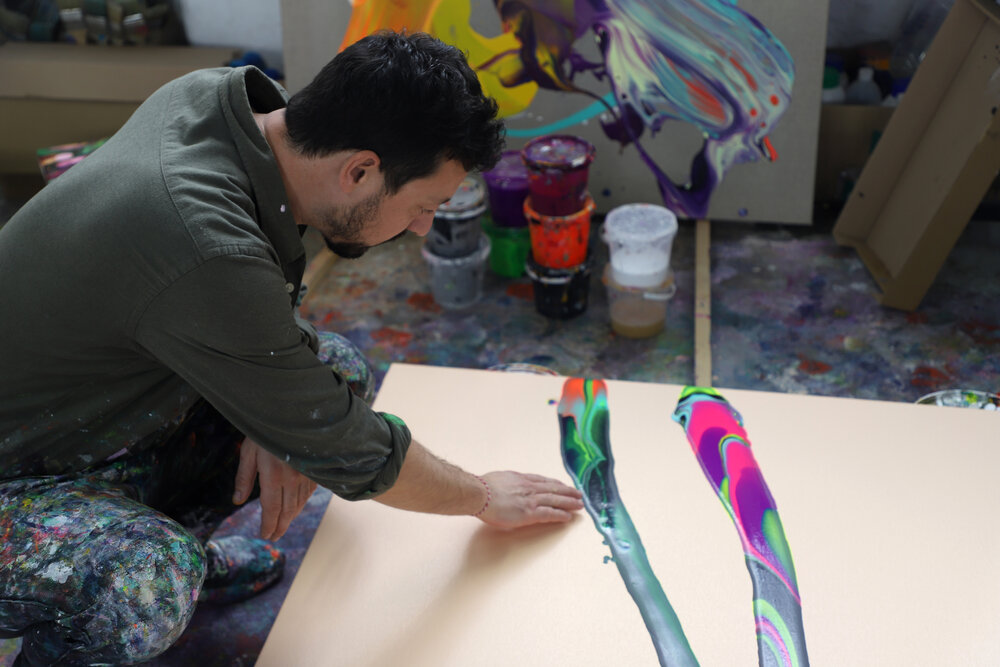
The main secret of a successful art sale online is a great artwork that attracts and captivates a customer. No matter you are a painter, a sculptor, a photographer or a digital artist, putting time and heart into your creative and original work is a must. Concentrate on the realization of a collection of works that demonstrates your very own original style and point of view. Do not hesitate to explore and expand beyond your creativity limits.
Photography and Presentation
In a digital world, the first impression is everything. Sharp and vivid photos of your artwork can draw in and hold the attention of potential customers incredibly well. While taking photos of your artwork, be particular about lighting, composition, and framing. That will help you present your pieces in good images. Consider hiring a professional photographer or investing in a good camera and lighting setup to capture your artwork as accurately and effectively as possible.
3. Building Your Online Presence

Establishing Your Brand
Personal branding plays a key role in a competitive online environment where brands are expected to have unique and distinctive features that stand out and appeal to a target audience. Start with the creation of a captivating artist statement and biography. This will help to enlighten the audience about your background, sources of inspiration, and the artistic journey that you took. Establish your distinctive style and personality that you can apply to your website, social media profiles, and promotional materials consistently.
Optimizing Your Website or Online Portfolio
Your website or online portfolio is your digital storefront, where potential customers walk in. It is therefore important to give your design the same amount of detail and care. Select a neat and user-friendly design that shows your artwork and guides visitors easily. Apply SEO techniques to your website to increase its visibility in search engine rankings and bring organic traffic. Take into account the options including a web store, contact form, and a blog, which will facilitate communication with customers and improve interaction.
4. Strategizing Your Sales Approach
Pricing Your Artwork
Offering your artwork at the right price can be tough, but it’s important to find the sweet spot between accessibility and profitability. Think about the size, medium, complexity, and popularity of your work when coming up with prices. Be prepared to explain the pricing methodology to interested buyers. Try different kinds of pricing strategies like tiered pricing and limited-time discounts to see how they affect buyer sentiment and sales.
Marketing and Promotion
Effective marketing is a must to raise interest and stimulate sales for your art on the internet. Leveraging social media platforms such as Instagram, Facebook, and Twitter to showcase your work and build a community of potential clients and loyal followers is also crucial. Provide a backstage peek into your creative process via short videos. Participate in online art challenges and collaborations, and connect with other artists and influencers. Think about running targeted ads to reach a larger audience and advertise your art to particular budding interests, groups, or demographics.
5. Closing the Deal: Managing Sales and Fulfillment

Handling Transactions
As soon as your potential customer decides to buy the artwork, you should have a smooth and reliable buying system in place. Select a trusted payment gateway that supports various payment methods and has the best security features to keep your customers’ information safe. Specify your pricing, shipping, and return policies that will make them visible to your customers and will enable them to have confidence in you.
Packaging and Shipping
Safe and secure packaging and shipping of artwork are crucial in establishing a pleasant and smooth buying experience for your customers. Invest in high-quality packaging materials like sturdy boxes, bubble wrap, and strong tape so that your artwork has a good chance of arriving safely at its destination. Clearly mark the package as fragile with stickers and indicate handling instructions to notify shippers about the delicate art content. Give tracking information and regular updates to buyers while they are waiting for the shipment to arrive. This is done to keep them informed and relieve any concerns they may have. Think about letting the customers purchase shipping insurance or collaborating with reliable shipping carriers to provide more confidence to the buyers.
Why Singulart is The Best Place To Sell Your Art?
Selling your artwork has never been simpler with Singulart’s streamlined process. Here’s why artists love it:
1. Easy Setup: With Singulart, you can start selling your art from your couch with just a few clicks. Subscribe to the platform and in no time list your artworks that will be seen by passionate art admirers from all over the world.
2. Transparent Performance Tracking: Monitor the progress of your artwork with detailed analytics available in the Gold and Platinum plans. Know your audience, monitor sales statistics, and make informed decisions to effectively manage and optimize your sales processes.
3. Hassle-Free Transactions: As soon as your artwork is bought, the Singulart team will handle all the logistics. Just ship your artwork the way you decide, send it to the buyer, and easily receive money.
Frequently Asked Questions
How much money can you make selling art?
The money an amateur artist makes from selling their original works varies greatly. Their typical revenue from social media sales, local exhibitions, and internet platforms could range from $100 to $500 per artwork.
What kind of art sells best?
Traditional landscapes are among the most popular art subjects. Viewers are often brought back to nostalgic memories by landscapes, which include beach views, rolling hills, and impressionistic landscapes.
What art is trending in 2024?
In 2024, there will be a significant increase in artwork with a natural theme as people get back in touch with their surroundings. This trend is reflected in the artwork and photographic prints that showcase landscapes, vegetation, and wildlife.
Conclusion
Selling art online gives artists extra advantages of access to the public, expansion, and success in the monetary sector. They can successfully make their way through the digital terrain and put their works in front of audience all over the world by taking control of online sales platforms, improving their online presence, and using effective marketing approaches. Get on board with the digital age, apply the power of tech and innovation, and seize the opportunity of selling art online today.