What if Paris in the 1920s had energy, it was jazz and full of daring new art. Then out in the streets performers such as Josephine Baker, the heartbeat of the city, took to the stage of the capital, bringing her electric energy everywhere. Paul Colin, a French artist, captured her magic on paper as definers for the time.
Josephine Baker is not just a poster for Colin — it’s a story of music culture and liberation. Colin breathed new life into Baker’s performances, bringing her out through bold colors and rhythmic patterns, celebrating her as a Jazz Age icon. In this article, we set out a brief biography and dive into Colin’s famous artwork and what kept Josephine Baker as cutting edge as it was nearly a century ago.
Who Was Paul Colin?
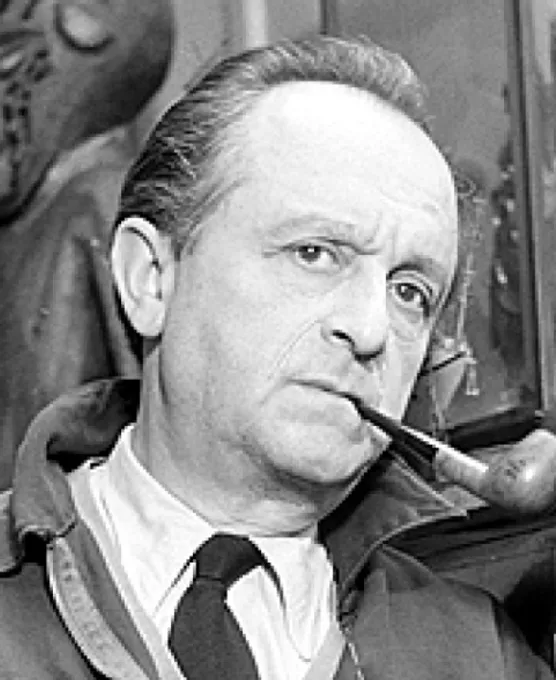
Born in Nancy France in 1892, and raised in an Art Nouveau environment, Paul Colin grew up. It was not until the 1920s that Art Deco influenced his career. Bold colors and sharp lines were things that Colin liked to work with when it came to creating posters that weren’t just eye-catching but also had energy and movement.
His big break was in 1925 when he created posters for La Revue Nègre, a musical showcase of Josephine Baker. Baker’s dazzling star drew African-American jazz and dance to Europe as part of the show. Colin quickly acquired the reputation of being able to take the excitement of these performances and translate it into art.
FUN FACT: Paul Colin wasn’t just an artist—he was also a teacher! He founded his own art school in Paris, where he taught future designers and poster artists how to master the bold, eye-catching techniques he was famous for.
His Career
Colin’s posters were everywhere all over Paris. He worked advertising theater shows, movies, and music events, but it was more than ads. Colin captured the soul of the Jazz Age: a vibrant color palette with modernist design.
Colin’s specialness was his contact with the cultural shifts around him. Colin was at the heart of Paris’ creativity in the 1920s, when Paris was itself a melting pot of creativity. Because of his friendship with Josephine Baker, he had a front-row seat to the rise of jazz, and the blending of African American and European cultures.
What Is Happening in Josephine Baker?
| Artist | Paul Colin |
| Date Created | 1925 |
| Medium | Lithograph on paper |
| Genre | Poster Art |
| Period | Art Deco |
| Dimensions | Varies by print |
| Series / Versions | Part of the Revue Nègre series |
| Where is it housed? | Various museums and collections |
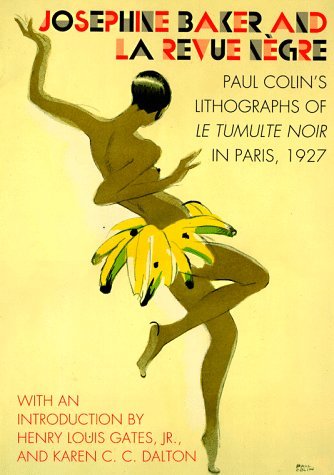
The Josephine Baker poster is ‘pure energy’. In its center appears Baker mid-dance in her banana skirt, alluded to as her famous skirt. She looks confident, smiling, and moving. Colin had her at her most dazzling, and he allowed us to see the joy and freedom she brought to her performances.
Baker is as alive as is the background. Yellows, reds, and blacks swirl and spill across the space, forming a rhythm that you almost hear. The sound of jazz is pictured with its unpredictable beats and lively tempo; its lines and curves resemble it.
It’s not just Baker in the picture, it’s a celebration of her spirit. You feel her energy, her movement, the excitement she brought to the Parisian audiences that saw her.
What’s So Special About Josephine Baker?
This isn’t just art, this is history. Josephine Baker was not just a performer, she was a symbol of change. Being Black, talented, and in the spotlight meant she placed another layer of racial barriers on the breaking table, as she challenged stereotypes, yet dazzled with her talent.
Colin understood her power. His art doesn’t just make Baker a dancer, he makes her a star. Her charisma and impact show with the bold colors, the dynamic pose, and the sense of movement.
The poster also evokes the atmosphere of 1920s Paris, a city where new ideas were accepted and diversity was appreciated. A reminder of a time when jazz, art, and culture were all coming together creating something revolutionary.
Interesting Facts About Josephine Baker
The Banana Skirt: Baker’s banana skirt, featured in the poster, became her signature look. While playful and cheeky, it also symbolizes her ability to take control of her image and challenge stereotypes.
Inspired by Jazz: The swirling shapes and bold colors in the background reflect the energy of jazz music, which was a huge part of Baker’s performances.
Rare Originals: Original lithographs of Josephine Baker are highly prized by collectors and museums. They’re considered some of Colin’s most iconic works.
A Series of Posters: This piece is part of a larger series Colin created for La Revue Nègre. Each one captures a different aspect of the show’s vibrancy and charm.
Parisian Influence: The artwork reflects the excitement of 1920s Paris, a city alive with creativity, nightlife, and cultural exchange.
Artwork Spotlight: The Donkey

The Donkey by Paul Colin is available on Singulart. This artwork shows his ability to explore softer, more reflective themes. His versatility ensured his art remained fresh and relevant across decades.
Are you looking for a piece of artwork from Paul Colin?
Singulart has limited edition prints of Paul Colin. If you are looking for a piece of Colin’s artwork for sale, simply click on the artwork or the button below to discover more!
FAQs
1. What was Paul Colin’s artistic style?
Paul Colin’s style was a bold Art Deco design but with lively, dynamic lines. Strong lines, bright colors, and striking patterns were used by him to capture the energy of the Jazz Age.
2. Why is Paul Colin so closely associated with Josephine Baker?
In 1925, Josephine Baker made her Paris debut in a poster designed by Paul Colin for La Revue Nègre. His artwork celebrated her talent and charisma and helped to cement her image as an icon of the 1920s.
Conclusion
Paul Colin’s Josephine Baker isn’t just art, it’s a time capsule. It takes us back to a moment when music, dance, and art were breaking boundaries and changing the world. Through his bold colors and dynamic design, Colin captured the energy of an era and the spirit of a star who lit up Paris.