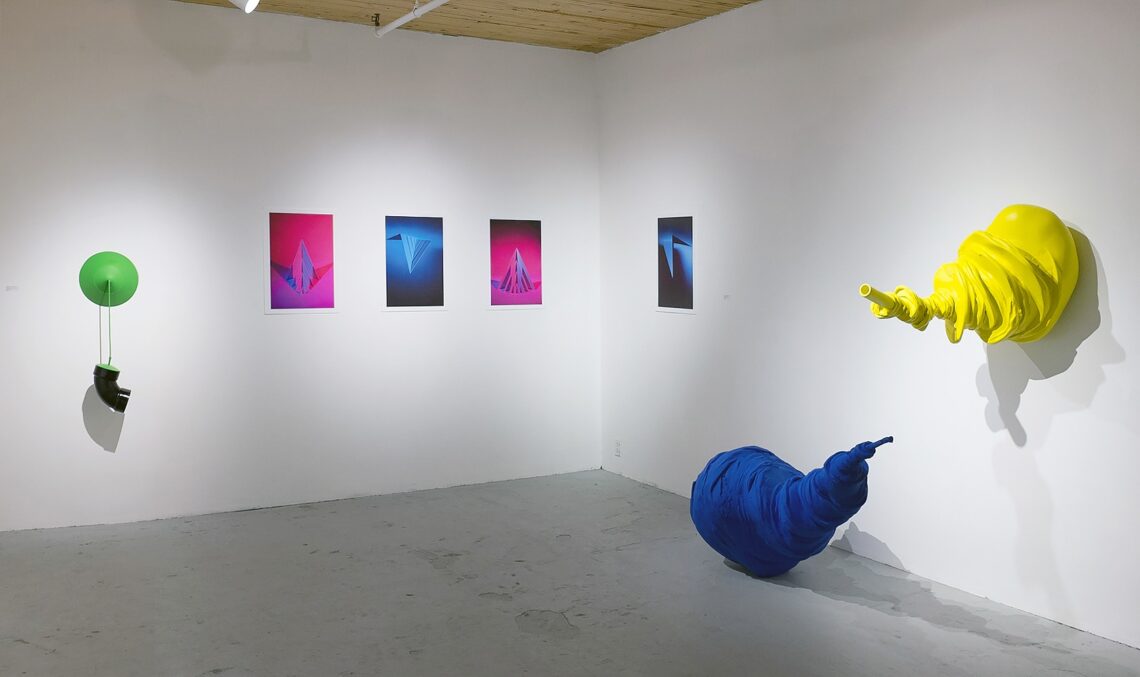
You’ve been creating some amazing art. Your friends see it, and your home becomes a compact gallery. Now you’re wondering—what’s next? What’s the one thing that stands in your way? The easy answer is to get your art into a gallery. It is that time when a hobby becomes a profession, and dreams turn to reality.
It can be intimidating to get your work onto a gallery wall. But it doesn’t have to be. Like you, many artists have begun their journey as curious, passionate, and not always sure. If you take the right approach and lay out a basic plan, getting your art into a gallery isn’t such an impossibility. Yes, it is absolutely within your reach.
▷ Expand Your Art Network with Singulart
Why Getting Into a Gallery Matters
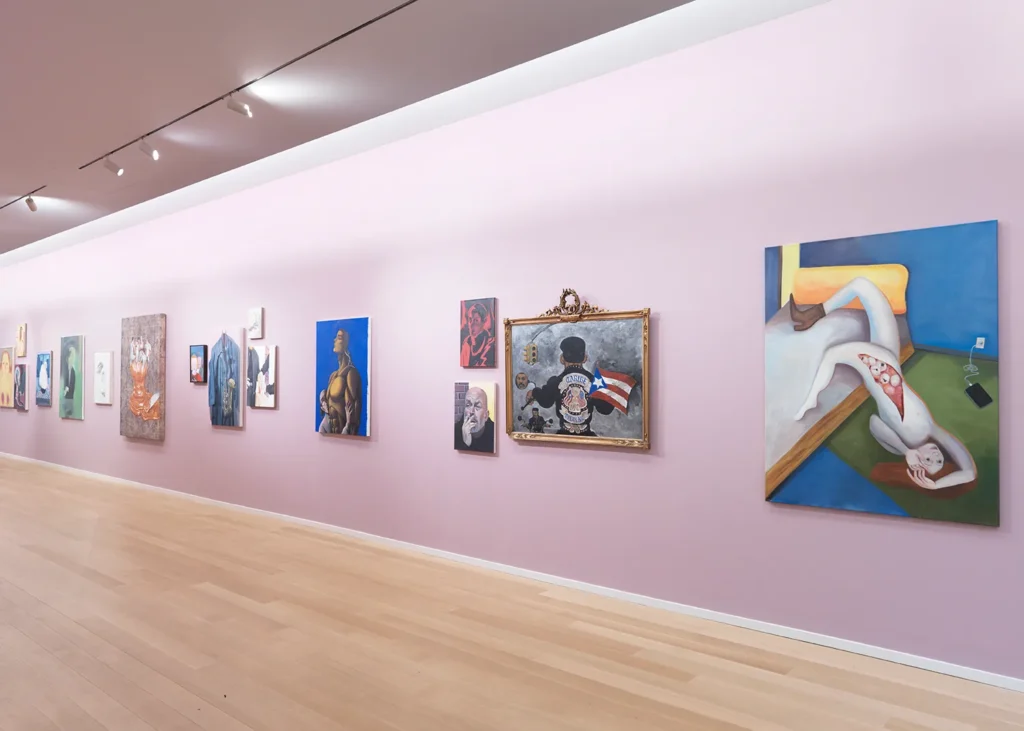
Galleries are more than just a pretty place to show your art. This builds your credibility and makes other people take you seriously. It can open new opportunities and bring you future sales. That’s a big step in growing your art career.
Also, it gives you a chance to become a professional. You will learn how to speak about your work, how to present your work, and most importantly, how to price your art appropriately. When your work is on those gallery walls, people see its value—and so will you.
Know Your Style First
Before anything else, create a clear set of your style. What kind of art do you make? What themes or colors show up again and again? Galleries want a unique voice, not just someone who does a bit of everything. You don’t have to be rigid, but be consistent.
Build a Strong Portfolio
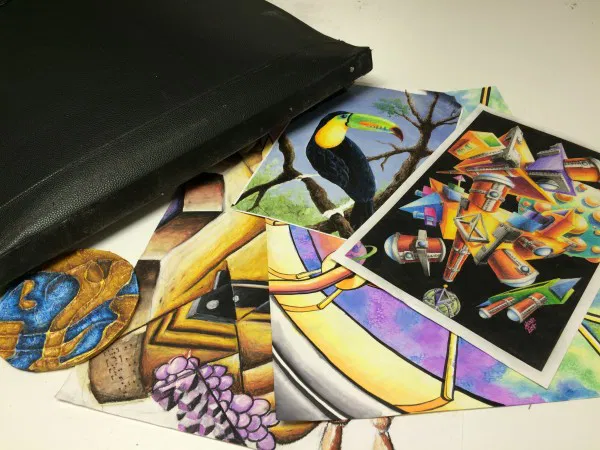
Your portfolio is like a business card. It should include your best pieces, your style, and your skill. Try to get around 8 to 15 of your artworks with good photos and good labels. They should include titles, sizes, mediums, and the year you created them.
This is how galleries will evaluate you when deciding if they want to work with you. So put real effort into it. They get to know what you are about from your portfolio. It must be clean, simple, and easy to read, etc. A well-made portfolio shows that you’re serious about your art.
Research the Right Galleries
Don’t send your work to all the galleries you come across on the internet. Do a bit of research instead. You can either visit the galleries themselves or look at their website. Ask yourself what kind of art they show. Does it fit your energy or your style? If not, it’s probably not the right fit.
Target galleries that already have artists like you. This way, your chances of being seen are increased. Additionally, it demonstrates that you are respecting the gallery’s identity. The first smart step for getting art into a gallery is to submit to the right gallery.
Visit Galleries in Person
This is a game-changer. Go to the gallery and attend their events, openings, and exhibitions. Meet people. Say hello. Be friendly and curious, but don’t pitch your art yet. Let them see your face more than once.
As soon as you finally reach out to submit your work, they will remember you. That could all make the difference. It’s easier for a gallerist to support someone they met than a stranger. It’s not about the emails, it’s about building relationships.
Follow Submission Guidelines
Each one has their own way of accepting work. Some do open calls. Others like emails or online forms. Some would only go with referrals. At all times, always check their guidelines before submitting anything. Follow whatever they ask for, and do exactly as they want.
If they request 10 images, don’t rub it in with 20. Include it if they want a CV or artist statement. Artists who pay attention to details are noticed by galleries. Respecting their process makes you look professional. And that’s exactly what they want to see.
Write a Simple Artist Statement
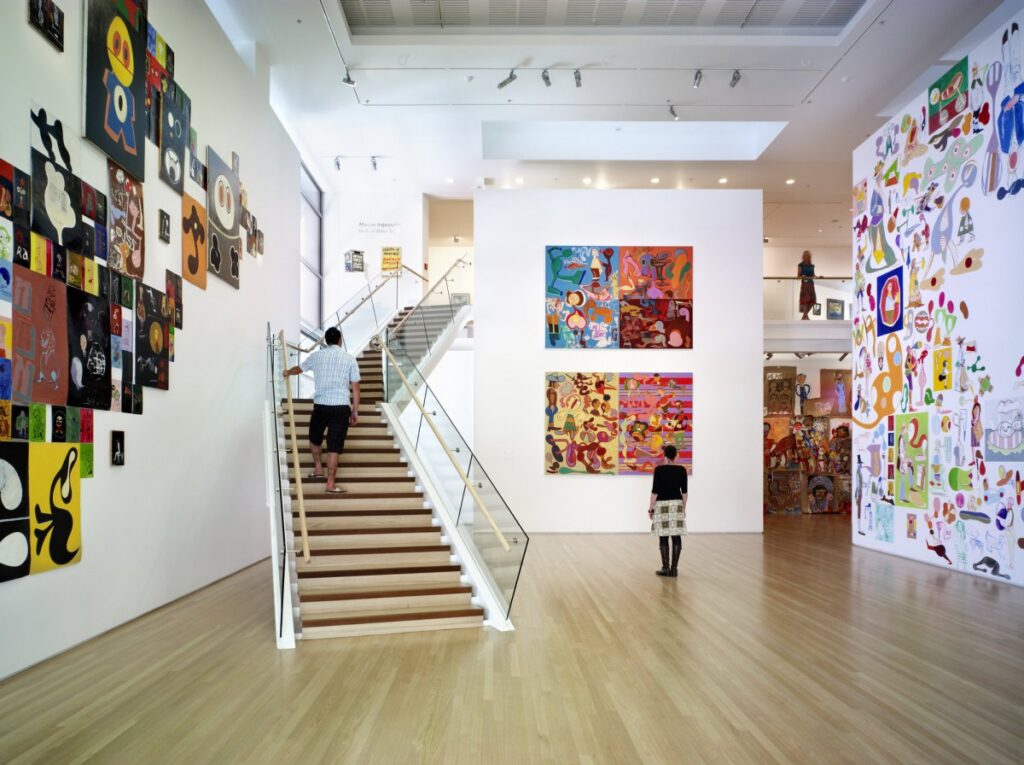
This is not supposed to be long or too complicated. Include a brief paragraph or two on your art. What do you make? Why do you make it? What’s your inspiration? Use clear and simple language. Don’t be fancy or deep, just be real.
An artist statement is a necessity as it explains to the gallery about your work. That gives it some depth into what they’re seeing. In addition, it also allows collectors to become emotionally connected. A genuine statement shows that you made your art and take it seriously.
Set Up a Website or Online Portfolio
Having a website increases your credibility by major points. It’s like your digital gallery. It must be easy to use. There is a homepage, gallery page, artist bio, as well as contact info. It serves to help galleries and collectors find you at any time.
You can even list your prices if you’re still working on how to price your art. Get an idea of what other artists charge to do that. Having a good online presence makes galleries comfortable dealing with you. It shows that you’re ready.
Act Like a Pro
Talent is only the beginning; you have to be professional to open wider doors. Always respond to emails on time. Use polite, clear, and respectful communication. If a gallery says no, thank them anyway. Don’t get discouraged, it’s part of the journey.
Many artists hear “no” so many times before they hear “yes.” Keep on doing what you do well and continue to improve your work. Every time you try, you become better. It only gets you closer to realizing how to put your art into a gallery.
Use Social Media to Your Advantage
Instagram is a wonderful medium for artists. Post your work regularly. Show work in progress, show finished pieces, and show behind the scenes. If you are using hashtags such as #artistsoninstagram or #artgallerysubmission, then you will reach more people.
Sometimes, the galleries even discover artists via social media. It’s also a good place to meet up with fans, collectors, and other creatives. As you progress, your online presence can become quite an important part of your success story.
Learn How to Price Your Art
Pricing your art doesn’t need to be daunting. First, come up with what the same artist charges. Compare size, medium, and experience. That gives you a ballpark range. Now, factor in your material costs, your time, and accordingly your desired profit.
Pricing by size may be as simple as $1.50 a square inch. So a 16×20 piece might be $480. What one needs to do is to stay consistent. Knowing how to price your art properly makes you more confident. And so do your buyers.
Try Group Shows First
You do not need to begin with a solo show. Fact is, group shows are a good way to start. They’re less pressure and often more welcoming for new artists. You get in the door, and you get to learn something.
Group shows also facilitate meeting other artists and gallery owners. One show can lead to another. However, as you go, you establish your reputation until you get hyped to accept solo opportunities.
Stay Active in the Art Community
Join local art groups. Visit exhibitions. Volunteer at events. The more people you know, the more likely you are that someone will connect you. People you meet provide opportunities, not just the people you email.
Being part of the community is also inspirational. You will come across and discover what others are doing. Galleries also like active artists. It shows passion and commitment.
Grow Your Art Career with Singulart
Want to share your art with a global audience? Singulart makes it easy for artists to connect with collectors around the world. It’s a powerful platform that increases your visibility and unlocks exciting new opportunities. Whether you’re a rising talent or a seasoned pro, Singulart is here to support your journey and help your art reach farther.
Believe in Yourself
Putting your art out there is scary. But your voice matters. Your art has something special that no one else can offer. Every artist starts somewhere.
Stay consistent. Stay kind. Keep improving your work. And don’t stop showing up. If you’ve ever asked yourself how to get your art into a gallery, know this: the answer is inside you. All you have to do is begin.