Entering an art fair feels like entering a competitive place. Artists from all over the world apply and hope to display their work. However, this is just the first step towards being accepted. What makes the experience successful is standing out in the crowd.
So, how do you get in and make an impact? Let’s break it down step by step.
▷ Expand Your Art Network with Singulart
1. Find the Right Art Fair
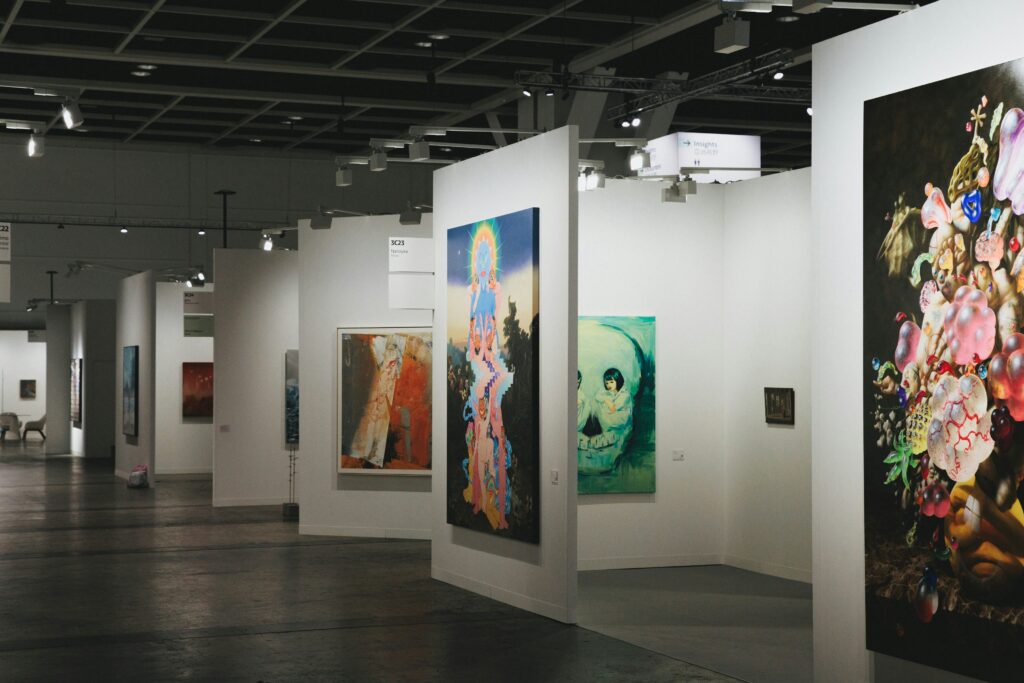
No art fair is the same. Some are focused on recently emerging names, while others are focused on well-established names. Search for different fairs and see where your artworks make sense. Consider past exhibitors, the audience, and what the fair’s reputation is.
A good place to begin is at local fairs. Their entry fees are lower, and you can get some experience. On the other hand, international fairs have the possibility of earning more, but they also involve more capital.
Look at the theme of each fair. Choosing the right fair can greatly help to increase your chances of being accepted to an exhibition and to attract the correct buyers to your items.
Comparison of Local and International Art Fairs
| Feature | Local Art Fairs | International Art Fairs |
| Entry Fees | Lower | Higher |
| Audience Size | Smaller, local buyers | Larger, global collectors |
| Exposure | Limited reach | Global recognition |
| Investment Needed | Lower | Higher (travel, shipping) |
| Competition Level | Moderate | High |
| Networking Opportunities | Local artists and galleries | Global art professionals |
2. Prepare a Strong Application
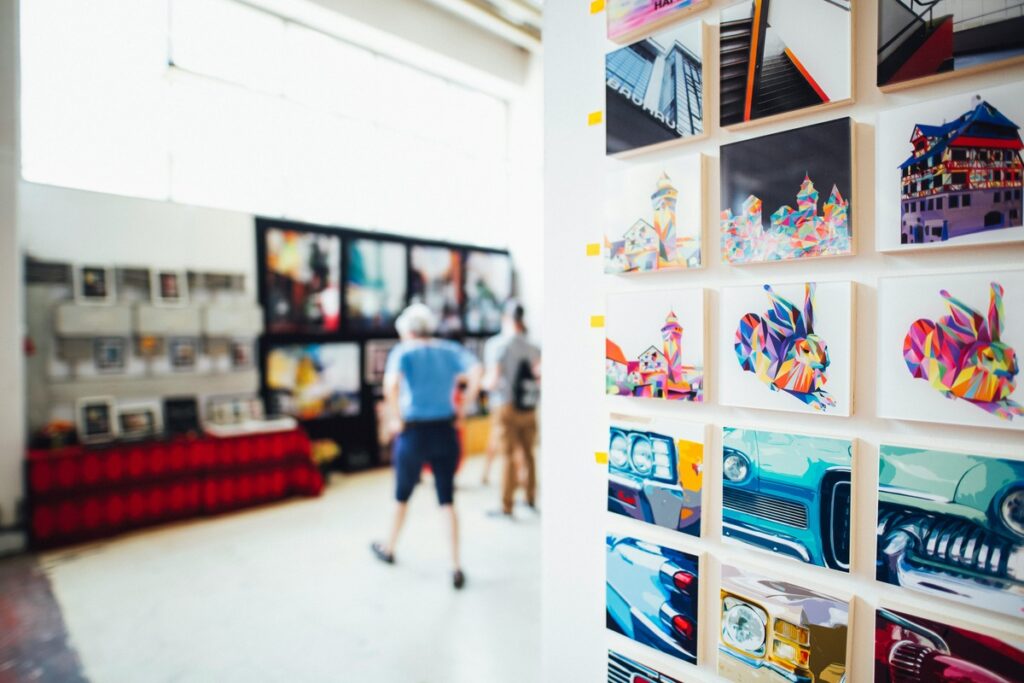
Your application is your ticket in. Curators and organizers review hundreds, even thousands, of submissions. Concentrate on quality to make yours stand out.
Select your best pieces. They should reflect your particular style and artistic voice. Submit a small number of pieces, and do not submit too many pieces, effectively on a curated, cohesive list of projects. A strong portfolio talks about you as an artist.
Write a compelling artist statement. Keep it simple and clear. Explain it in such a way that it connects with people. Don’t exaggerate and don’t use complex art jargon, write in a simple line, and say what inspires you and what results you want to achieve.
Follow all guidelines carefully. Stay within the size or format of the fair if it has specific size or format requirements. However, even if your art is great, rejection can still happen if you fail to provide missing details.
Consider investing in professional photography. The high quality of images of your artwork can hugely impact how your portfolio will be viewed. Blurry or low-light photos will hurt your chances of being selected.
3. Make a Stunning Booth Display
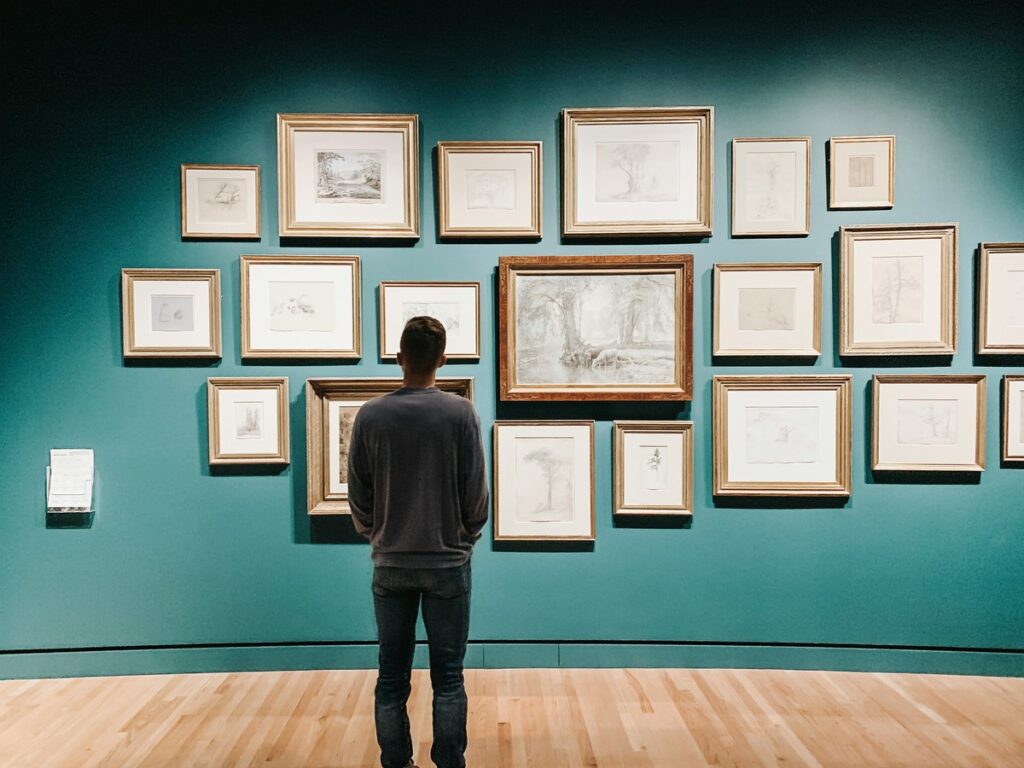
The real challenge starts once you’re in. The booth can make or break a job. What you are going for is to make a space that welcomes people.
Your display must remain tidy. Don’t mistake the space with too many artworks. Make sure every piece has enough breathing space for the visitors to see it first.
Use good lighting. With proper lighting, your artwork can be enhanced to make colors pop. Make sure the light is not harsh or too dim to see the details.
Think about branding. Your booth should tell people who you are as an artist. Make use of the same colors, signage, and presentation style. Make sure there is a banner or sign with your name and your social media handles so people can find you later.
Create an interactive experience. Try to have a small demo area, to let your visitors see you work on a piece. You can attract a crowd and develop their interest by live painting or sketching.
4. Engage with Visitors
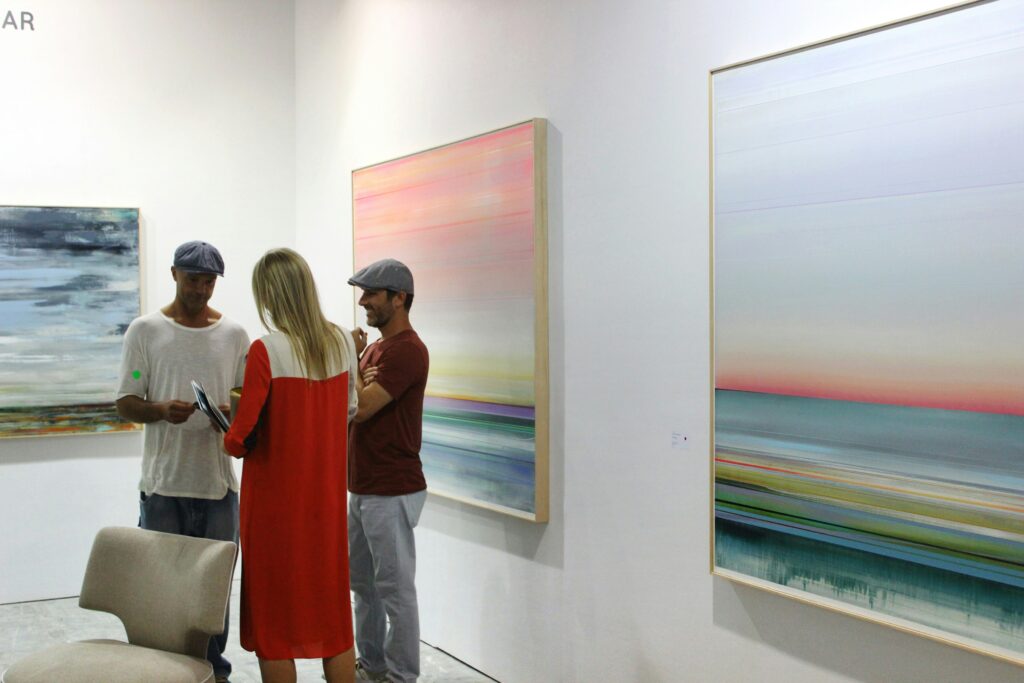
Do not stand behind your table. Interact with people. Approach them with a smile, and start to talk about your art with them. They love hearing the story about each piece.
Be ready to answer questions. Visitors may ask you how you came up with the idea, how you created the technique, or your pricing. Be confident but don’t sound too planned. Avoid sounding too rehearsed.
Offer small takeaway items. Your art can be on business cards, postcards, or even stickers, and that will remain in people’s minds. You can also stay connected by adding a QR code linking to your website or Instagram.
Consider creating a mailing list. Offer visitors a sign-up sheet so that they’ve got an email where you can send updates about your work. It helps in the creation of long-term relationships.
5. Price Your Art Wisely
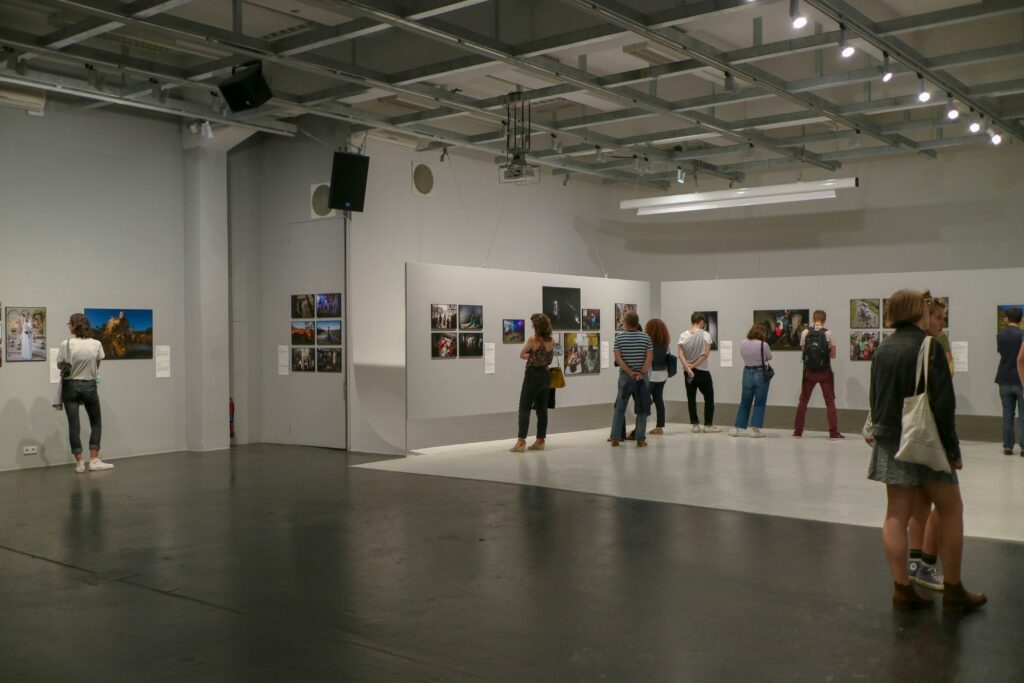
Pricing can be tricky. Make sure the set prices can still be reasonable to your audience as well as fair regarding your skill and effort. Higher prices may work if you’re at a fair that attracts collectors. For a local fair with casual buyers, inexpensive options will likely do better.
Offer a range of prices. Have originals but also smaller prints or merchandise in various budgets. This way, the people will take something home.
Also, be sure to show clear pricing. Potential buyers may be put off by unclear or missing price tags, which they may feel uncomfortable asking about.
▷ Learn more about pricing your art
6. Promote Yourself Before and During the Fair
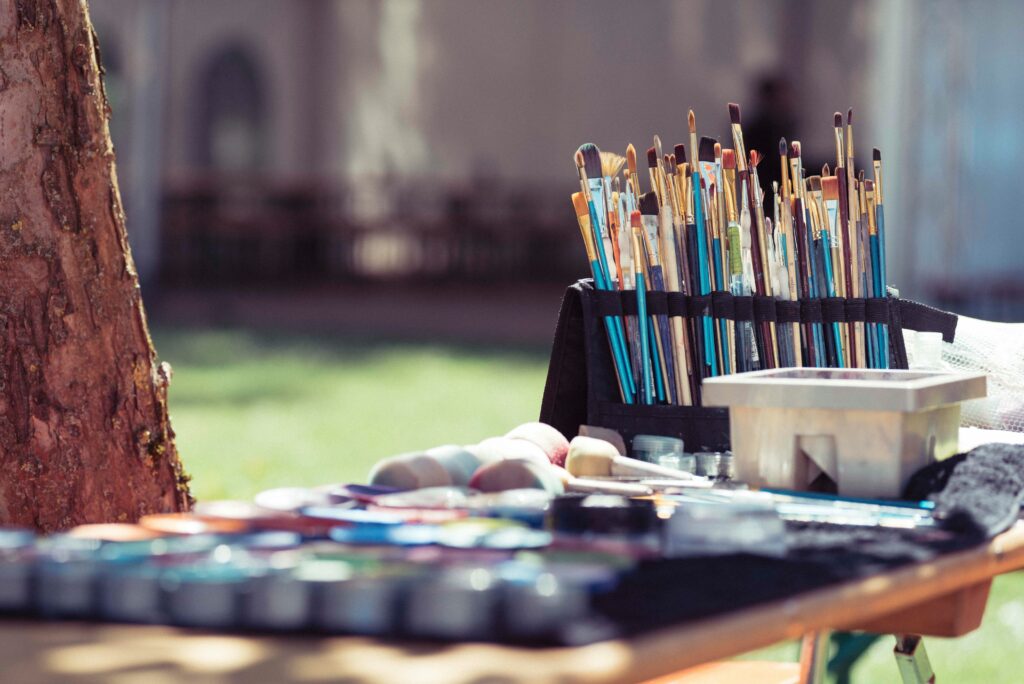
Do not wait for somebody to discover you. Educate people about your participation before the fair starts. Announce your booth location on social media, share sneak peeks, and invite people to visit.
During the fair, post live updates. Use the content as an effective method of sharing photos and videos of your booth, your art with visitors, and behind the scenes. In the hashtags, also use fair-related hashtags to reach a wider audience.
Create a short promotional video. A simple tour of your booth or a time lapse of your setup will create more visitors to your stand.
7. Network with Fellow Artists and Buyers
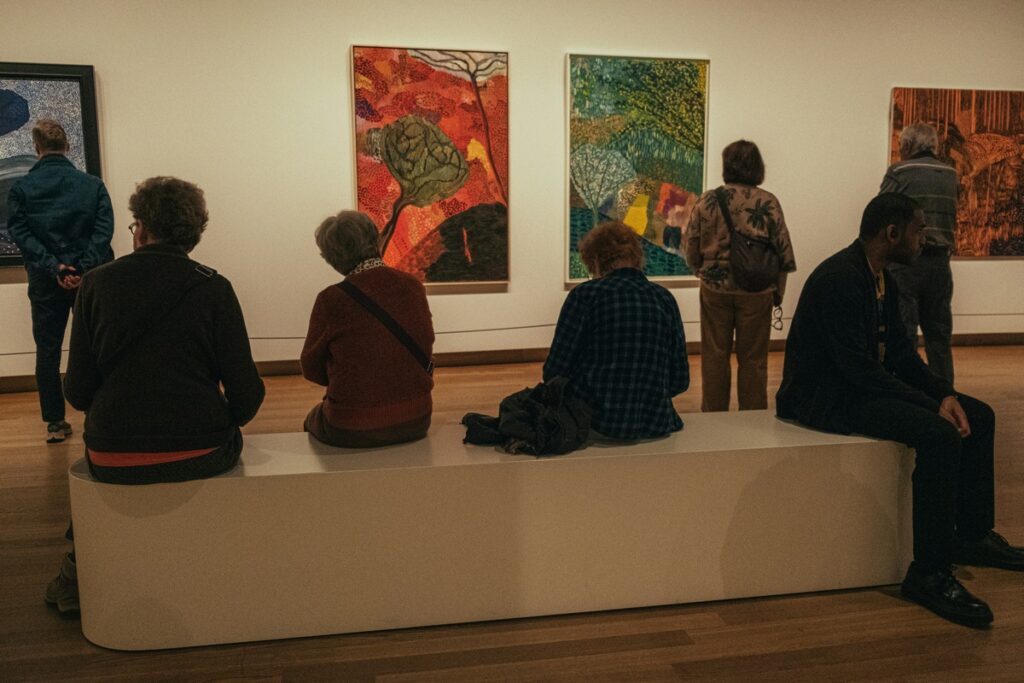
Building a connection at an art fair is more than just selling. Make contact with other artists, gallerists, and collectors. You do not know when a conversation can open a door for a future opportunity.
Be open to collaborations. Working on projects with many artists helps get their exposure. Stay in touch with the people you meet after the fair.
Go to the fair if there are networking events. These gatherings are a way for you to meet industry professionals who could push your doors wider.
8. Follow Up After the Fair

The fair is not over when you go home. Contact the people who were interested in what you do. However, you should also send a thank-you email to those who purchased something.
Post a recap on social media. The experience of creating your series on the Internet, a favorite moment, and any projects you are working on now. Keep the momentum going.
Consider offering a special discount for people who visit your booth. Potential buyers could be encouraged to make a purchase after the event by offering them a limited-time offer.
9. Learn and Improve for the Next Fair

The art fair is a learning experience. Make notes as to what was great and what was not so great. Did some pieces pull harder? Was your pricing strategy effective? This information can be used to modify your approach for future events.
Ask for feedback. Try to communicate with visitors and ask them what they like and what they dislike. Honest opinions help to grow.
Stay consistent. There is no overnight success at art fairs. Persist in applying, amending, and promoting your work. With time, your presence will get stronger and you will be recognised by the art community.
10. Create a Memorable Experience

The selling of art is not your only job, but you should make your booth a good place to hang out. It can offer stories, interactive elements, or even a short activity that leaves a mark.
Showcase Your Talent with Singulart
Looking for a way to share your art with a global audience? Singulart provides artists with a powerful platform to display their work, attract collectors, and make meaningful sales. Whether you’re an emerging artist or an established name, Singulart helps you reach the right collectors and expand your artistic influence worldwide.
Conclusion
Preparing, being creative, and being confident are what it takes to get into an art fair and to stand out. Select the appropriate fair, orient toward your work professionally, and converse with your visitors. Promote yourself before, during, and after the event.
Most importantly, enjoy the process. The art fairs are a wonderful occasion to show your talents to the world, meet new people, and discover a new experience as an artist.