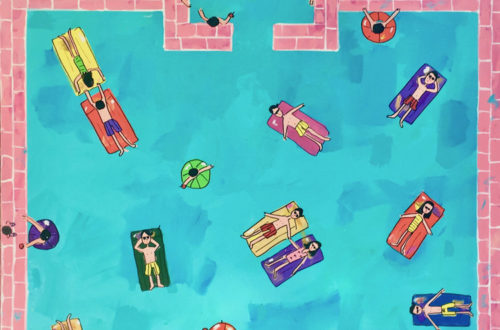
Singulart collaborates with art-world professionals across the globe, offering a platform where online discovery can lead to real-life opportunities. Through Gallery Connect, our partner curators and galleries discover artworks, build selections, and engage directly with artists—which can lead to projects that take shape beyond the digital realm.
This was the case for Italian curator and art critic Rita Cerciello, who discovered Singulart artist Marisa Milan through Gallery Connect and invited her to participate in her latest exhibition in Rome. We sat down with Rita to discuss her professional background, her curatorial approach, and the inspiring exhibition she recently brought to life.
Can you tell us about your professional background and experience as a curator?
I am an art curator and art critic with a background rooted in the humanities and shaped through international experience between Europe and the Middle East. I hold a degree in Foreign Languages and Literatures with a specialization in Art History from the University of Naples “L’Orientale,” and subsequently completed a Master’s in Art Curating at the Sotheby’s Institute of Art in New York.
Having lived many years in Dubai, with additional professional experience in Riyadh, I developed a refined cross-cultural sensibility that continues to inform my curatorial approach. During this period, I engaged with the city’s evolving art scene, including participation in Dubai Art Week.
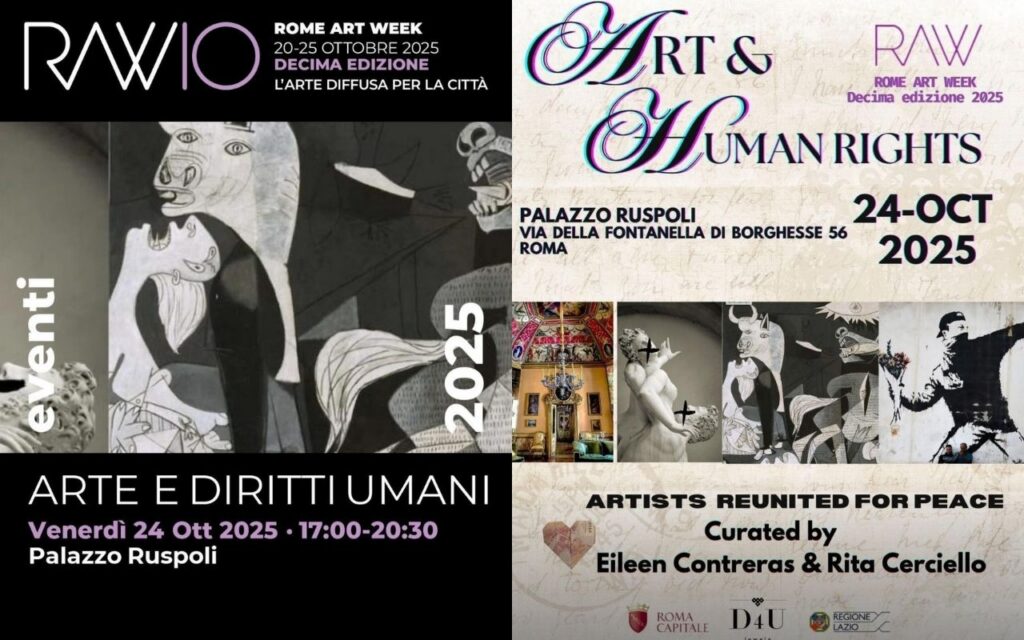
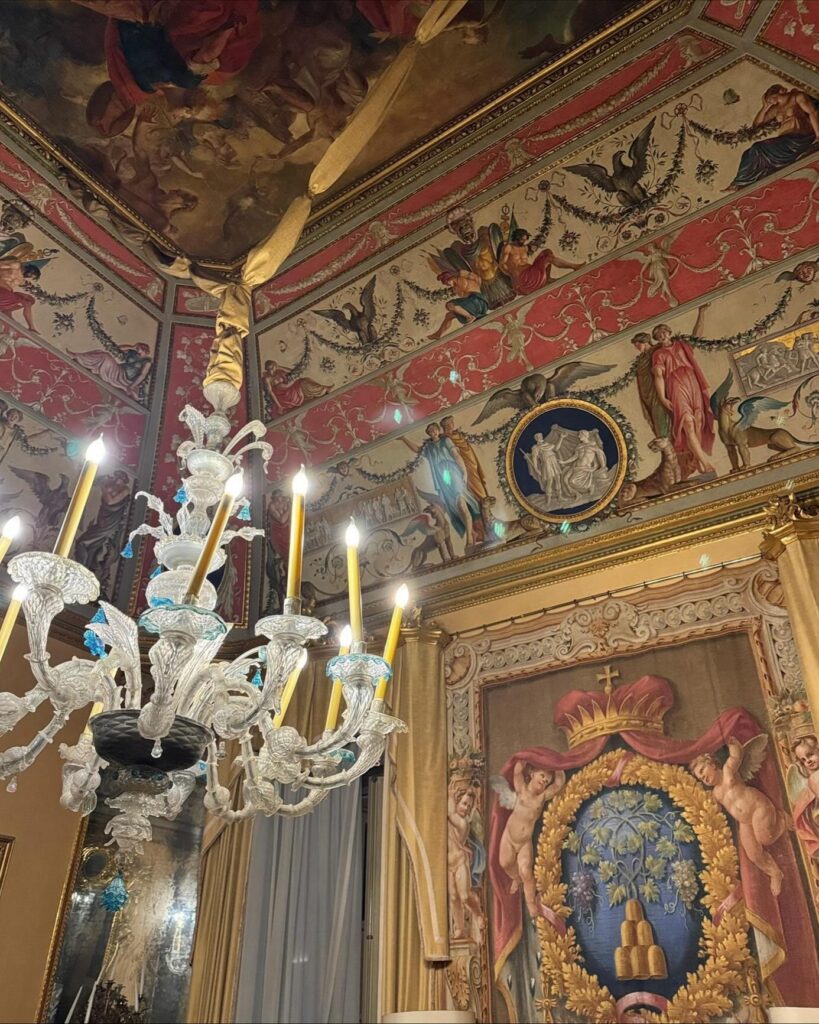
As a freelance curator, I have collaborated with various international galleries and cultural institutions, curating exhibitions in Italy as well as abroad. My recent work includes curatorial roles within the Biennale Internazionale d’Arte della Riviera Romana and Rome Art Week, where I curated Art & Human Rights – Artists United for Peace at Palazzo Ruspoli.
How would you describe your curatorial philosophy?
My curatorial philosophy is grounded in the belief that art is both knowledge and freedom. From this perspective, art, through its intrinsic capacity for beauty, reveals itself as an intellectual and ethical dimension—a space where reflection and sensitivity meet.
I see curating as an act of interpretation and care, a way of creating meaningful encounters between artworks, historical context, and the viewer. I am particularly drawn to artists who explore themes of identity, memory, transformation, and the poetic dimension of the human condition.
My aim is to develop exhibitions that are both historically informed and emotionally resonant, allowing the viewer to experience each artwork as an encounter, a threshold, and a moment of clarity.
What drew you to collaborate with Singulart, and how does this partnership complement your evolving curatorial practice?
My collaboration with Singulart, which began in September 2024, reflects a shared commitment to amplifying diverse artistic voices through an international and accessible platform. Within Singulart, I develop curated selections and critical texts that address themes such as cross-cultural identity, poetic abstraction, and the human narrative within contemporary art. This collaboration allows me to bring depth, sensitivity, and contextual analysis to the artistic practices highlighted by the platform.
How did you first encounter Singulart artist Marisa Milan, and what made her work a meaningful addition to your exhibition?
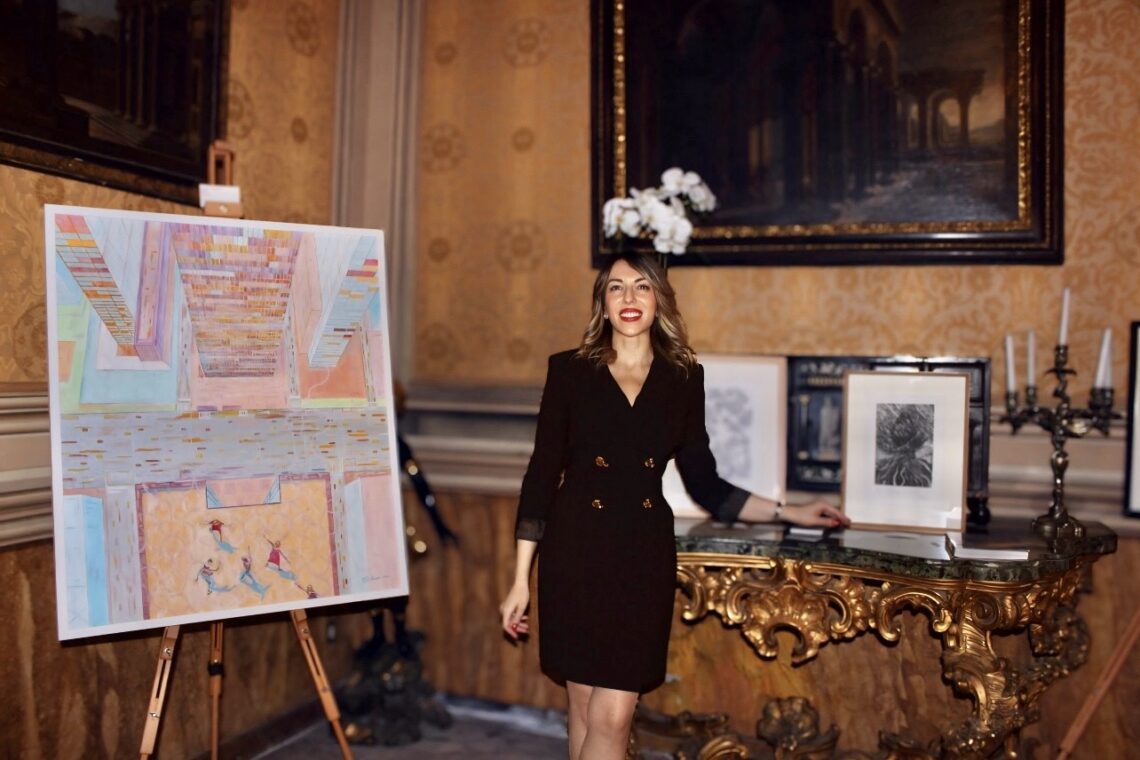
My collaboration with Marisa Milan developed through Gallery Connect, where her work immediately resonated with my interest in symbolism and metamorphosis. Her piece L’Araba Fenice 2 embodies themes of rebirth, resilience, and inner transformation, concepts that align closely with my curatorial interests. Including her work in the Art & Human Rights – Artists United for Peace exhibition was a natural continuation of our shared belief that art can serve as a space for emotional elevation and reflection.
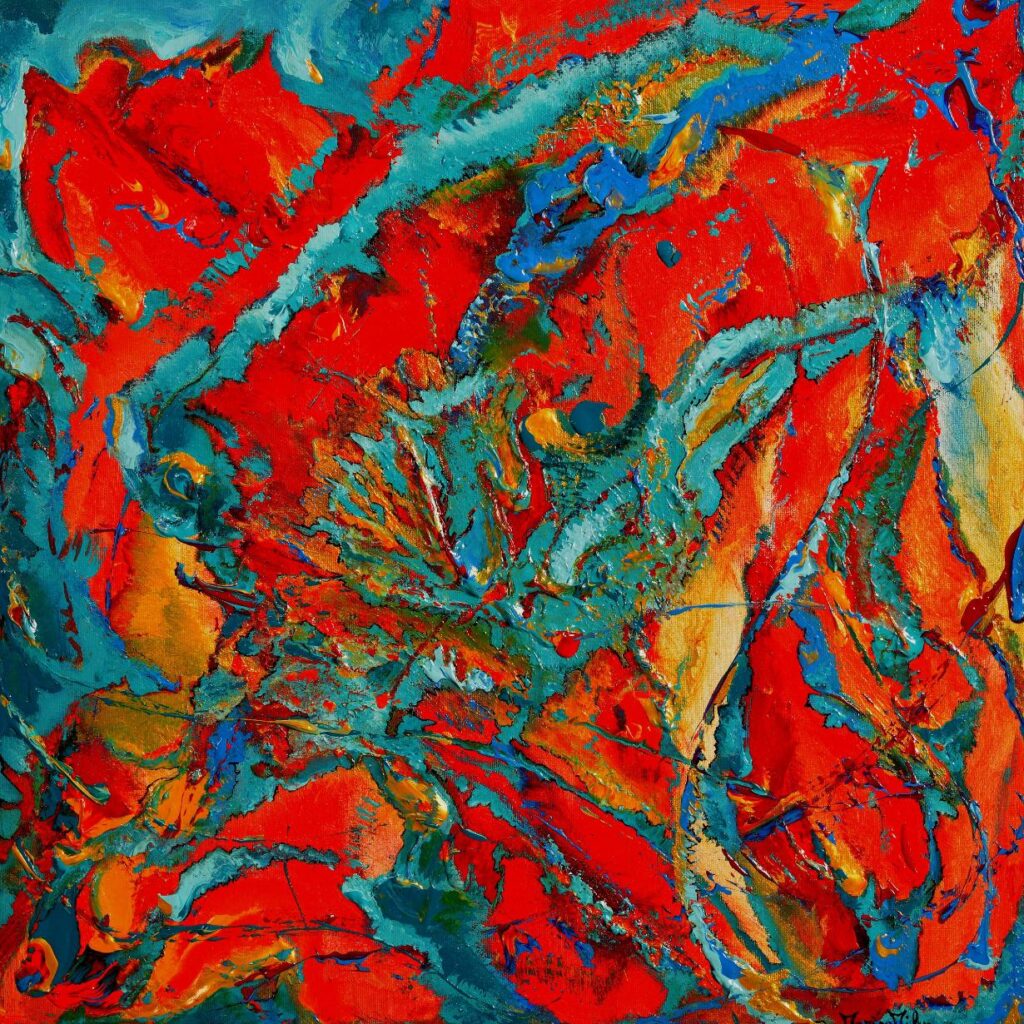
What inspired the concept for Art & Human Rights – Artists United for Peace, and how did you shape the exhibition’s narrative?
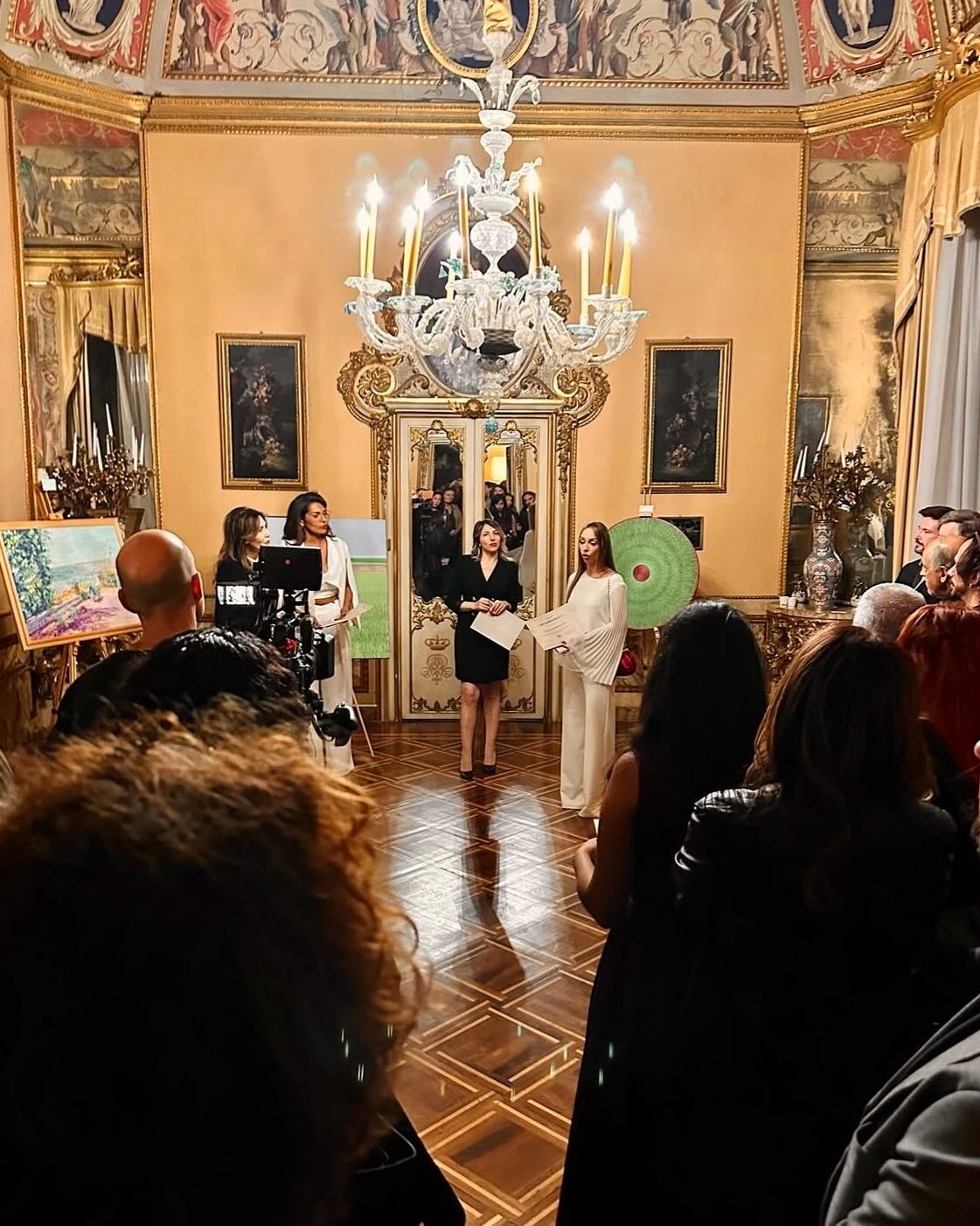
The exhibition was conceived as a reflection on peace, dignity, and shared humanity, expressed through contemporary artistic language.
Presented at Palazzo Ruspoli during Rome Art Week 2025, it brought together artists exploring themes such as migration, memory, transformation, and the fragile yet luminous strength of the human spirit.
The intention was to underscore that art is not solely an aesthetic expression, but also a testimony—a place where the invisible becomes visible, where silence becomes voice, and where beauty becomes awareness.
Rita Cerciello discusses Marisa Milan’s contribution to the exhibition:
How would you define the broader role of curators within today’s art world?
Curators play an essential role in shaping the cultural ecosystem. Beyond mediation, they act as interpreters, researchers, and custodians of meaning. Supporting emerging artists involves recognizing the uniqueness of their vision, contextualizing their work within broader historical and contemporary narratives, and offering opportunities for visibility and dialogue.
I believe that a curator must be both a listener and a guide—someone who protects complexity, cultivates intellectual depth, and embraces the transformative power of beauty. In an increasingly accelerated world, curation becomes a necessary act of preserving the time, thought, and humanity that artistic creation requires.
Dive deeper into Rita’s curatorial universe by exploring some of her selections on Singulart:
Surrealism Voices
Apparitions from Elsewhere – “A Cartography of the Interior”
The Earth Remembers You

Chief Curator at Singulart. Formerly at the Hirshhorn Museum (Smithsonian Institution) and the Whitney Museum of American Art. Holds a BA in Art History and English from the University of Maryland and an MA in Contemporary Art History from la Sorbonne. Based in Paris, she is also a freelance art writer, researcher and French/English translator working with galleries, collectors and digital publications