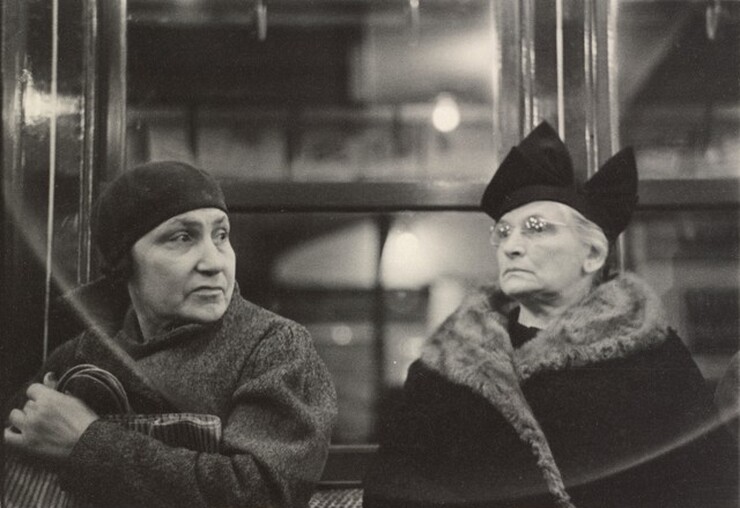
Inside the busy New York City subway system, a set of pictures by Walker Evans reappears as an ages-old portrayal of people meandering through the urban labyrinth of the everyday world. In his late 1930s series The Subway Portrait Series, Evans captures the raw essence of urban living by way of candid streets snapshots of people riding the subway. Let’s enter the sphere of this well-known series and get into the story of the 20th century’s most famous photographer.
Who was Walker Evans?
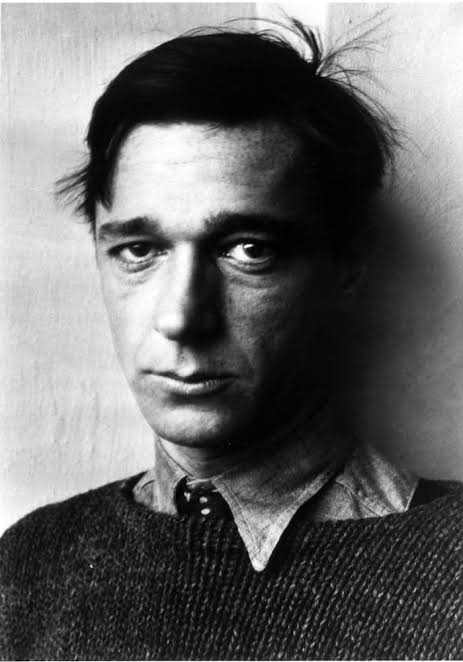
Walker Evans, an American photographer born in 1903, was known as a trailblazer in documentary photography. Evans, widely known for his stark and evocative photos of American life during the Great Depression, managed to simply capture not only individuals but also their environment with unmatched depth and authenticity. His work had a tremendous impact on the evolution of photography, and to this day he is considered among the most influential photographers of the 20th century.
FUN FACT: Despite his fame as a photographer, Walker Evans was also a skilled writer. He worked as a writer for a short time before fully committing to photography.
His Career
Evans’ career was marked by many years and covered a great number of topics from the urban street scenes to the rural countryside. He became well known for his work during the 1930s when he wrote the defining piece with James Agee called “Let Us Now Praise Famous Men”. This piece documented the lives of tenant farmers in the American South, revealing shocking poverty and injustice during the Great Depression.
Evans’ keen eye for detail, as well as for the human experience in all its complexity, distinguish him as a peerless artist of his craft. During his entire career, he stuck to his idea that photography was a tool for social comment.
What is Happening in Subway Portrait Series?

| Artist | Walker Evans |
| Date Created | Late 1930s |
| Medium | Photography |
| Genre | Documentary Photography |
| Period | 20th Century |
| Dimensions | Various |
| Series / Versions | N/A |
| Where is it housed? | Various museums and private collections |
The Subway Portrait Series of Walker Evans consists of photographs of people in subways. He manages to do this stealthily such that they do not see him. His pictures demonstrate all the types of people, such as exhausted employees and exited children. Every snapshot is about the people within the frame. Their feelings can be perceived simply by looking at the images.
The point of Evans’ photos is they let you imagine you are in the subway with the people he captured. You can take a glimpse of their face and try to figure out what they mean and feel. It’s like wearing their shoes for a while.
What’s So Special about Subway Portrait Series?
The Subway Portrait Series is not only about taking pictures; this is about narrating stories. He wants us to experience what life is like for the people in the subway. He demonstrates that even at the subway, which can be the most crowded and busy place, we can still find those moments of beauty and connection to share.
Interesting Facts about the Subway Portrait Series
Secretive Photography: Evans often concealed his camera while taking photographs in the subway, using a hidden lens to capture his subjects without their knowledge. This allowed him to capture authentic moments without the self-consciousness that often accompanies posed portraits.
Ordinary People, Extraordinary Stories: Despite the seemingly mundane subject matter, Evans’s photographs are imbued with a sense of mystery and intrigue. Each image tells a unique story, inviting viewers to speculate about the lives of the individuals depicted within the frame.
Influence on Street Photography: The Subway Portrait Series is considered a seminal work in the genre of street photography, influencing generations of photographers who seek to capture the essence of urban life. Evans’s use of light, shadow, and composition set a standard for documentary photography that continues to resonate to this day.
Frequently Asked Questions
What was Walker Evans known for?
Even more than a photographer, Walker Evans (1903-1975) was a chronicler of his time. Through his iconic shots, captured particularly during the Great Depression, Evans left an indelible mark on American social, cultural, and artistic history.
What inspired Walker Evans to become a photographer?
After a year in Paris, Evans came back to New York City where he worked as a secretary for a Wall Street firm and made friends with various writers and artists, including the poet Hart Crane. In the late 1920s, he developed an interest in photography after being influenced by Frenchman Eugène Atget’s documentary style.
Conclusion
Subway Portrait Series of Walker Evans is evidence of the influence that photography could have in portraying humanity. In Evans’s candid photographs of subway passengers, he tells us to find a solution to uncertainty in city life and find the common values that connect every one of us. During our exploration of the subway’s subterranean realm, we get in touch with the wonderful and abundant life around us which is hidden right in the middle of the busy city.