The competitive art market requires that the artists maintain a distinctive brand identity in order to stand out, capture the attention, and further their development. No matter what kind of an artist you are: a painter, sculptor, photographer, or something else, branding can be instrumental in building and maintaining a relationship with your target audience and, ultimately, in promoting your success. In this article, we’re going to go through the whole of the art of building a brand, from defining your voice to employing various marketing tools. Let’s discover the techniques of branding yourself as an artist.
1. Define Your Artistic Identity
At the foundation of every artist brand that is successful, there is a clear and compelling artistic identity. Spend time thinking about what makes you unique as a creative person, your inspirations, and your values so that you can develop your distinctive artistic voice that stands out from others. Envision the themes, styles, and techniques that characterize your work and how you want your audience to perceive you. The artistic identity that you will set up will be the starting point of your brand-building process.
2. Come up with a Consistent Visual Identity

Visual components are indeed extremely important for the branding and the expression of your artistic idea. Have a uniform and consistent visual identity that shows your artistic style and persona through your logo, color palette, typography, and images. Through consistency in your design, you build brand awareness, trust, and familiarity among your prospects.
3. Develop Your Online Presence
In today’s digital age, your online presence happens to be your virtual gallery that allows you to exhibit your artwork to a global audience. Set up a professional website where you display your portfolio, biography, shows, and contacts. Also, take advantage of social media channels like Instagram, Facebook, and Twitter where you can exhibit your work, interact with your followers, and create a supportive environment around your art. Regularly and truthfully posting on social media helps to humanize your brand and connect it with the audience in a personal way.
4. Develop Compelling Brand Messaging

Building engaging brand messages is a sweet essential part of portraying your artistic concept and values to your audience. Craft your unique artist statement that encompasses all these things – who you are, what you do, and why it’s worth your time and investment. Let your speech be not only your audience friendly but also passionate and emotional. And, explain how much effort and dedication it is to create this piece of art. The unified style of your brand messaging is meant to deal with any inconsistencies across all channels and at the same time reinforce your identity and your message.
5. Engage with Your Audience
Developing a strong connection with your audience is the key to establishing brand loyalty and generating web traffic. Actively engage with your followers by replying to messages, comments, and queries in a timely and genuine manner. Host Q&A sessions, live demonstrations, and behind-the-scenes glimpses of your creative process to offer your audience a closer connection with your workflow and personality.
6. Collaborate with Like-Minded Partners
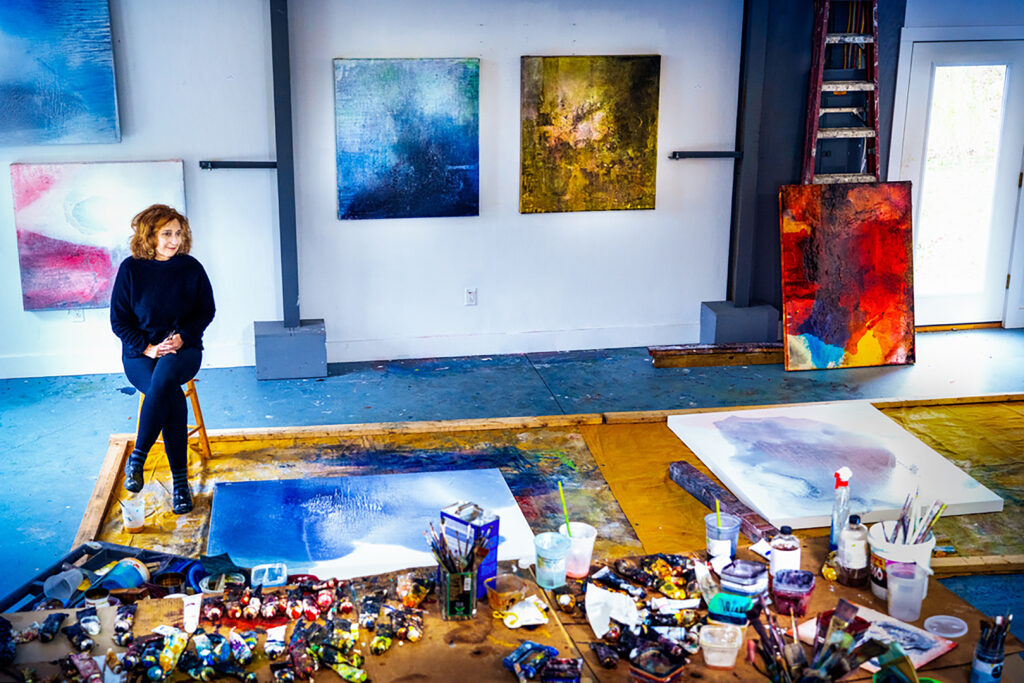
Working together with same-purpose partners can help expand your brand’s visibility and reliability. Search out for partnerships with other like-minded artists, galleries, brands, and influencers whose vision connects with yours. Whether it’s hosting an exhibition together, doing a joint project, or partnering on a marketing campaign, collaborations can give you access to new audiences and create win-win situations for your growth.
7. Seek Opportunities for Exposure and Recognition
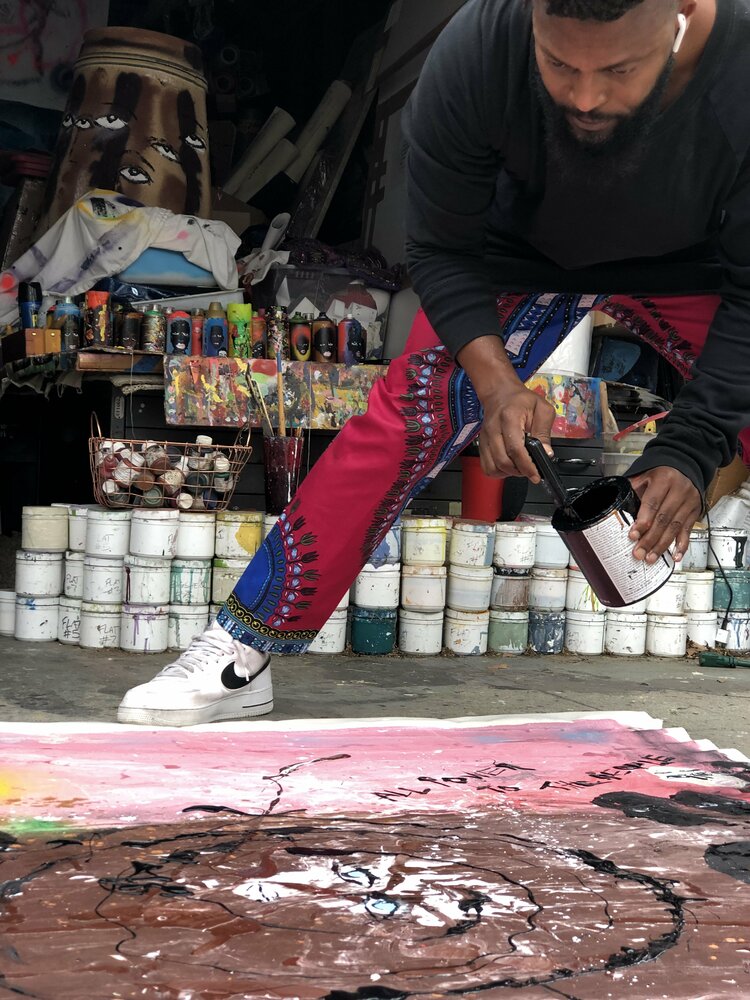
Constantly working to identify and take advantage of opportunities for exposure and recognition is a key component of a successful artist’s career. Participate in juried showcases, fairs, and competitions to demonstrate your talent and build a following in the art world. Seek media coverage and feature articles in art publications, blogs, and media outlets to boost visibility and improve prestige. Consider also applying for artist residencies, grants, and fellowships to enable your professional growth and gain recognition for your art.
8. Offer Exceptional Customer Experience
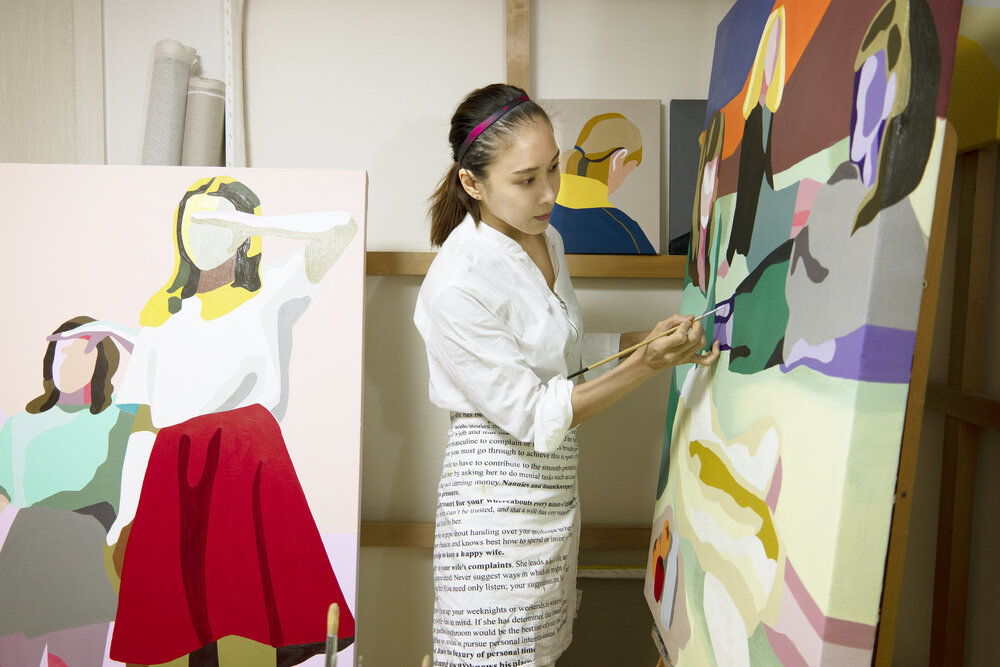
Top-notch customer experience translates to a good reputation and a loyal base of collectors and patrons. Make sure that your audience receives professionalism, courtesy, and attention to detail in all interactions from inquiries and sales to shipping and after-sales support. Give your customers the convenience of buying your artwork with multiple modes of payment, clear prices, and hassle-free shipping and return options.
9. Continuously Evolve and Adapt
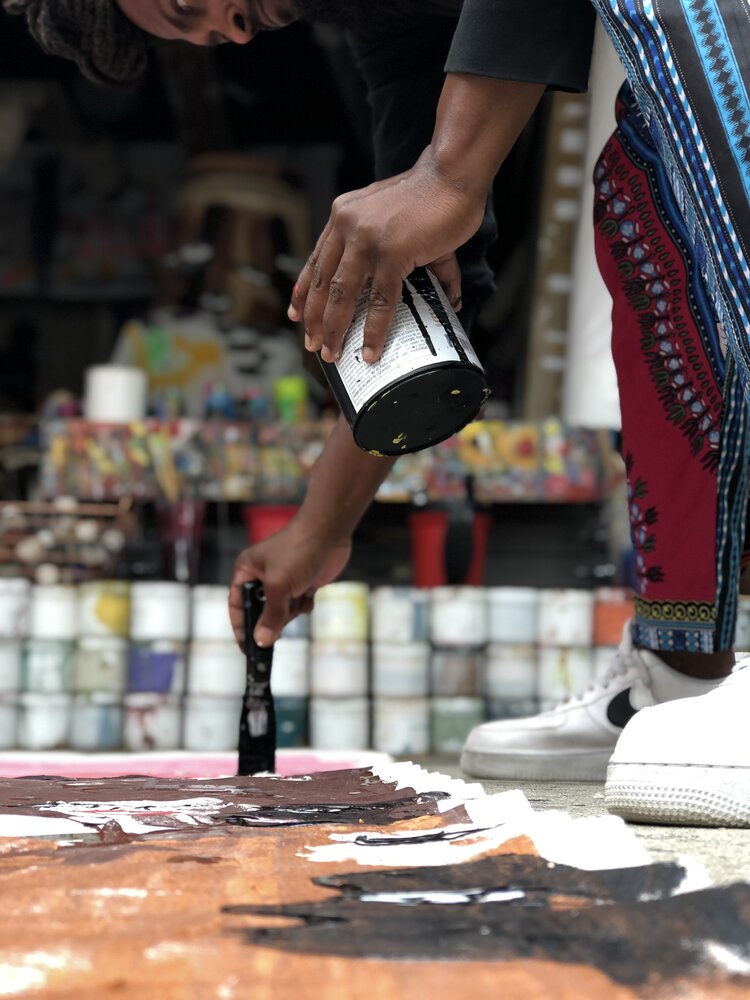
As an artist, your brand does not remain stagnant; it grows along with your artistic process. Continuously be open to feedback, experimentation, and growth. Keep an eye on your brand strategy, be agile, and always innovate in the creative part of your practice. By keeping yourself up to date with the changing tastes and requirements of your audience you can ensure that your brand continues to be relevant and effective.
10. Measure Success and Iterate

You need to measure the success of your brand-building endeavors to have an effective strategy and achieve the desired results. Define the objectives of your branding efforts and establish key performance indicators (KPIs) that will allow you to track your progress and measure the impact of your branding initiatives. Analyze website analytics, social media insights, and sales figures to spot patterns, opportunities, and drawbacks. Leverage this information to fine-tune your branding strategy, improve your message, and scale your efforts that have the greatest impact.
Why Singulart is The Best Place To Sell Your Art?
If you want to sell your art online then Singulart is here for you. Selling your artwork has never been simpler with Singulart’s streamlined process. Here’s why artists love it:
1. Easy Setup: With Singulart, you can start selling your art from your couch with just a few clicks. Subscribe to the platform and in no time list your artworks that will be seen by passionate art admirers from all over the world.
2. Transparent Performance Tracking: Monitor the progress of your artwork with detailed analytics available in the Gold and Platinum plans. Know your audience, monitor sales statistics, and make informed decisions to effectively manage and optimize your sales processes.
3. Hassle-Free Transactions: As soon as your artwork is bought, the Singulart team will handle all the logistics. Just ship your artwork the way you decide, send it to the buyer, and easily receive money.
Frequently Asked Questions
How does an artist develop a brand?
Begin by generating ideas for the general style and feel. Next, create your logo, decide on your voice, and select the colors and typefaces that best represent your brand. Developing each of these components before starting your company is crucial as it contributes to creating a unified and identifiable brand image.
How do artists market themselves?
Creating an online portfolio is an essential first step in promoting art effectively. You need to know where to point people to view your greatest work whether you’re applying for a project, networking with a new friend, or entering an art competition.
Conclusion
The path to brand building as an artist is a winding one that relies on creativity, strategy, and stick-to-itiveness. Through defining an artist’s style, a consistent visual identity format, developing an online presence, creating compelling brand messages, active communication with your audience, partnering with relevant people, looking for ways for promotion and recognition, and providing awesome customer experience, you can come up with a brand name that will be liked by an audience and will lead to a great success of art career.