Landscape painting is a highly popular artistic genre present in many cultures and artistic traditions with a long and established history. Landscape painting encompasses a variety of natural scenes including mountains, rivers, valleys, forests, fields, and coasts. This definition was expanded in the 20th century to include urban and industrial landscapes. Landscape painters are inspired by the world around them…
-
-
Oil painting is arguably one of the best known and most used painting mediums. Oil paint consists of suspending various pigments in a drying oil that acts as the binder. A variety of oils can be used as the binding agent, such as linseed oil or safflower oil. Each oil lends a different property to the quality of the paint…
-
Pop Art is a movement that emerged in 1950s Britain and exploded into enormous and everlasting success in 1960s America. Pop art employed a new, bold aesthetic inspired by popular culture such as advertising, comic books, and was a celebration of the mundane and the kitsch. The movement, as a reflection of the times, was about multiples and mass reproduction,…
-
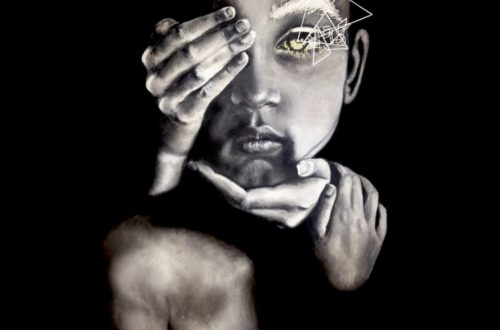
Portraiture and portrait painting focuses on depicting a human subject. Historically, portraits have often been commissioned and portray either public or private figures, which gives them importance as historical records; they recorded the past before the advent of photography. They are generally inspired by admiration for the subject, who is often the muse of the artist. While early portraits were…
-
Street art is visual art that is created in public locations, outside of traditional art venues. It is connected to graffiti art in that it is generally unsanctioned and in public spaces, but it includes a wide variety of media and is connected more closely to graphic design. The key differences between graffiti and street art are partly historic. Graffiti…
-
Watercolour paint consists of pigments suspended in water, which gives the paint a translucent effect. Watercolour artists often paint on paper, exploring the transparency of the paint and leaving sections unpainted to highlight certain areas of the paper. It is celebrated for its natural, luminous qualities and has been favoured by renowned artists such as Turner and Blake. Last day,…
-
How did you find your voice as an artist? After spending a year in Florence Italy, I was intrigued by how portraiture is idealised in frescos and in early renaissance painting. I was lucky enough to have a friend who was a restorer and upon visiting his studio and seeing a work being restored up close I realised there is…
-
Please introduce yourself to us! My name is Xavi García and I was born in Alicante, Spain in 1974. I have a BA in Fine Art from the Polytechnic University of Valencia and I teach art in secondary schools. I am passionate about art and education; it is vital that we bring art to young people. Through this, I combine…
-
How did you find your voice as an artist? My identity as an artist is a journey from my childhood until today and my voice is constantly evolving. I remember my colored pencils, how I abstracted when I draw, I remember also my favorite cartoons and the emotion they made me feel. I always loved traveling to imaginary world far…
-
Can you tell us a bit about you? I consider myself an “artivist”. I create socially engaged art that also uses beauty as a mean of emotional engagement with the public. I’m very involved in the process of creating the images, which has led me to become a good make-up artist, set and costume designer and digital artist. I love…