Art collectors don’t just respond to what they see—they respond to when they see it. Seasonality plays a quiet but important role in shaping buying behavior. While quality and personal taste always matter, there’s also a deeper rhythm that influences what sells best throughout the year. For artists, understanding these patterns can open up opportunities to better time uploads, plan new series, and align communication with the mood of the market.
Mediums: Paintings Lead, but Sculpture, Photography, and Works on Paper Find Their Moment
Across every season, paintings remain the strongest performer. They account for the vast majority of sales all year long, with interest peaking particularly in spring. As we emerge from winter, collectors seem especially inclined to invest in substantial works. This may be linked to personal milestones, interior redesigns, or simply a renewed sense of inspiration that these periods often bring.
While less dominant overall, sculpture finds a distinct place in the seasonal cycle. There’s a consistent increase in sculpture purchases during the autumn months. This could be tied to a growing interest in physicality and space as people return from summer travels and re-engage with their homes and routines. The tangible presence of sculpture—its materiality and scale—offers something grounding as the days grow shorter. Summer also sees a moderate lift in sculpture sales, potentially driven by gallery visits while traveling or art-focused events.
Photography occupies a unique position. It appeals to a wide range of collectors, especially those drawn to modern, conceptual, or minimalist aesthetics. Photography represents a distinct segment of the market, with demand remaining fairly steady throughout the year. There is often a slight increase in autumn and winter, possibly because of the medium’s ability to evoke memory, mood, or atmosphere. These qualities feel particularly resonant in colder months, when viewers are more receptive to narrative depth and visual poetry.
Works on paper, including mixed media, collage, and ink-based creations, see a slight advantage in the brighter months. Spring and summer, with their sense of clarity and lightness, may create more appetite for these subtle and delicate formats. Prints and drawings maintain more consistent levels across the seasons, though interest tends to climb during spring—perhaps as collectors seek accessible or giftable works ahead of summer holidays or home refreshes.
Abstract Work: A Constant, with Autumn Depth
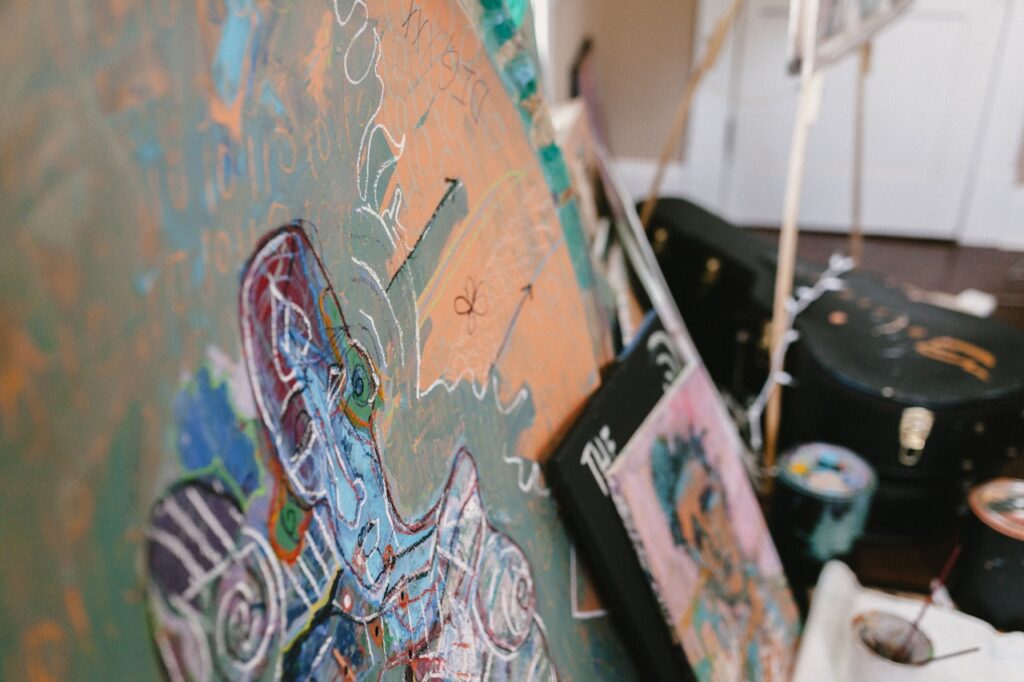
Abstract and non-representational works hold steady throughout the year and are among the most purchased categories on the platform. Their flexibility—able to fit various interiors, moods, and meanings—makes them attractive regardless of season. However, there is a subtle lift in autumn. As cultural life picks up again and people move indoors, there may be a desire for work that encourages reflection or carries emotional ambiguity. Abstract art offers space for interpretation, which seems to resonate particularly well as the year winds down and people reconnect with deeper thoughts or feelings.
Landscapes: A Natural Fit for Spring and Summer
Seasonal behavior is more pronounced in certain subjects—especially landscapes. Spring and summer are consistently the strongest periods for this category. The longer days, vibrant colors, and travel ambitions of these seasons likely heighten appreciation for scenes that evoke the natural world. Whether it’s seascapes, mountain ranges, or rural countryside, these works echo the viewer’s environment and desires. In spring, when everything feels like a fresh start, landscapes align with a collective mood of openness. In summer, they reflect a longing for escape, making them especially appealing as decorative and emotional pieces.
Portraits and Figurative Work: Intimacy in Colder Months
Portraiture and figurative art often see increased interest in the second half of the year, especially during autumn and winter. These colder, more intimate months encourage introspection and emotional connection. Collectors might feel more drawn to works that explore identity, presence, or storytelling. Portraits offer familiarity and psychological depth, making them a compelling choice when people are spending more time indoors and reflecting on their personal spaces. Figurative compositions—whether realist or stylized—invite narrative interpretation, which suits the quieter, more introspective energy of the season.
Nature, Still Lifes, and the Need for Grounding
Nature-themed works experience a notable high in spring, when botanical and organic motifs mirror the world outside. Florals, leaves, and earthy palettes seem to speak most clearly when the natural world is reawakening. Yet their appeal isn’t limited to spring alone. Throughout the year, collectors often turn to these subjects when they seek serenity and visual balance. Similarly, still lifes and minimalist works—while never topping the seasonal charts—maintain a steady presence, suggesting a quiet need for grounding elements in a fast-paced world. Their modest scale and meditative presence often make them ideal for smaller spaces or as part of layered interiors.
Aligning Artistic Timing with Market Energy
So while there’s no “bad” time to share your work, aligning your uploads with seasonal trends can be a subtle yet powerful strategy. Planning uploads to coincide with peaks in demand—like showcasing new paintings in spring or highlighting sculpture in autumn—can help your work resonate more deeply. Artists working in more niche mediums, such as works on paper or photography, may find that timing their visibility to match seasonal moods increases their chances of discovery. Subjects also matter: landscapes tend to shine in the warmer months, while figurative and introspective pieces connect more strongly during the colder season. Even limited editions can benefit from this approach—launching them in periods of high gifting interest, like late autumn or early winter, can give them a natural boost in attention and urgency.