Singulart guarantees reliability and traceability.
All the artists on the platform have been specially selected and certify to only sell works, of which they are the artist. Whatever the medium, the work is sent to the buyer with a certificate of authenticity. Photographs are numbered and signed.
Every customer can be given a copy of their certificate of authenticity by contacting support@singulart.com
With Singulart, you can pay safely by credit card or bank transfer.
For all transactions exceeding your credit limit, contact us. We are required to verify every transfer, as part of the fight against fraud and money laundering.
Singulart prices include:
Price of an artwork defined by an artist.
Insurance. Your order is 100% protected in case of any damage or loss.
All customs fees, taxes, and document preparation.
Third-party logistic provider shipping costs.
A dedicated Singulart customer care specialist that will assist you with any questions or problems during shipment.
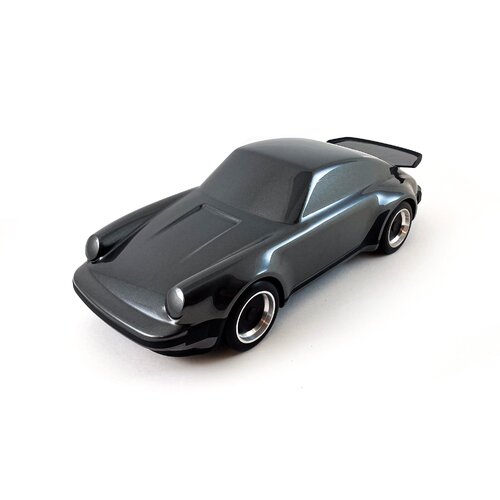
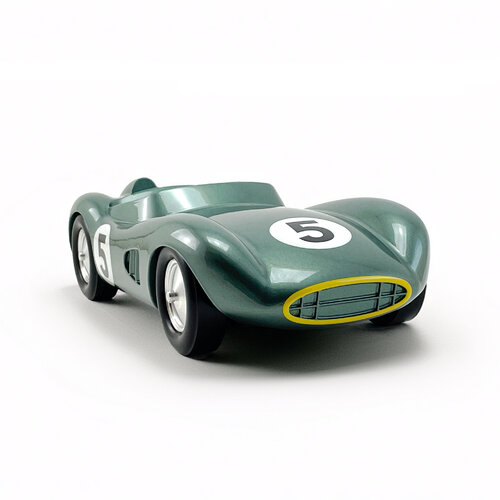
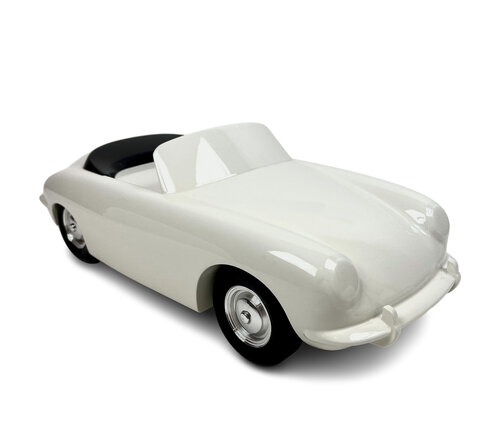
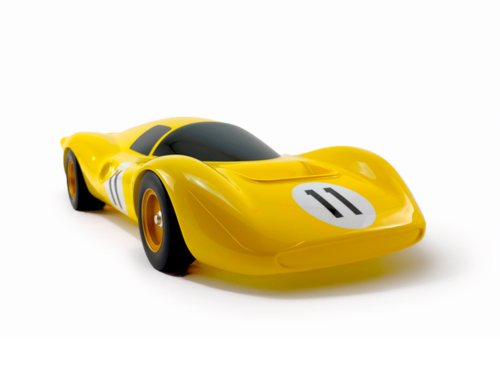
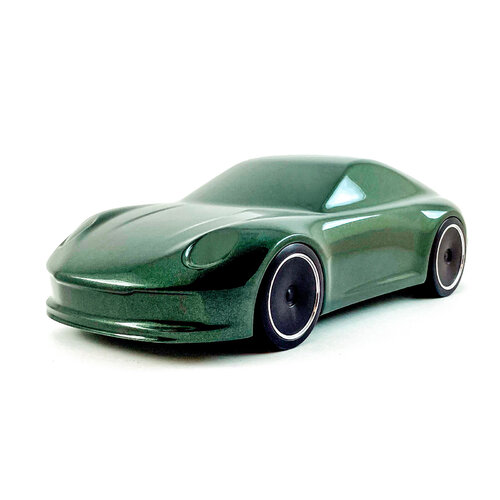
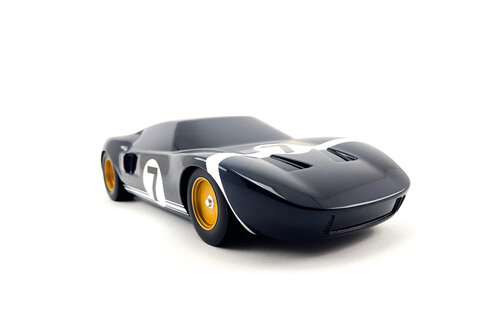
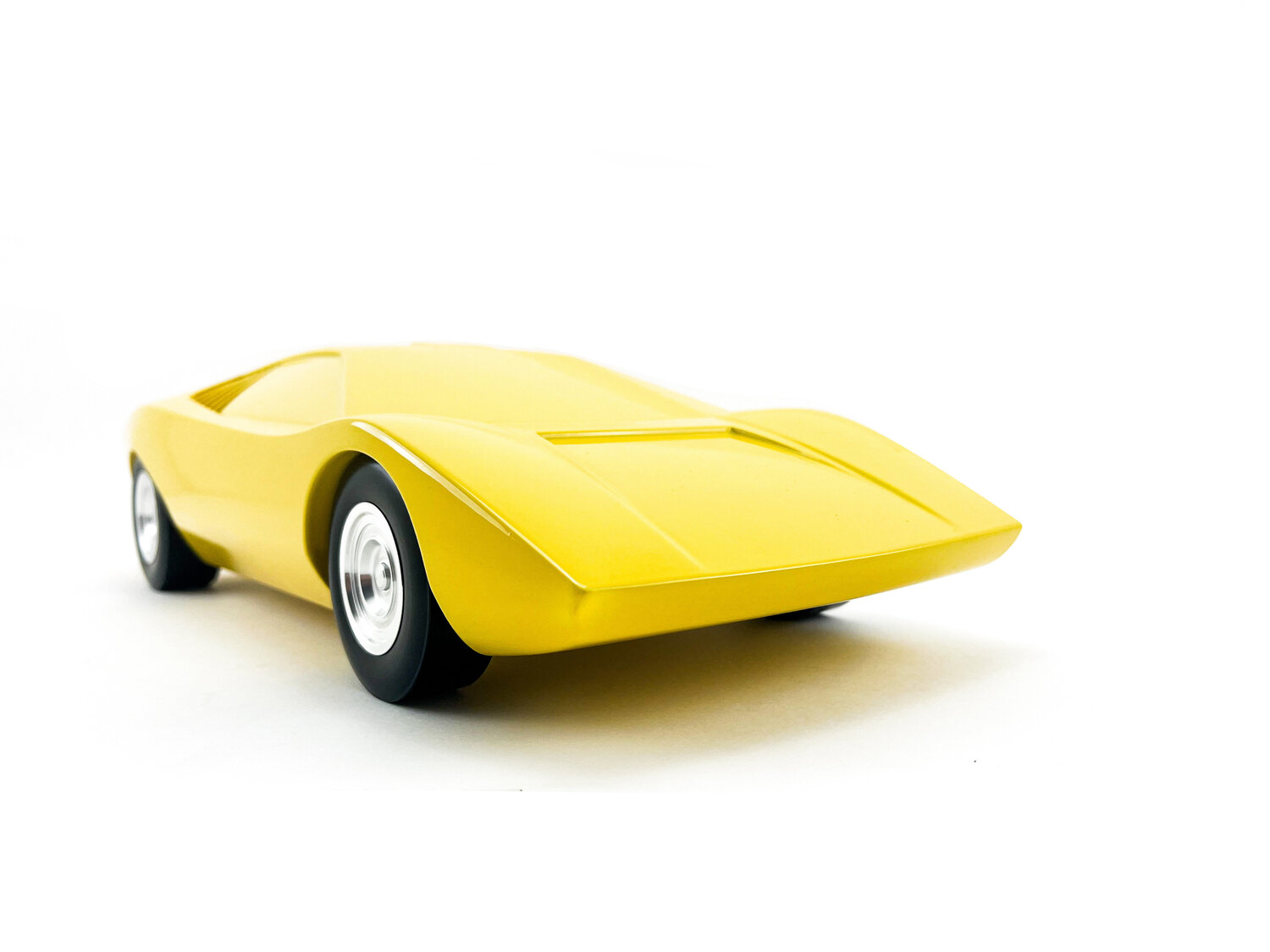
Here at 1:10 scale, published in 12 numbered copies, the 71 Prototipo takes up, in a refined way, the legendary lines of the Lamborghini LP 500. The silhouette is in solid beech and hand-painted, the running gear is turned in solid aluminum and the tires are tinted by anodizing.
The LP 500, presented at the 1971 Geneva Motor Show, was a visionary prototype that revolutionized the sports car. Designed by Marcello Gandini for Bertone, it established… a radical aesthetic: angular lines, a very low profile, a steeply raked windshield, and extreme proportions, heralding a new era in automotive design. Its mid-rear engine layout and tubular chassis made it a true technological showcase. The body is crafted from Epowood and hand-painted in this livery. The wheels and tires are machined from solid aluminum, with the tires colored throughout by anodizing. Only 12 numbered examples will be produced.
Guillaume Raynaud's school notebooks were overflowing with sketches of cars: a fascination with curves and speed that would stay with him forever. Later, he joined the Peugeot-Citroën design center, at the heart of creation and the shaping of forms. And he began to paint on canvas, capturing the emotion evoked by speed.
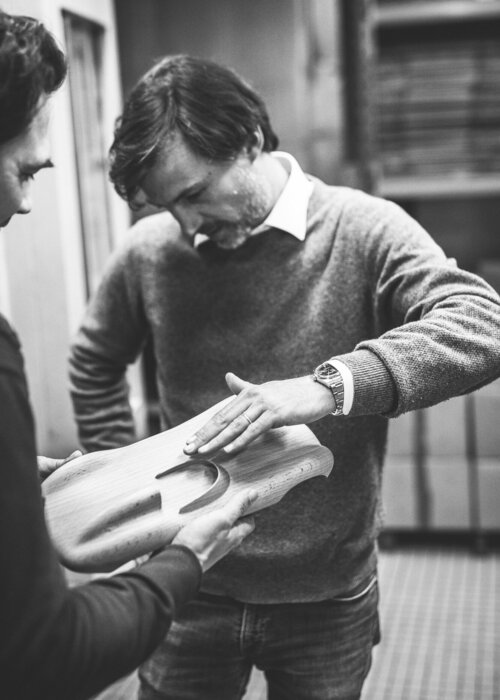
In 2021, he created Atelier Circourt with his childhood friend, Romain Marchand: a brand designer, passionate about 50s furniture and 80s cars. Together, they imagined a concept dedicated to the beauty of movement, transforming the automobile into a living sculpture.
At Atelier Circourt, the car becomes a visual manifesto. Guillaume captures its essential lines — posture, tension, balance — while Romain translates this vision into objects of desire: each creation pays homage to the mechanical spirit, with exacting standards and style.