Singulart guarantees reliability and traceability.
All the artists on the platform have been specially selected and certify to only sell works, of which they are the artist. Whatever the medium, the work is sent to the buyer with a certificate of authenticity. Photographs are numbered and signed.
Every customer can be given a copy of their certificate of authenticity by contacting support@singulart.com
With Singulart, you can pay safely by credit card or bank transfer.
For all transactions exceeding your credit limit, contact us. We are required to verify every transfer, as part of the fight against fraud and money laundering.
Singulart prices include:
Price of an artwork defined by an artist.
Insurance. Your order is 100% protected in case of any damage or loss.
All customs fees, taxes, and document preparation.
Third-party logistic provider shipping costs.
A dedicated Singulart customer care specialist that will assist you with any questions or problems during shipment.
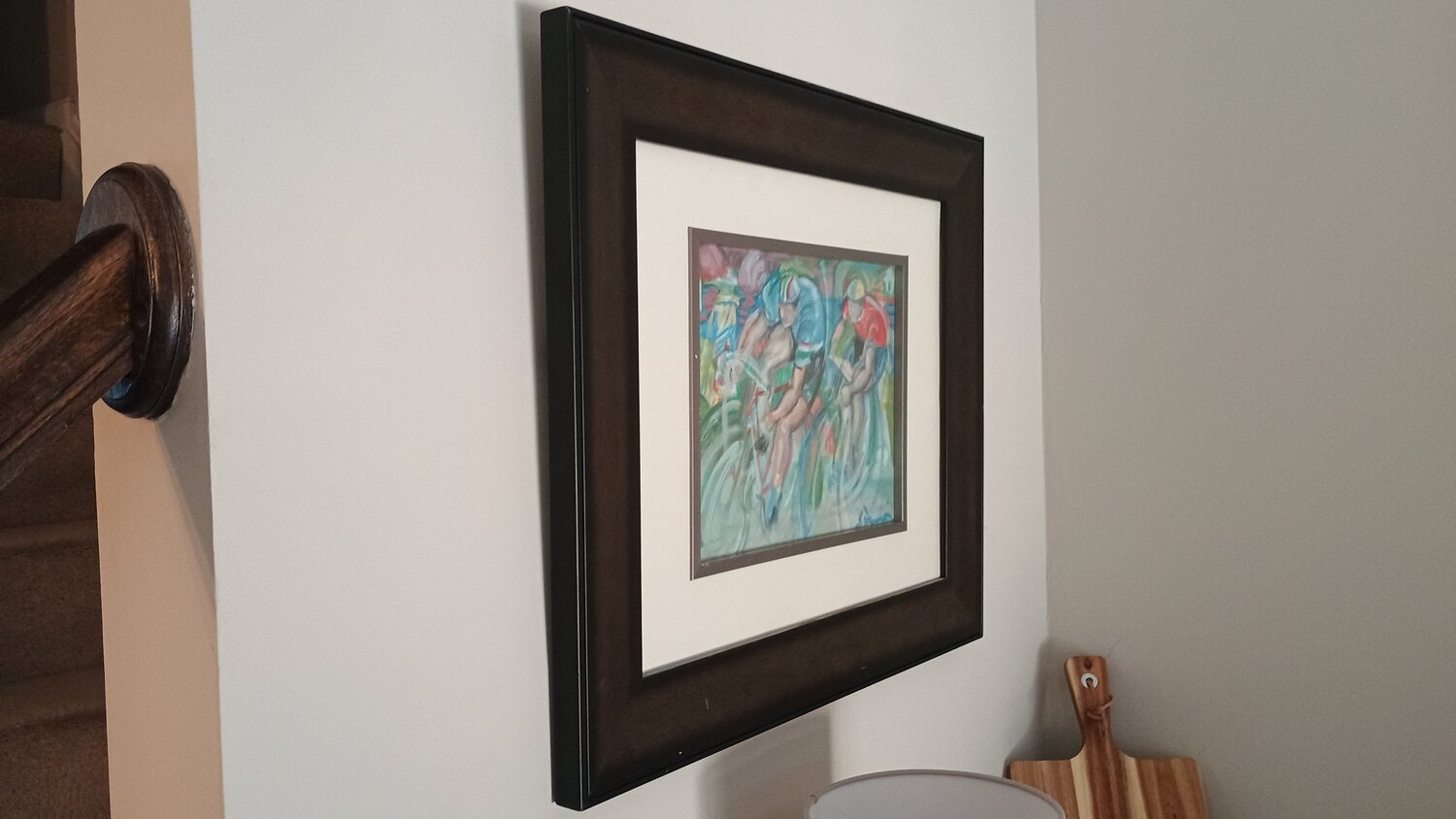
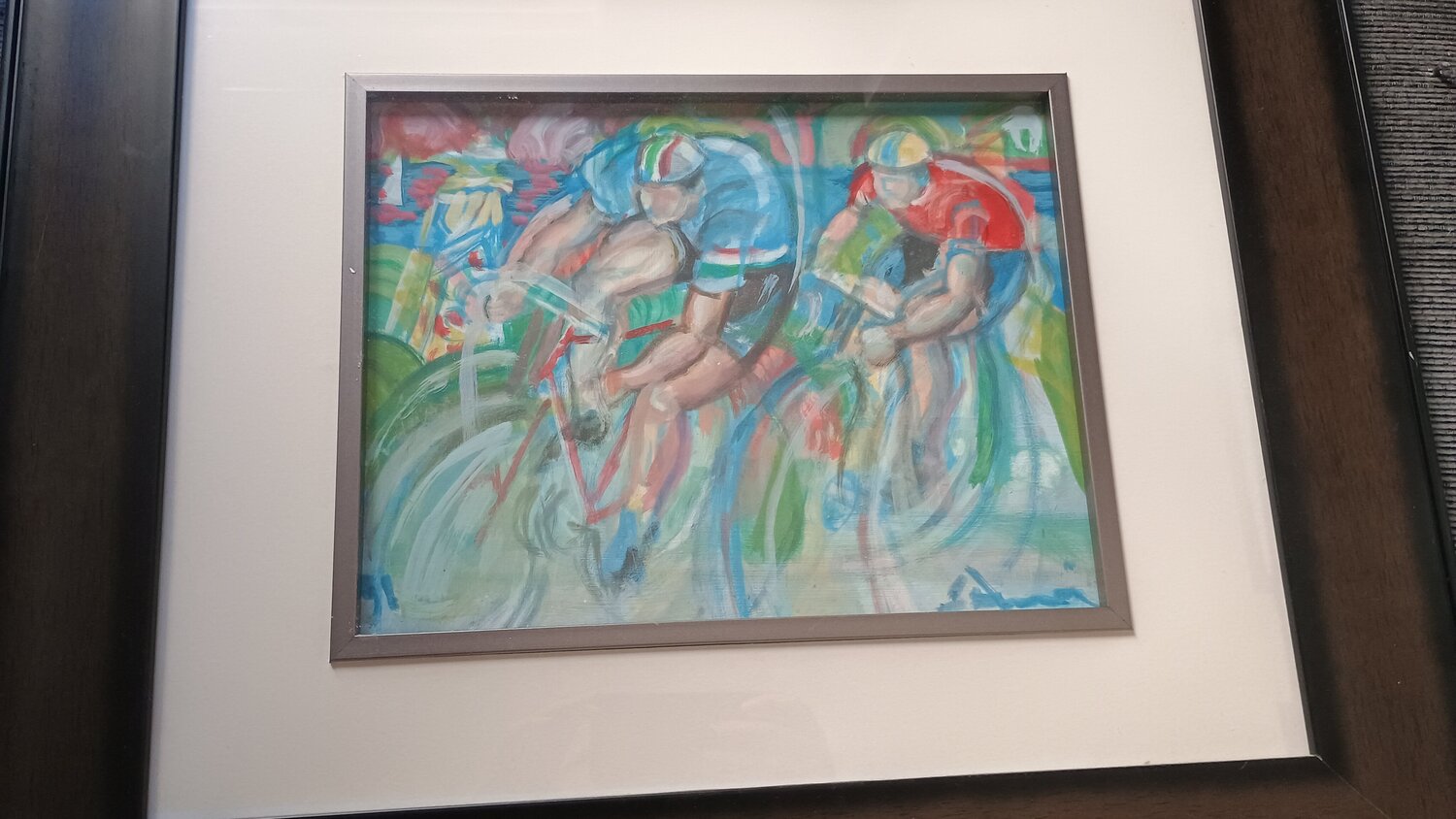
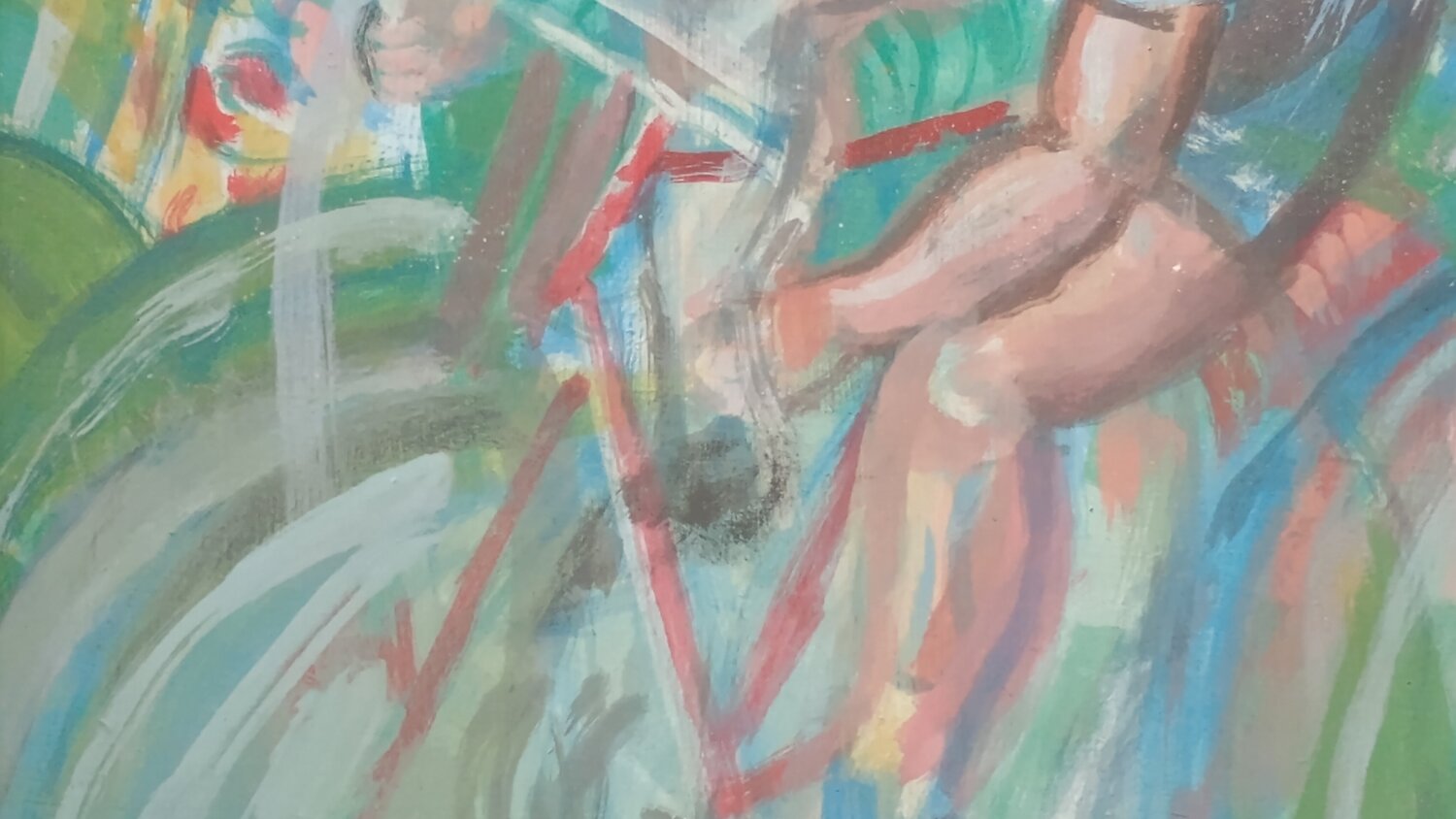
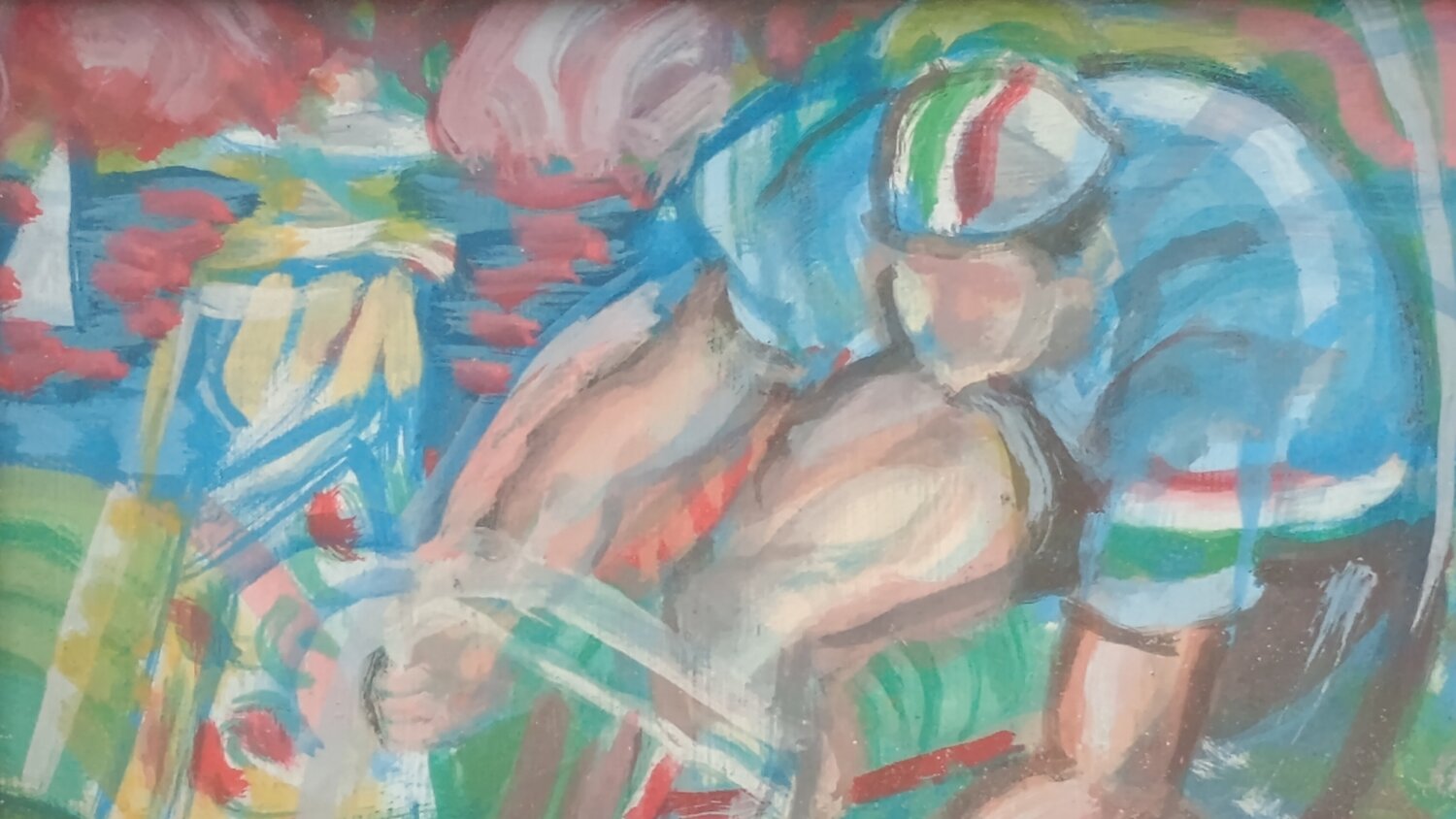
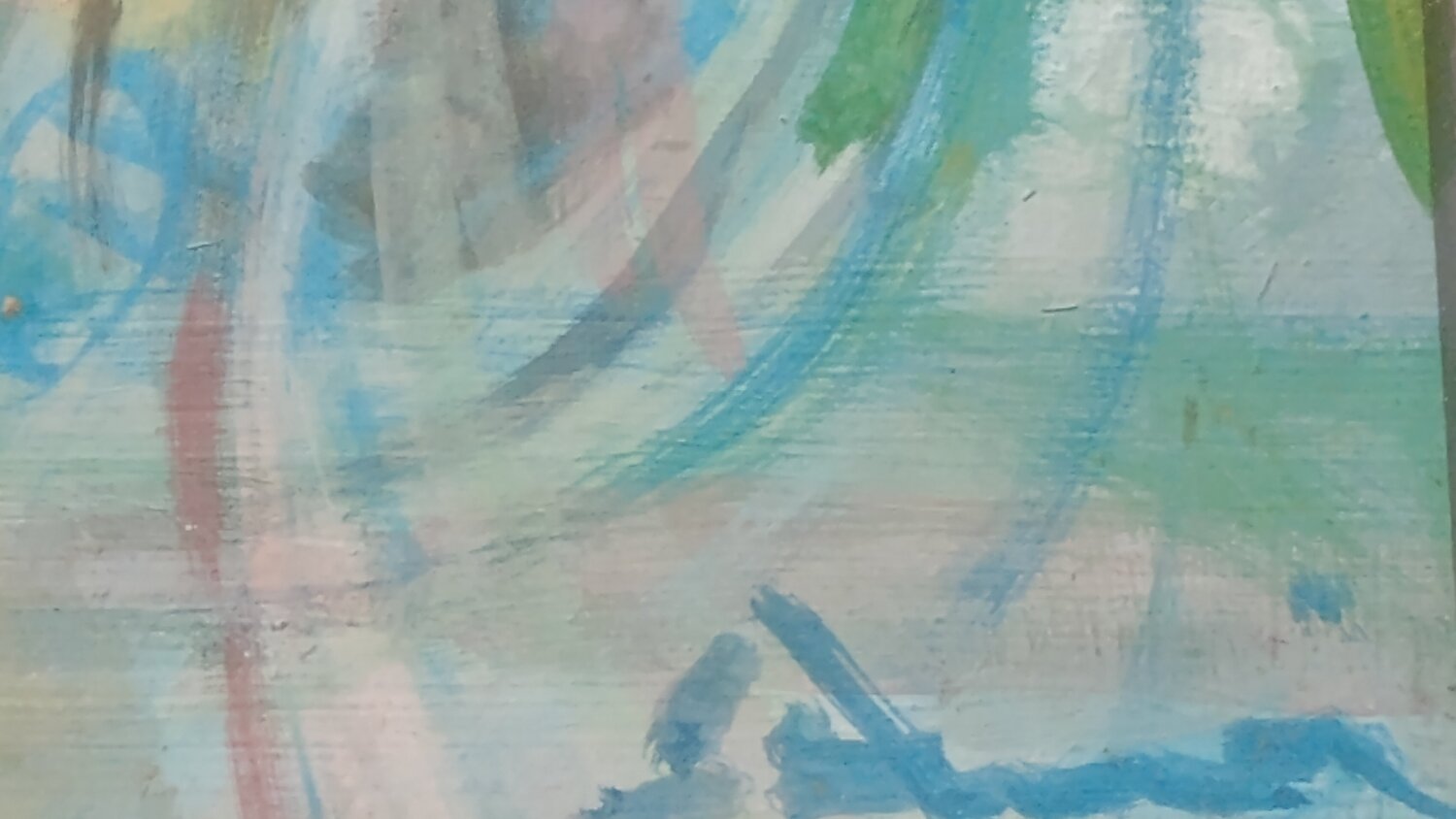
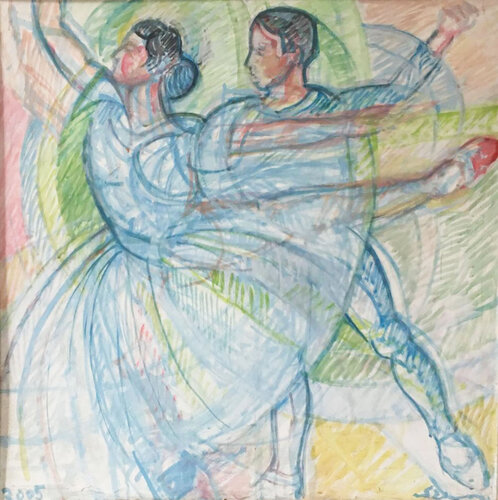
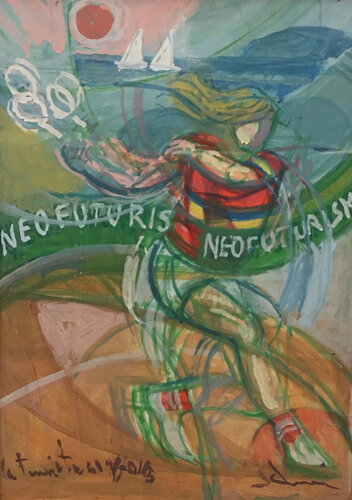
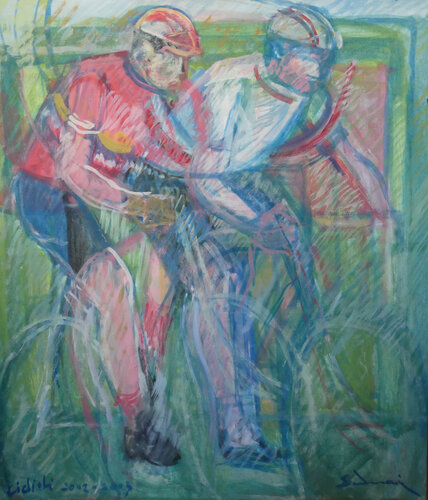
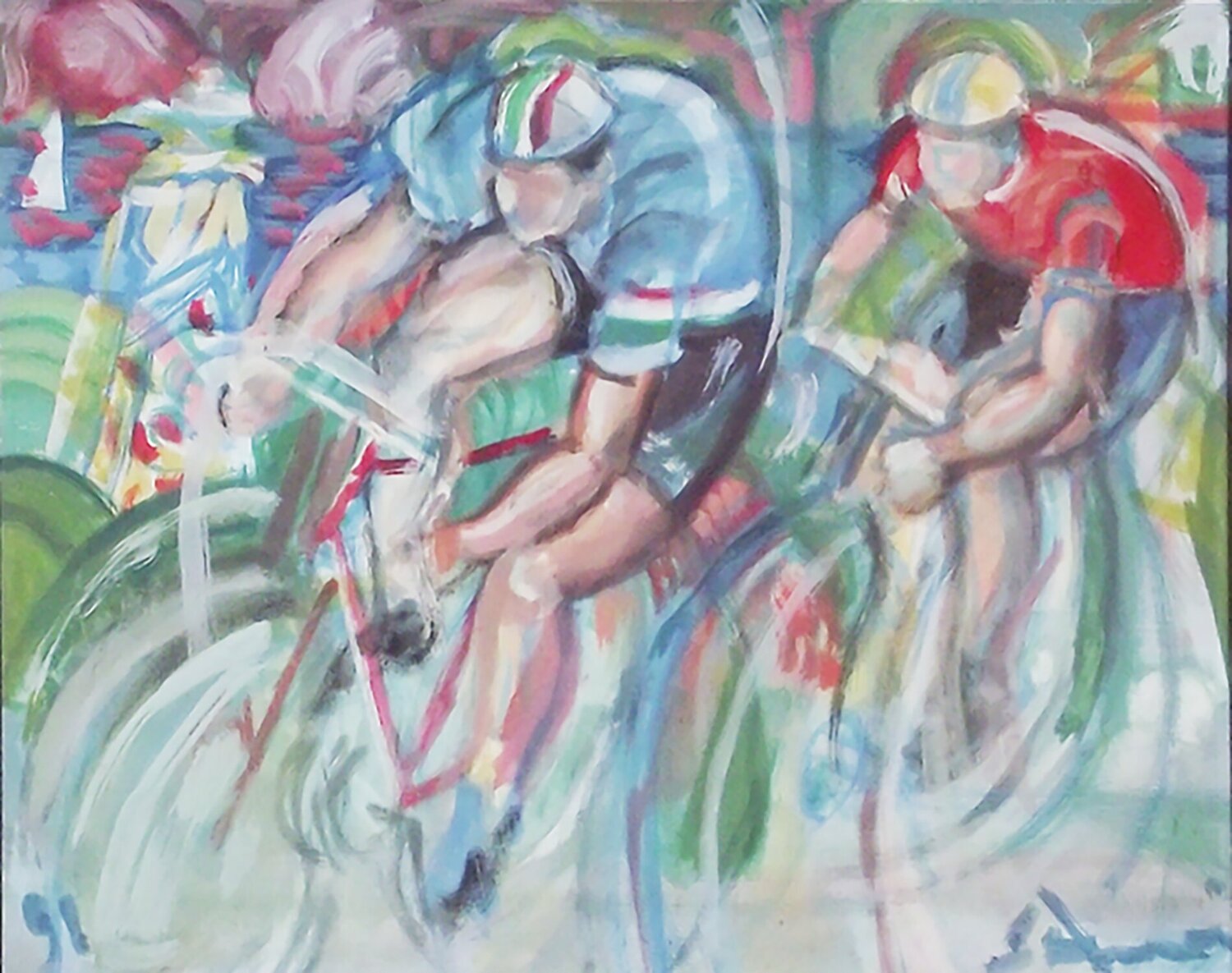
In this tempera neofuturism painting, Daniel captured the explosive energy and dynamic motion of a cycling race. The fragmented forms and swirling colors convey the intensity, speed, and determination of the riders, inviting you to feel the thrill firsthand. This piece will bring vibrant movement and an adrenaline rush, energizing any space with its passionate celebration of endurance and competition.
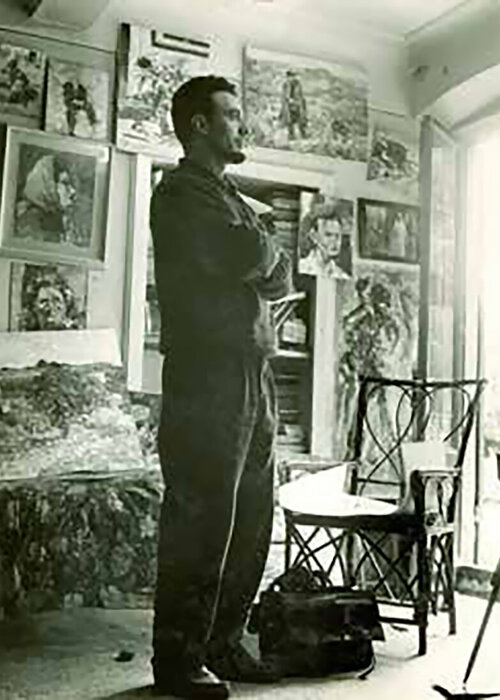
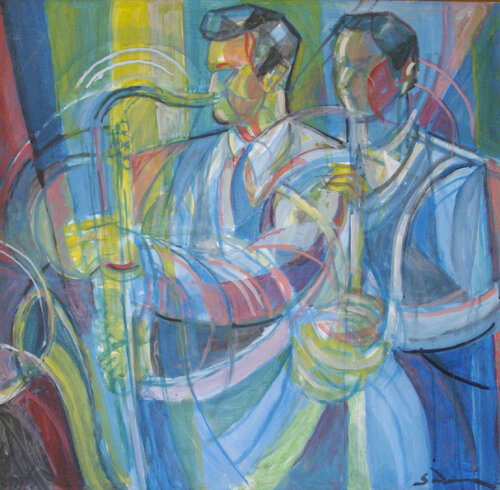
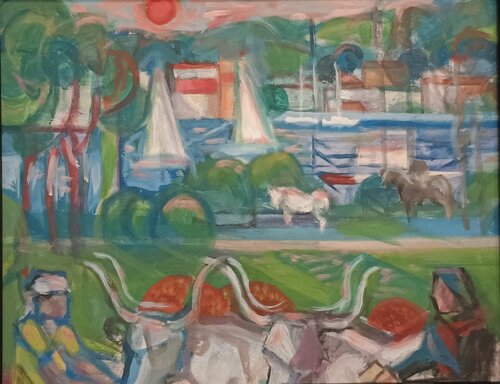
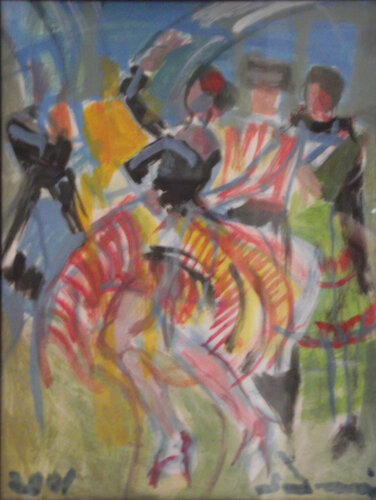
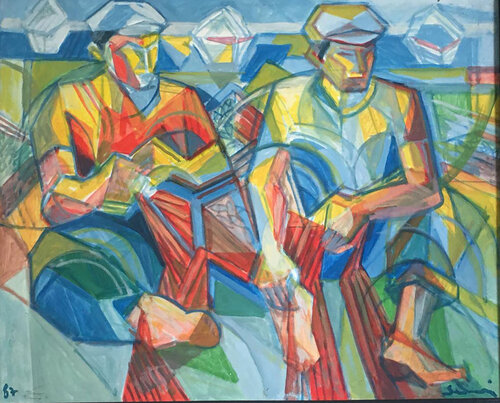
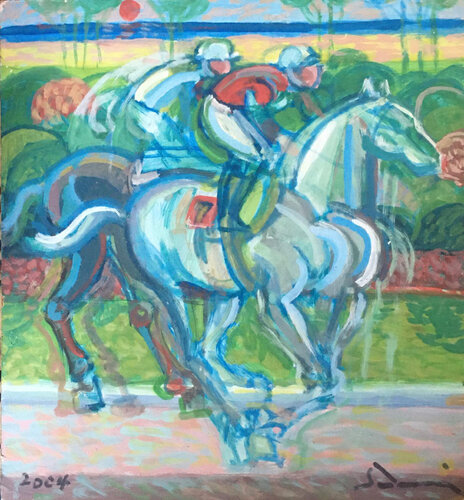
Daniel Schinasi, born May 17, 1933, in Alexandria, Egypt, and passed away on April 12, 2021, in Nice, France, is the founder of the Neofuturism movement. His work aimed to express themes of dignity, memory, and hope, providing viewers with a sense of movement and faith in renewal. Daniel had more than 300 personal exhibitions. He painted murals in rail stations, hospitals, churches, schools, and universities across Europe. As the founder of Neofuturism, Schinasi reinterprets Marinetti’s Futurism, proposing an ethical modernity. His artwork sheds new light on the trajectory of Italian avant-gardes in the 20th century, demonstrating how Schinasi innovatively reinterprets Futurism, freeing it from the rhetoric of mechanization and its dystopian outcomes, while conveying a message of hope and peace. In contrast to the frenetic image of consumer society, Schinasi depicts machines activated by human muscle and breath, such as bicycles, highlighting the harmony between humanity and nature.