

Singulart guarantees reliability and traceability.
All the artists on the platform have been specially selected and certify to only sell works, of which they are the artist. Whatever the medium, the work is sent to the buyer with a certificate of authenticity. Photographs are numbered and signed.
Every customer can be given a copy of their certificate of authenticity by contacting support@singulart.com
With Singulart, you can pay safely by credit card or bank transfer.
For all transactions exceeding your credit limit, contact us. We are required to verify every transfer, as part of the fight against fraud and money laundering.
Singulart prices include:
Price of an artwork defined by an artist.
Insurance. Your order is 100% protected in case of any damage or loss.
All customs fees, taxes, and document preparation.
Third-party logistic provider shipping costs.
A dedicated Singulart customer care specialist that will assist you with any questions or problems during shipment.
Other details :
Artwork on supported wooden frame. Ready to hang. Framing on request.
Dimensions :
40x36in
About this artwork
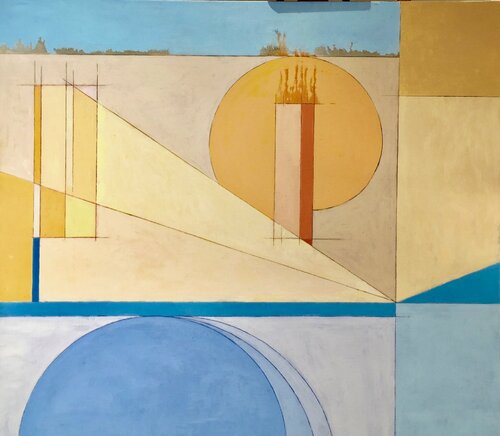
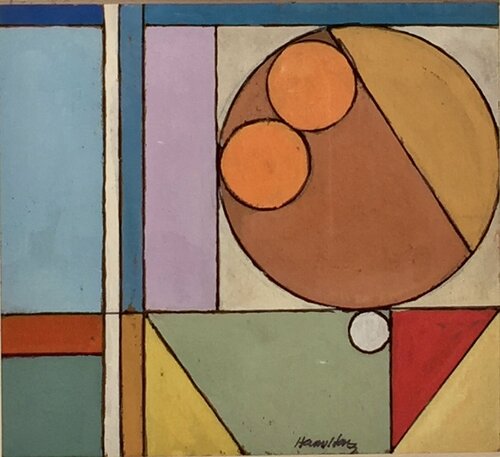
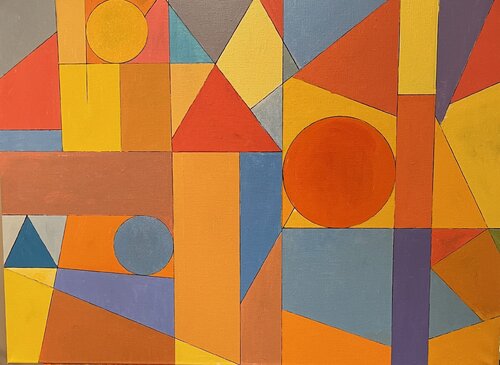
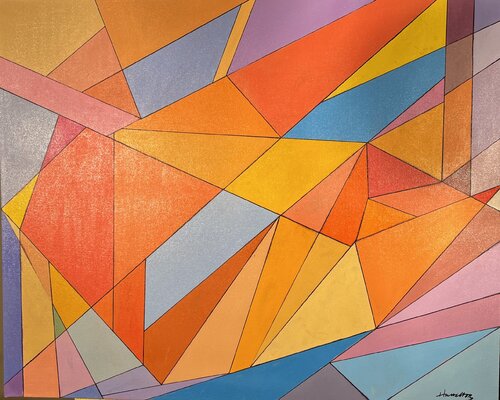
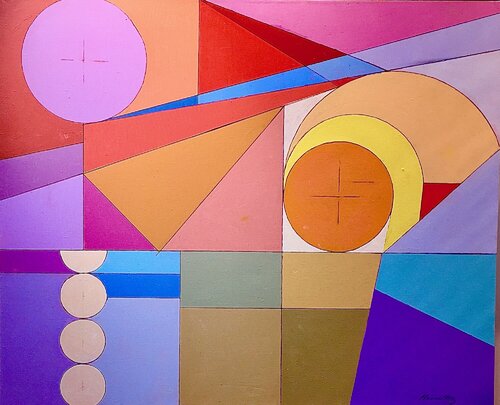
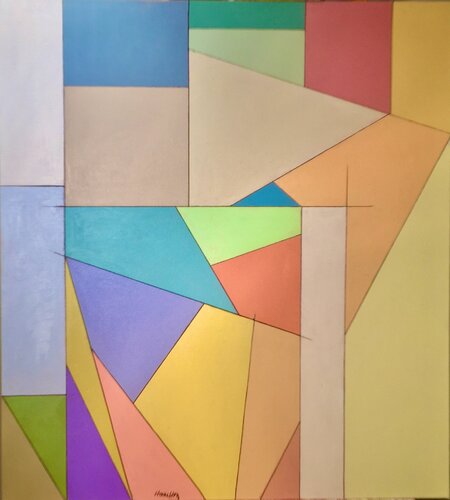
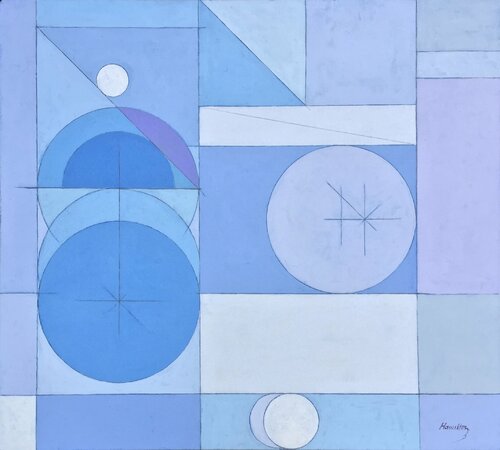
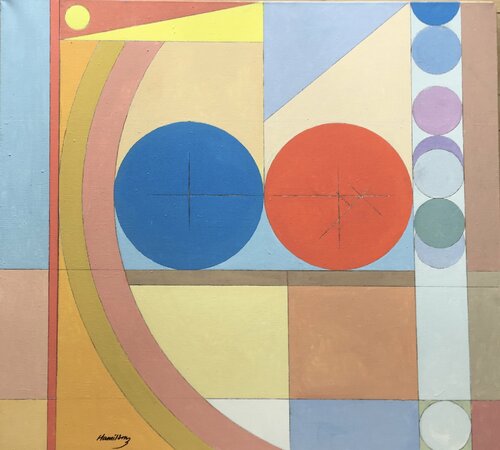
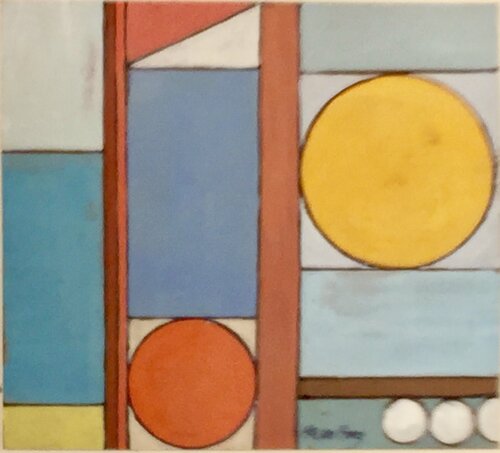
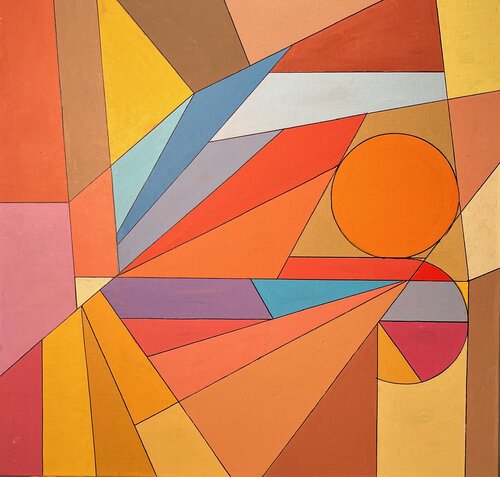
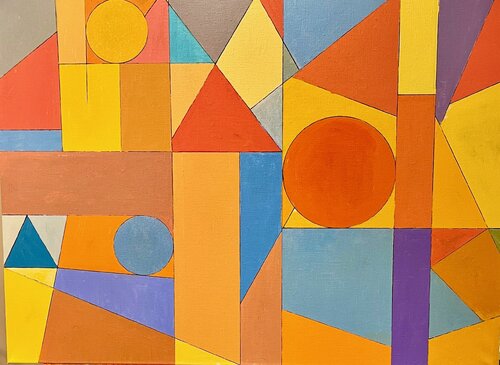
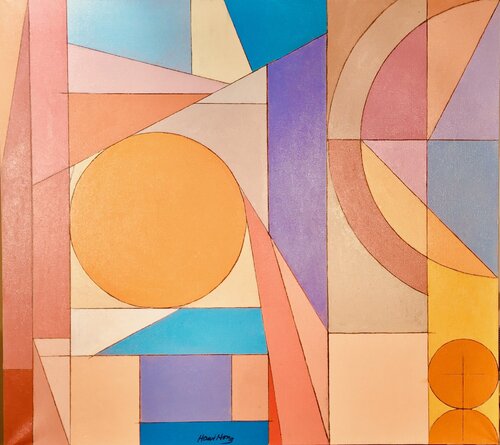
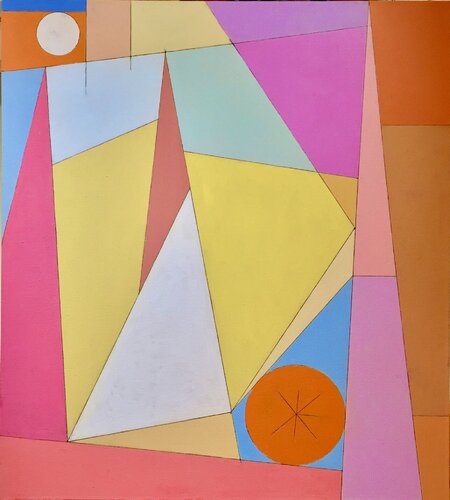
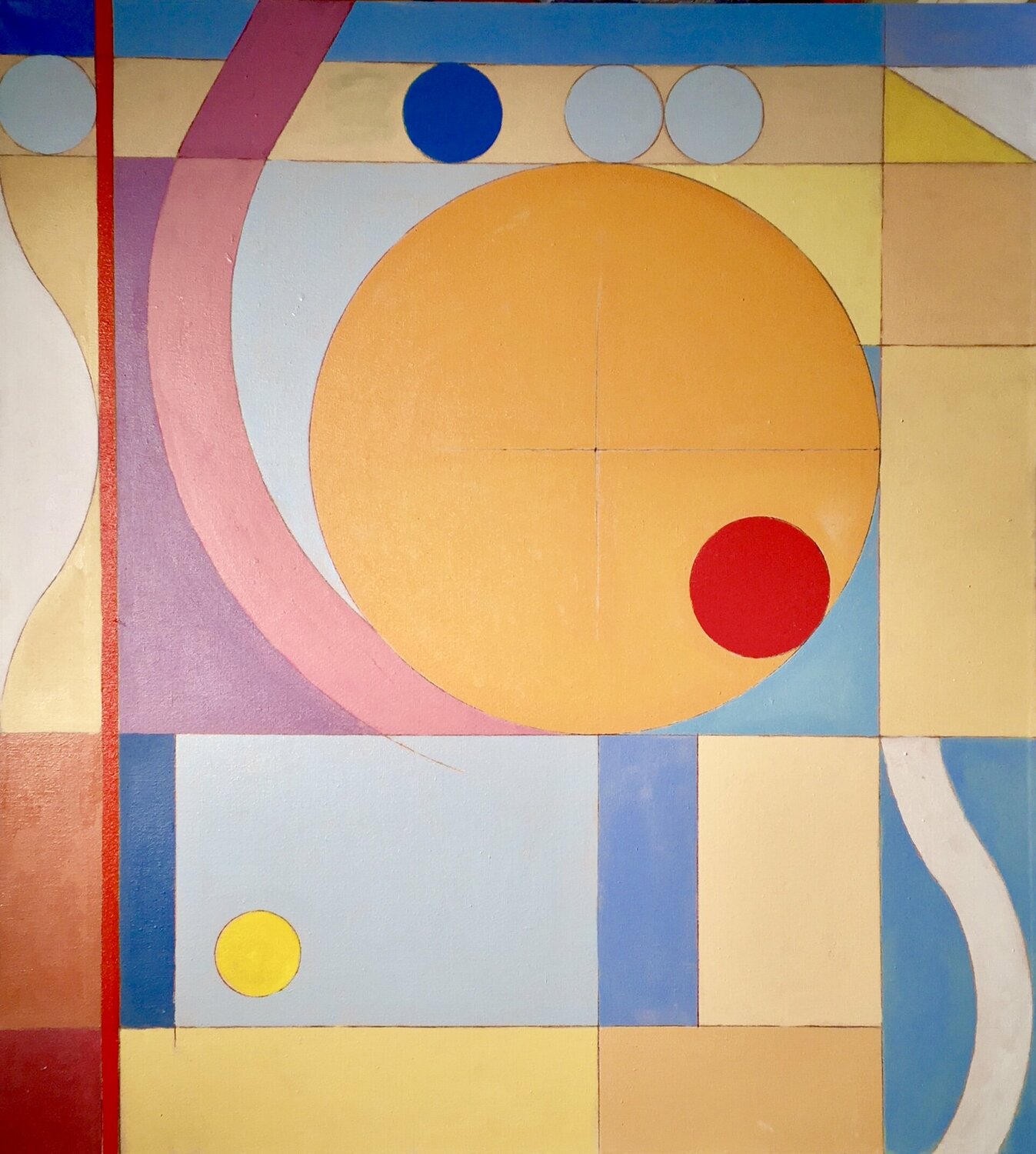
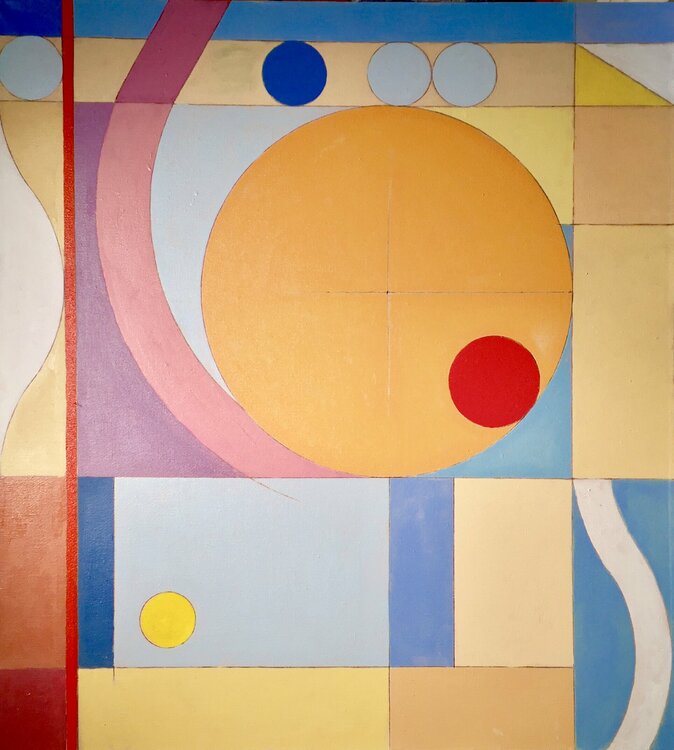
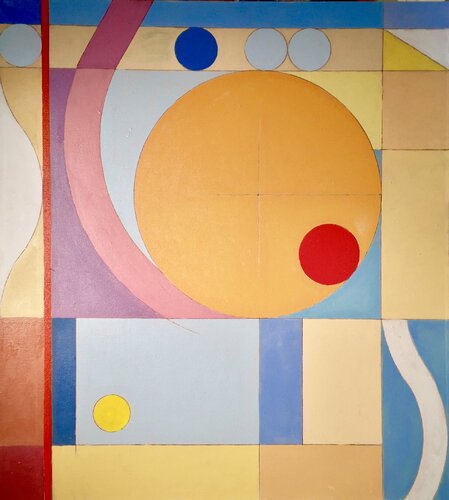
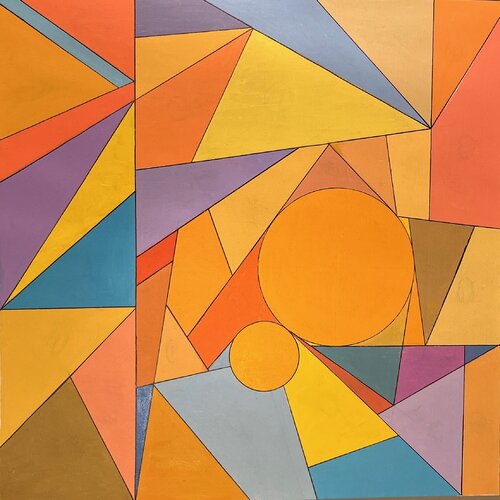
Jim was researching early human art and came across representations of early stone art called cupolas which are groups of circular indentations made in a stone surface, usually in groups. No one knows what they mean but they form patterns and are the earliest known "human" art.This painting and the others in this collection are based on this early art form which the artist believes is similar in effect to Robert Motherwell's Spanish Elegy series… in that the paintings carry an emotional or psychological content which the viewer experiences without any articulable message.
« Making a painting or a print is like composing music, it's an arrangement of shapes, lines, and colors that evokes a nonverbal reaction in the viewer. »
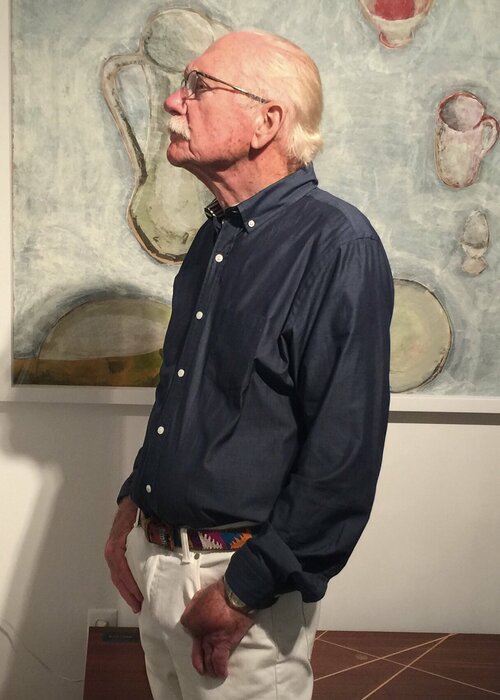
James A. Hamilton III is an award-winning American artist whose works have been exhibited in the United States. He declines conceptual art, stating that he is a painter, not a philosopher or propagandist. Instead, Hamilton's artistic practice is informed by the arrangement of shapes, as suggested in nature or his immediate physical environment, in the most instinctively pleasing manner he can. His process begins with line drawing in pencil or ink and is finished with oils and pastels.