Singulart guarantees reliability and traceability.
All the artists on the platform have been specially selected and certify to only sell works, of which they are the artist. Whatever the medium, the work is sent to the buyer with a certificate of authenticity. Photographs are numbered and signed.
Every customer can be given a copy of their certificate of authenticity by contacting support@singulart.com
With Singulart, you can pay safely by credit card or bank transfer.
For all transactions exceeding your credit limit, contact us. We are required to verify every transfer, as part of the fight against fraud and money laundering.
Singulart prices include:
Price of an artwork defined by an artist.
Insurance. Your order is 100% protected in case of any damage or loss.
All customs fees, taxes, and document preparation.
Third-party logistic provider shipping costs.
A dedicated Singulart customer care specialist that will assist you with any questions or problems during shipment.
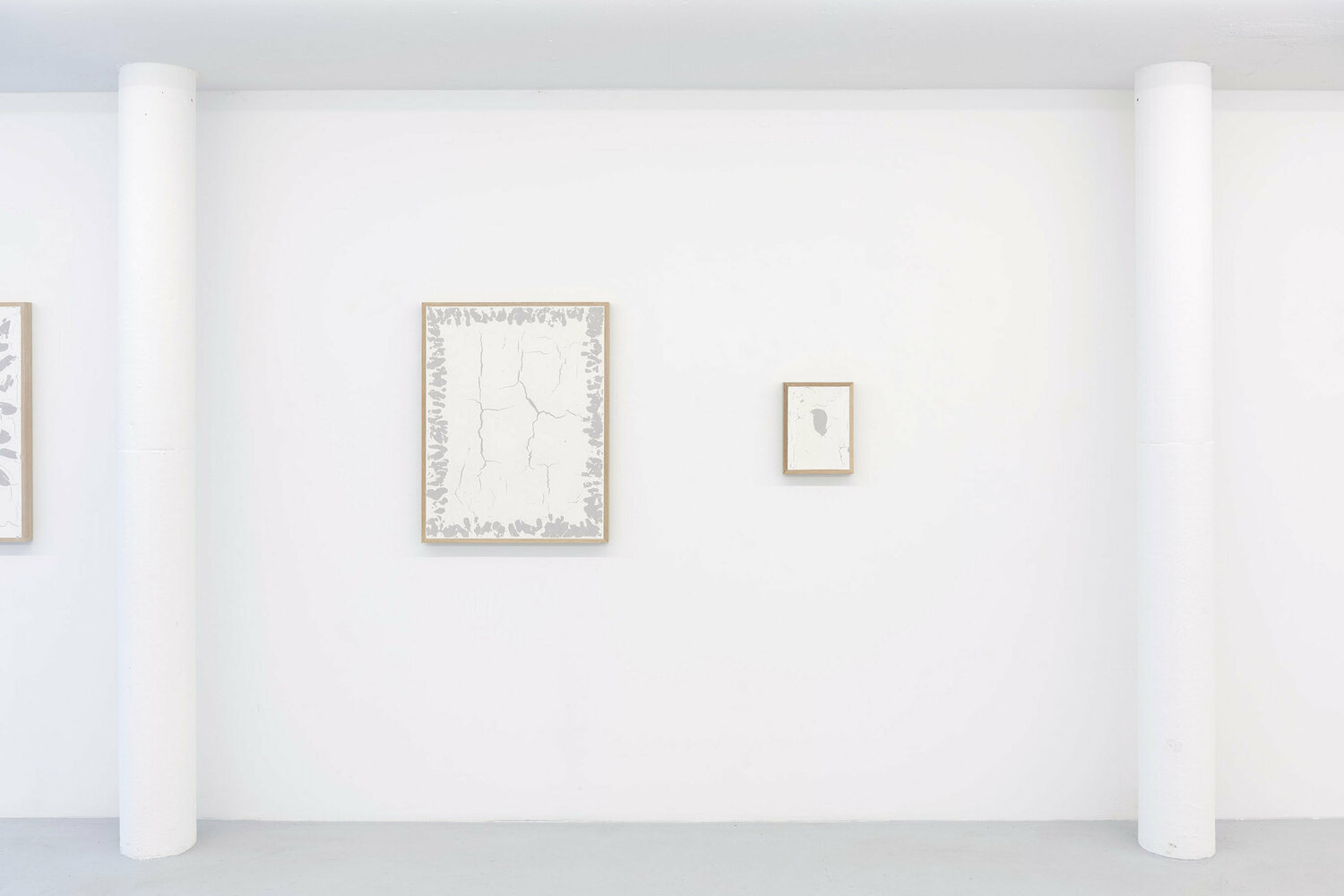
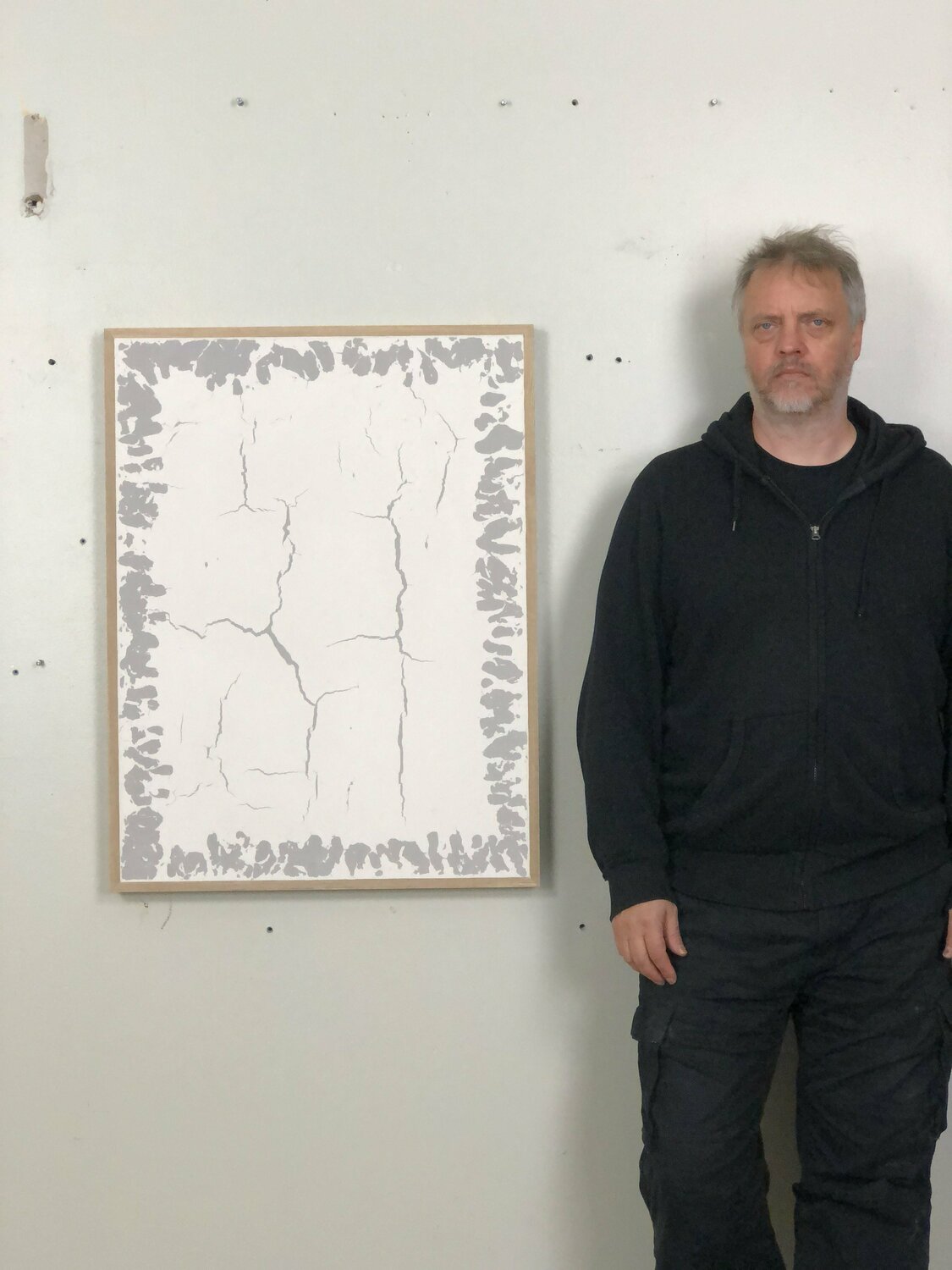
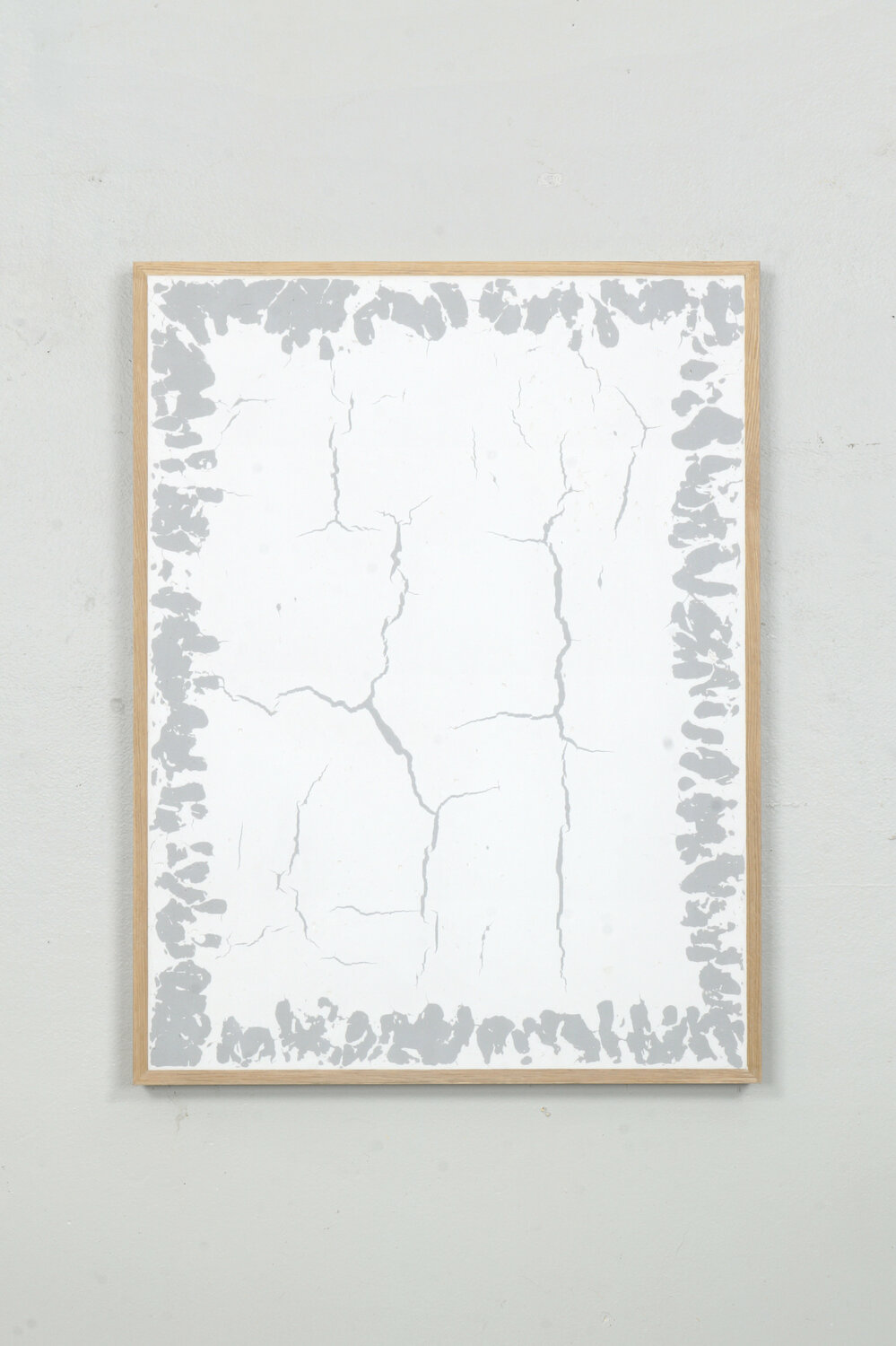
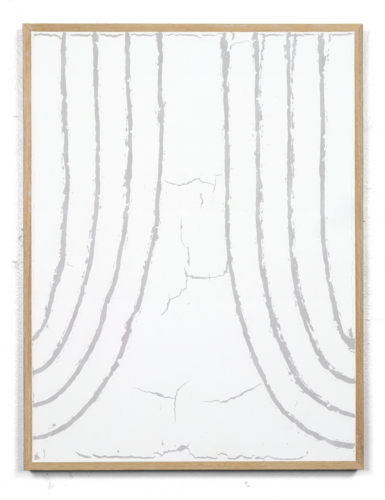
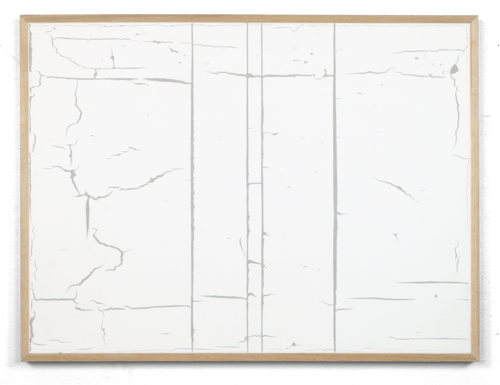
I made this work by pressing my fingers from below down in the wet filler, like reaching over the edge of a tall table.
It can vaguely resemble marks from hands reaching out, trying to pull the painting inside the wall when mounted—almost imitating a scene in a horror movie. The fringes mean the outer and lesser important part of an area or a group. This work might remind us that dispossessed, marginalised, and repressed groups… won't remain invisible forever. An unjust system is not sustainable.
It may also speak about the notion that what is at the centre isn't always what's most important. The framework, the border that defines what is included and excluded, might be any systems most prominent feature.
« I am interested in process-based painting, and the profound solitude of the human mind. While exploring one, I sometimes try to formulate something about the other, and how it affects our relationship with the outside world. »
Johan Söderström is a nationally-distinguished Norwegian painter. His works consist of layers of filler where various fields are laid beside each other, like pieces in a puzzle, and he uses his unique technique to emphasize cracks, textures and other aspects the material's own history. He primarily explores the theme of human alienation, and aims to ensure that his aesthetic can be perceived in ways simple enough to diminish the distance between viewer and work.