Singulart guarantees reliability and traceability.
All the artists on the platform have been specially selected and certify to only sell works, of which they are the artist. Whatever the medium, the work is sent to the buyer with a certificate of authenticity. Photographs are numbered and signed.
Every customer can be given a copy of their certificate of authenticity by contacting support@singulart.com
With Singulart, you can pay safely by credit card or bank transfer.
For all transactions exceeding your credit limit, contact us. We are required to verify every transfer, as part of the fight against fraud and money laundering.
Singulart prices include:
Price of an artwork defined by an artist.
Insurance. Your order is 100% protected in case of any damage or loss.
All customs fees, taxes, and document preparation.
Third-party logistic provider shipping costs.
A dedicated Singulart customer care specialist that will assist you with any questions or problems during shipment.
[Story behind the work]
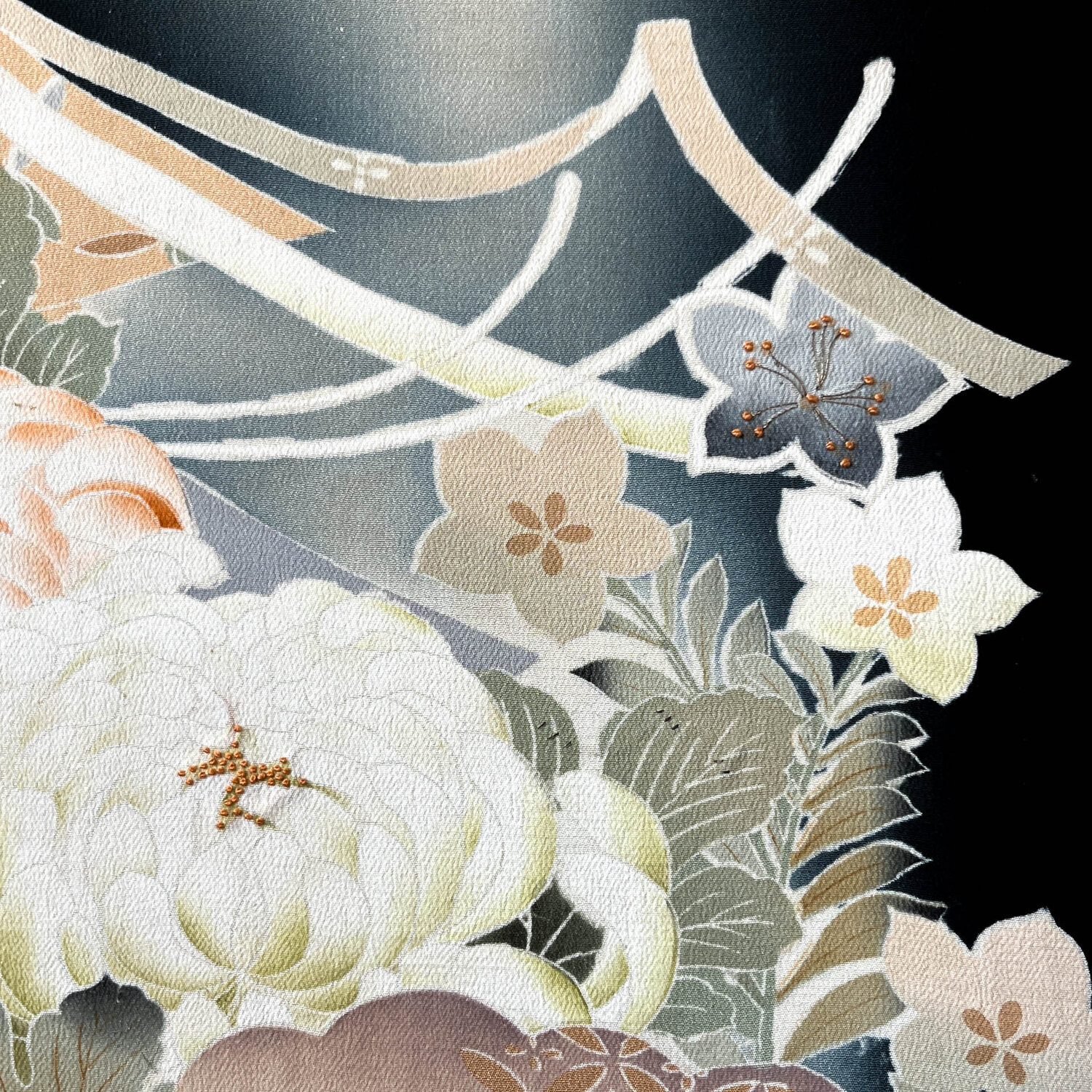
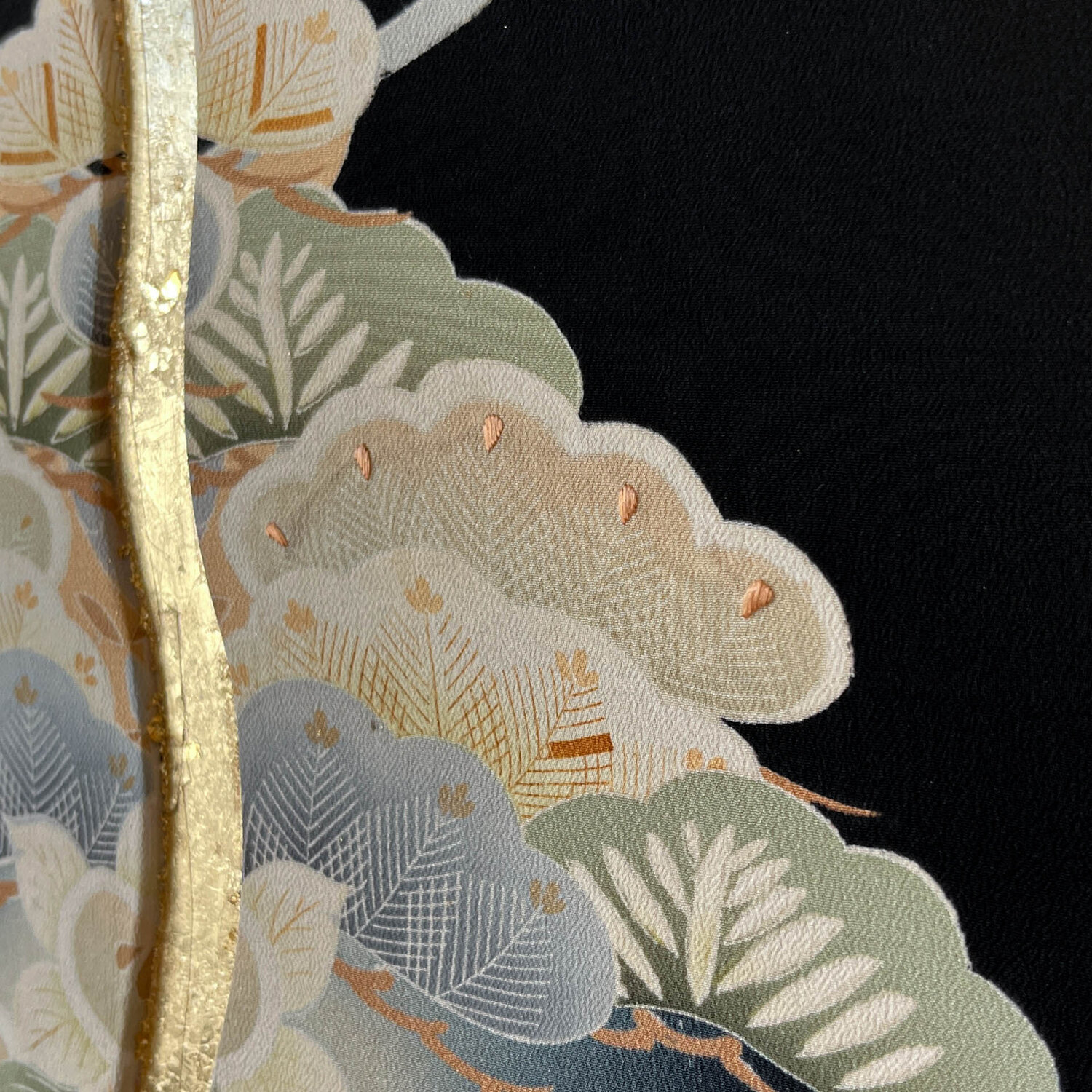
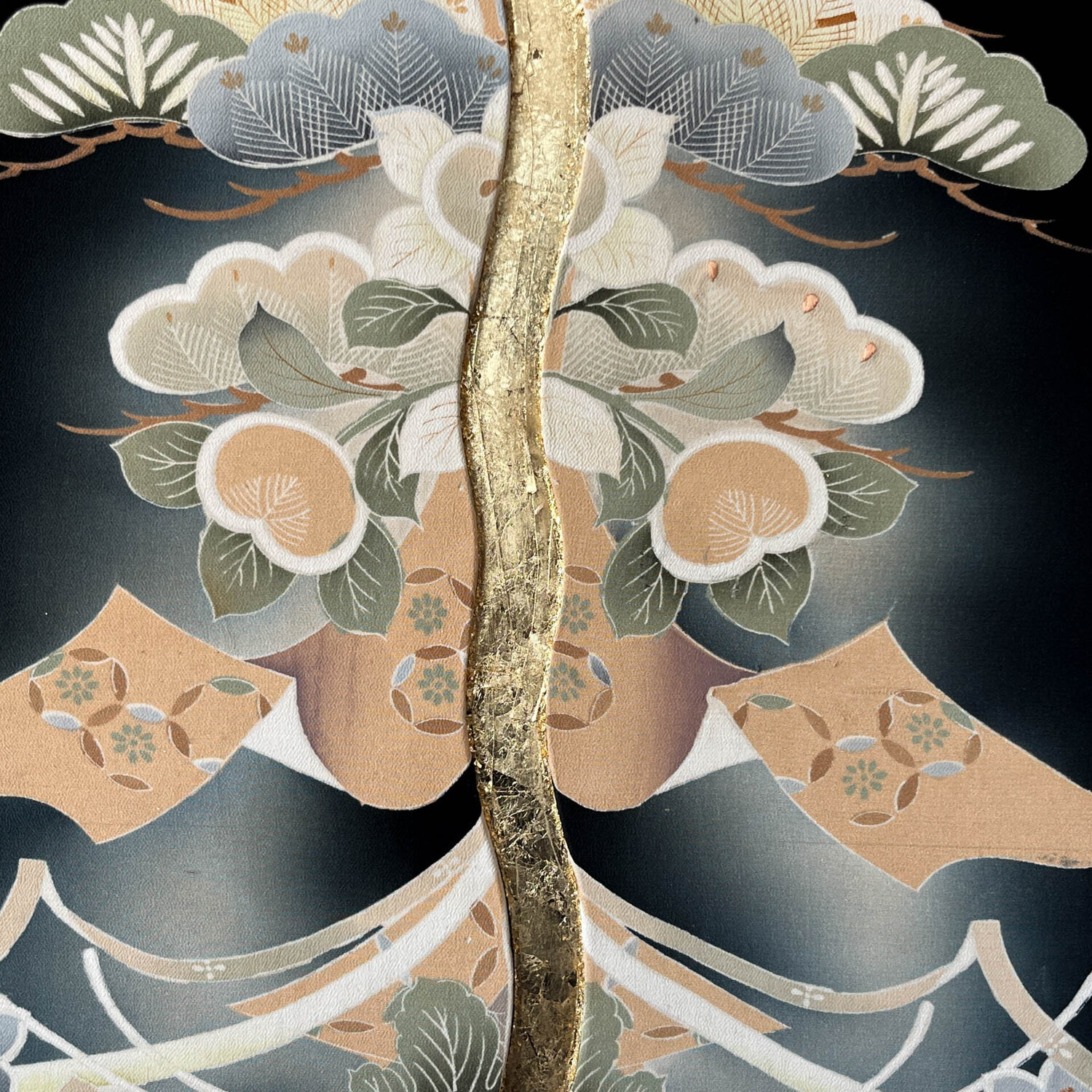
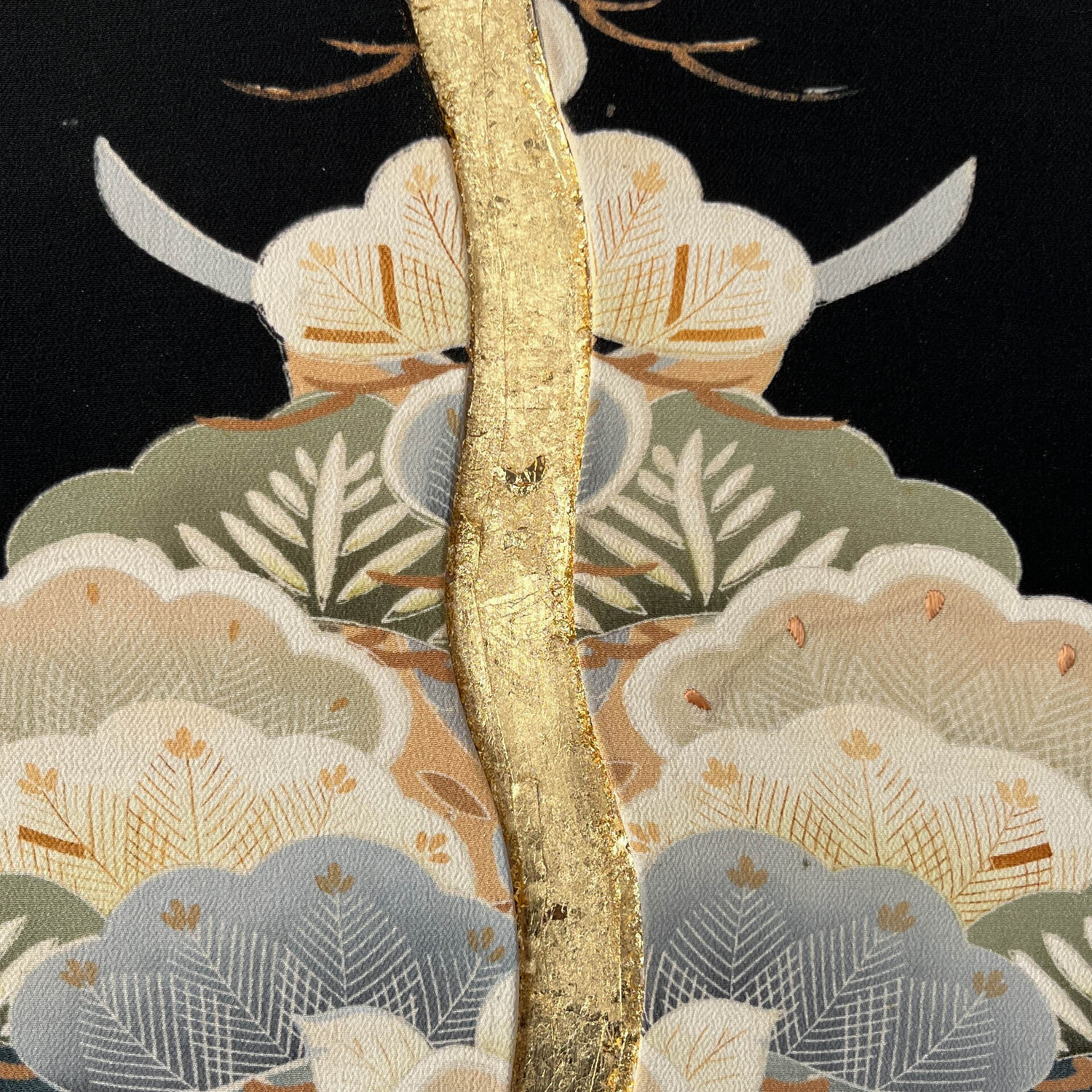
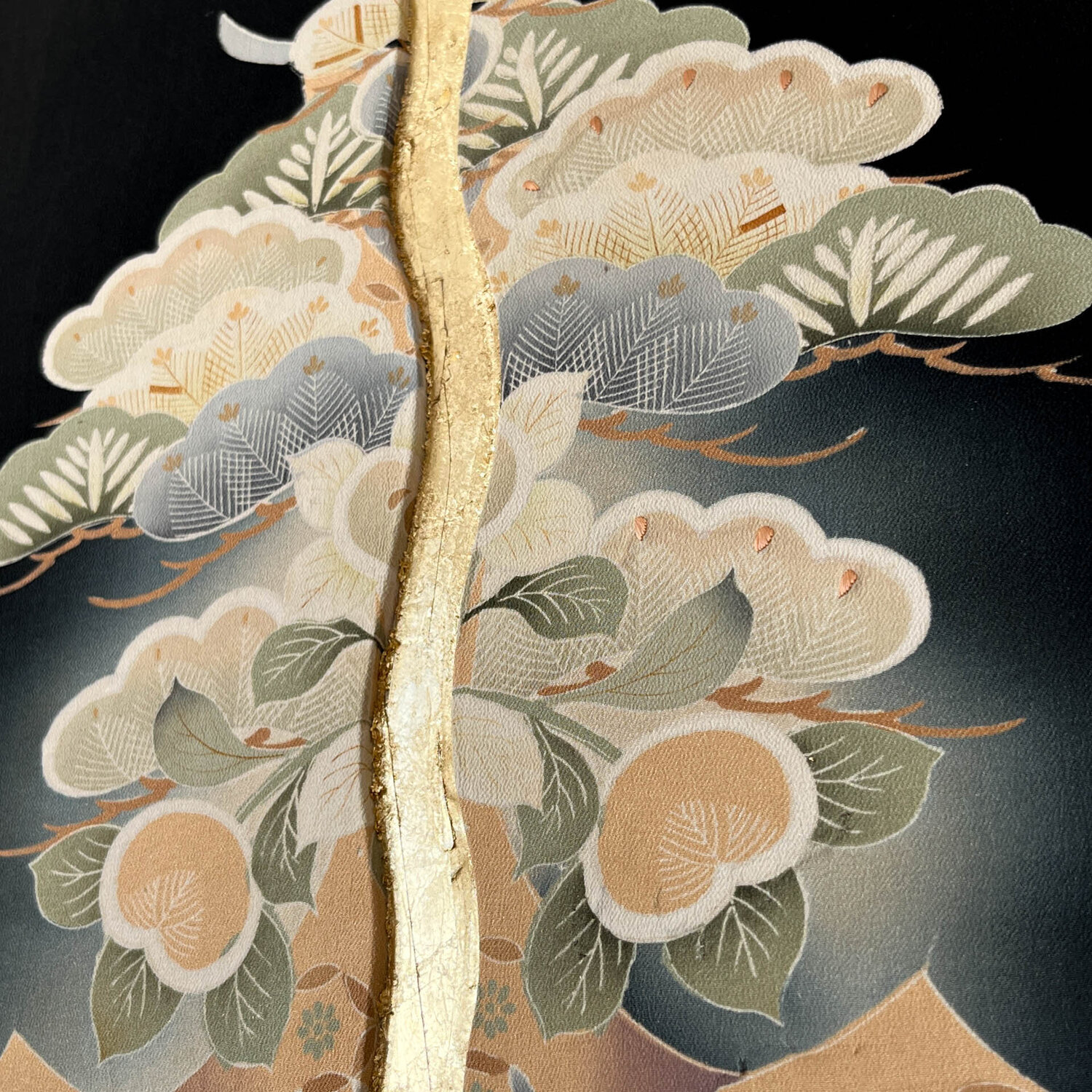
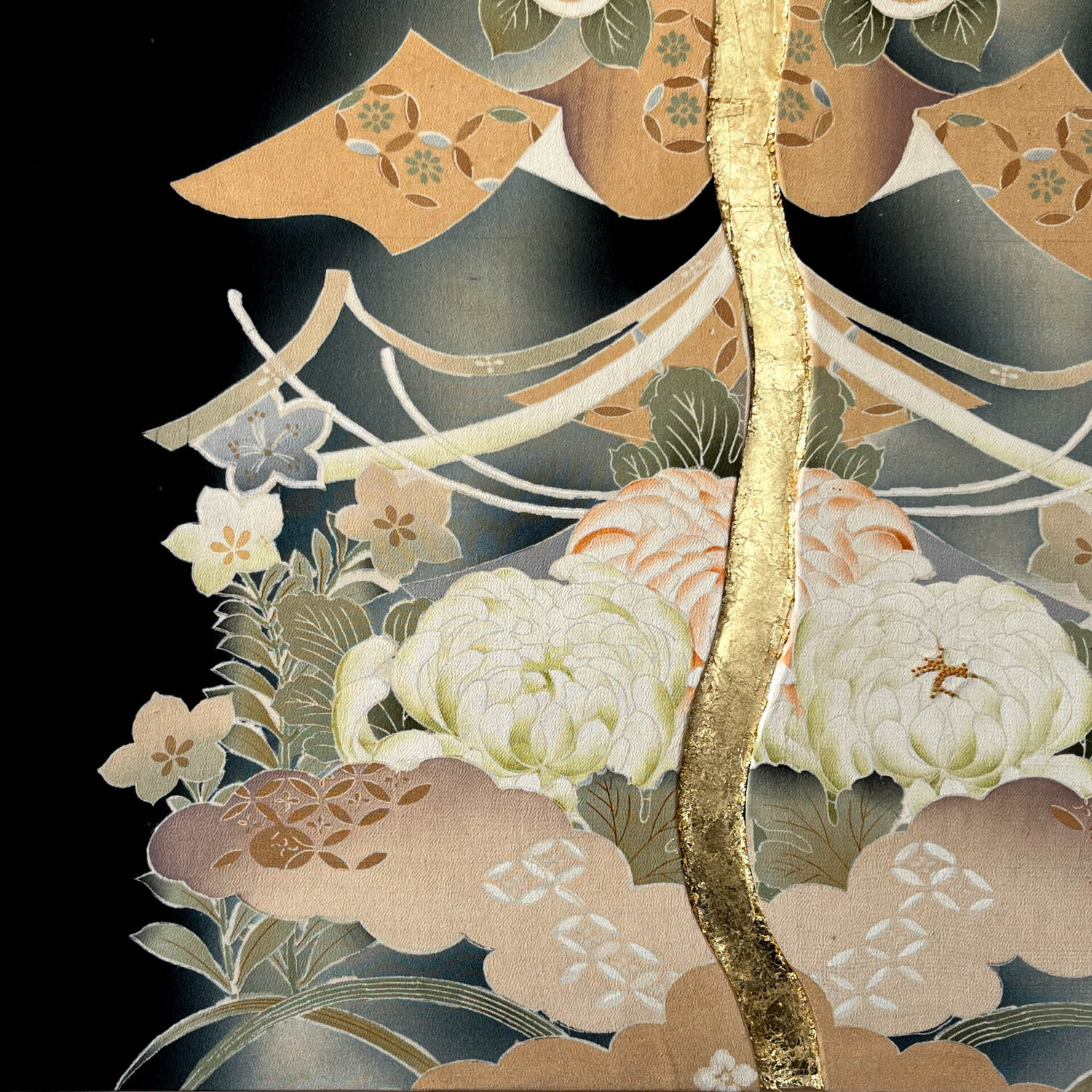
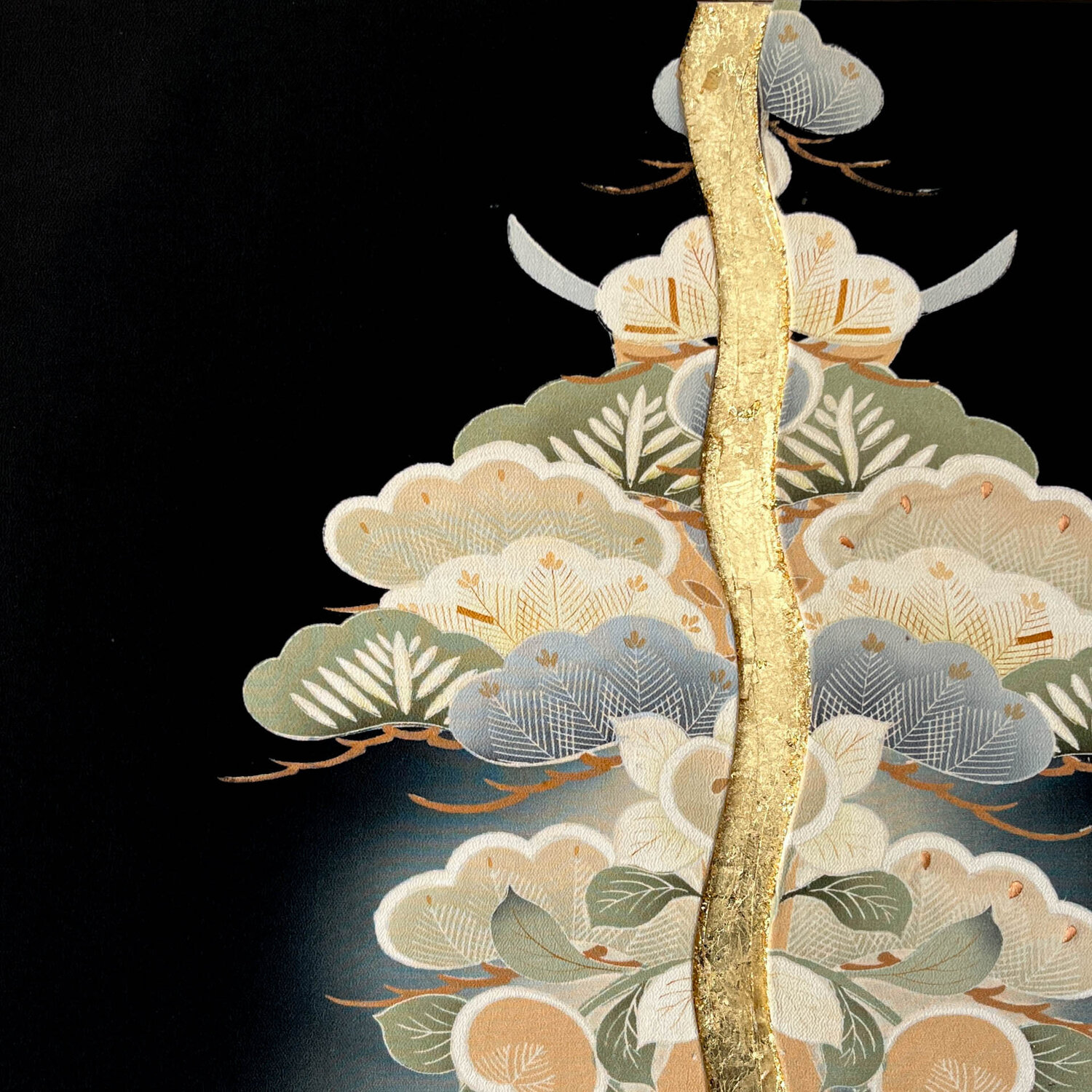
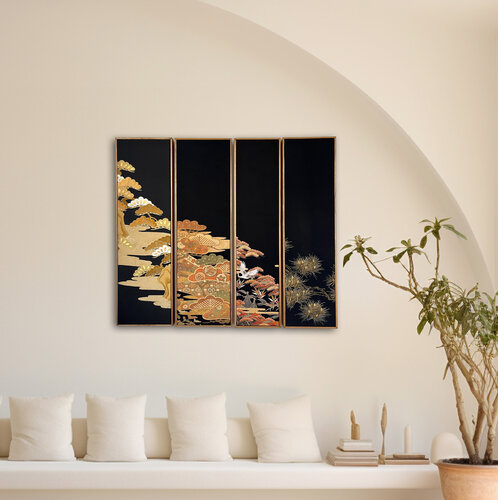
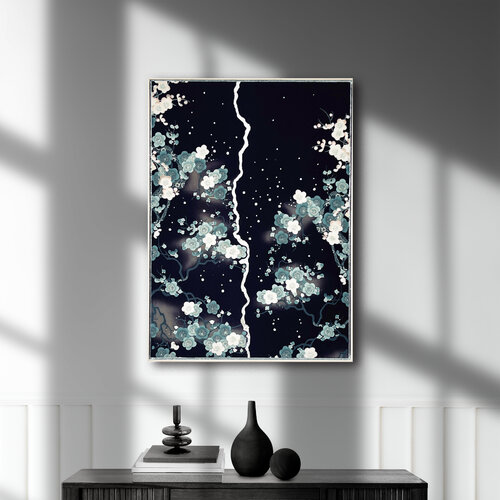
This work uses an antique kimono fabric dated Taisho era (early 1910ies), with a pine tree motif, and arranges it so that it looks like a tree decorated with various auspicious symbols - persimmons, pines, peonies, etc.
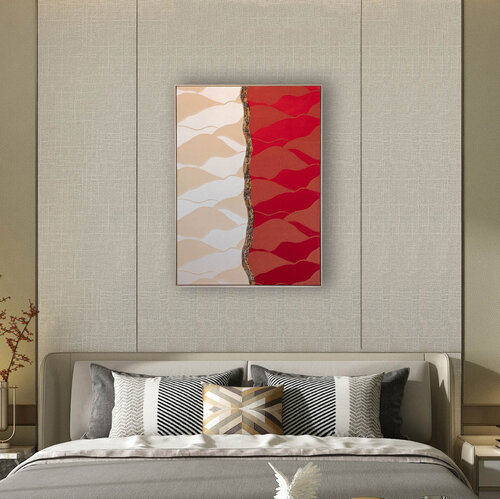
The line in the middle symbolizes “kintsugi” - concept of wabi-sabi, which values imperfection, impermanence, and the beauty of aging.…
[Explanation and meaning of pattern and colors]
The pine tree is revered as a symbol of longevity due to its vibrant green leaves, even during the winter season.
In Japan, it's often referred to as the "evergreen tree" because its leaves remain green throughout the year, making it a symbol of good fortune that has been cherished for a long time.
The fabric is hand-painted in traditional Japanese technique "yuzen".
Lena Okamoto is a Tokyo-based textile artist and the founder of ikasu, an art collective that reimagines antique kimonos into contemporary textile artworks. With a BA in Japanese Cultural Studies and a Master’s degree from Tokyo University, my work blends traditional craftsmanship with a modern aesthetic, exploring themes of memory, identity, and transformation.
Each piece begins with a kimono once worn, loved, and aged. Faded colors and imperfections are honored as traces of time. Upcycling a kimono is a quiet dialogue between past and present.
As a certified Kimono Meister and former creative director in advertising, I bring precision and poetic sensibility to practice. My work has been exhibited internationally, inviting viewers into a space of quiet reflection and emotional connection through layered narratives woven in silk and thread.
For me, textile is memory made visible—a way to preserve, reinterpret, and give new life to cultural heritage.