Not currently available for saleThis piece is currently reserved (either by a client or for an exhibition...).Get notified when it becomes available again.
Thank you very much for your interest!
Your message has been sent successfully! We will get back to you if the artwork becomes available again.
Singulart guarantees reliability and traceability.
All the artists on the platform have been specially selected and certify to only sell works, of which they are the artist. Whatever the medium, the work is sent to the buyer with a certificate of authenticity. Photographs are numbered and signed.
Every customer can be given a copy of their certificate of authenticity by contacting support@singulart.com
With Singulart, you can pay safely by credit card or bank transfer.
For all transactions exceeding your credit limit, contact us. We are required to verify every transfer, as part of the fight against fraud and money laundering.
Singulart prices include:
Price of an artwork defined by an artist.
Insurance. Your order is 100% protected in case of any damage or loss.
All customs fees, taxes, and document preparation.
Third-party logistic provider shipping costs.
A dedicated Singulart customer care specialist that will assist you with any questions or problems during shipment.
Other details :
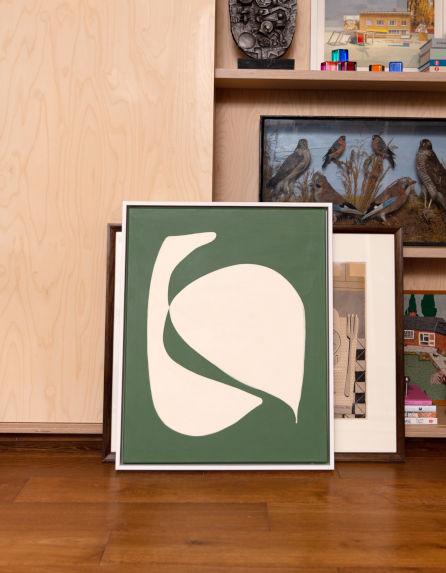
Artwork on supported wooden frame. Artwork framed.
Dimensions :
48x30in
About this artwork
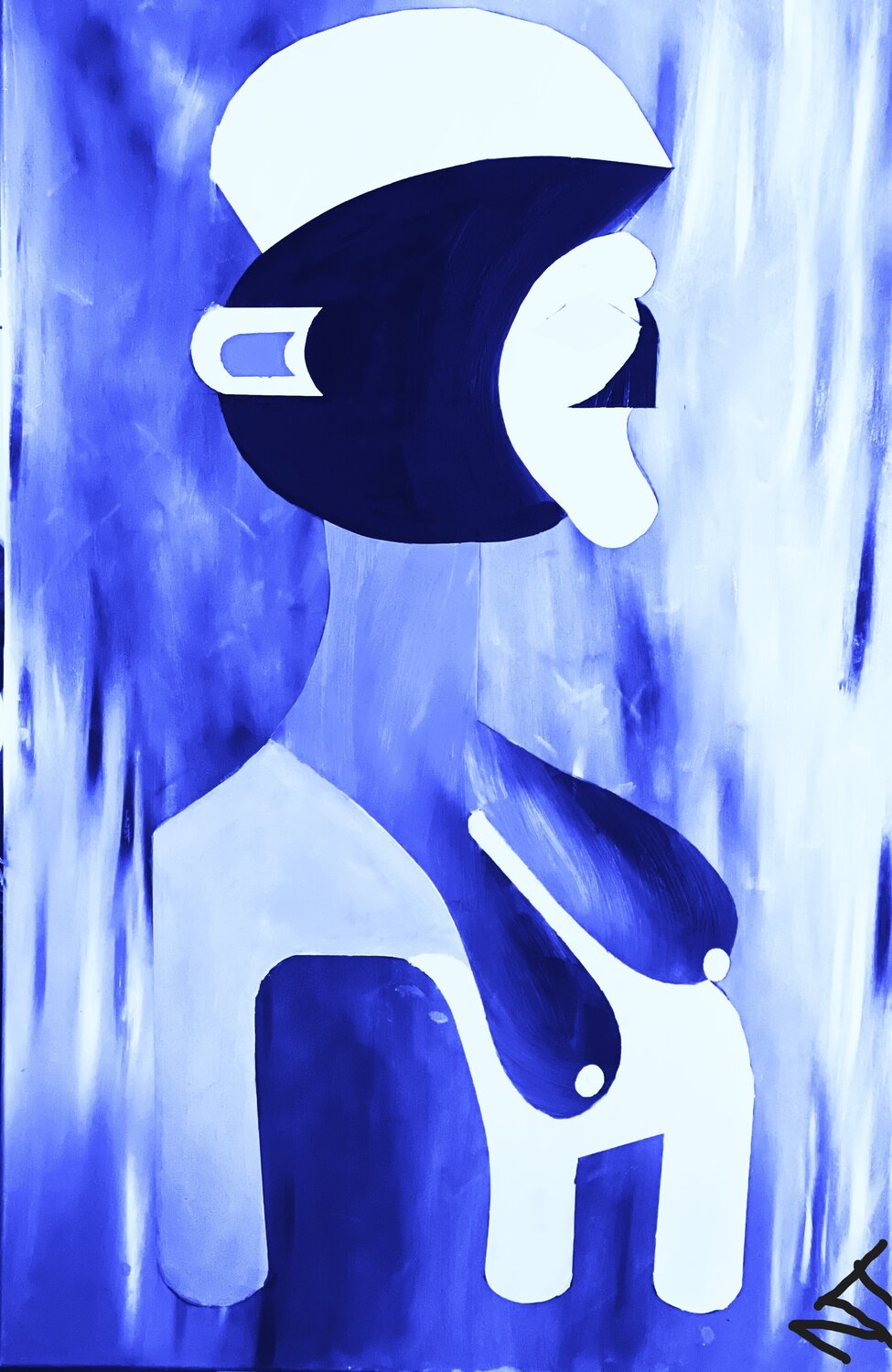
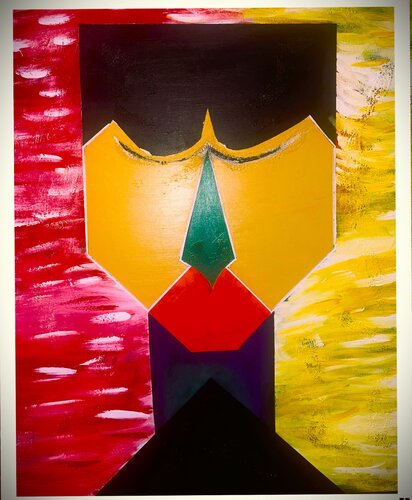
The Nimba Mask, or D'mba Mask, is a revered artifact of the Baga people of Guinea, symbolizing fertility, motherhood, and communal prosperity. Carved from a single piece of wood, the mask features an elongated neck, broad forehead, and large breasts, representing the ideal woman and abundance. Traditionally used in agricultural ceremonies, initiations, weddings, and funerals, it honors fertility, ensures good harvests, and connects generations. Worn… atop the dancer's head with raffia-covered bodies, the mask's performance is accompanied by drumming and communal celebrations. Suppressed during colonial times, the Nimba Mask emerged post-independence as a symbol of national pride and cultural heritage. Today, it is celebrated globally as a masterpiece of African art, reflecting the spiritual and artistic legacy of the Baga people.
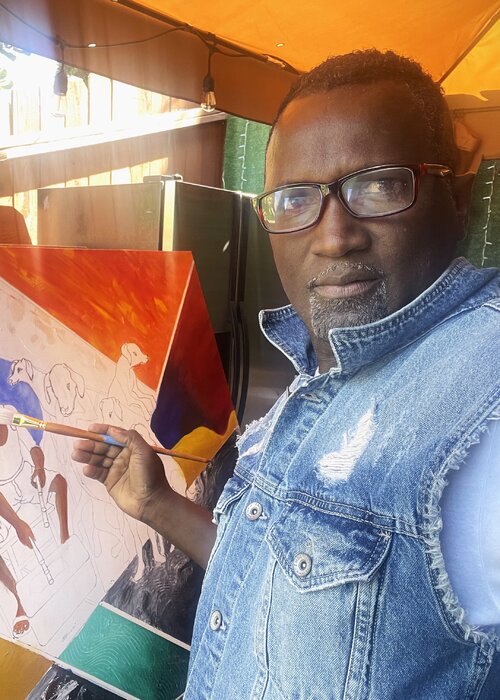
Involved in painting, textiles, and digital art, Narandas Tulsidas is deeply influenced by his philosopher father's teachings. His technique showcases invigorating stories woven with culture, identity, and philosophy, going beyond the canvases. Through his work, Tulsidas bridges human connections and uncovers life's beauty.