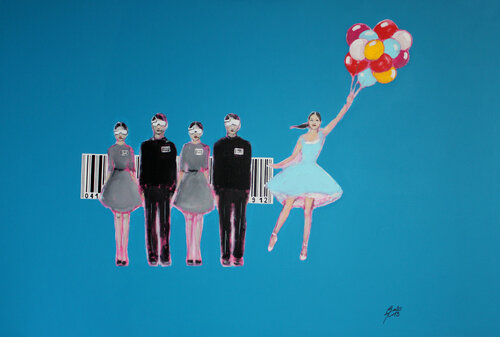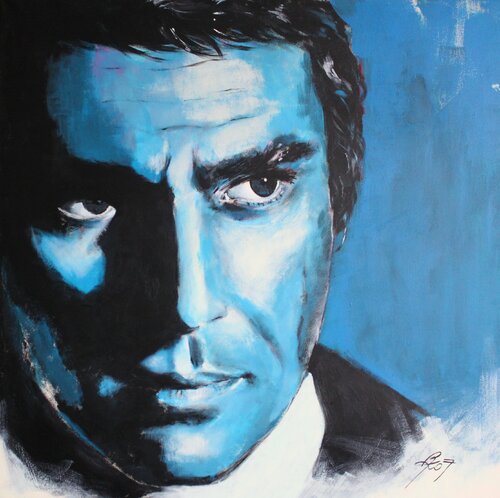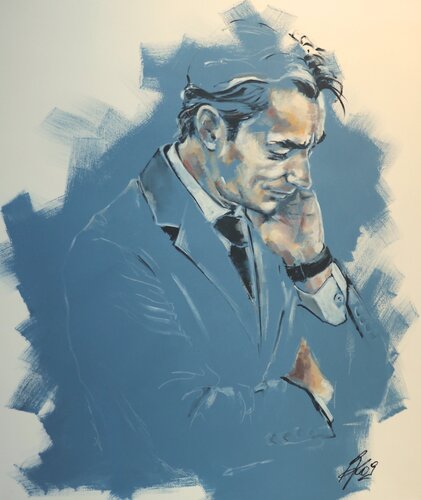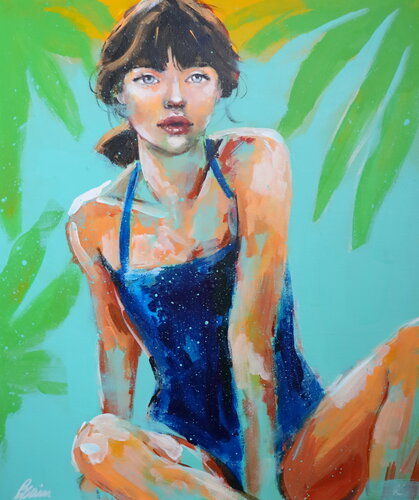



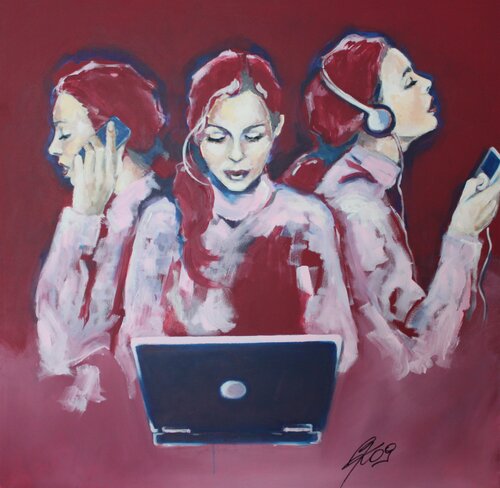
BABYLON
Acrylic, Colored Pencil on Canvas
39x39in
$6,500


Make your artwork stand out
Singulart guarantees reliability and traceability.
All the artists on the platform have been specially selected and certify to only sell works, of which they are the artist. Whatever the medium, the work is sent to the buyer with a certificate of authenticity. Photographs are numbered and signed.
Every customer can be given a copy of their certificate of authenticity by contacting support@singulart.com
With Singulart, you can pay safely by credit card or bank transfer.
For all transactions exceeding your credit limit, contact us. We are required to verify every transfer, as part of the fight against fraud and money laundering.
Singulart prices include:

Austria
Austria
Discover Singulart’s most sought after artists. This section is filled with our collector’s favorites and showcases ongoing trends.
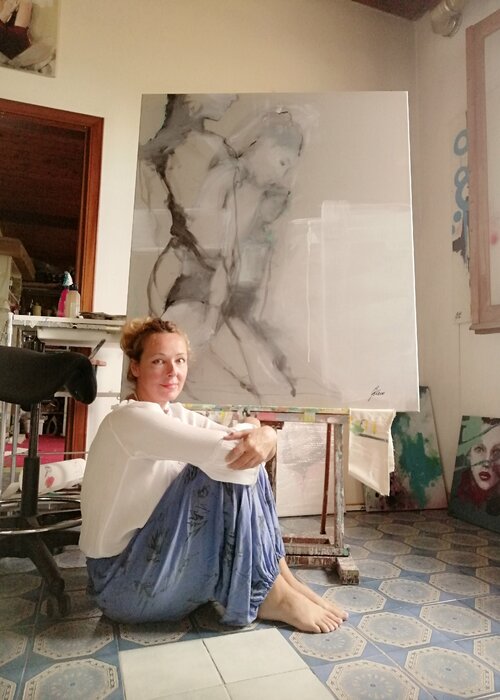
View all bestsellers« My works are authentic, they are emotional, they reflect truth and life lived! »

Latest finds, editor’s choice, VIP perks.

For an exclusive look at the latest works by Petra Kaindel, leave your email address here!