Singulart guarantees reliability and traceability.
All the artists on the platform have been specially selected and certify to only sell works, of which they are the artist. Whatever the medium, the work is sent to the buyer with a certificate of authenticity. Photographs are numbered and signed.
Every customer can be given a copy of their certificate of authenticity by contacting support@singulart.com
With Singulart, you can pay safely by credit card or bank transfer.
For all transactions exceeding your credit limit, contact us. We are required to verify every transfer, as part of the fight against fraud and money laundering.
Singulart prices include:
Price of an artwork defined by an artist.
Insurance. Your order is 100% protected in case of any damage or loss.
All customs fees, taxes, and document preparation.
Third-party logistic provider shipping costs.
A dedicated Singulart customer care specialist that will assist you with any questions or problems during shipment.
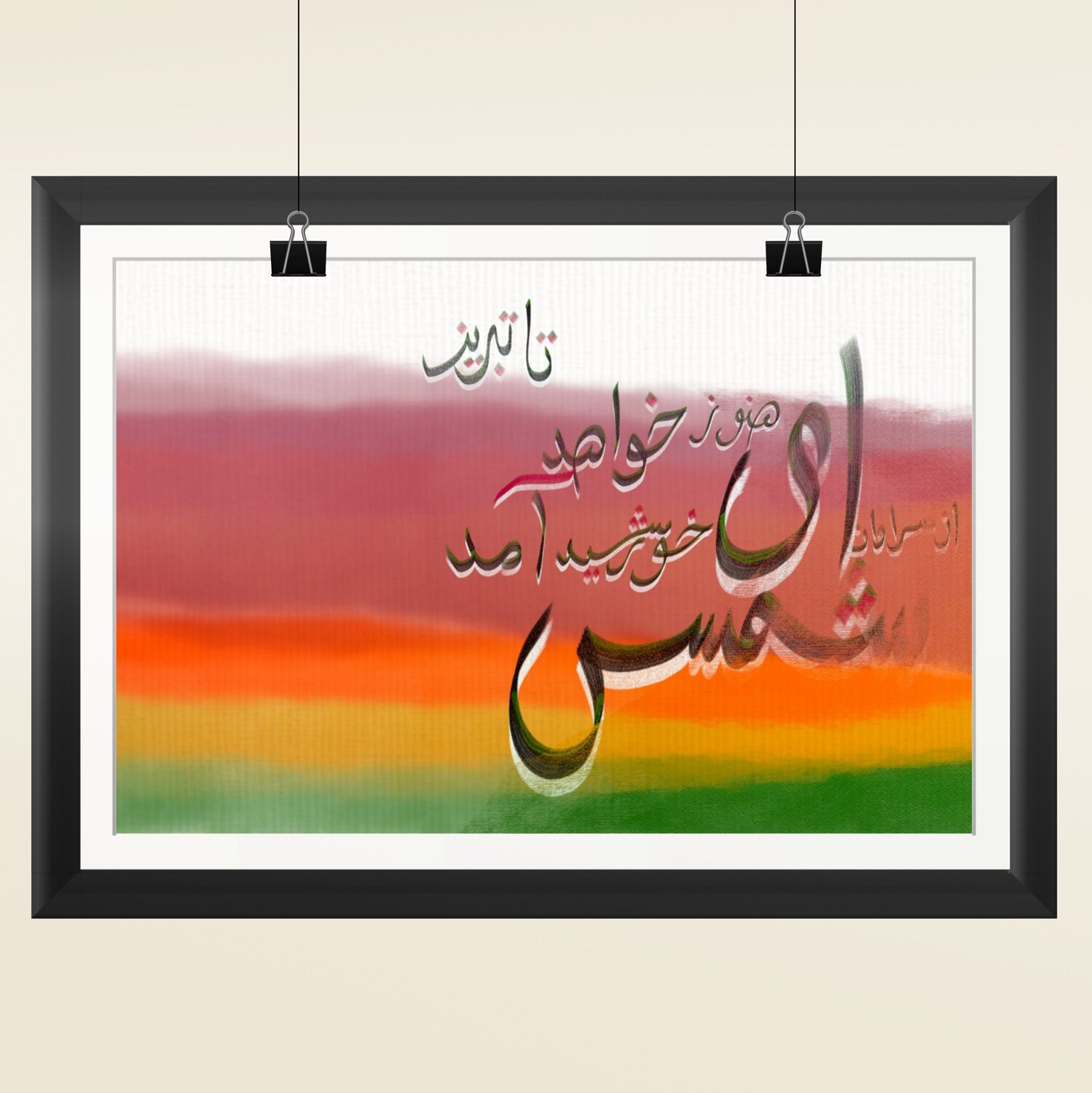
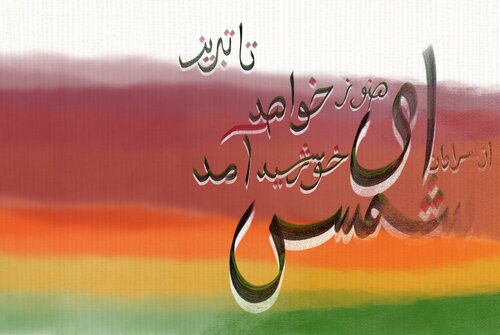
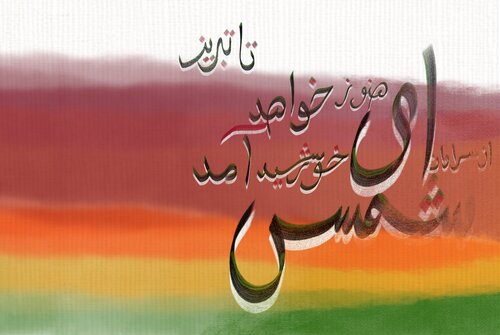
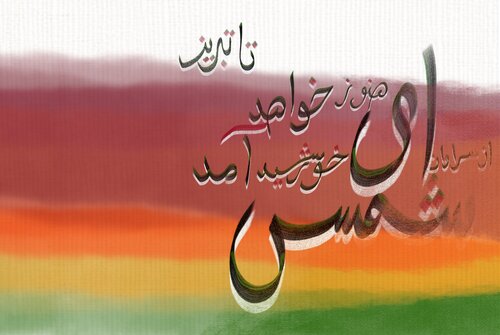
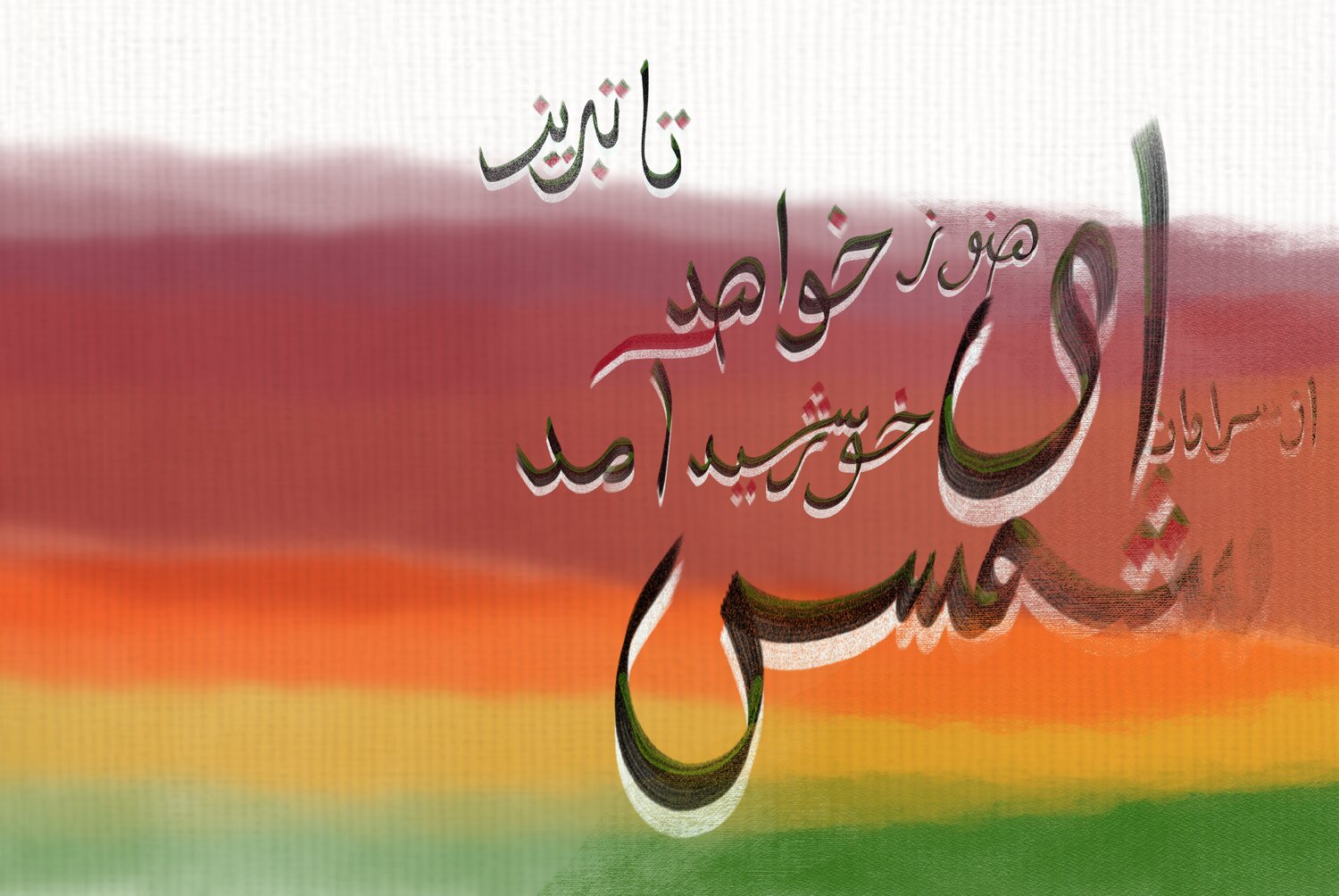
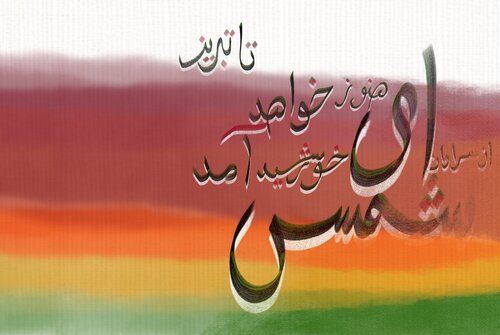
ORIGINAL TEXT (Persian/Farsi)
از تبریز تا سراوان
هنوز خورشید خواهد آمد
ای شمس
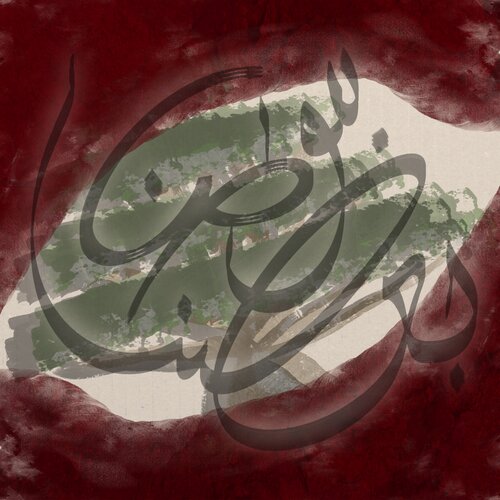
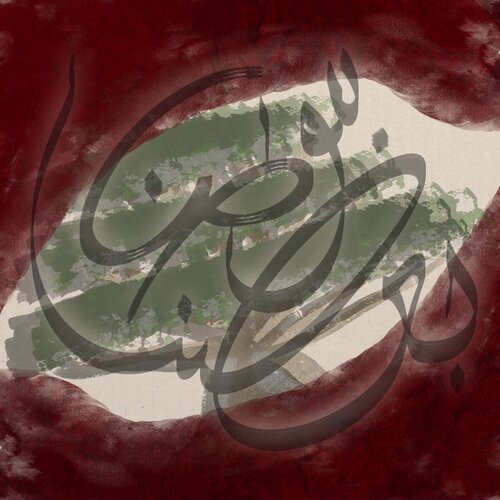
ARABIC VERSION (translation)
من تبريز إلى سراوان
ستشرق الشمس
يا شمس
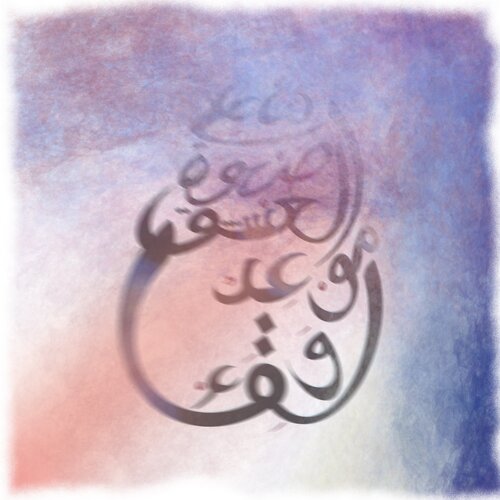
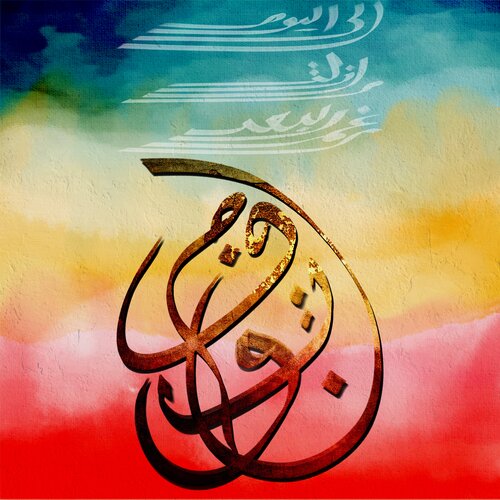
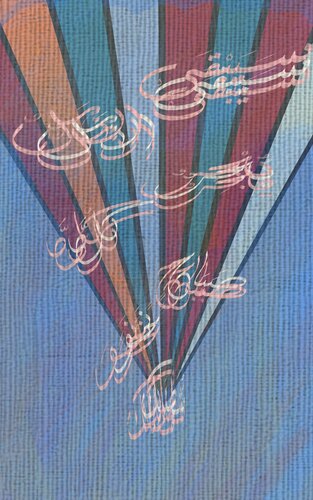
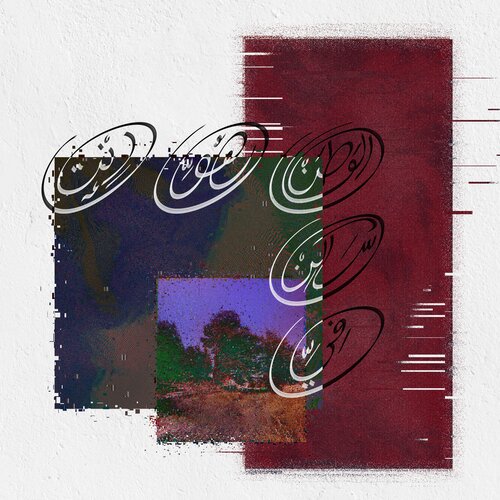
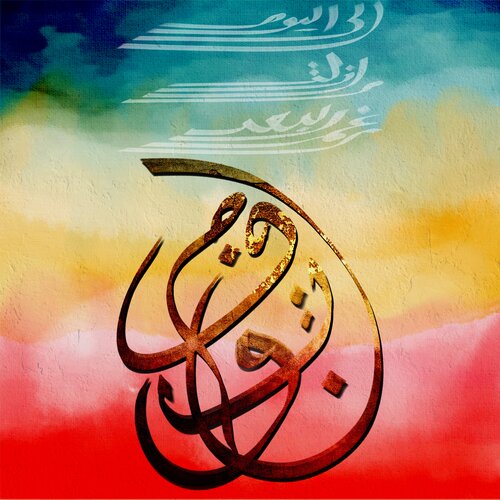
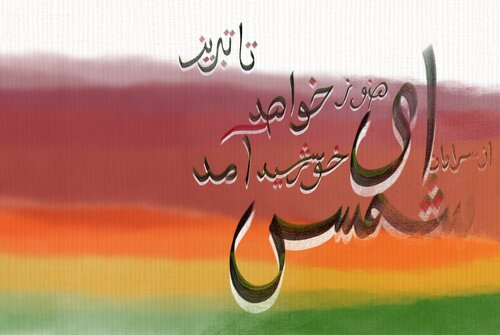
This captivating print, "Message from Rumi," brings a profound imagined dialogue to life. Rendered digitally on high-quality paper, the artwork captures a poignant promise from Molana Rumi to Shams Al Tabrizi: "From Tabriz to Saravan, the sun will come again, O Shams." This piece speaks to themes of hope… and resilience, offering a message of light emerging after periods of darkness.
The abstract and conceptual style, infused with elements of Persian and Arabic calligraphy and typography, creates a visually rich experience. Its medium size makes it a versatile addition to any space, whether gracing a home office as a source of daily inspiration or adding a thoughtful touch to a living room.
It's an invitation to reflect on your own journey and the light that always follows. Discover the power of this contemporary artwork.
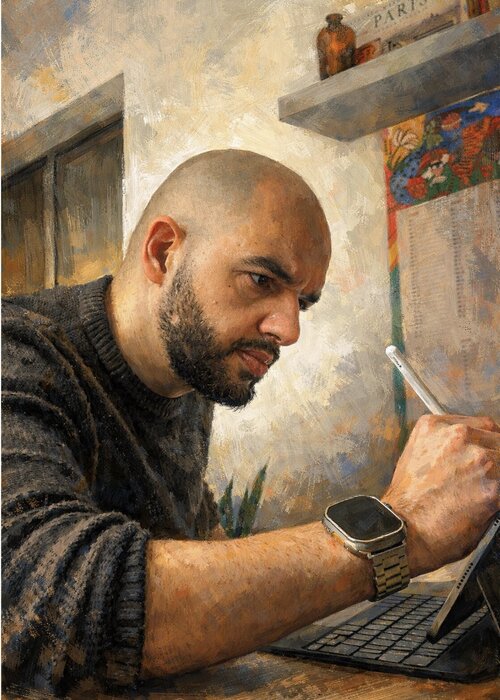
I am not a calligrapher. I am a poet who writes by hand.
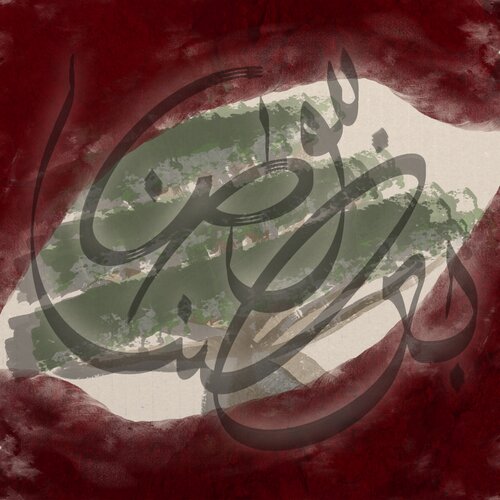
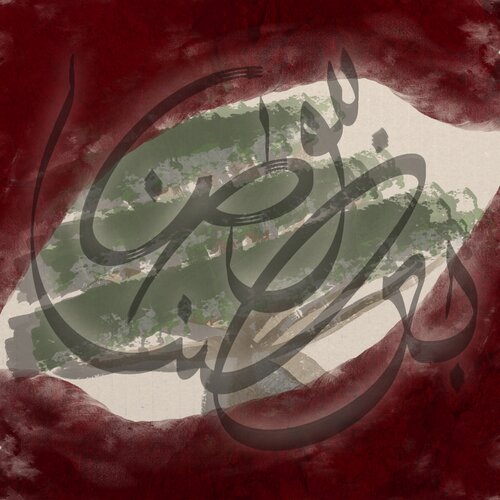
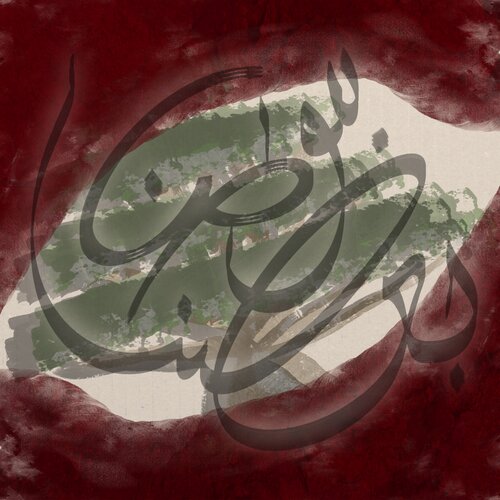
The Arabic script in my work is my own — composed, not transcribed. Each piece begins as a poem written in the margins of a life spent between conflict zones, peacekeeping missions, and displacement. Fifteen years across Lebanon, the Arab world, and international humanitarian work left me with a particular relationship to language: as witness, as survival, as the thing that holds when institutions fail and borders shift.
ENJZ — which means accomplish in Arabic — carries the initials of what I cannot afford to lose.
The work asks what happens when a private text enters visual space. When handwriting becomes image. When a poem written in exile finds a surface large enough to breathe. The background does not decorate the script — it is the atmosphere the poem already inhabits: fragile, luminous, not entirely resolved.
I make these works in Madrid. I think in Arabic. I am still, in some sense still in Lebanon.