

Singulart guarantees reliability and traceability.
All the artists on the platform have been specially selected and certify to only sell works, of which they are the artist. Whatever the medium, the work is sent to the buyer with a certificate of authenticity. Photographs are numbered and signed.
Every customer can be given a copy of their certificate of authenticity by contacting support@singulart.com
With Singulart, you can pay safely by credit card or bank transfer.
For all transactions exceeding your credit limit, contact us. We are required to verify every transfer, as part of the fight against fraud and money laundering.
Singulart prices include:
Price of an artwork defined by an artist.
Insurance. Your order is 100% protected in case of any damage or loss.
All customs fees, taxes, and document preparation.
Third-party logistic provider shipping costs.
A dedicated Singulart customer care specialist that will assist you with any questions or problems during shipment.
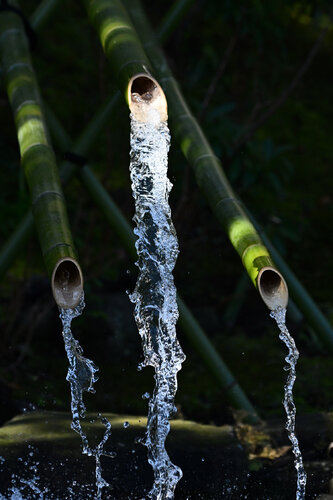
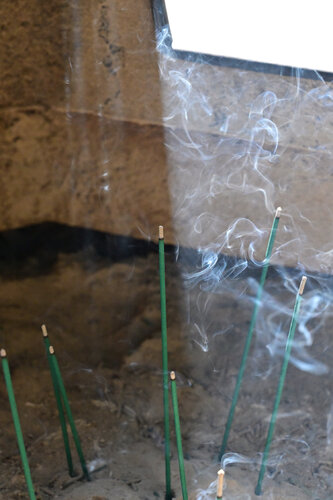
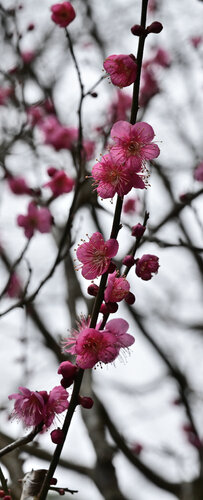
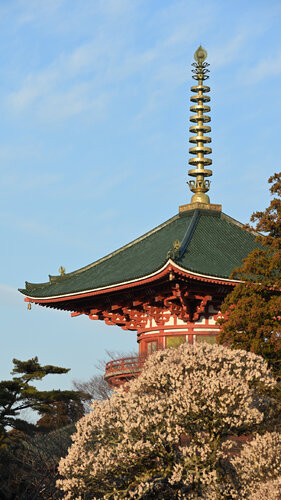
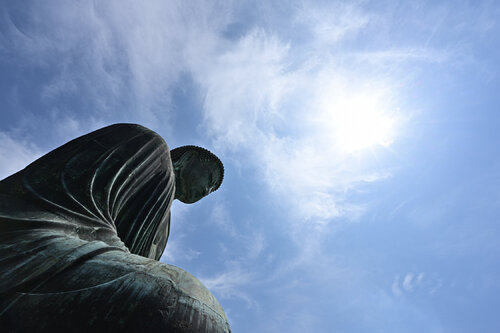
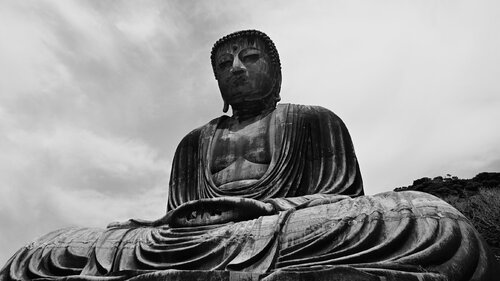
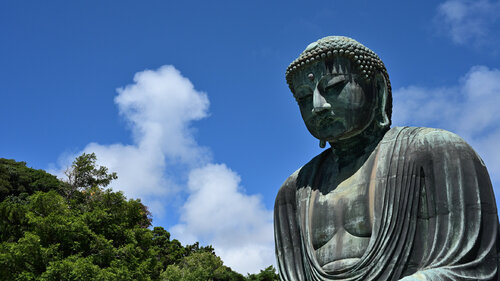
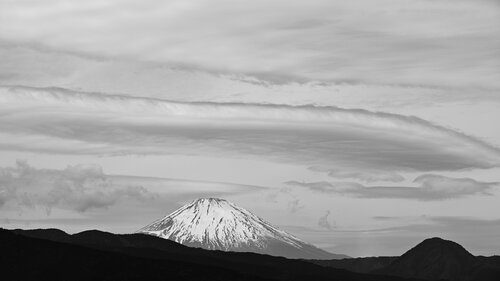
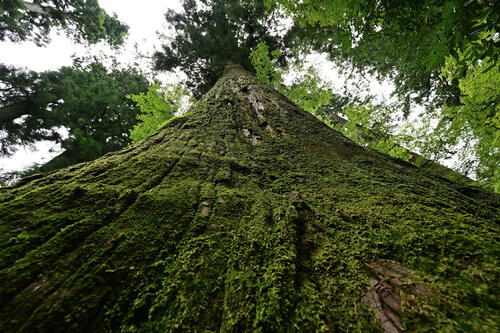
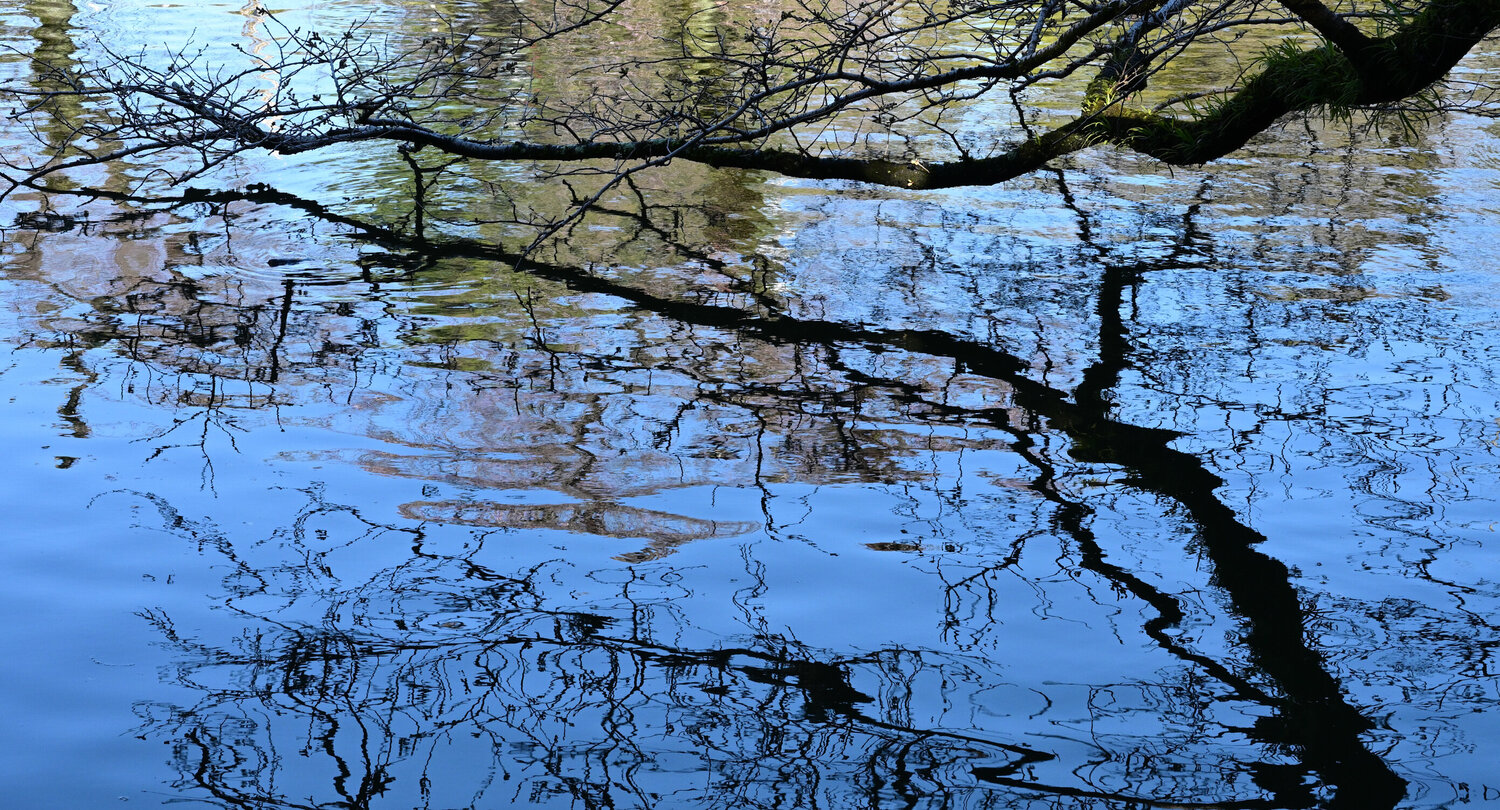
This photo is taken in March 2024 in a Shinto shrine Mishima Taisha (established ca. 8th century), Mishima City, Shizuoka Prefecture, Japan.
Print size: 39x21.5 cm. (15x8 inches).
White borders of 5-8mm (0.2-0.3 inches) width.
Aspect ratio: 3:2
Silver halide printing on Fujicolor Professional DP II Lustre photopaper with vibrant colors and a fingerprint-resistant finish.
Ships flat from Japan in a sturdy bend-resistant envelope.
Custom order… fulfillment (printing in different size or on different photopaper etc.) is possible. Please inquire.
This artwork suits a broad audience of private collectors, cultural institutions, corporate clients, resorts and hotels, wellness centers, medical clinics.
Anatoliy Anshin has lived in Japan for over 20 years. He earned his Ph.D. in pre-modern Japanese history and published a number of academic articles and a monograph in the field. He also became a teacher of Japanese swordsmanship, Kendo. Quite late in his life, he has embarked on picturing Japan's nature and historical sites through fine art photography.
Anshin’s photography is not preoccupied with stereotypical exotics, neither is it about merely capturing things Japanese, however beautiful they might look. It is aimed at visualizing and reconnecting with the spirituality of ancient culture that, although often lacking in modern daily life, is still accessible if we keep our hearts and minds open. He hopes his images will serve as landmarks to this rich and meaningful cultural heritage.