Singulart guarantees reliability and traceability.
All the artists on the platform have been specially selected and certify to only sell works, of which they are the artist. Whatever the medium, the work is sent to the buyer with a certificate of authenticity. Photographs are numbered and signed.
Every customer can be given a copy of their certificate of authenticity by contacting support@singulart.com
With Singulart, you can pay safely by credit card or bank transfer.
For all transactions exceeding your credit limit, contact us. We are required to verify every transfer, as part of the fight against fraud and money laundering.
Singulart prices include:
Price of an artwork defined by an artist.
Insurance. Your order is 100% protected in case of any damage or loss.
All customs fees, taxes, and document preparation.
Third-party logistic provider shipping costs.
A dedicated Singulart customer care specialist that will assist you with any questions or problems during shipment.
Other details :
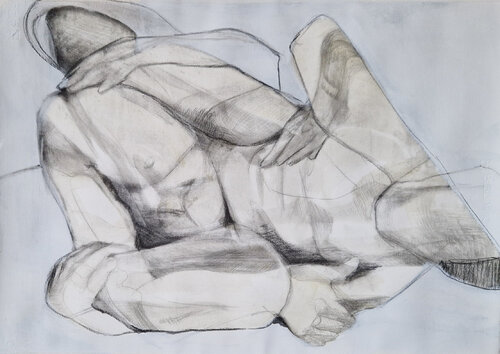
Artwork on supported wooden frame. Ready to hang. Framing on request.
Dimensions :
31.5x23.6in
About this artwork
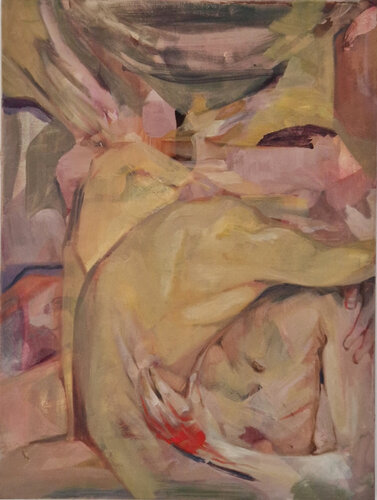
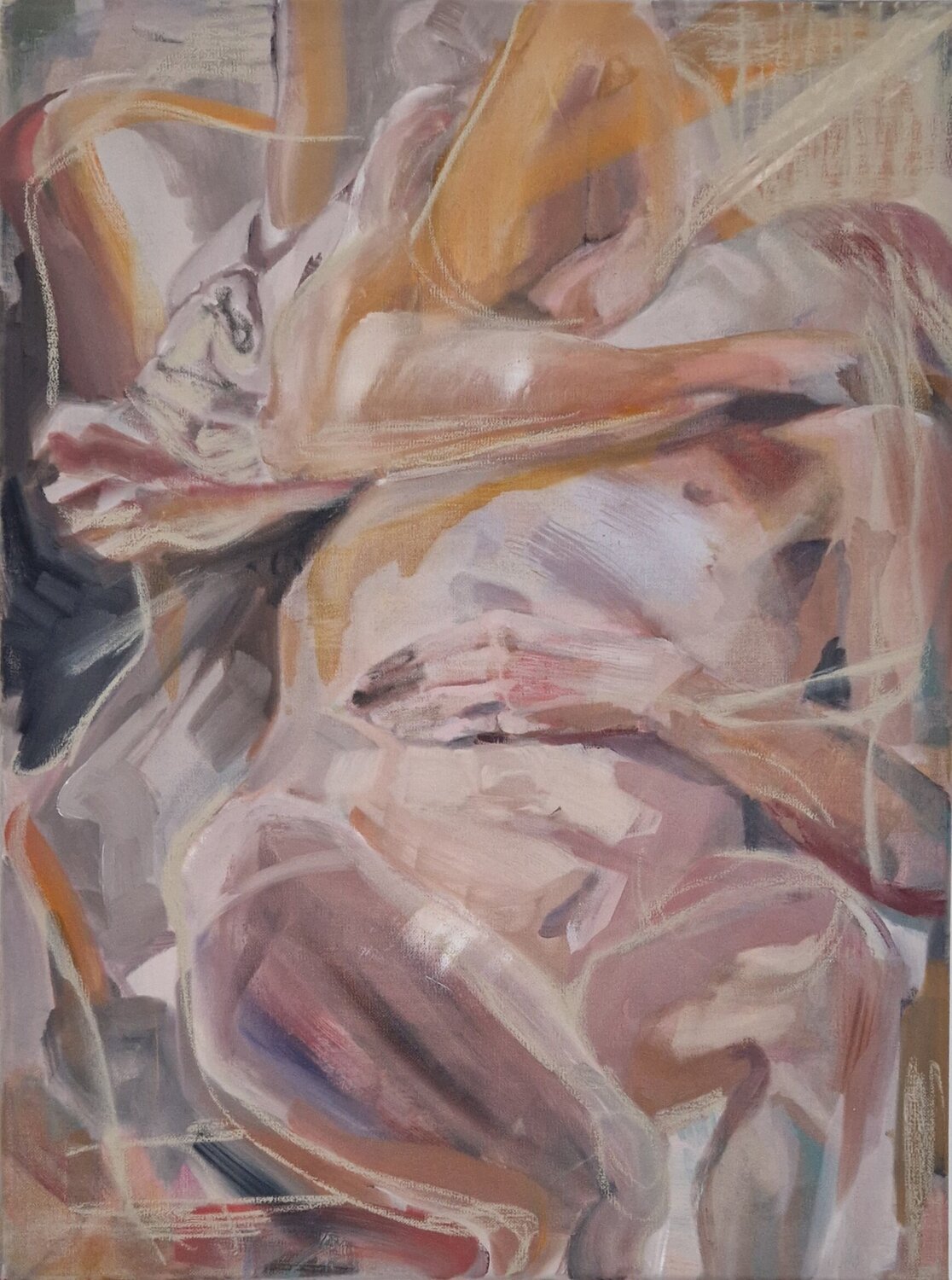
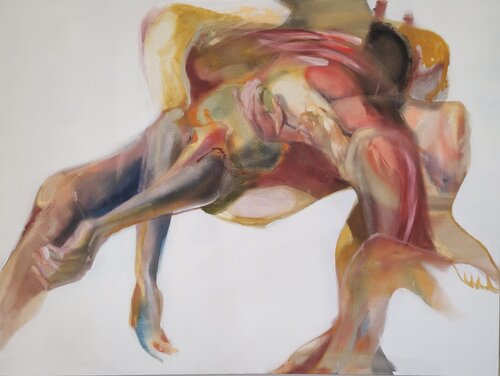
In a swirl of lines and muted colour, a dynamic yet tender embrace is depicted, ambiguous but with visual hints at what may or may not be. The artwork ‘To Love Somebody’ uses a soft palette with subtle contrasts to portray a sense of longing and nostalgia. The fragmented forms create a shapeshifting between the self and its surroundings. The human body and physical connections between people are at once concrete and elusive; from this base, I explore… reality and imagination, desire and memory.
This piece is sold unframed. It will be carefully packaged in mostly repurposed shipping materials.
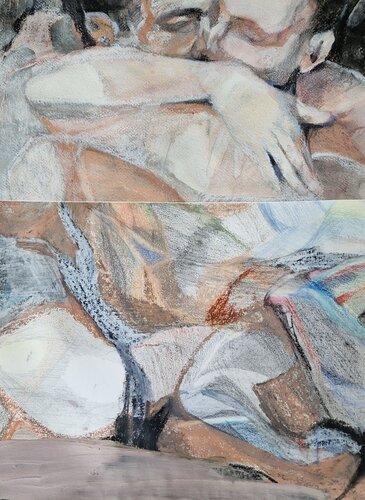
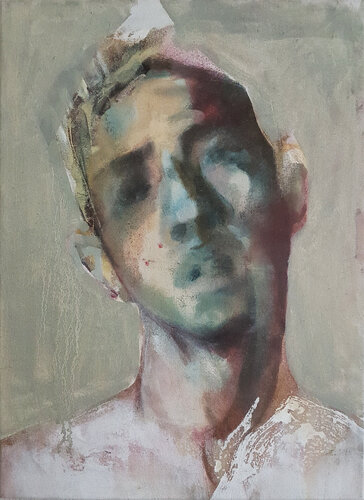
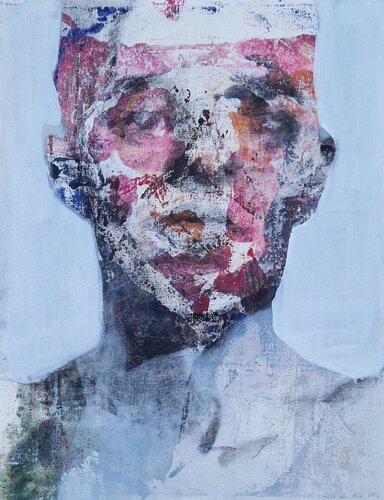
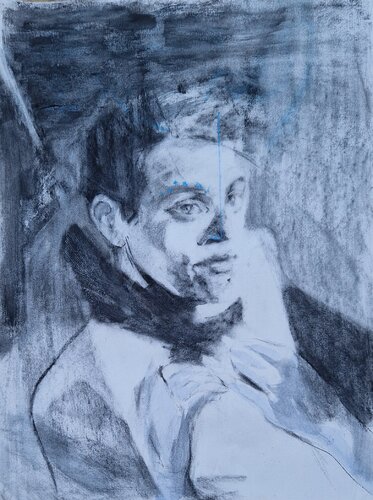
Dick van Dijk is an Amsterdam-based artist who draws and paints. His work is inspired by the male figure and balances between control and intuition. Dick compares his process to collage, composing, modifying, deconstructing and reconstructing human shapes in layers of paint and colour. Painterly discoveries during the working process create new elements and dynamics. In doing so, he seeks a duality between recognisable forms and less elaborate parts to create a lively image. In some works, (parts of) figures are hidden, while in other works bodies appear, visual clues to what is or is not there. The results are bodily forms that tell layered stories of freedom and intimacy, close to the skin and viewed through the lens of memory and expectation.