Not currently available for saleThis piece is currently reserved (either by a client or for an exhibition...).Get notified when it becomes available again.
Thank you very much for your interest!
Your message has been sent successfully! We will get back to you if the artwork becomes available again.
Singulart guarantees reliability and traceability.
All the artists on the platform have been specially selected and certify to only sell works, of which they are the artist. Whatever the medium, the work is sent to the buyer with a certificate of authenticity. Photographs are numbered and signed.
Every customer can be given a copy of their certificate of authenticity by contacting support@singulart.com
With Singulart, you can pay safely by credit card or bank transfer.
For all transactions exceeding your credit limit, contact us. We are required to verify every transfer, as part of the fight against fraud and money laundering.
Singulart prices include:
Price of an artwork defined by an artist.
Insurance. Your order is 100% protected in case of any damage or loss.
All customs fees, taxes, and document preparation.
Third-party logistic provider shipping costs.
A dedicated Singulart customer care specialist that will assist you with any questions or problems during shipment.
Other details :
Unmounted artwork. Mounting and/or framing available on request.
Dimensions :
19.7x24.4in
About this artwork
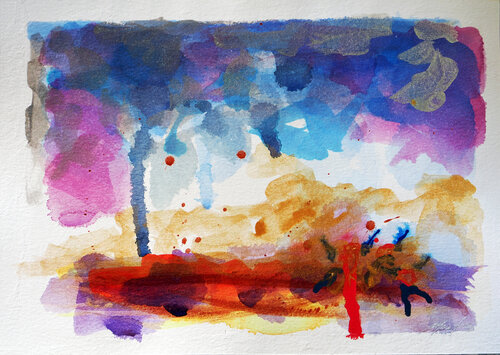
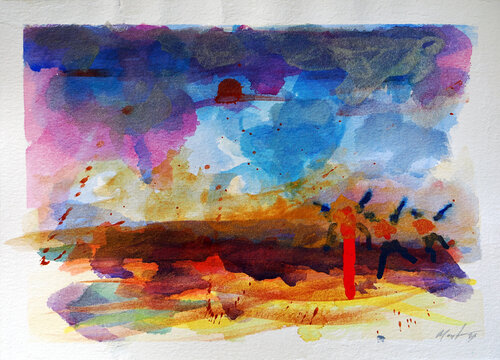
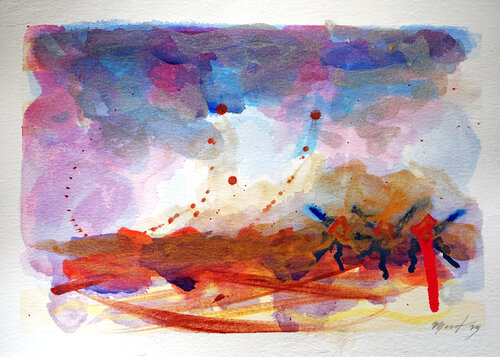
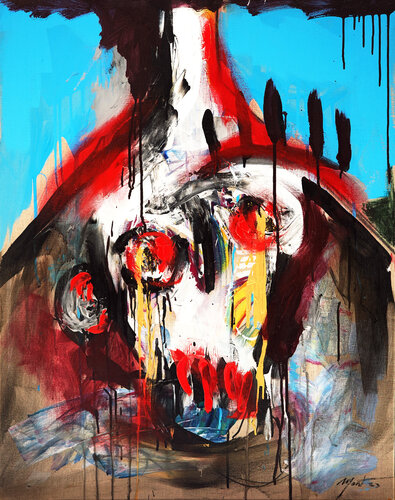
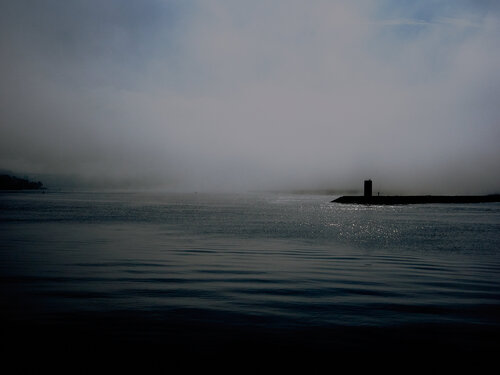
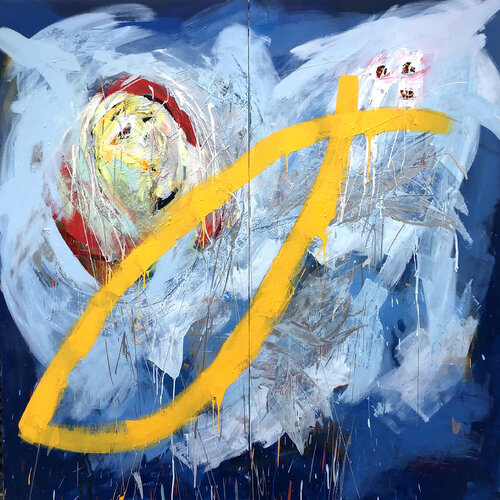
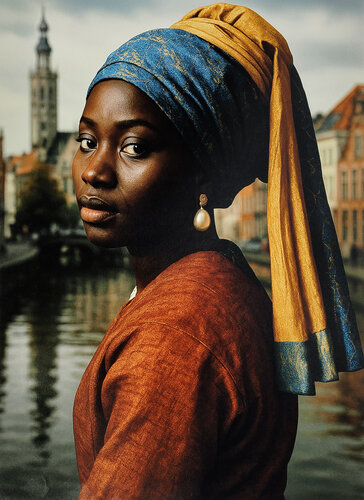
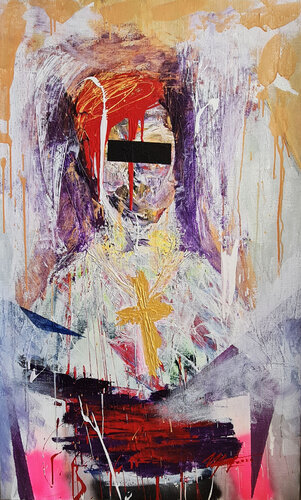
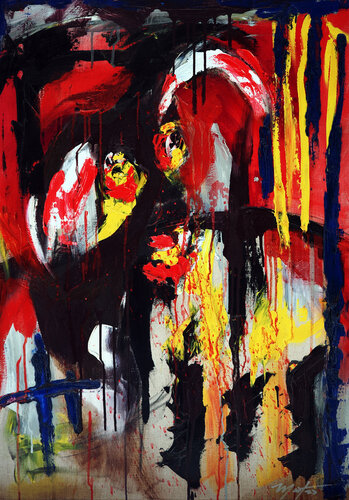
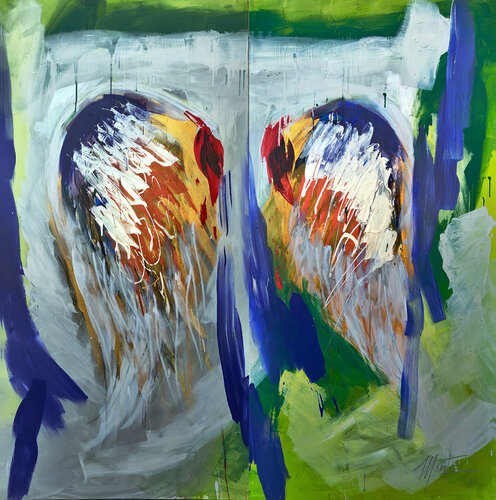
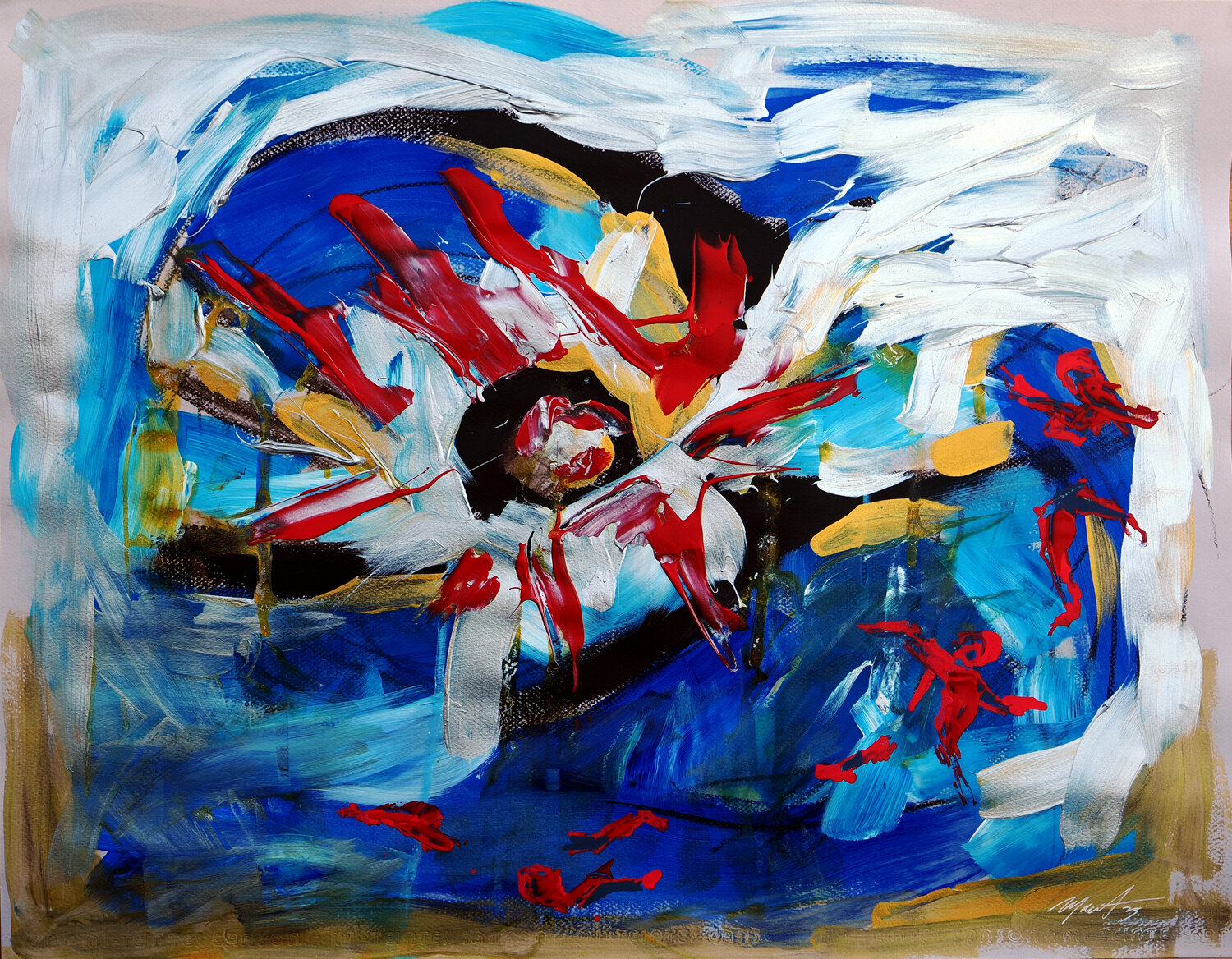
The distinction between monster and human begins to dissolve. Space is no longer a battlefield, but an intermediate zone, a mixture, a symbiosis. Forms contaminate one another: the abyssal creature and the human figure confront each other, but also reflect one another. The sea acts here as a symbolic apex of exile: it not only threatens, but also transforms. Matter accumulates in areas of tension, revealing pictorial scars that are also historical… scars. Here, it is no longer a matter of struggle, but of survival from within the wound.
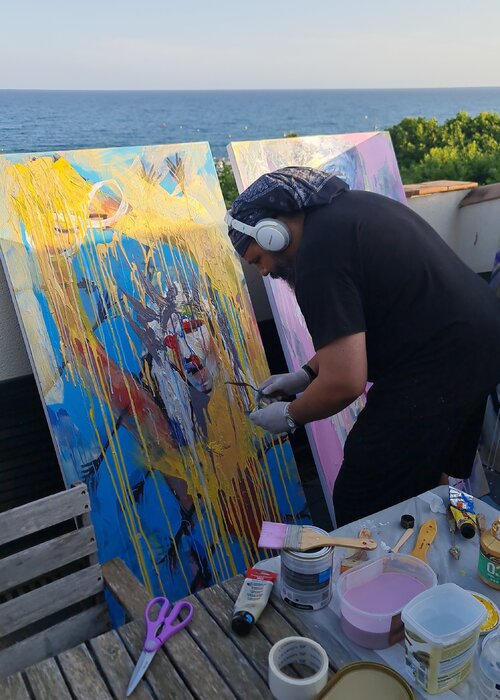
Ian Mont (Puerto Padre, 1972) paints the memory that exile fragmented.
He exhibited in Cuba during the 1990s until a scholarship brought him to Spain in 2006. He never returned. Between 2006 and 2018, he survived by working in technology, the painting being buried along with the works he couldn't get off the island.
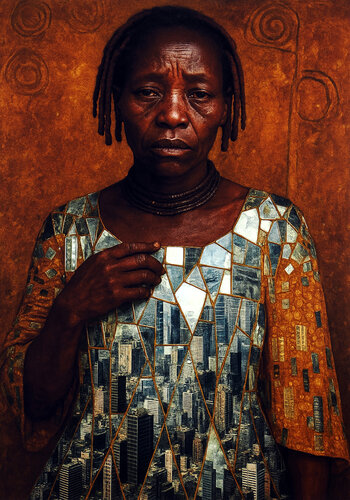
Since 2018, he has returned to oil, burlap, and rough materials, but his practice has mutated. He combines traditional painting with artificial intelligence applied to historical archives, working with photographs of Ellis Island and colonial records to reconstruct what was silenced. The series "Iconoclasms" and "Animals in Conflict" dismantle sacred and national symbols to reveal their hidden violence.
From Barcelona, he develops a visual archaeology of Atlantic migration. He doesn't seek beauty, he seeks testimony. The wound doesn't heal, it breathes.