Singulart guarantees reliability and traceability.
All the artists on the platform have been specially selected and certify to only sell works, of which they are the artist. Whatever the medium, the work is sent to the buyer with a certificate of authenticity. Photographs are numbered and signed.
Every customer can be given a copy of their certificate of authenticity by contacting support@singulart.com
With Singulart, you can pay safely by credit card or bank transfer.
For all transactions exceeding your credit limit, contact us. We are required to verify every transfer, as part of the fight against fraud and money laundering.
Singulart prices include:
Price of an artwork defined by an artist.
Insurance. Your order is 100% protected in case of any damage or loss.
All customs fees, taxes, and document preparation.
Third-party logistic provider shipping costs.
A dedicated Singulart customer care specialist that will assist you with any questions or problems during shipment.
Other details :
Artwork on supported wooden frame. Artwork framed.
Dimensions :
39.4x31.5in
About this artwork
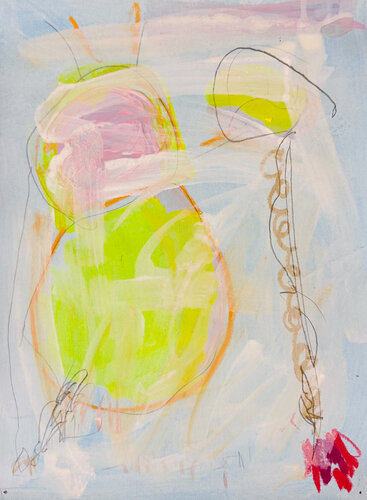
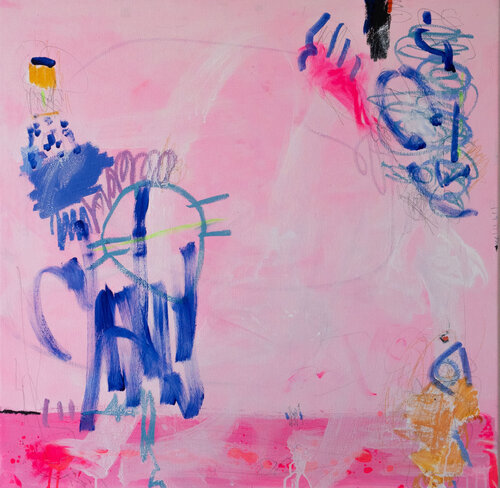
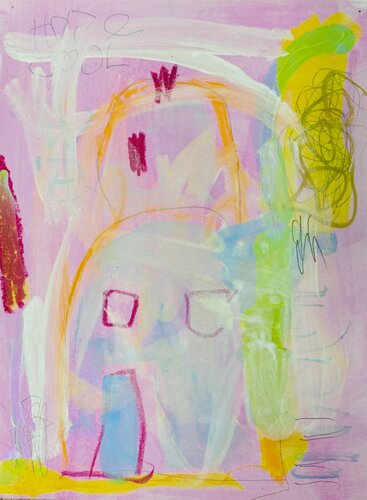
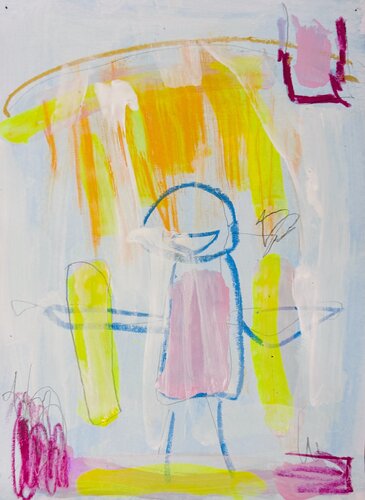
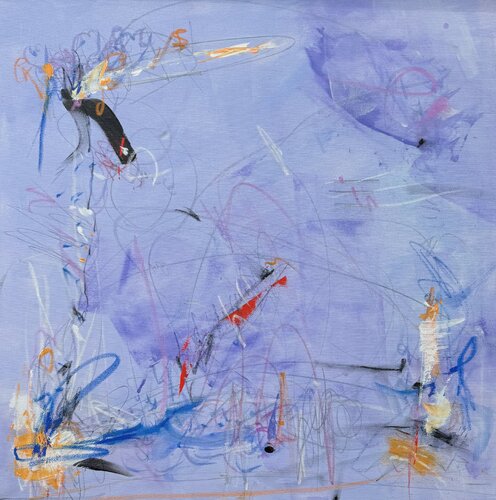
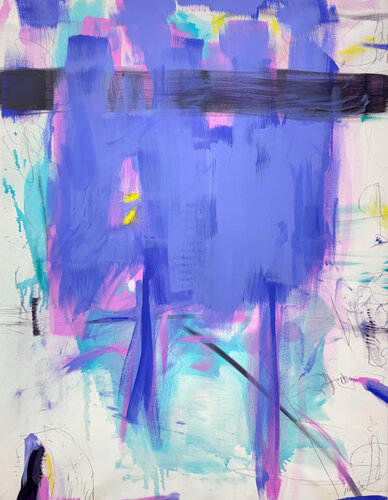
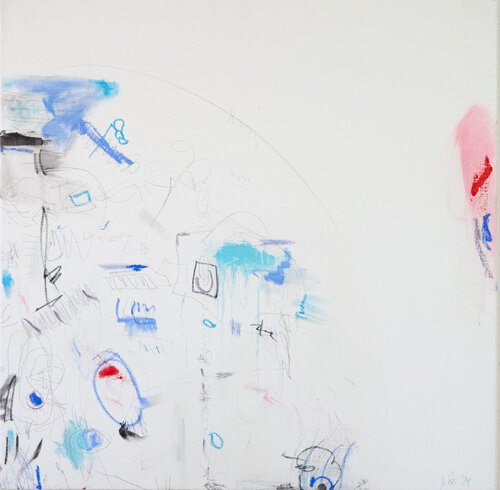
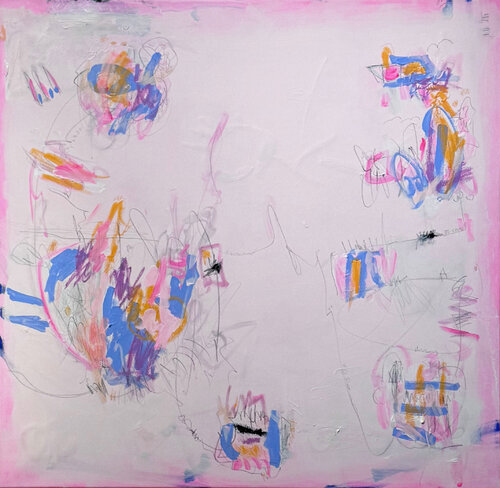
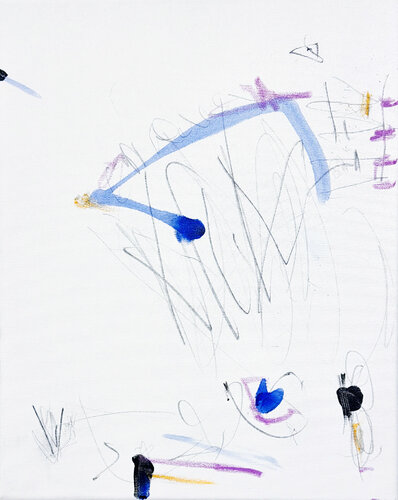
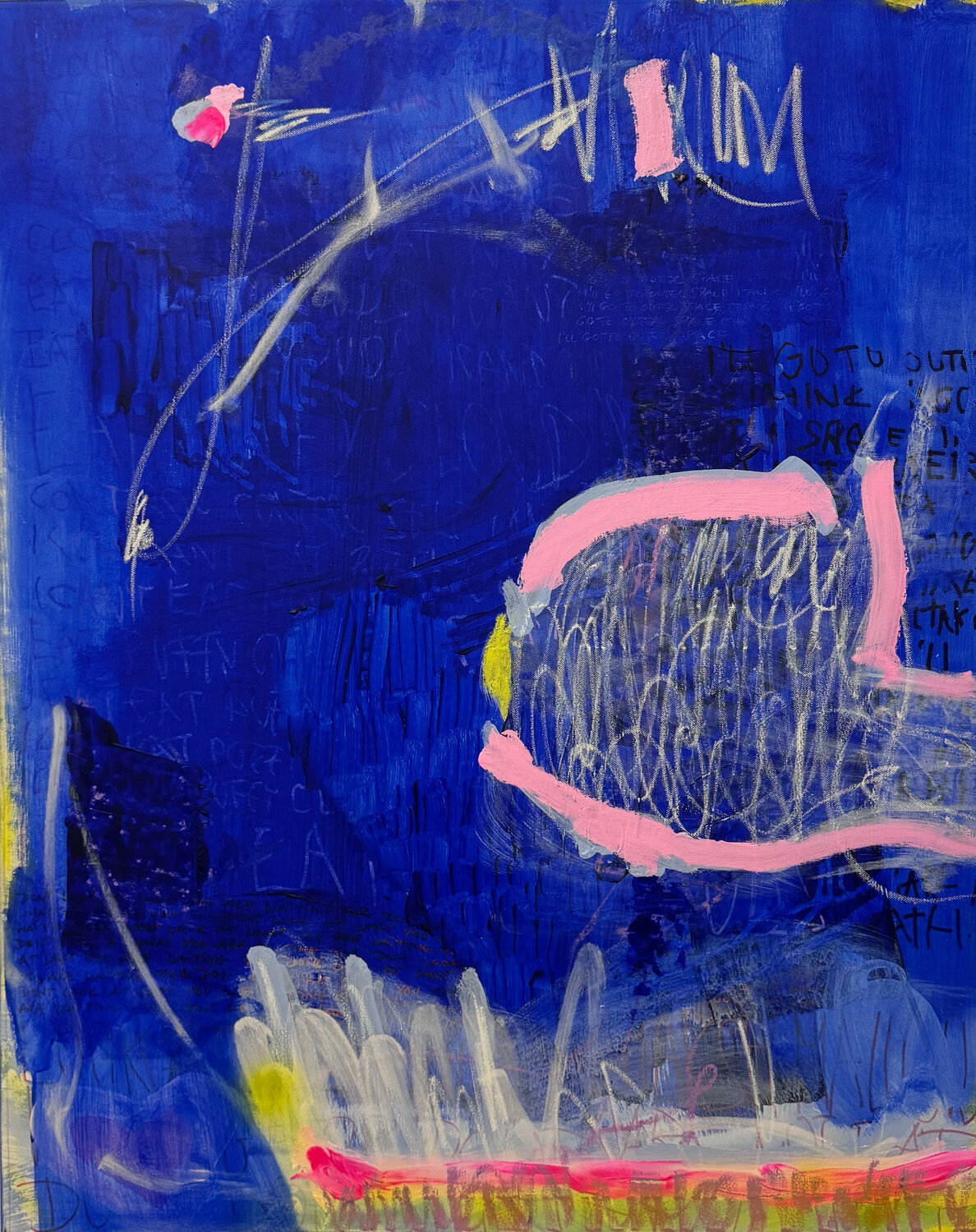
Marshmallow World drops us straight into the wonderfully chaotic inner universe of children trying very hard not to eat a marshmallow. Part of The Marshmallow Test series, the painting refers to Walter Mischel’s famous experiment on delayed gratification—an experiment that unintentionally became a study in creative self-distraction.
Scattered across the surface are real quotations from the children: tiny pep talks, strange rules, and surprisingly… philosophical statements invented to keep the marshmallow alive a little longer. In this world, talking to yourself is allowed, imagination runs wild, and the marshmallow is temporarily transformed into anything but food.
The painting celebrates distraction as a survival skill and inner dialogue as performance. Marshmallow World gently suggests that while the marshmallow may disappear, the habit of negotiating with ourselves—out loud, with rules we just made up—never really does.
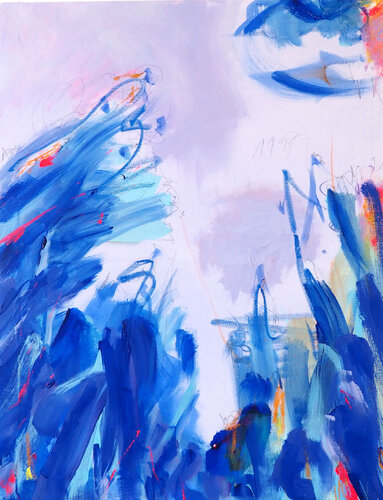
Freedom is the central core of my painting. I understand it not as the absence of rules, but as the ability to question one's own imprints, habitual thinking, and social value systems. My works invite viewers to allow the unfamiliar and to momentarily detach from what feels secure or deeply ingrained. I draw inspiration from neuroscience and from the exploration of urban structures and mentalities. I am interested in how perception is shaped by cultural and social contexts. The painting process itself is an act of freedom. By relinquishing strict control, intuitive decisions, layering, and ruptures create open pictorial spaces that resist fixed meanings. My works invite a sensory, embodied experience of freedom that opens curiosity and new perspectives.