Singulart guarantees reliability and traceability.
All the artists on the platform have been specially selected and certify to only sell works, of which they are the artist. Whatever the medium, the work is sent to the buyer with a certificate of authenticity. Photographs are numbered and signed.
Every customer can be given a copy of their certificate of authenticity by contacting support@singulart.com
With Singulart, you can pay safely by credit card or bank transfer.
For all transactions exceeding your credit limit, contact us. We are required to verify every transfer, as part of the fight against fraud and money laundering.
Singulart prices include:
Price of an artwork defined by an artist.
Insurance. Your order is 100% protected in case of any damage or loss.
All customs fees, taxes, and document preparation.
Third-party logistic provider shipping costs.
A dedicated Singulart customer care specialist that will assist you with any questions or problems during shipment.
Medium :
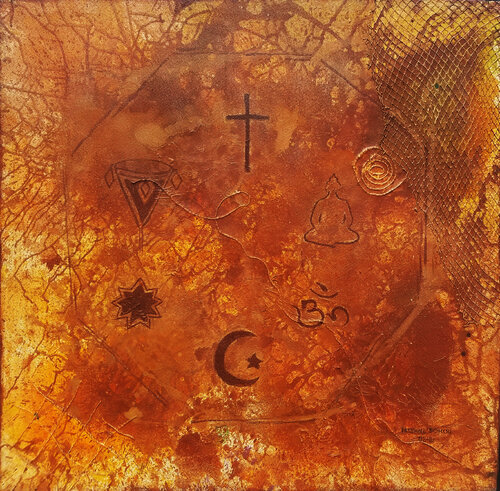
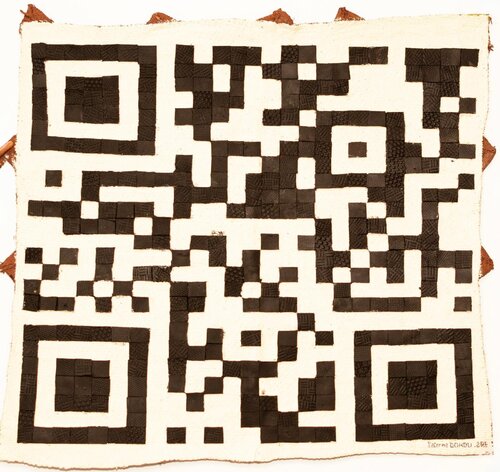
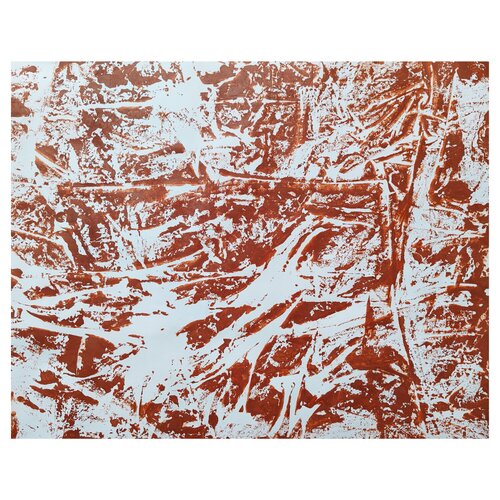
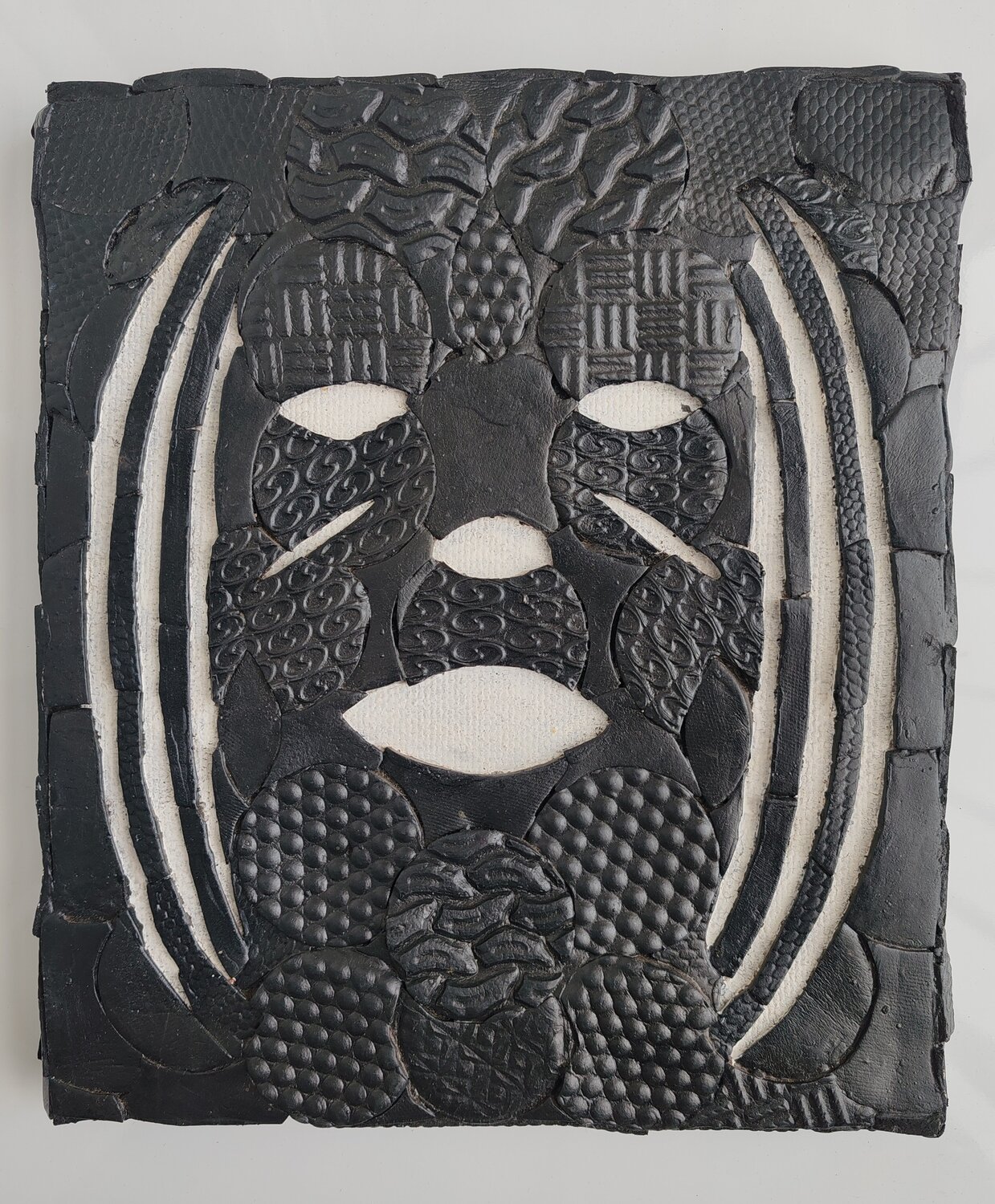
Acrylic, Organic material on Canvas , Wood
Framing :
Framed
Dimensions :
10.2x11.6in
About this artwork
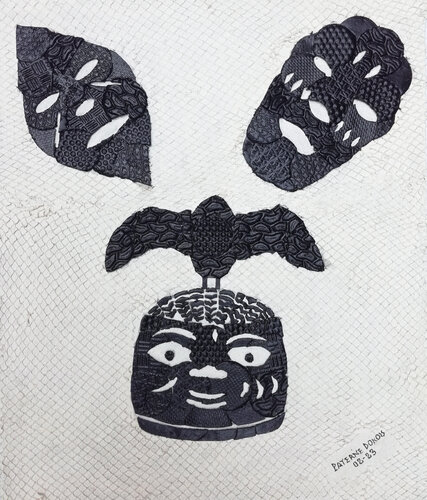
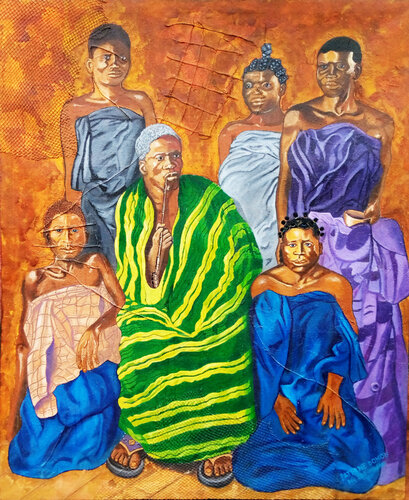
The Bétammaribé, or Otammari, are a West African people of builders living between Benin and Togo. Deeply attached to a social and ritual organization that they consider essential, they live in clans without hereditary leadership, with a hierarchy between elders and younger siblings. Their major rites are the dikuntri (girls) and the difwani (boys), marking the stages of life. Even far from home, young people participate in these initiations. Deeply… connected to their land, which they respect as a source of life, the Bétammaribé have preserved their identity in the face of outside influences. Their pride, their warrior and hunting traditions, relived during ceremonies, testify to their desire to preserve a thousand-year-old heritage. Their language, Ditammari, is a Gur language spoken in several West African countries, including Benin, Burkina Faso, Ivory Coast, Ghana, Mali, Niger, Nigeria and Togo.
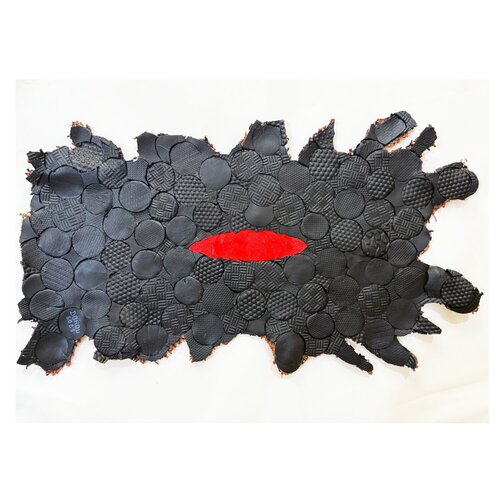
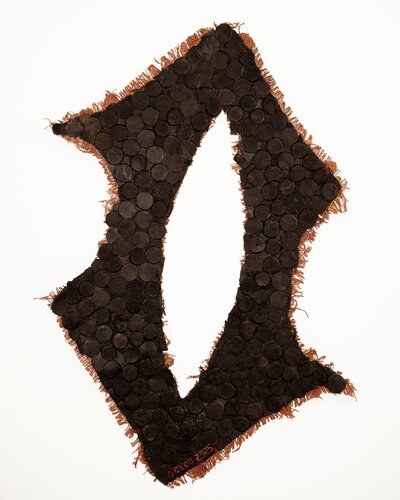
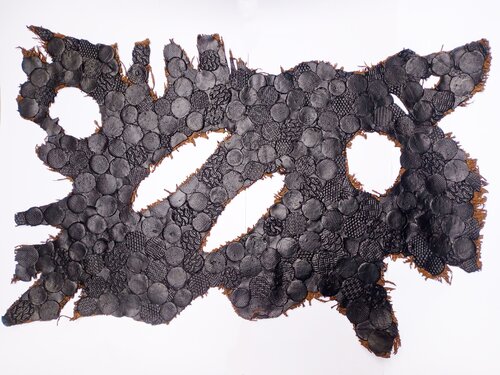
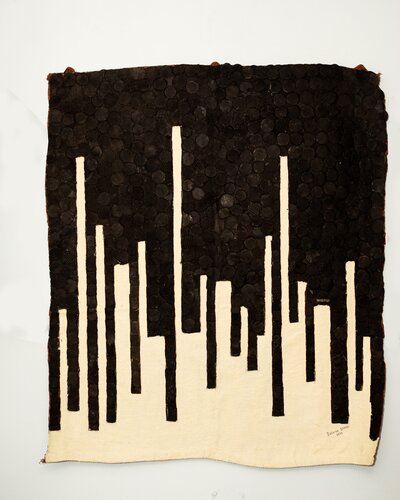
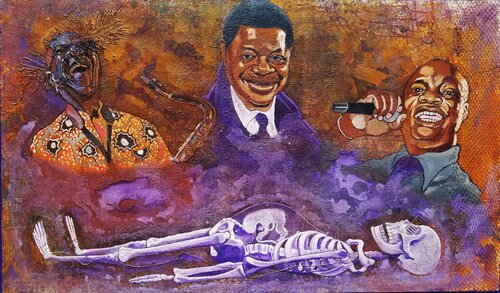
Beninese visual artist Paterne Dokou explores painting, sculpture, photography, and textiles, drawing on a rich self-taught and academic background. His Cut and Paste technique combines Xwéda scarification, recycled materials (rubber, burlap), and a cutting and collage gesture evoking traces and repair. Through his profound, hybrid style, he weaves powerful narratives about memory, identity, and collective resilience, conveying an intense emotion of dialogue between past and present, tradition and modernity, without ever forgetting ecological responsibility.