Singulart guarantees reliability and traceability.
All the artists on the platform have been specially selected and certify to only sell works, of which they are the artist. Whatever the medium, the work is sent to the buyer with a certificate of authenticity. Photographs are numbered and signed.
Every customer can be given a copy of their certificate of authenticity by contacting support@singulart.com
With Singulart, you can pay safely by credit card or bank transfer.
For all transactions exceeding your credit limit, contact us. We are required to verify every transfer, as part of the fight against fraud and money laundering.
Singulart prices include:
Price of an artwork defined by an artist.
Insurance. Your order is 100% protected in case of any damage or loss.
All customs fees, taxes, and document preparation.
Third-party logistic provider shipping costs.
A dedicated Singulart customer care specialist that will assist you with any questions or problems during shipment.
Other details :
Artwork unmounted, but already framed and ready to hang.
Dimensions :
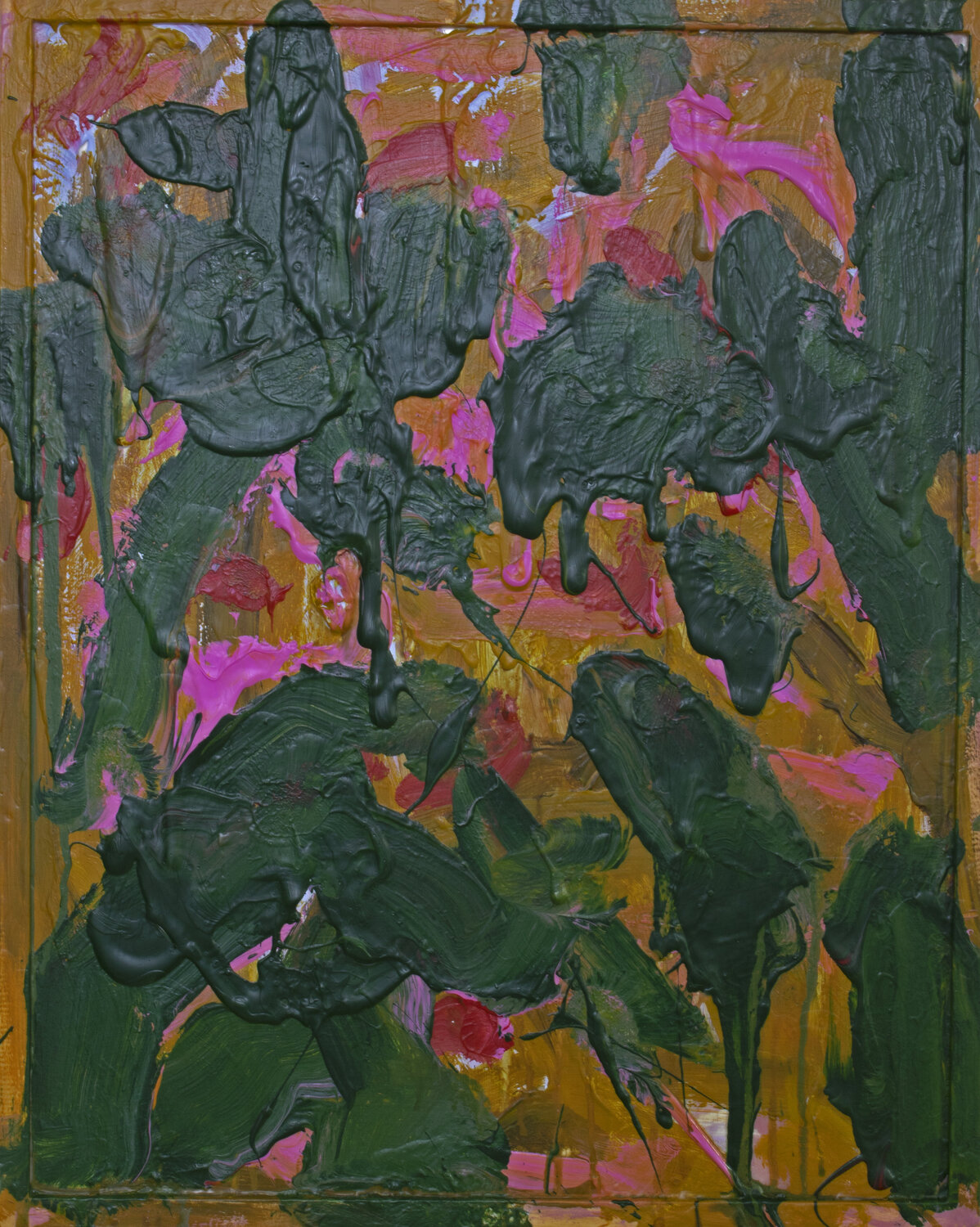
25.6x20.6in
About this artwork
“A trace of memory persists within every fragment of nature.”
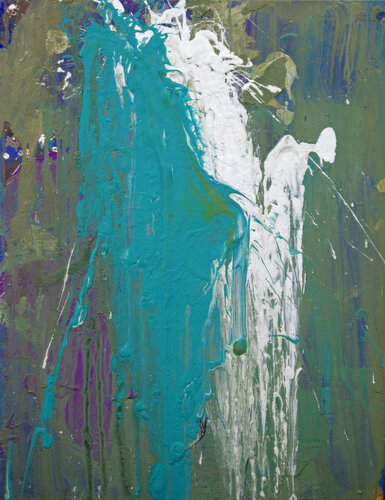
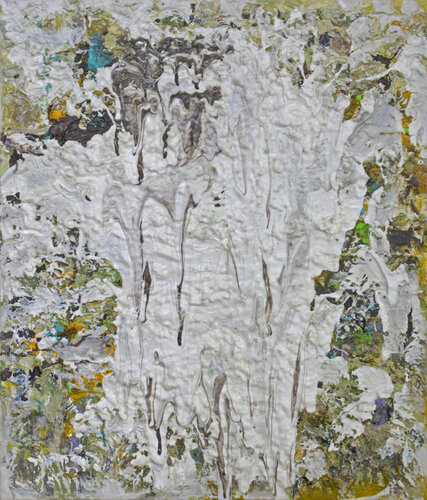
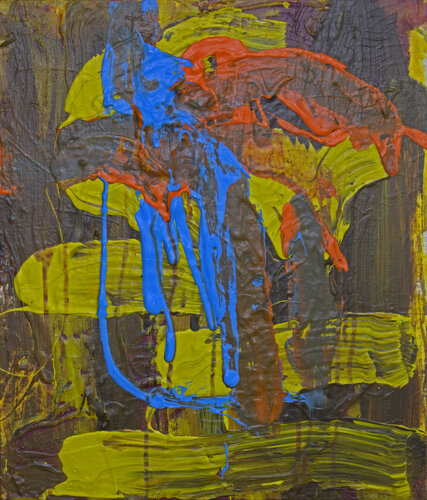
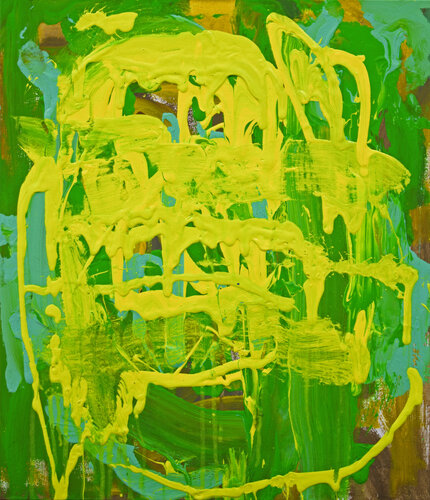
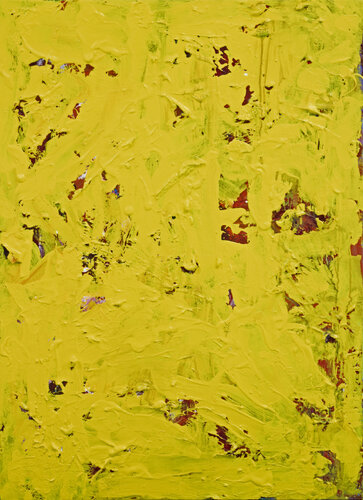
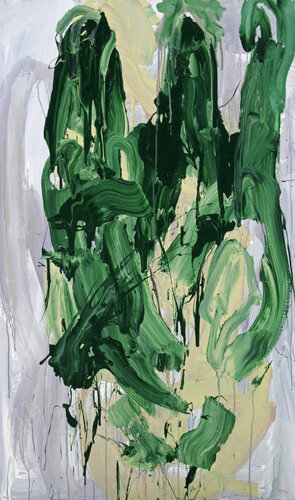
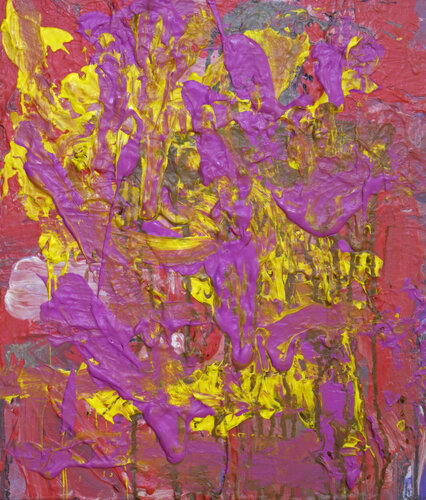
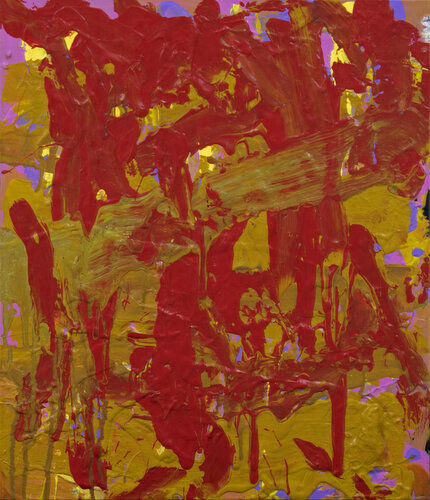
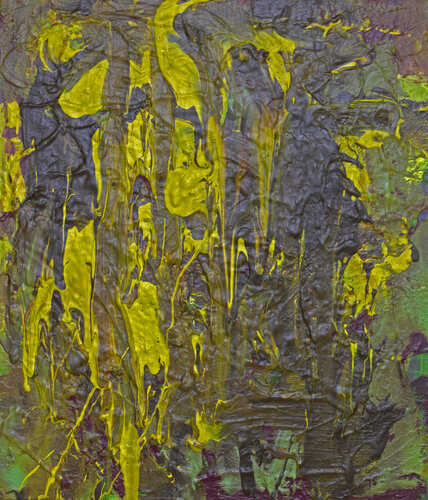
This work embodies nature as a resilient archive of identity—a place where fragments of past landscapes remain alive beneath layers of rupture and repair. Thick, almost geological strokes compress memory into a dense surface, revealing how destruction, trauma, and preservation coexist within one spatial body. The green masses appear like protective shells, while the vivid undercolors… insist on what refuses to disappear: an inner landscape shaped by time, resistance, and the instinct to endure.
Built and damaged simultaneously, the painting stands as an existential map — a field where identity collapses and regenerates, where loss becomes structure, and where what once was hidden insists on returning to view.
« For me, painting is a space where I can be free from a world full of absurdity and oppression, and it's also a deep place. »
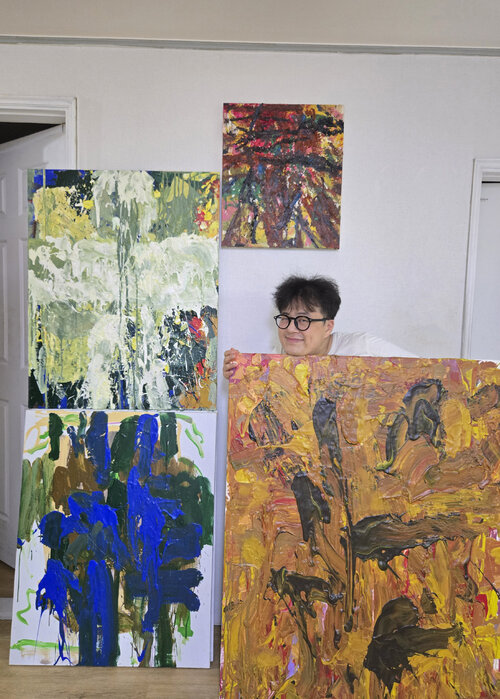
For Seungho Jang, painting is a way to remain human in a world that demands uniformity. Working in South Korea — a highly competitive and controlling environment — he uses abstraction to defend the depth of inner life against forces that reduce existence to efficiency.
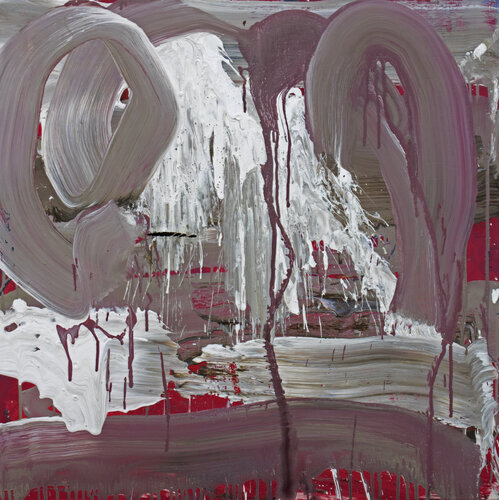
His gestures are not decorative; they are traces of resistance. Tension, rupture, and renewal appear in layered surfaces where emotion refuses to be silenced. The canvas becomes a rare space where pressure and vulnerability can coexist without distortion.
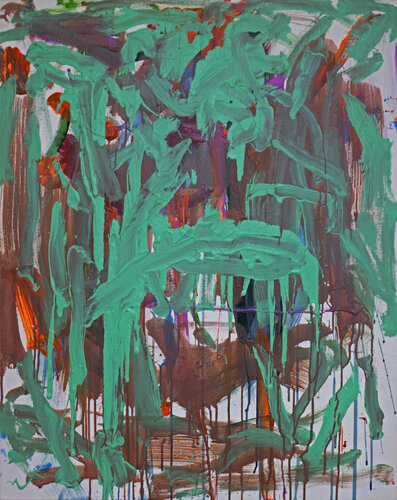
Nature in his work stands as a counter-order — fluid, resilient, and free from imposed structure. Through fragmentation and reconstruction, Jang shows how life reorganizes itself even under collapse.
His paintings confront a fundamental question: How can we preserve the complexity of being in a world intent on flattening it? They insist that resistance begins with acknowledging one’s own presence.