Singulart guarantees reliability and traceability.
All the artists on the platform have been specially selected and certify to only sell works, of which they are the artist. Whatever the medium, the work is sent to the buyer with a certificate of authenticity. Photographs are numbered and signed.
Every customer can be given a copy of their certificate of authenticity by contacting support@singulart.com
With Singulart, you can pay safely by credit card or bank transfer.
For all transactions exceeding your credit limit, contact us. We are required to verify every transfer, as part of the fight against fraud and money laundering.
Singulart prices include:
Price of an artwork defined by an artist.
Insurance. Your order is 100% protected in case of any damage or loss.
All customs fees, taxes, and document preparation.
Third-party logistic provider shipping costs.
A dedicated Singulart customer care specialist that will assist you with any questions or problems during shipment.
Other details :
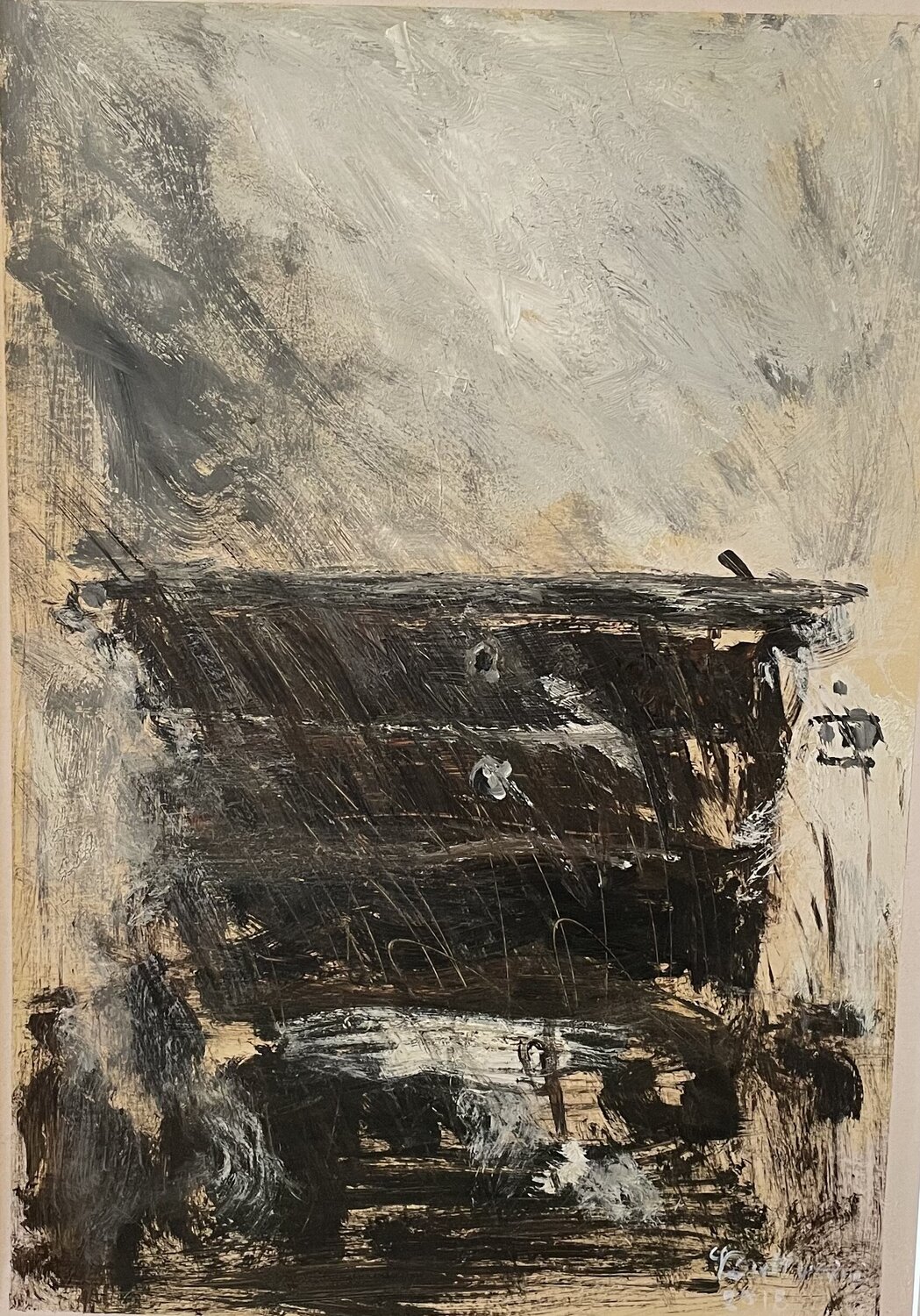
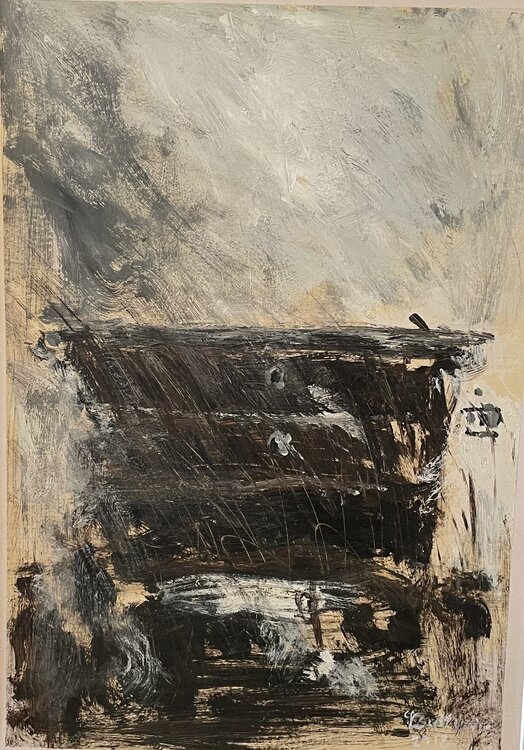
Artwork on supported wooden frame. Ready to hang. Framing on request.
Dimensions :
19.7x13.8in
About this artwork
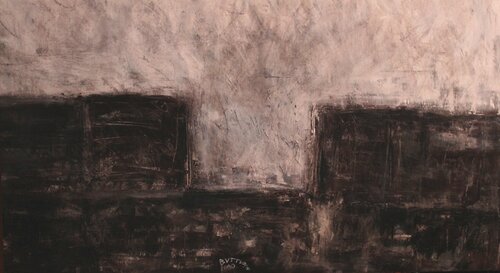
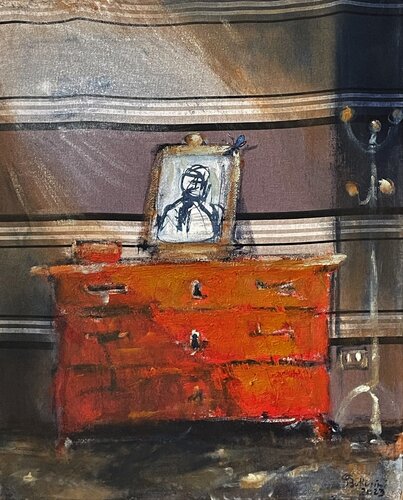
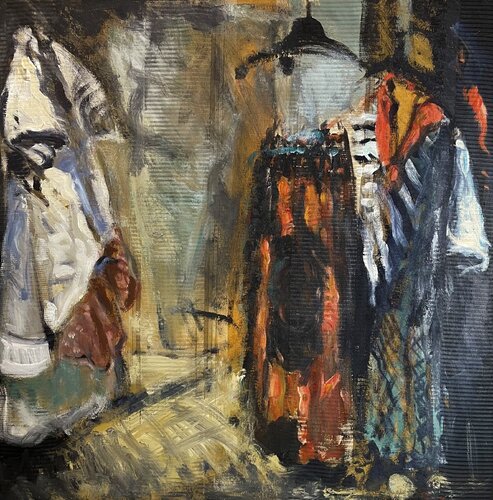
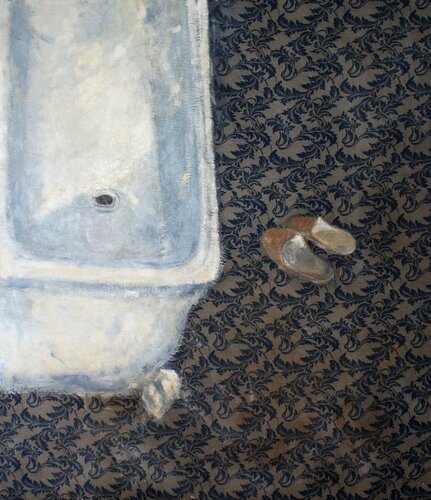
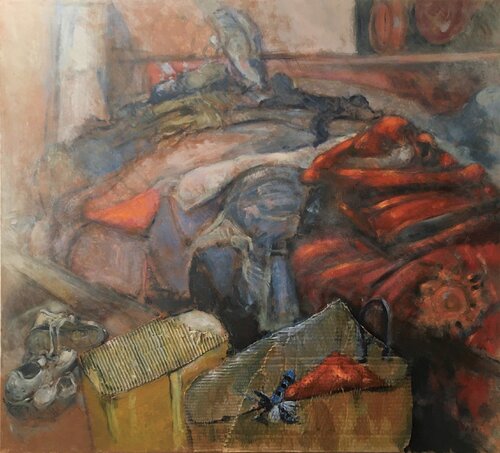
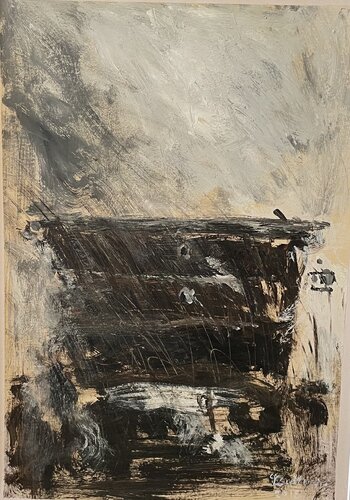
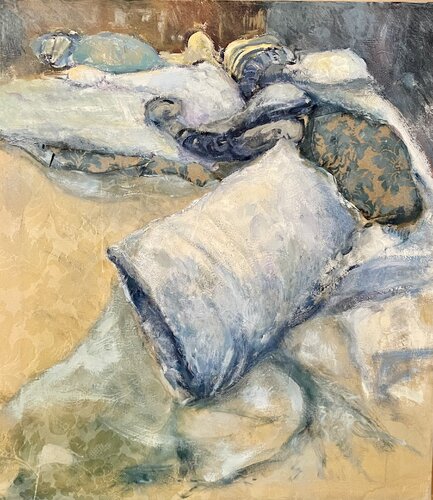
In this work I tried to capture the difficult beauty of decay and rebirth. and expressed the duality between destruction and hope through the characteristic of acrylic colors and water-based enamels, eco-sustainable with the living environments. The dark tones dominate, but here and there flashes of clarity emerge, symbolizing how even in the darkest moments the light. This painting on cardboard carries with it a reflective energy that invites you… to contemplate resilience and renewal.
« My canvases are visions, suggestions of reality, mental dreams that materialize. My motto is, 'I paint what is silent'. »
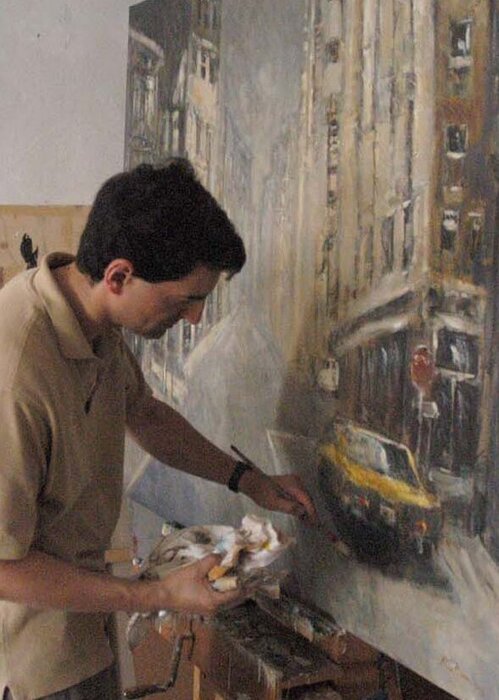
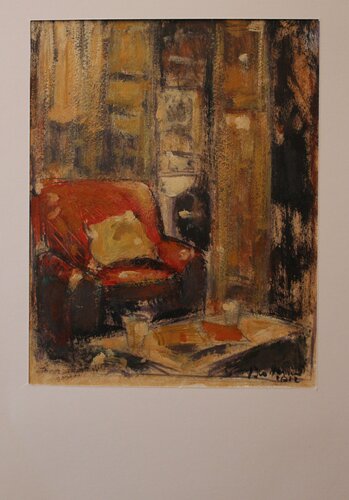
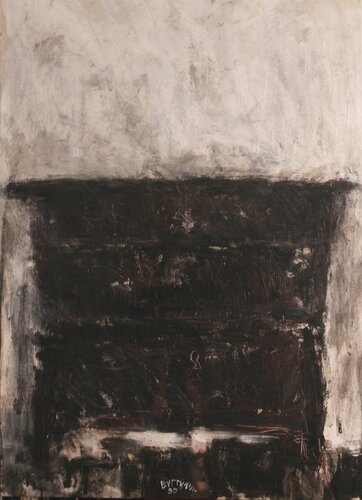
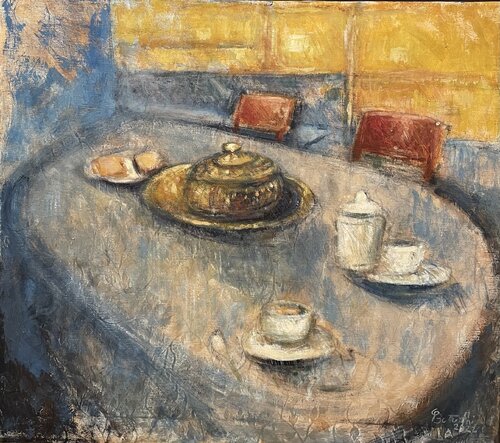
Simone Butturini is an award-winning Italian artist whose works have been widely exhibited nationally, as well as in Austria, Germany, Canada and Switzerland. Inanimate objects are the true protagonists of his scenes in a sort of "existential realism" born in Milan in the Seventies by artists such as Gianfranco Ferroni, Giuseppe Guerreschi. Butturini, in harmony with the artists of his generation, Luca Pignatelli and Giovanni Frangi, in his "Interior Painting" is more interested in portraying the traces of man's presence and the "places of the hidden soul". His gestures translate into a progressive construction and cancellation of form in a compelling dialogue between figuration and abstraction, on the threshold of reality.