
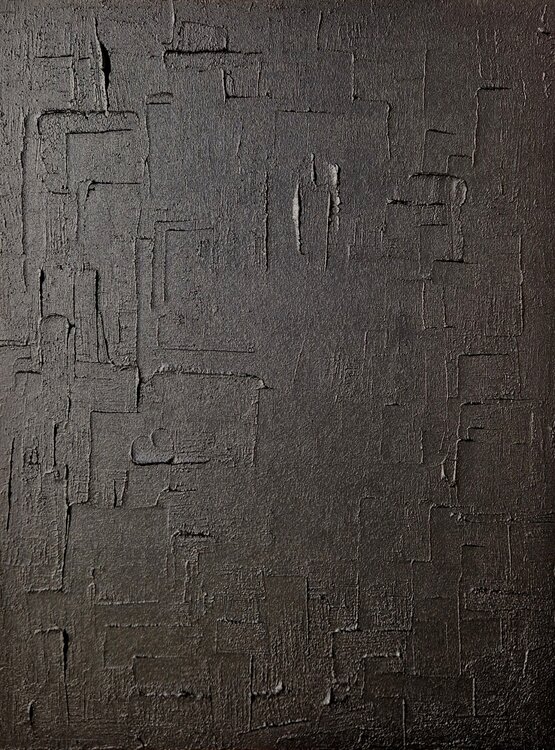
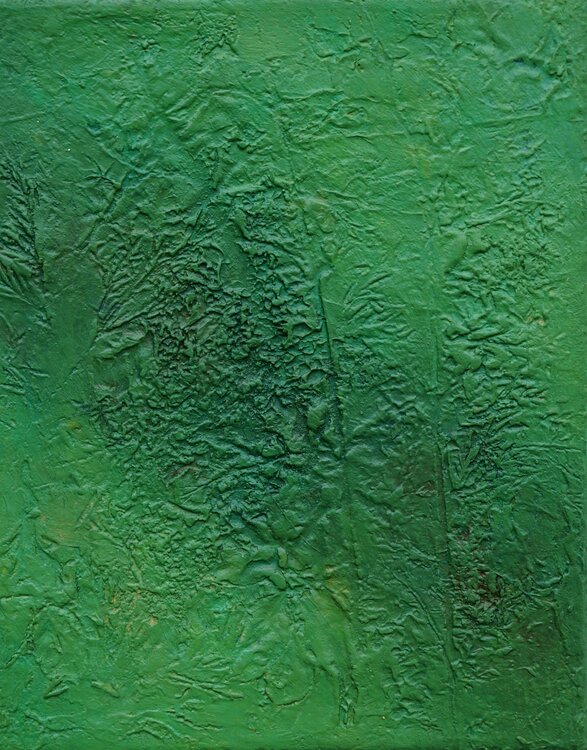
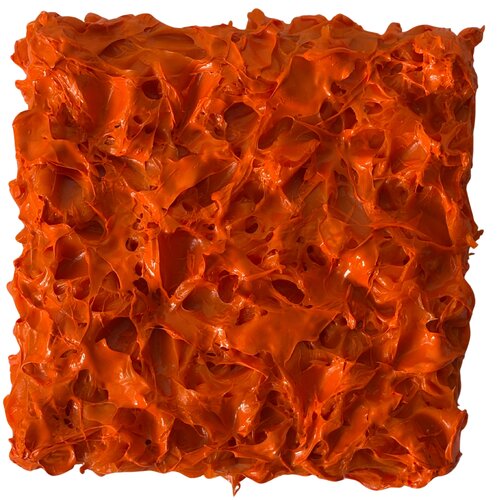
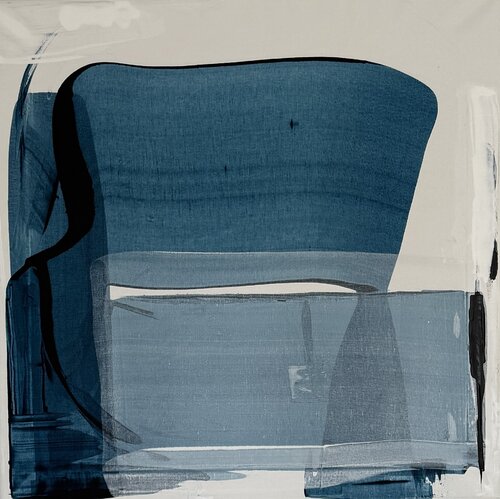
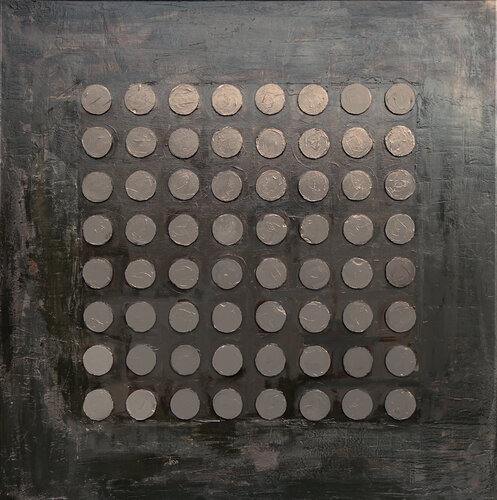
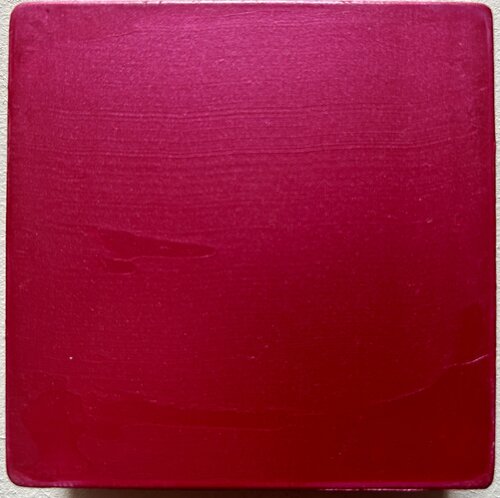
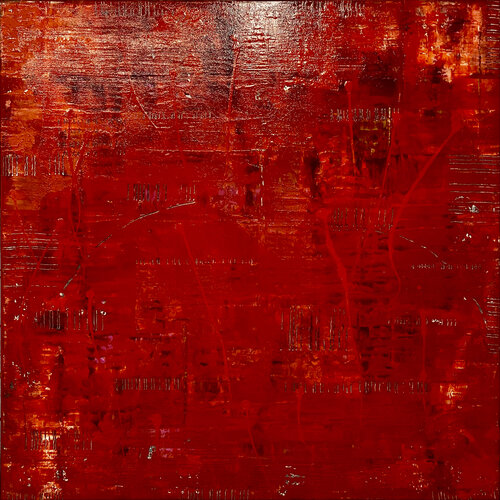
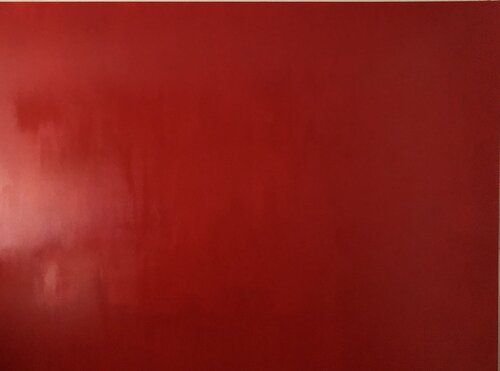
A curation by Flavio Scaloni, Gallery Manager at Galerie Lo Scalo - The monochrome is a powerful theme that strips painting down to its purest elements: color, texture, and light. This radical simplicity inspires artists by focusing the viewer entirely on the material presence of the work, inviting meditation on purity, silence, and the sublime. Psychologically, a single color field evokes a profound emotional response, pushing beyond narrative to a direct, visceral experience. Symbolically, it often represents the void, infinity, or a tabula rasa (blank slate).
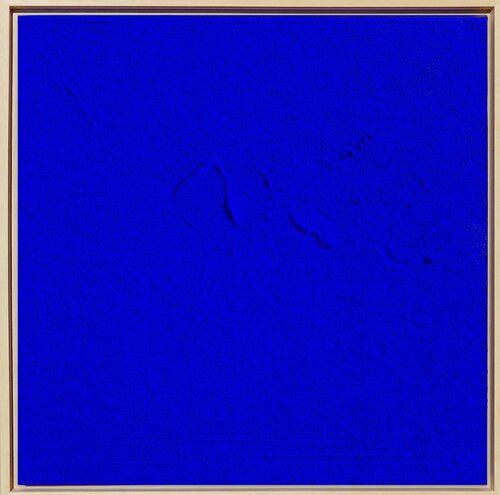
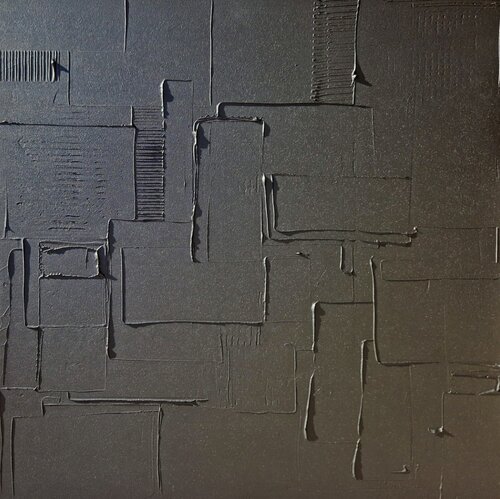
In 20th-century art, the monochrome became a cornerstone, challenging the very definition of painting post-1950. Barnett Newman's Who's Afraid of Red, Yellow and Blue series (begun 1966) used expansive color fields for monumental effect. Most famously, Yves Klein (from the 1950s) developed his signature pigment, International Klein Blue (IKB), creating works like Monochrome Sans Titre (IKB 3) (1960) to explore immateriality. Concurrently, Ad Reinhardt's "Black Paintings" (1960–66) demanded silent contemplation of pure, near-invisible form. The tradition continues with artists like Robert Ryman, whose white-on-white paintings examine light and surface. The exploration extends into photography, where world-famous artist Hiroshi Sugimoto has mastered the monochromatic scale.
21 Artworks




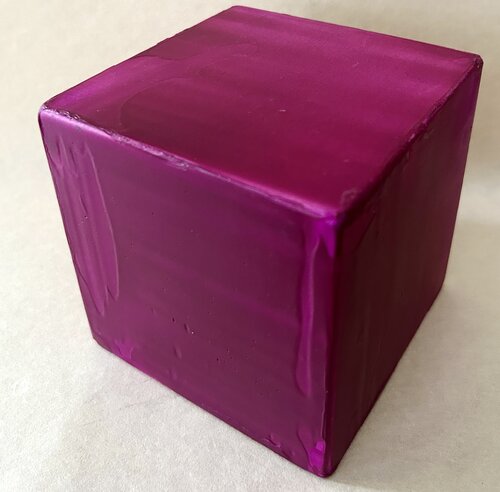
![Electric violet I [Abstract N°2157] Koen Lybaert](https://www.singulart.com/images/artworks/v2/cropped/1919/main/fhd/1445055_acc4ab961fbbd30c6ee9ff3bf5163361.jpeg)

Did you enjoy this collection?
Find out every time we publish a new collection
and receive an exclusive email!
and receive an exclusive email!
Shop more artworks
Find inspiration from our most popular styles


