Singulart guarantees reliability and traceability.
All the artists on the platform have been specially selected and certify to only sell works, of which they are the artist. Whatever the medium, the work is sent to the buyer with a certificate of authenticity. Photographs are numbered and signed.
Every customer can be given a copy of their certificate of authenticity by contacting support@singulart.com
With Singulart, you can pay safely by credit card or bank transfer.
For all transactions exceeding your credit limit, contact us. We are required to verify every transfer, as part of the fight against fraud and money laundering.
Singulart prices include:
Price of an artwork defined by an artist.
Insurance. Your order is 100% protected in case of any damage or loss.
All customs fees, taxes, and document preparation.
Third-party logistic provider shipping costs.
A dedicated Singulart customer care specialist that will assist you with any questions or problems during shipment.
Medium :
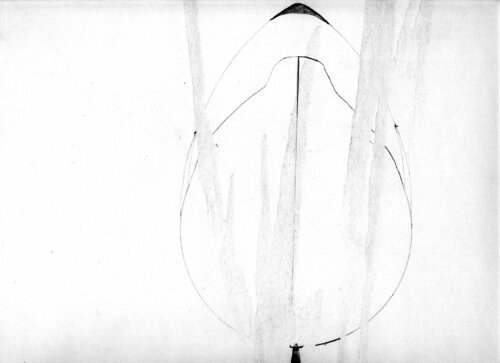
India Ink, Colored Pencil on Paper , Wood under glass
Framing :
Framed
Dimensions :
8.3x11in
About this artwork
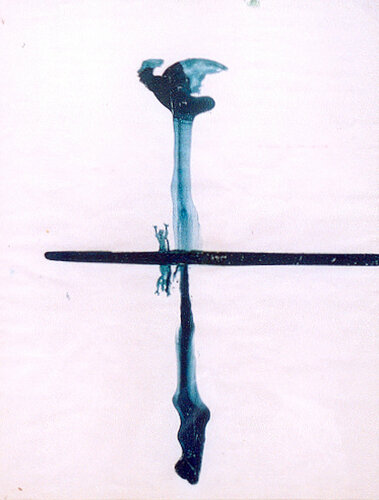
Asura is a word in the Sanskrit language that in Buddhism refers to the lowest rung of the rank of gods or demigods in the Buddhist cosmogony.
Belief in other religions
In Hinduism, asuras are entities associated with beings thirsty for power, who ended up being considered demonic or sinful. However, the perception of asuras in Hinduism has varied throughout history; because several deities who were originally considered asuras were later recognized… as devatas and vice versa.
origins
Image of an Asura at Kōfuku-ji, Nara, Japan
The asuras of Buddhism are derived from the asuras of Hinduism.
« I wanted to be a pilot, but I ended up painting. Now I fly higher. »
Arturo Prins is an exciting Spanish artist whose style comes from a sensibility of play, discipline, freedom and rebellion, redoubled in a constant reinvention of himself. Thematically, Prins looks to delve into metaphysics, symbolism, esoteric cosmogony, while mixing in humor to soften the transcendent themes in his work. He also describes his work as being "nostalgic for the future, sometimes with a nod to the eclectic spiritualism between East and West."