Singulart guarantees reliability and traceability.
All the artists on the platform have been specially selected and certify to only sell works, of which they are the artist. Whatever the medium, the work is sent to the buyer with a certificate of authenticity. Photographs are numbered and signed.
Every customer can be given a copy of their certificate of authenticity by contacting support@singulart.com
With Singulart, you can pay safely by credit card or bank transfer.
For all transactions exceeding your credit limit, contact us. We are required to verify every transfer, as part of the fight against fraud and money laundering.
Singulart prices include:
Price of an artwork defined by an artist.
Insurance. Your order is 100% protected in case of any damage or loss.
All customs fees, taxes, and document preparation.
Third-party logistic provider shipping costs.
A dedicated Singulart customer care specialist that will assist you with any questions or problems during shipment.
Printing :
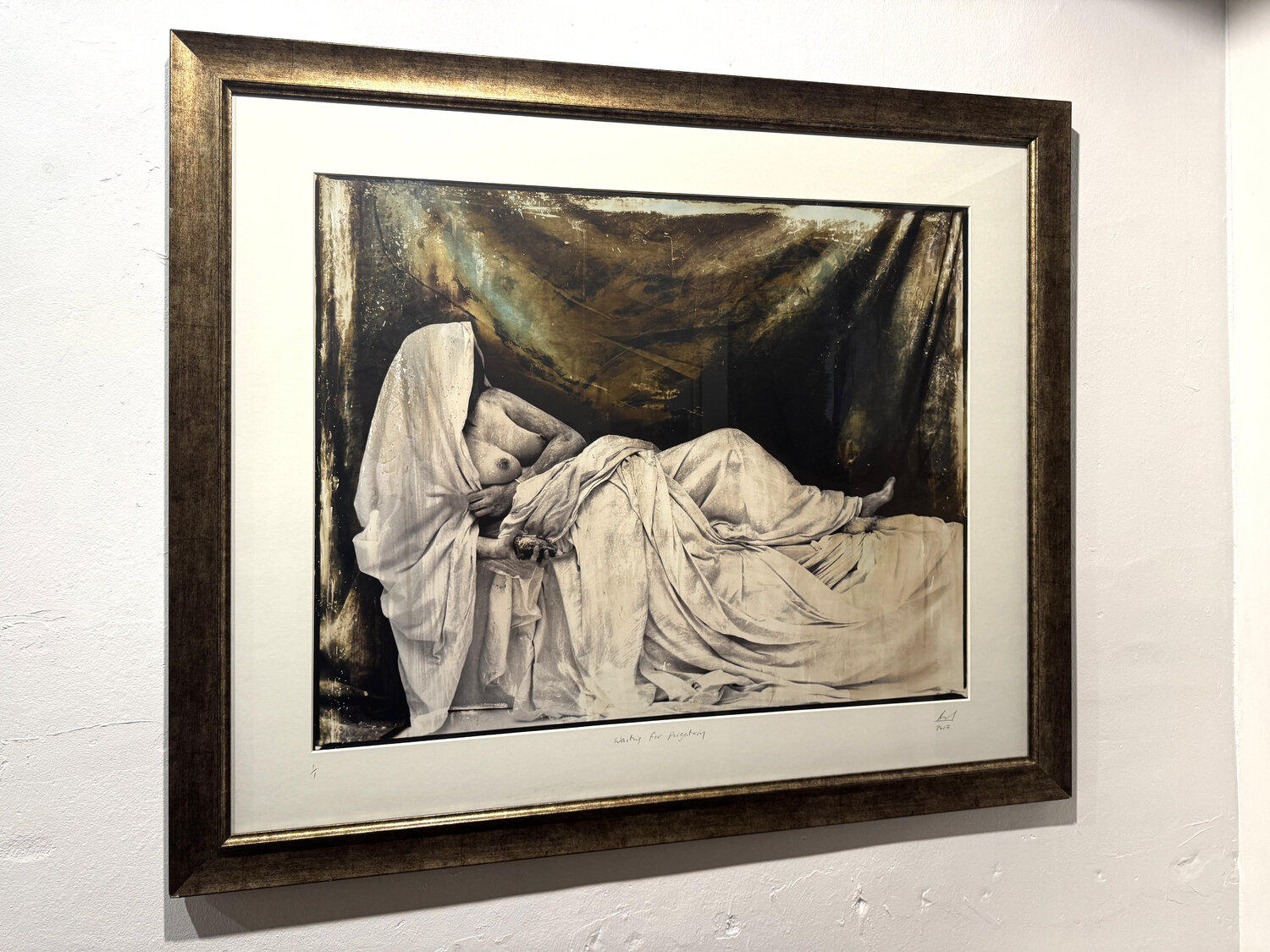
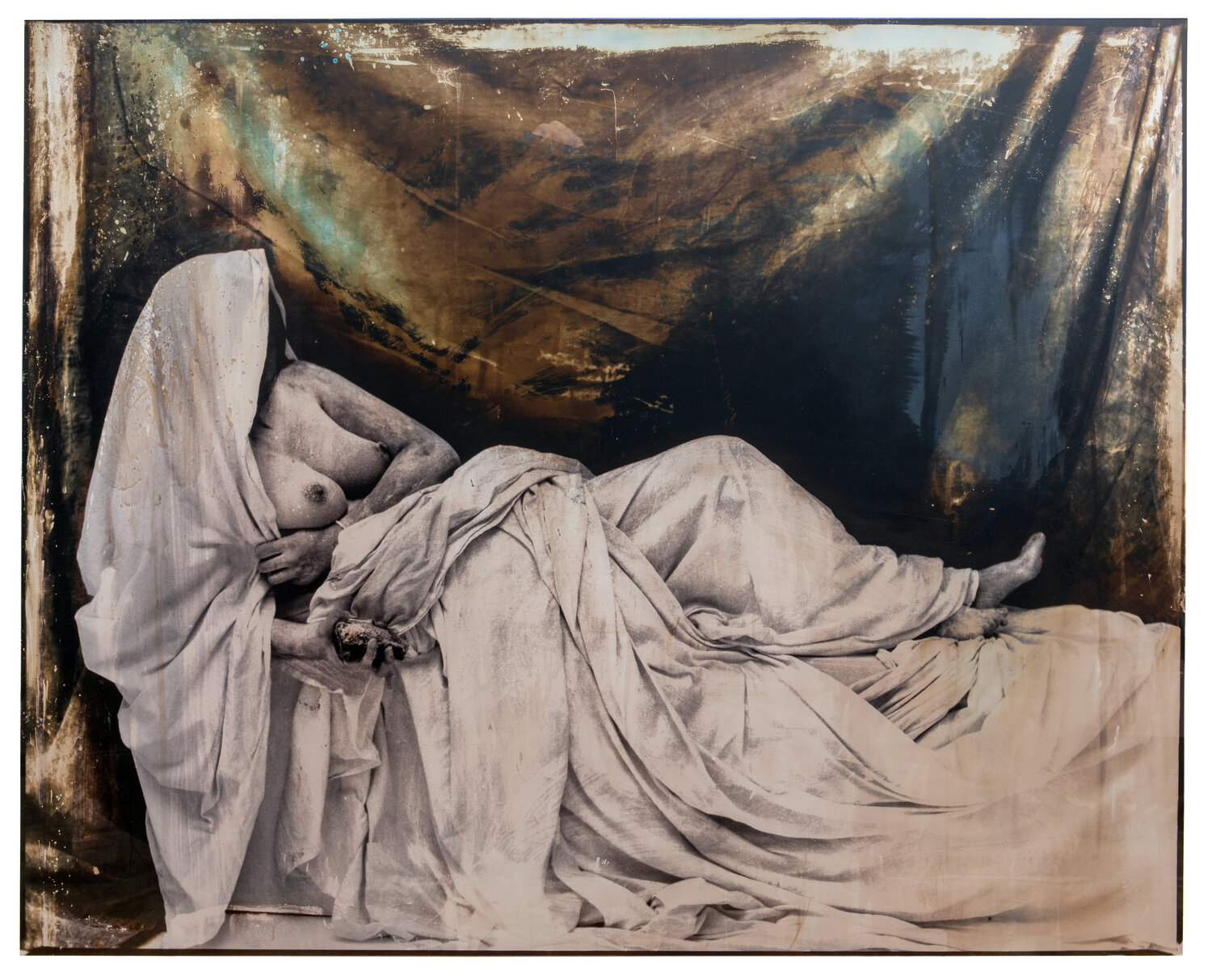
Analogue on Paper , Alu-Dibond under glass
Framing :
Framed
Dimensions :
41.3x48.2in
About this artwork
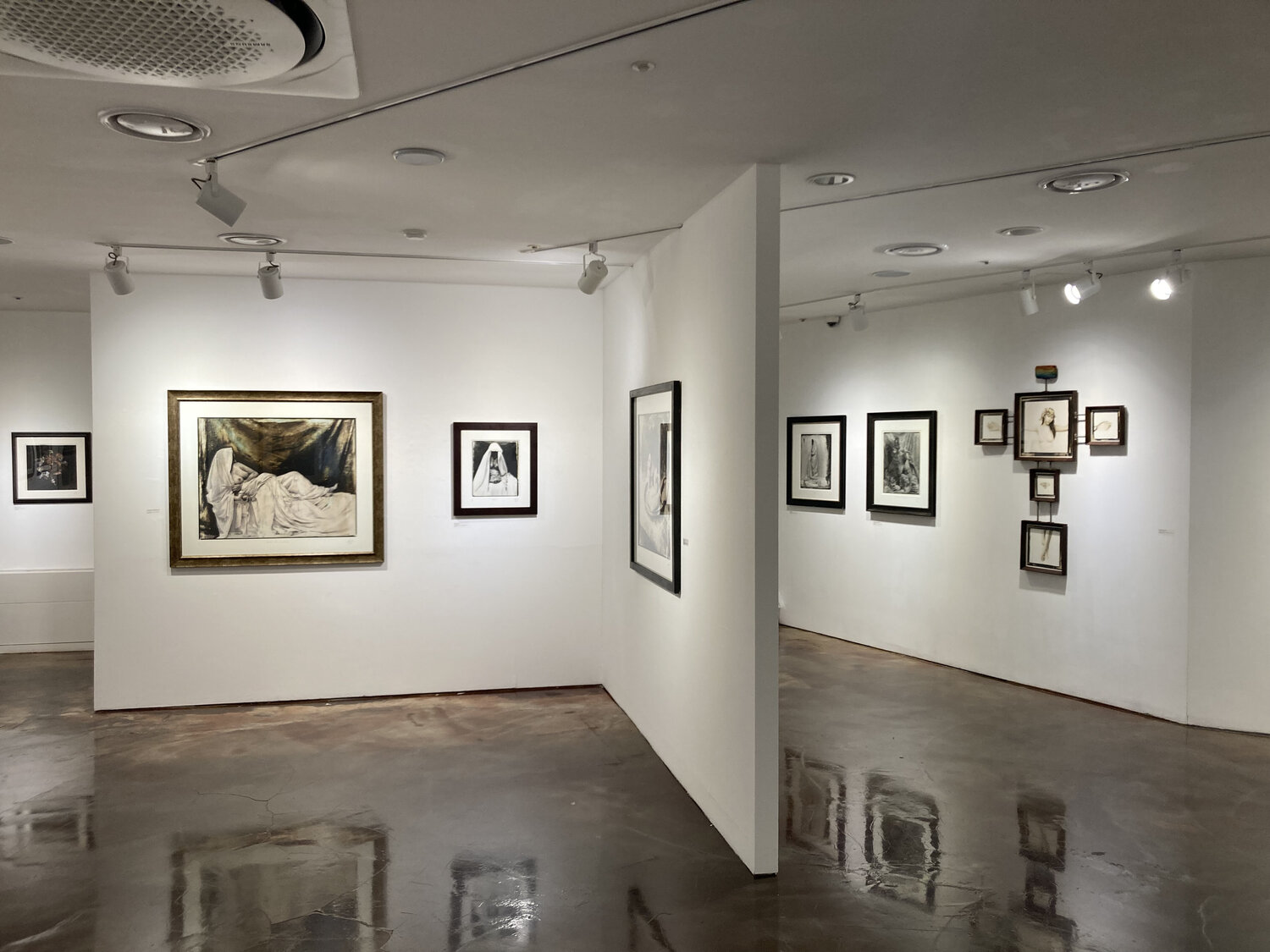
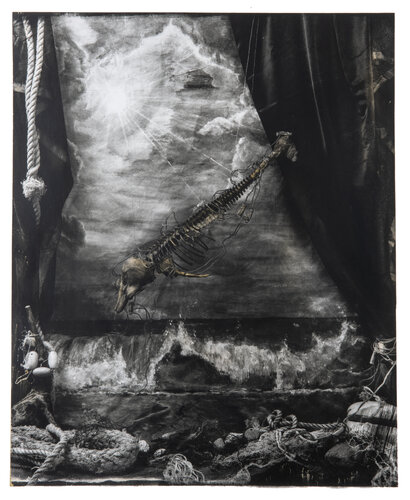
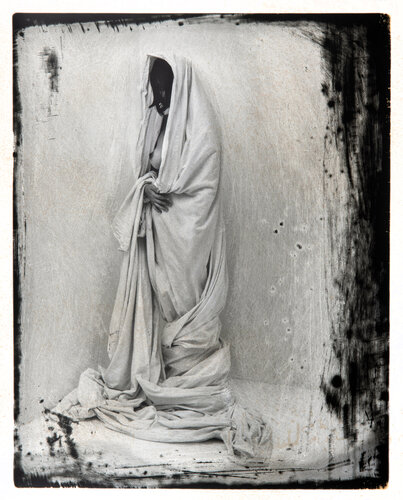
This version Waiting for purgatory was originally one of the tone test prints I usually experiment with when I make new prints.
I was curious to know how the print looked toned with selected toners, giving a quick fix and wash, I then let it dry and put it aside in the darkroom where it stayed inside a tube for a little over two years.
Fast forward. Whilst I was explaining to some students about how many prints it can take to make a final, I remembered… the Waiting for purgatory print. I took it out of the tube to show the class and as I didn't fix and wash the print fully during the initial print, the toners had reacted with other chemicals and created a totally new spectrum of colour. I quickly soaked the print, fixed it properly to stop any further changes and washed.
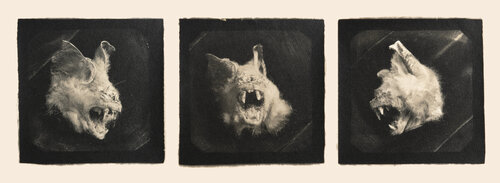
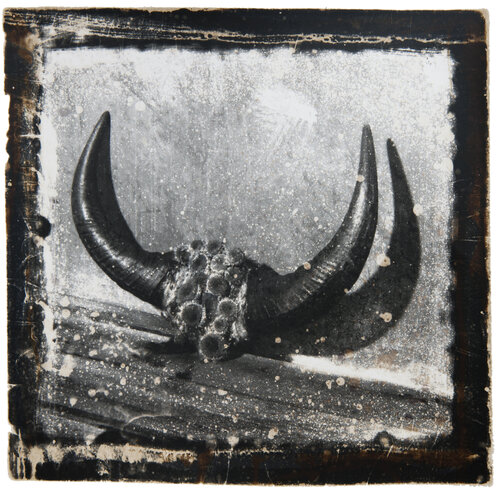
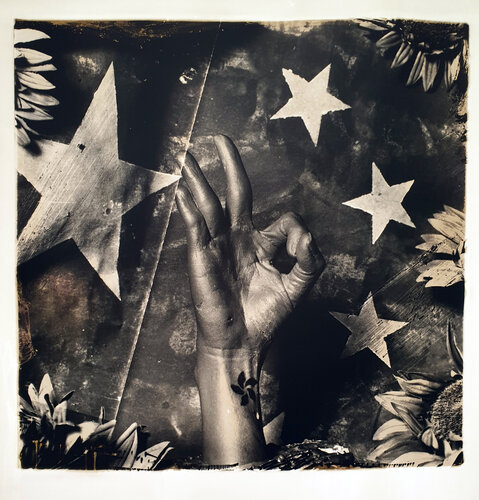
Paul Gadd is a British photographer based in Seoul, deeply rooted in classical film photography and darkroom printing, with extensive experience in fashion, portraiture, and documentary work. His technique is hands-on and experimental—scratching and toning negatives, applying mixed-media during hand-printing, and finishing with processes like bleaching or encaustic, making each print a unique original. Through his evocative images, Paul channels his personal experiences and surroundings, conveying a rich tapestry of emotions—from melancholy and anger to humour and love—inviting viewers to deeply connect with his evolving visual narratives.