



Customers rate Singulart 4.9/5
Singulart is rated 4.9/5 by over 20,000 customers

Stefan Eisele
Germany
Artist highlights
- Works on commission
Discover the creation in interiors
Artwork details
- Medium : Digital on Synthetic board , Alu-Dibond
- Framing : Framing on request
- Dimensions : 19.7x19.7in
- Edition : All editions sold (10 / 10)
- Artist's proof : 1
- Hors commerce : 1
About this artwork
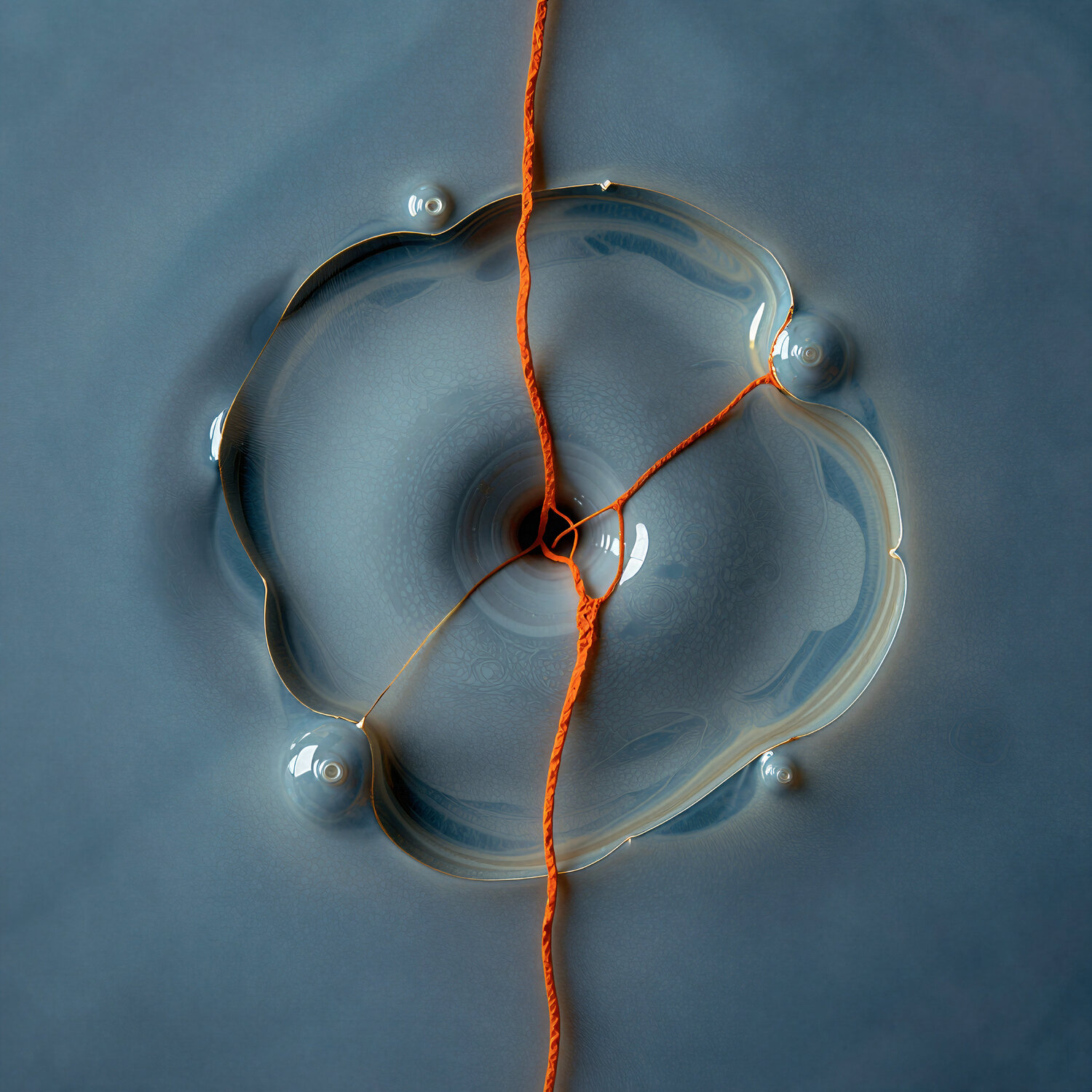
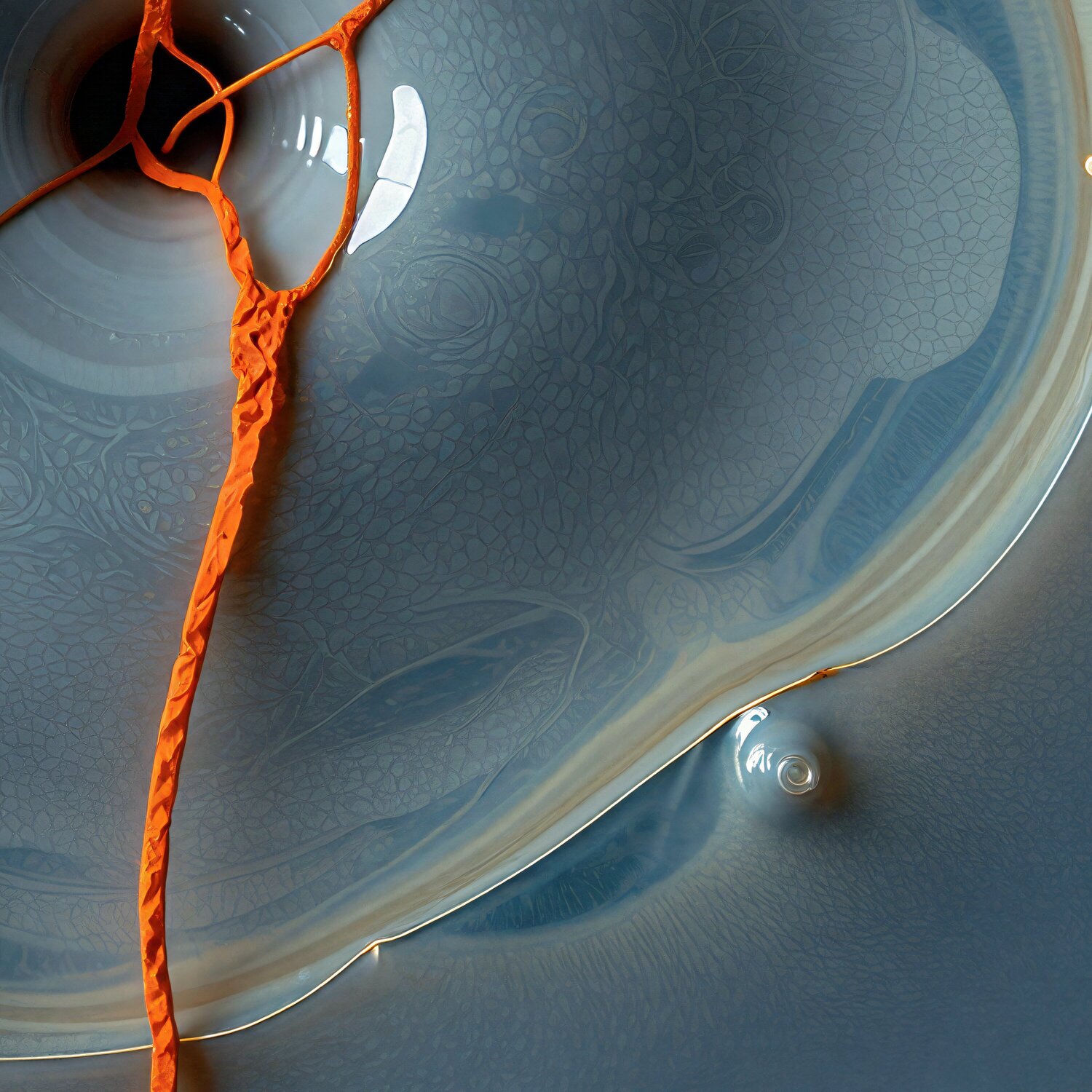
The series explores how raw material can be translated into aesthetic order. The calm blue surface represents a neutral, almost sterile plane. The rust orange, on the other hand, introduces a rough, bygone layer of time. It is a sign of oxidation, of decay, and simultaneously of warmth. This tension between smooth aesthetics and the raw reality of rust forms the core of the work. The series breaks with pure form by foregrounding the material. The…
rust is not merely color, but rather an indication of a physical process taking place on the surface.
Important: Preparing the Alu-Dibond prints takes up to 10 days.
Important: Preparing the Alu-Dibond prints takes up to 10 days.

Stefan Eisele
Germany
Algorithms strive for perfection. I strive for its flaws. More precisely: rust, erosion, the weight of material – rendered by a machine that has never touched a surface. My studies in industrial design have taught me how materials behave: how steel weathers, how paint cracks, and how surfaces bear the marks of use. I use this knowledge to push generative AI where it doesn't want to go – towards the rough, the heavy, the tangible.
Specifically, my work exists between digital precision and physical decay. During the process, each image undergoes dozens of iterations, manual corrections, and conscious decisions about what remains raw and what is refined. But the machine repeatedly produces smooth surfaces—so I push it toward friction. The result lies somewhere in between: a clean calculation that still reveals the material's resistance.
Specifically, my work exists between digital precision and physical decay. During the process, each image undergoes dozens of iterations, manual corrections, and conscious decisions about what remains raw and what is refined. But the machine repeatedly produces smooth surfaces—so I push it toward friction. The result lies somewhere in between: a clean calculation that still reveals the material's resistance.
Credentials
- Works on commission


