






Buy with confidence
Free shipping & returns
Shipping and customs included. 30 day free returns
Certificate of authenticity
Signed and included with every artwork
Framing
Make your artwork stand out
Customers rate Singulart 4.9/5
Singulart is rated 4.9/5 by over 20,000 customers

Tanja Hoffmann
Germany
Related collection
The Small Collection
22 pieces
Artist highlights
- Established Artist
- International Exposure
- Art Fair Participant
- Solo shows participant
- Favorited by galleries
- Featured in gallery curations
- Works on commission
Discover the creation in interiors
Other artworks by Tanja Hoffmann
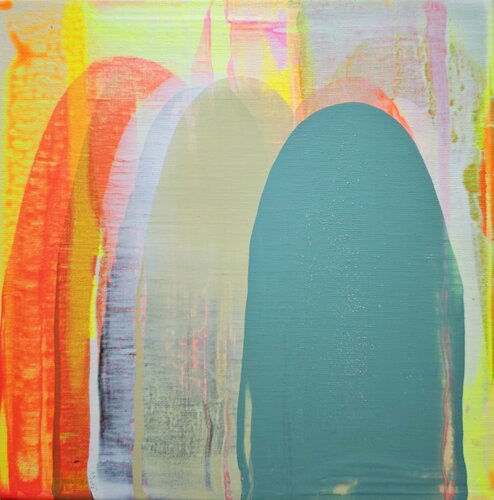
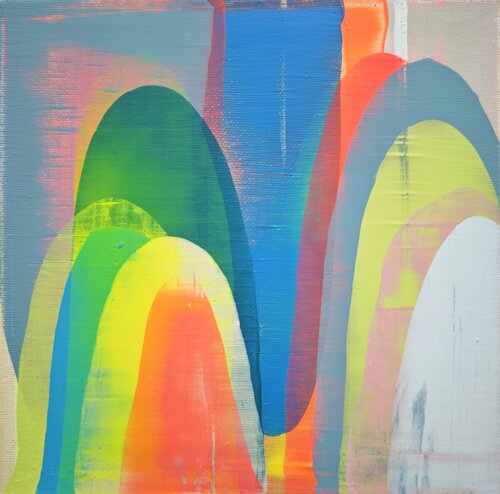
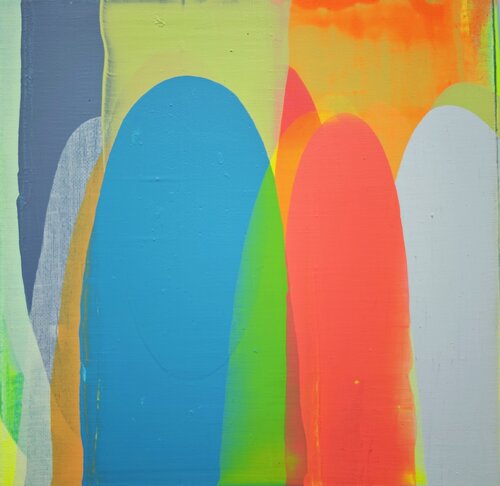
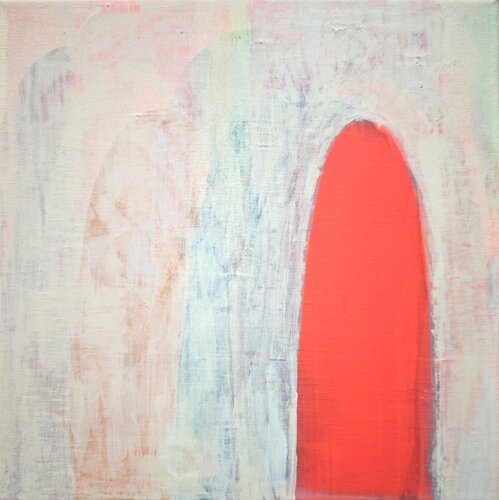

Artwork details
- Medium : Acrylic on Canvas
- Other details : Artwork on supported wooden frame. Ready to hang. Framing on request.
- Dimensions : 7.9x7.9in
About this artwork
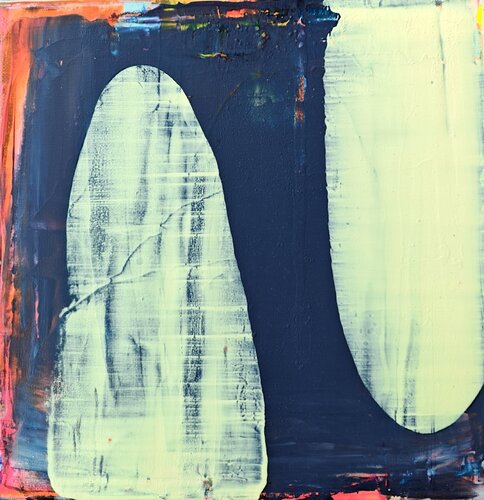
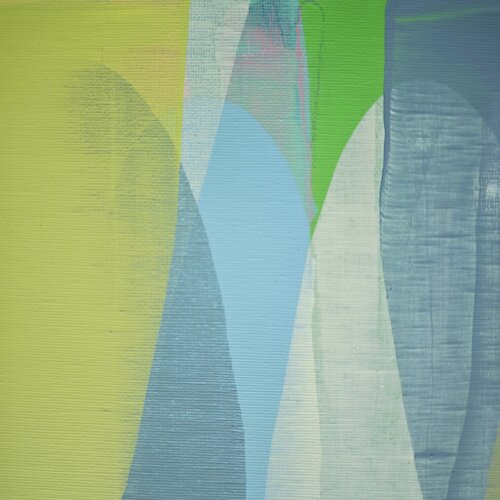
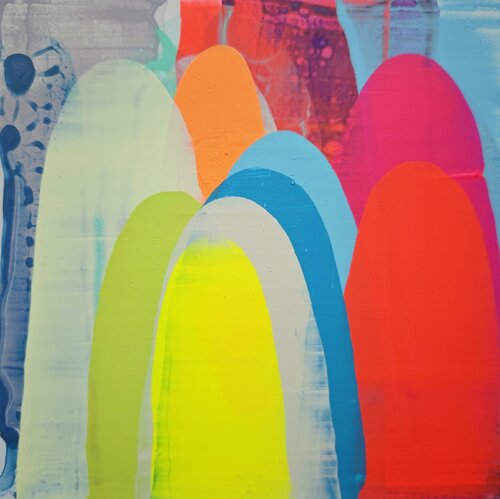
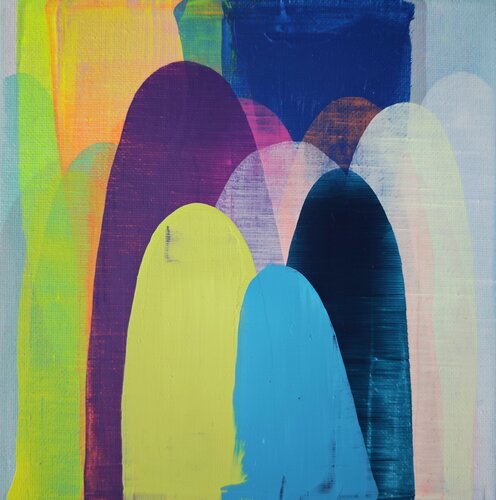
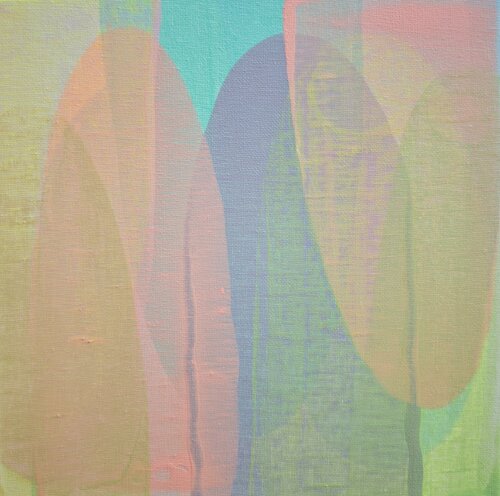
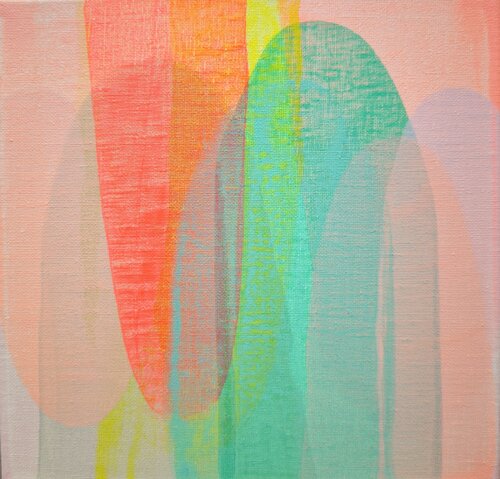
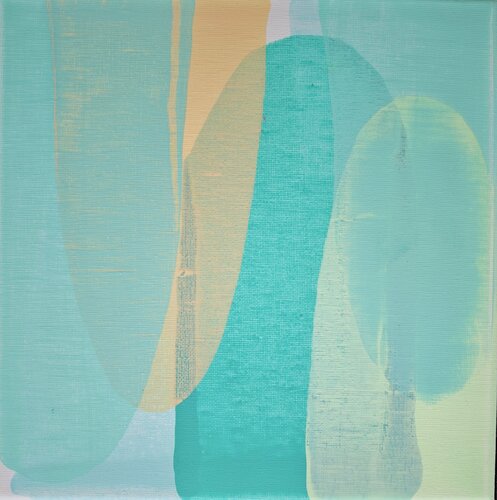
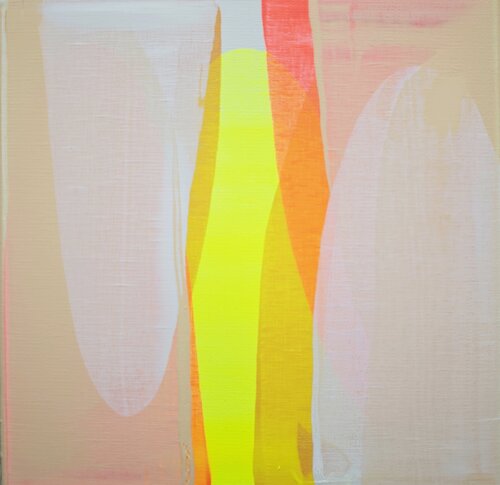
In this small format, I condense space, energy, and silence into a single gesture. Two bright, almost floating forms emerge from a deep, dark field of color – like apparitions between visibility and dissolution.
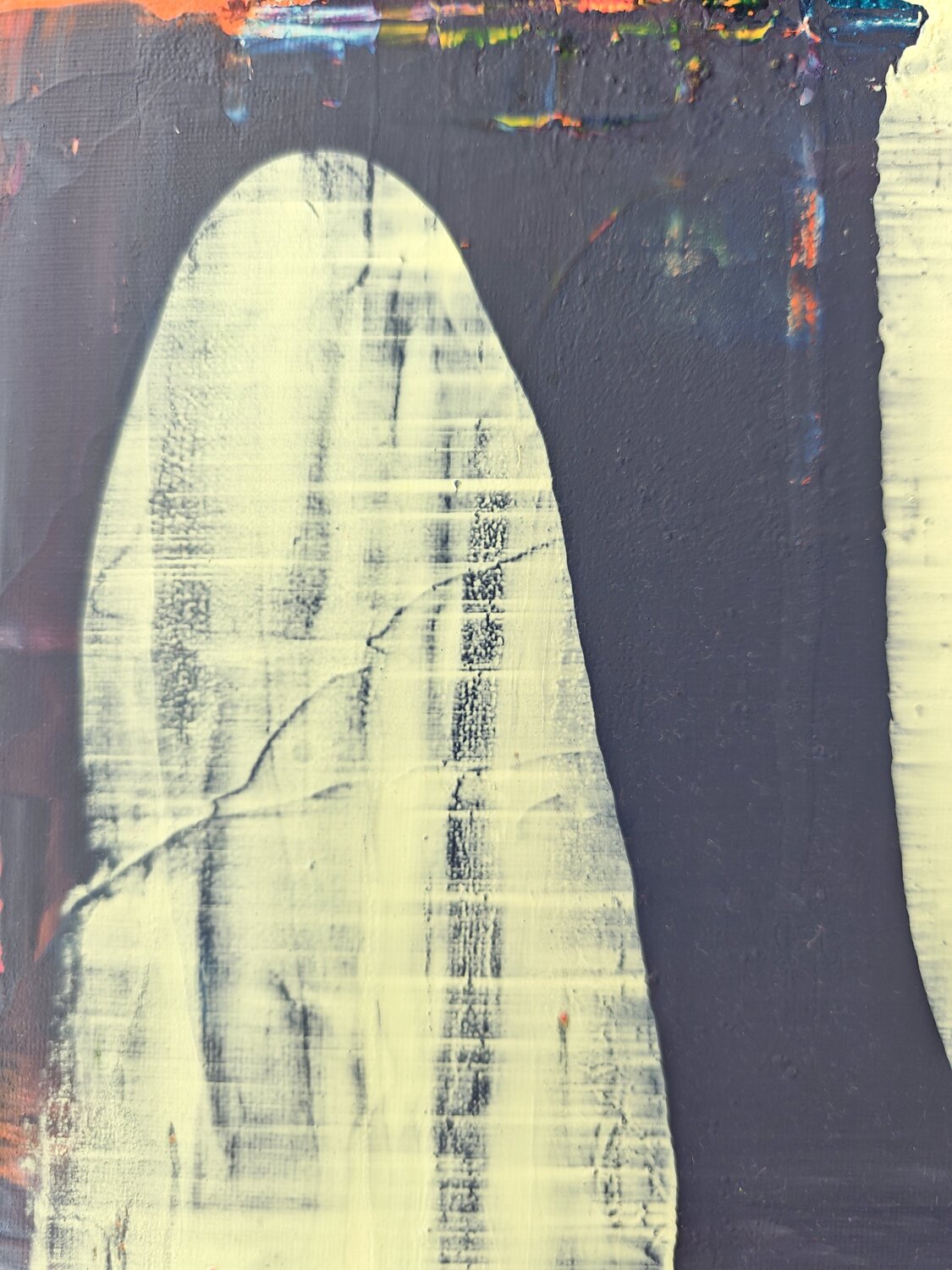
The surface bears traces of movement and retraction: layers were applied, removed, and made permeable. This creates a fragile balance between control and letting go. The light forms resemble inner spaces – soft, permeable, open to projection.…
Darkness frames and holds, while delicate, luminous accents at the edges create a subtle tension. It is a dialogue between density and vastness, between presence and memory.
This work invites you not only to look, but to enter – into a silent space of color that only fully unfolds through personal experience.
The surface bears traces of movement and retraction: layers were applied, removed, and made permeable. This creates a fragile balance between control and letting go. The light forms resemble inner spaces – soft, permeable, open to projection.…
Darkness frames and holds, while delicate, luminous accents at the edges create a subtle tension. It is a dialogue between density and vastness, between presence and memory.
This work invites you not only to look, but to enter – into a silent space of color that only fully unfolds through personal experience.
Tanja Hoffmann
Germany
Credentials
- Established Artist
- International Exposure
- Art Fair Participant
- Solo shows participant
- Favorited by galleries
- Featured in gallery curations
- Works on commission
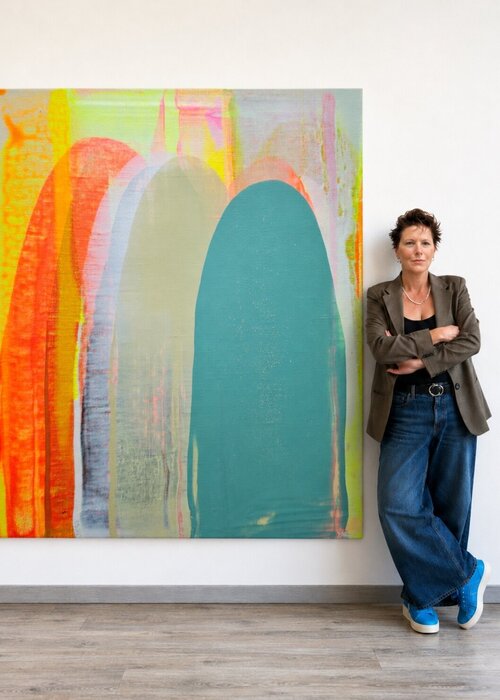
My work moves between intuitive process and conceptual clarity. Through my ongoing series Zenpolychromos, I explore color as space, energy and experience. Using transparent layers, gesture and rhythm, I create paintings that invite contemplation. For me, color is not decorative but a living presence that opens a space between movement and stillness. Each work develops through a process of layering, reduction and intuitive decisions, creating compositions that balance emotional depth with visual clarity. Alongside Zenpolychromos, my collage series Fragmented Being explores identity, memory and transformation through reassembled visual fragments. My work invites viewers to experience color not simply as something to see, but as a space to enter. COLOR BECOMES SPACE.
Tanja Hoffmann
Zenpolychromo Mini 210
$510


