Singulart guarantees reliability and traceability.
All the artists on the platform have been specially selected and certify to only sell works, of which they are the artist. Whatever the medium, the work is sent to the buyer with a certificate of authenticity. Photographs are numbered and signed.
Every customer can be given a copy of their certificate of authenticity by contacting support@singulart.com
With Singulart, you can pay safely by credit card or bank transfer.
For all transactions exceeding your credit limit, contact us. We are required to verify every transfer, as part of the fight against fraud and money laundering.
Singulart prices include:
Price of an artwork defined by an artist.
Insurance. Your order is 100% protected in case of any damage or loss.
All customs fees, taxes, and document preparation.
Third-party logistic provider shipping costs.
A dedicated Singulart customer care specialist that will assist you with any questions or problems during shipment.
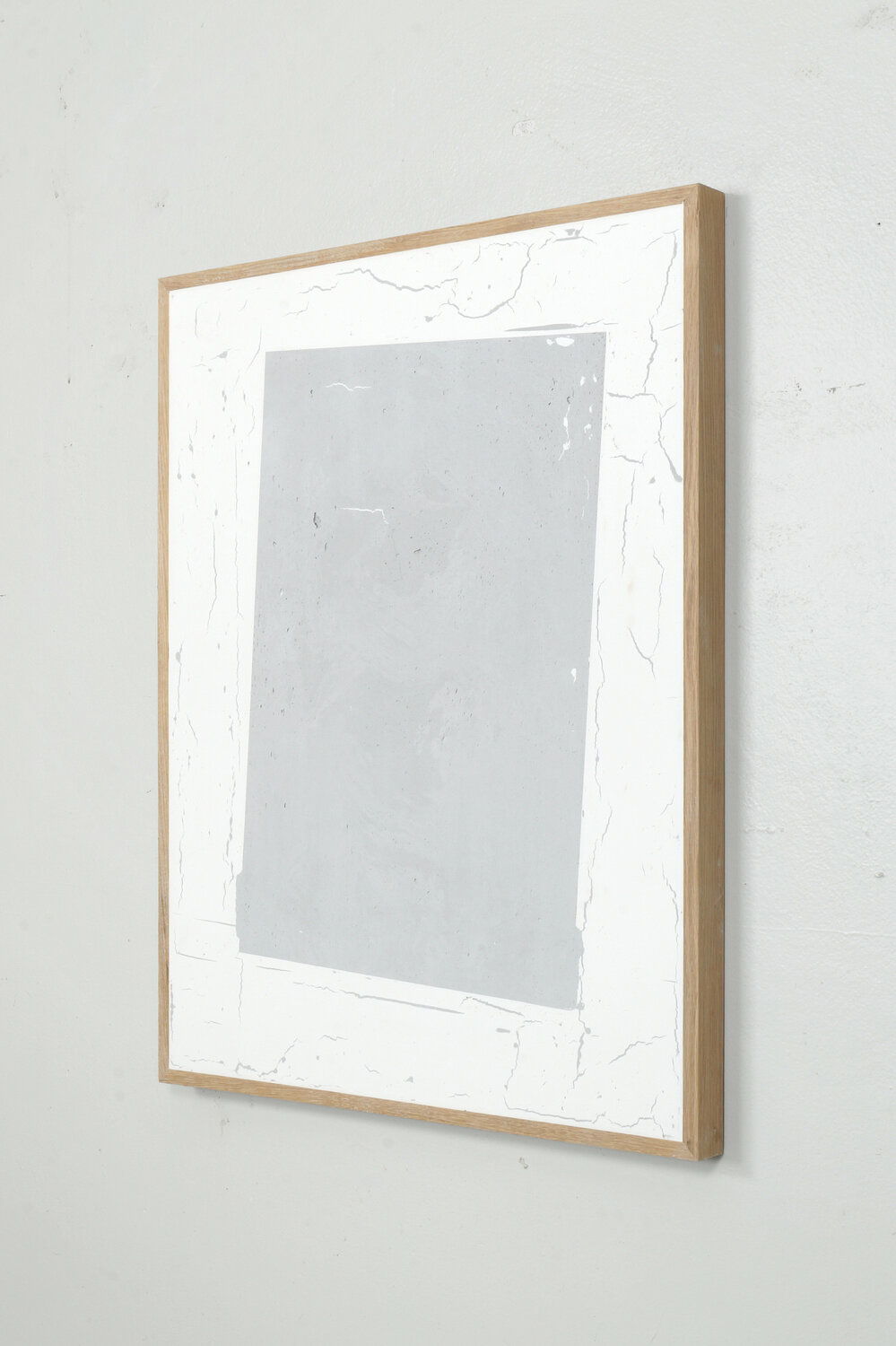
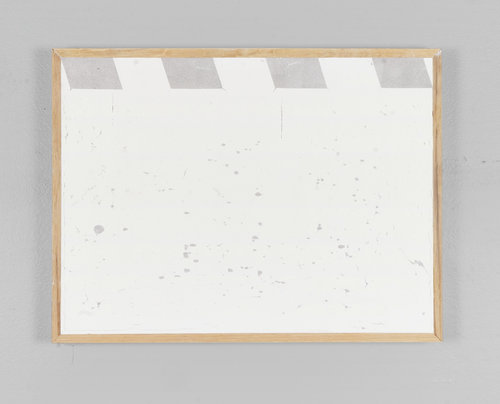
The Fifty-Fifty series simply consists of works where half the surface is grey and half white. This is achieved by dividing a wooden board of the same size as the work in half. One part is used to create a template for the composition. The board can be further divided. As long as all pieces are used, a 50% distribution of the surface between white and grey is guaranteed.
For the second batch in the Fifty-Fifty series, I cut the… board in half on the longest side and then, for every new work in the batch, I continued to cut every piece in two with curved lines, using a jigsaw.
Read more here: https://www.jodsoderstrom.com/product-page/354-even-better
« I am interested in process-based painting, and the profound solitude of the human mind. While exploring one, I sometimes try to formulate something about the other, and how it affects our relationship with the outside world. »
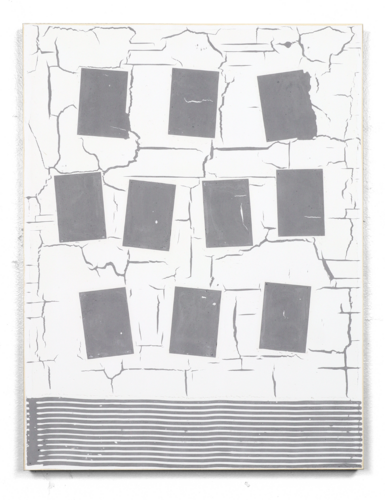
Johan Söderström is a nationally-distinguished Norwegian painter. His works consist of layers of filler where various fields are laid beside each other, like pieces in a puzzle, and he uses his unique technique to emphasize cracks, textures and other aspects the material's own history. He primarily explores the theme of human alienation, and aims to ensure that his aesthetic can be perceived in ways simple enough to diminish the distance between viewer and work.