Singulart guarantees reliability and traceability.
All the artists on the platform have been specially selected and certify to only sell works, of which they are the artist. Whatever the medium, the work is sent to the buyer with a certificate of authenticity. Photographs are numbered and signed.
Every customer can be given a copy of their certificate of authenticity by contacting support@singulart.com
With Singulart, you can pay safely by credit card or bank transfer.
For all transactions exceeding your credit limit, contact us. We are required to verify every transfer, as part of the fight against fraud and money laundering.
Singulart prices include:
Price of an artwork defined by an artist.
Insurance. Your order is 100% protected in case of any damage or loss.
All customs fees, taxes, and document preparation.
Third-party logistic provider shipping costs.
A dedicated Singulart customer care specialist that will assist you with any questions or problems during shipment.
Other details :
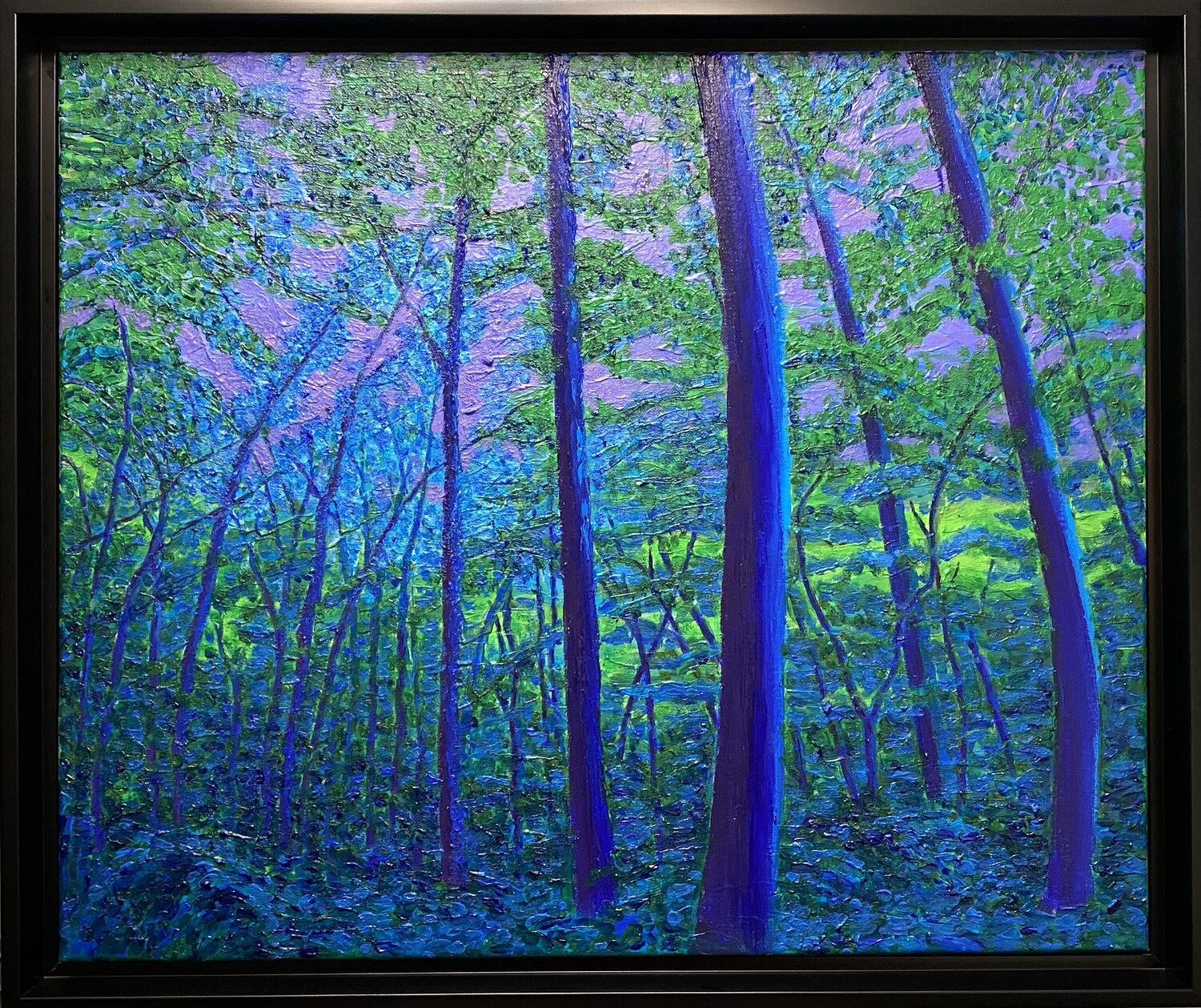
Artwork on supported wooden frame. Artwork framed.
Dimensions :
20x24in
About this artwork
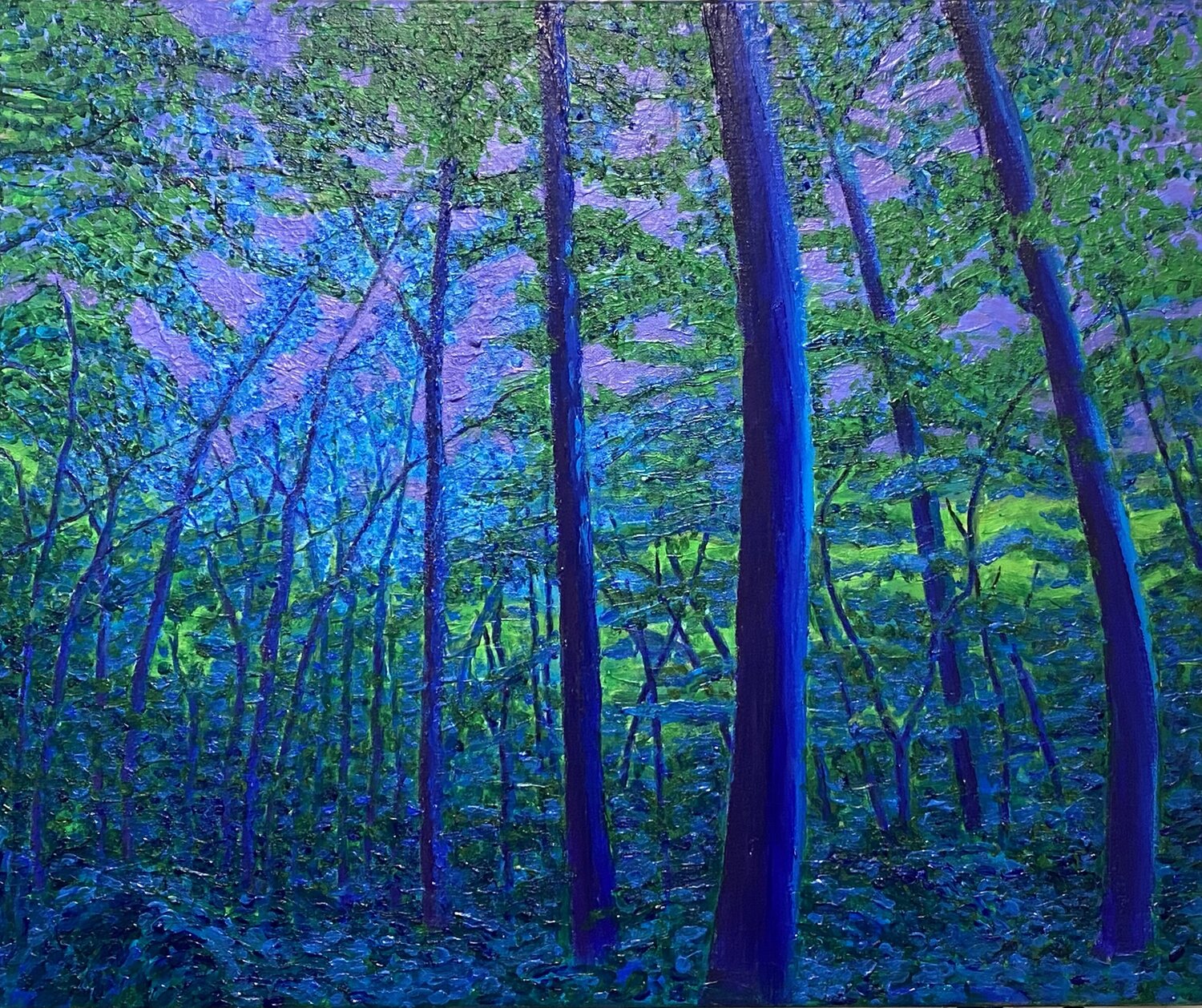
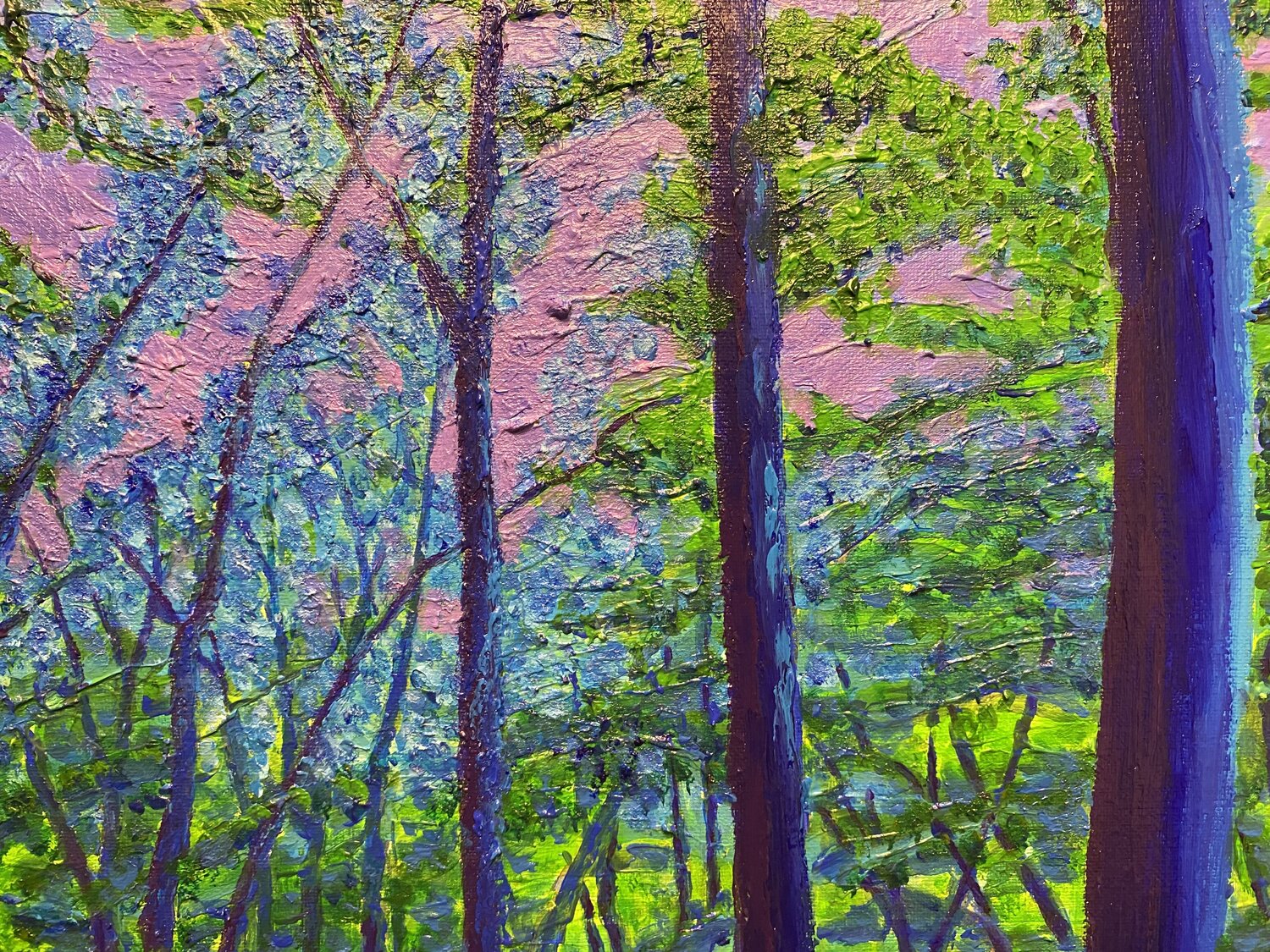
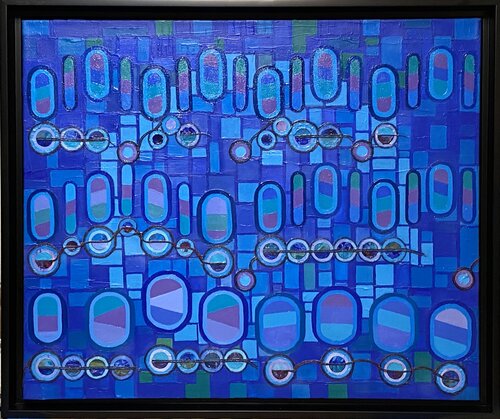
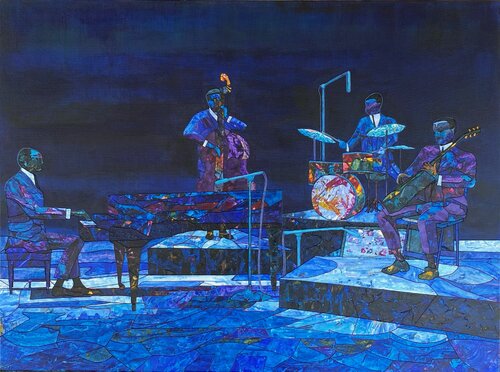
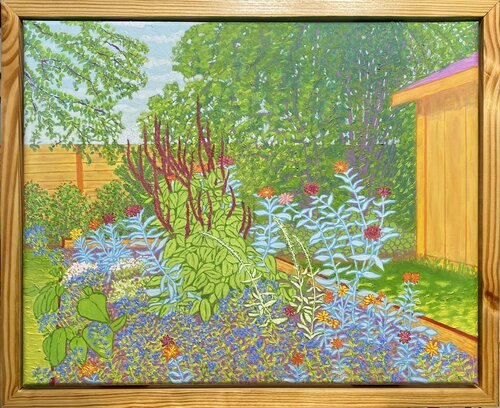
"Blue in Green" is Track #3 on Miles Davis' 1959 album Kind of Blue. Miles told poet Quincy Troupe, "about being back in Arkansas, and he was walking home from church. And the people in the backwoods were playing these really bad, really great gospels. He couldn't see the people but he heard these gospels coming in through the trees and over the trees. And it was dark and he was about six years old, and he was walking with his cousin...he started… remembering what that music sounded like and felt like. He said that feeling was what [he} was trying to get close to... That feeling had got in my creative blood, my imagination, and I had forgotten it was there. I wrote these blues to try to get back to that feeling I had when I was six years old, walking with my cousin down that dark, Arkansas road."
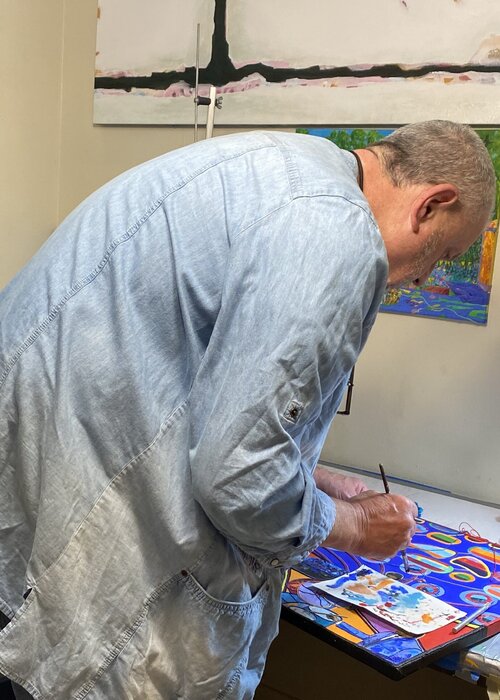
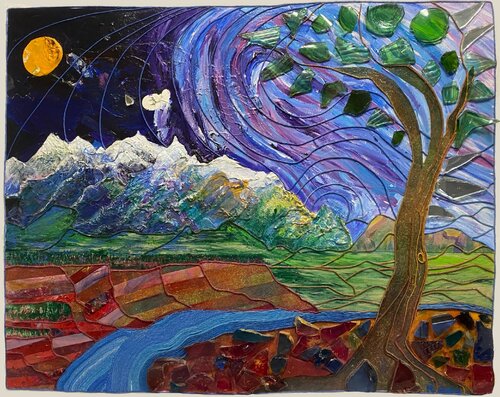
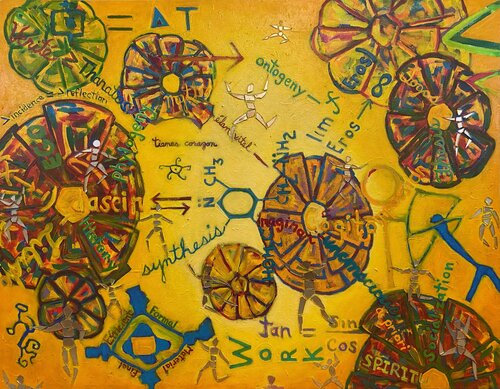
Self-taught and based in Austin, Texas, he predominantly uses plastic arts, painting, string and collage to bring depth and texture to his works. His technique entails post-impressionistic constructivist art, utilizing the dadaist concept of blending unrelated elements and creating familiar yet freshly interpreted images. His work embraces the enthralling dynamics between randomness and form, aiming to give ordinary viewers opportunities for interpretation, emotional nourishment and even joy.