Singulart guarantees reliability and traceability.
All the artists on the platform have been specially selected and certify to only sell works, of which they are the artist. Whatever the medium, the work is sent to the buyer with a certificate of authenticity. Photographs are numbered and signed.
Every customer can be given a copy of their certificate of authenticity by contacting support@singulart.com
With Singulart, you can pay safely by credit card or bank transfer.
For all transactions exceeding your credit limit, contact us. We are required to verify every transfer, as part of the fight against fraud and money laundering.
Singulart prices include:
Price of an artwork defined by an artist.
Insurance. Your order is 100% protected in case of any damage or loss.
All customs fees, taxes, and document preparation.
Third-party logistic provider shipping costs.
A dedicated Singulart customer care specialist that will assist you with any questions or problems during shipment.
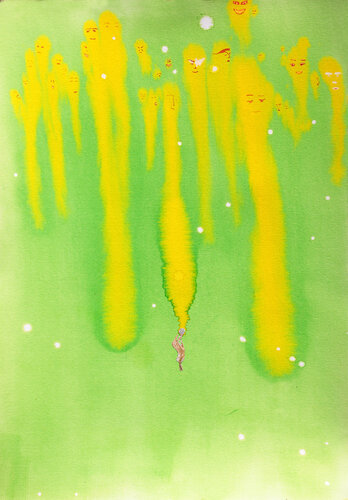
In Greek mythology, the Telchines (Greek: Τελχίνες, 'slanderer') were a tribe of nine brothers, known as the "fish-people", and the first to inhabit the island of Rhodes. An ancient tradition says that they are one of the oldest native peoples of the island, along with the Autochthons and the Heliads. Eustathius describes them as sea-beings with fins instead of hands, fish feet and dog heads - although on the same page he also states, strangely,… that they were originally the dogs of Actaeon, who transformed into men. [2] [5] Rhodes was then called Telchinis in their honor. Stories about the Telchines are very few and far between and have no established tradition.
« I wanted to be a pilot, but I ended up painting. Now I fly higher. »
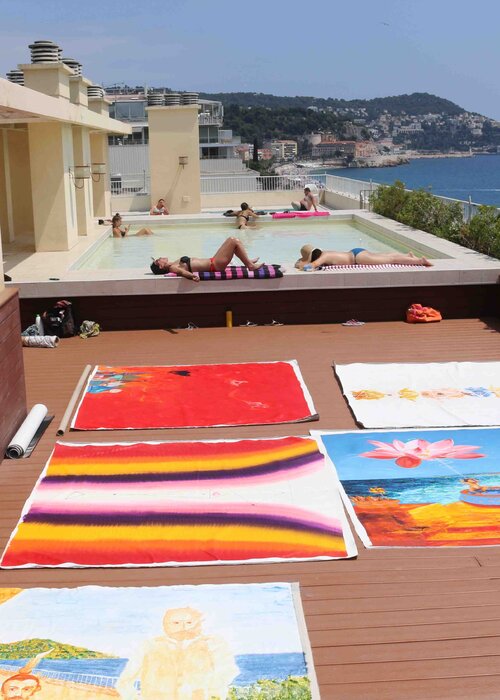
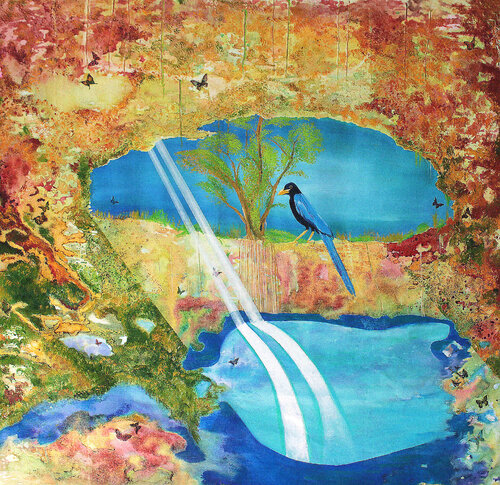
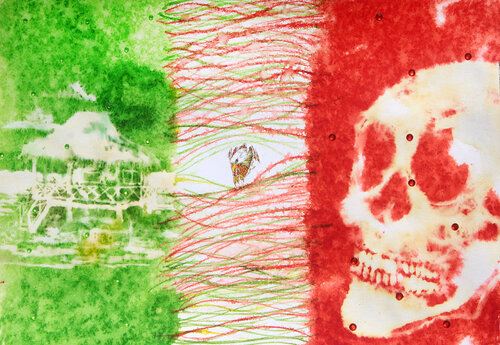
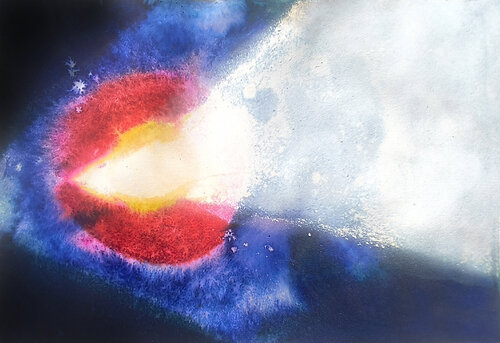
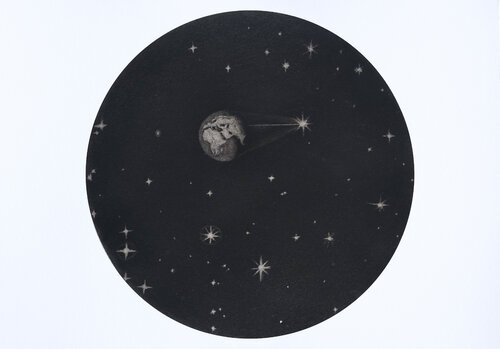
Arturo Prins is an exciting Spanish artist whose style comes from a sensibility of play, discipline, freedom and rebellion, redoubled in a constant reinvention of himself. Thematically, Prins looks to delve into metaphysics, symbolism, esoteric cosmogony, while mixing in humor to soften the transcendent themes in his work. He also describes his work as being "nostalgic for the future, sometimes with a nod to the eclectic spiritualism between East and West."