Not currently available for saleThis piece is currently reserved (either by a client or for an exhibition...).Get notified when it becomes available again.
Thank you very much for your interest!
Your message has been sent successfully! We will get back to you if the artwork becomes available again.
Singulart guarantees reliability and traceability.
All the artists on the platform have been specially selected and certify to only sell works, of which they are the artist. Whatever the medium, the work is sent to the buyer with a certificate of authenticity. Photographs are numbered and signed.
Every customer can be given a copy of their certificate of authenticity by contacting support@singulart.com
With Singulart, you can pay safely by credit card or bank transfer.
For all transactions exceeding your credit limit, contact us. We are required to verify every transfer, as part of the fight against fraud and money laundering.
Singulart prices include:
Price of an artwork defined by an artist.
Insurance. Your order is 100% protected in case of any damage or loss.
All customs fees, taxes, and document preparation.
Third-party logistic provider shipping costs.
A dedicated Singulart customer care specialist that will assist you with any questions or problems during shipment.
Other details :
Artwork on supported wooden frame. Framing on request.
Dimensions :
32.5x63in
About this artwork
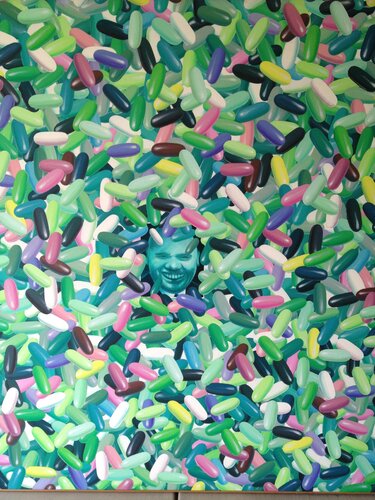
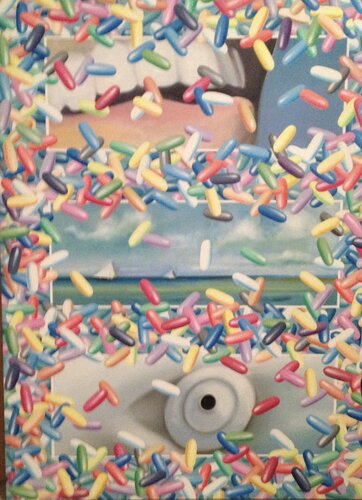
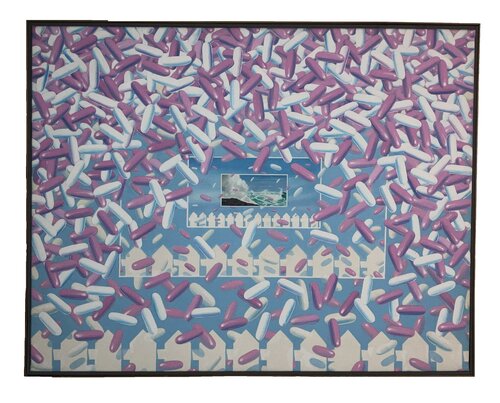
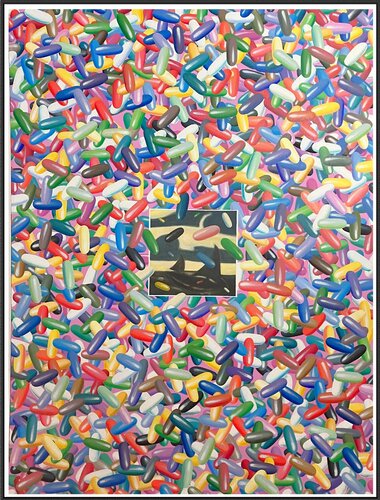
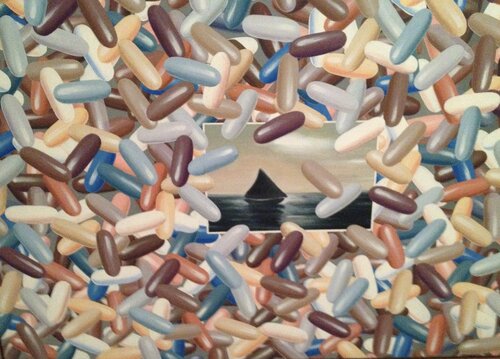
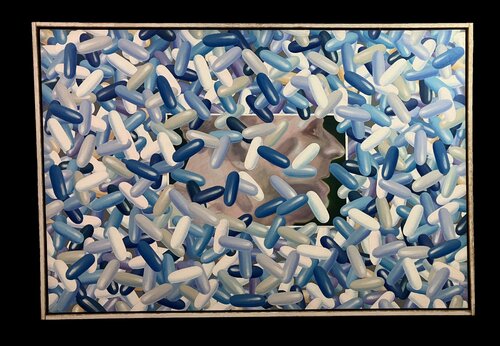
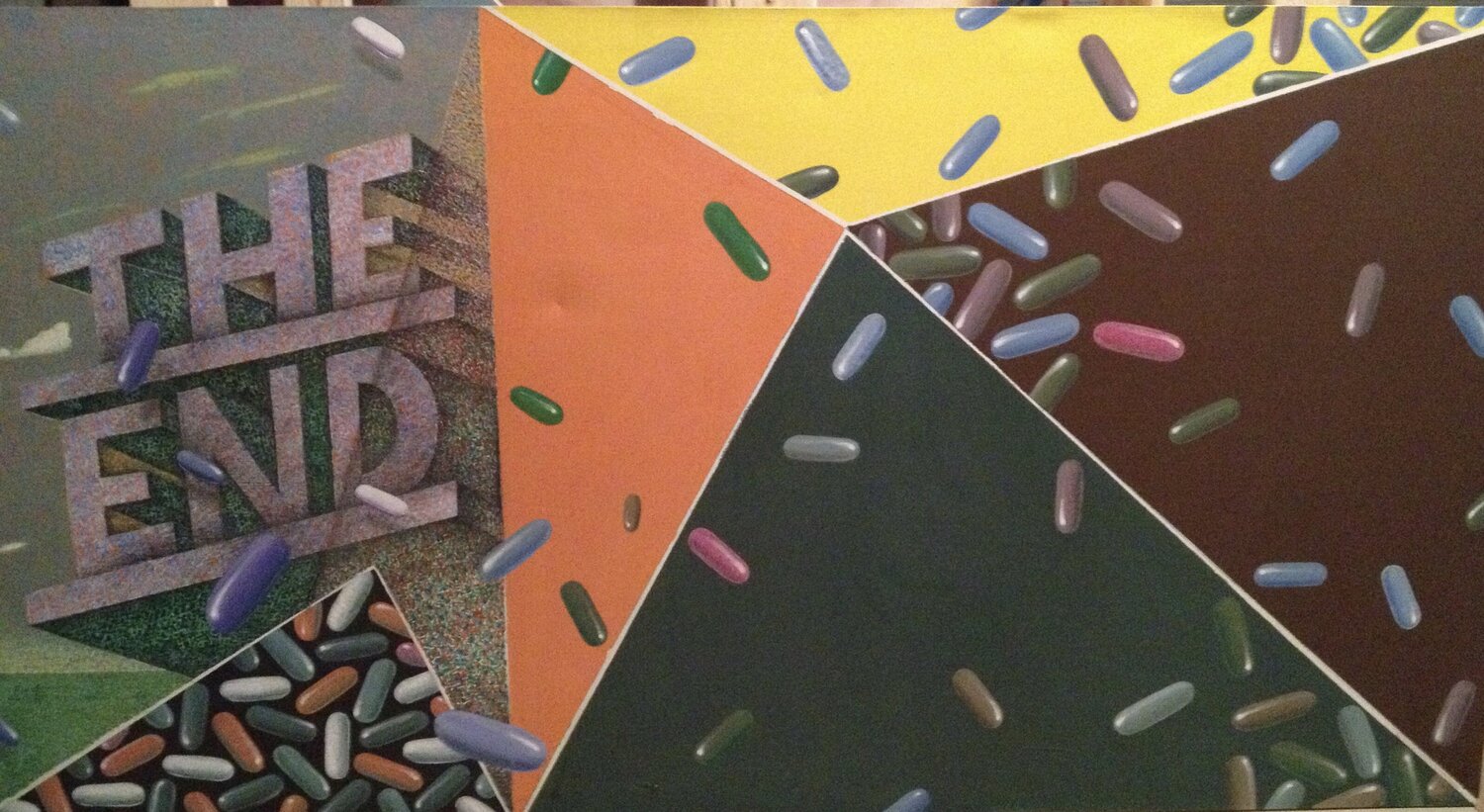
Paul was fascinated by the movies as a child in the 1940s. Here we see "The End." Of the film? The world? Or his life? The grim message is covered by floating candy to make it palatable. Just as when he was a child and masked the horror of the war films with the sweet taste of Good 'N Plenty candy.
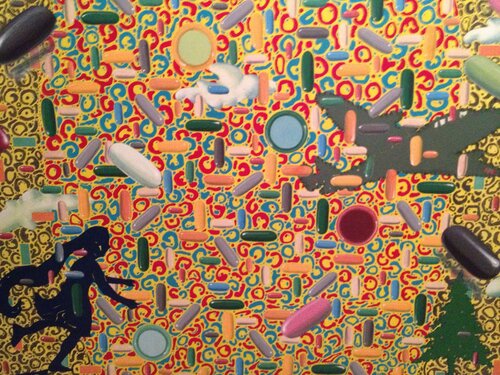
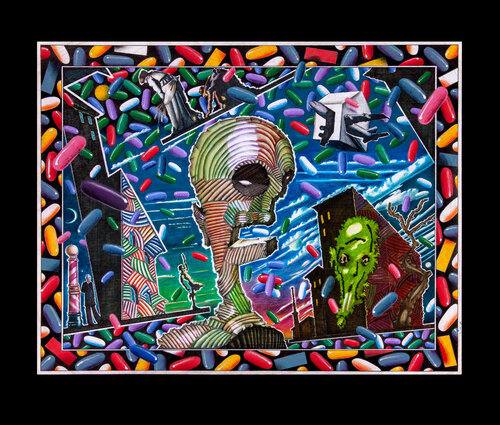
In this painting, Paul foregrounded architectural and geometric patterns in a cubist manner, downplaying the Good and Plenty Candy element. This… style is found is some of his later works.
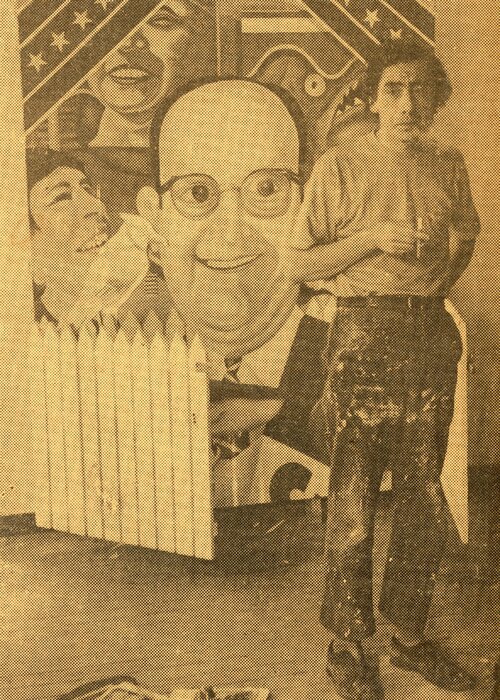
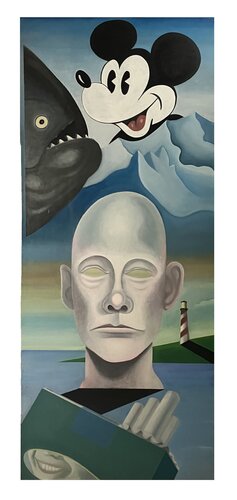
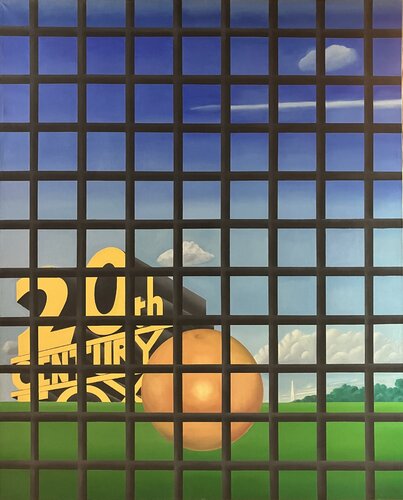
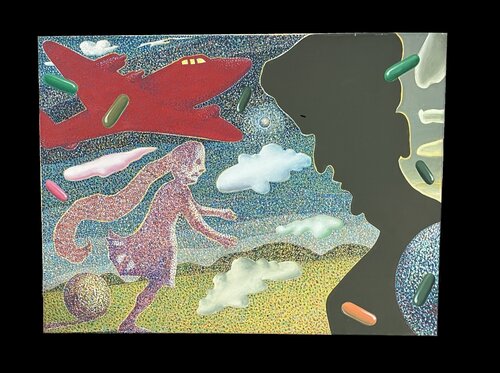
Manhattan artist Paul Spina (1937-2017) was a masterful painter and visual artist with a BFA from Pratt Institute in Brooklyn. He drew on a rich background steeped in both commercial illustration and fine art exhibitions across major American cities. He employed strong draftsmanship, vivid color, dramatic perspective, expressive line, and found objects, blending influences from Rembrandt to Pollock—his work bursts with movement and biting visual harmony, often overlaying personal iconography. His paintings channel intense emotion and personal history, inviting viewers to experience the complexity of joy, loss, and outrage, and challenging them to confront complacency and the darker truths lurking beneath society’s surface.