Singulart guarantees reliability and traceability.
All the artists on the platform have been specially selected and certify to only sell works, of which they are the artist. Whatever the medium, the work is sent to the buyer with a certificate of authenticity. Photographs are numbered and signed.
Every customer can be given a copy of their certificate of authenticity by contacting support@singulart.com
With Singulart, you can pay safely by credit card or bank transfer.
For all transactions exceeding your credit limit, contact us. We are required to verify every transfer, as part of the fight against fraud and money laundering.
Singulart prices include:
Price of an artwork defined by an artist.
Insurance. Your order is 100% protected in case of any damage or loss.
All customs fees, taxes, and document preparation.
Third-party logistic provider shipping costs.
A dedicated Singulart customer care specialist that will assist you with any questions or problems during shipment.
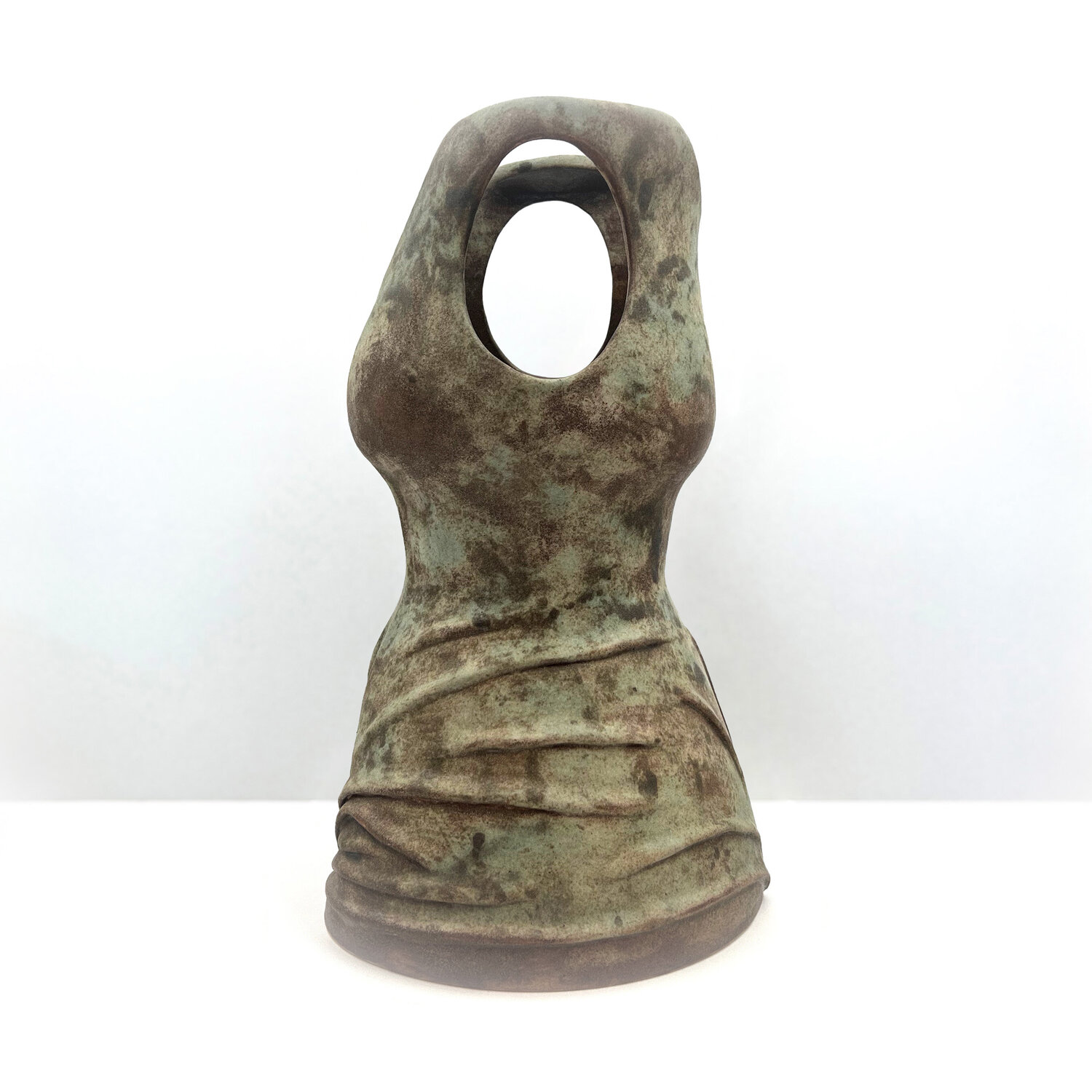
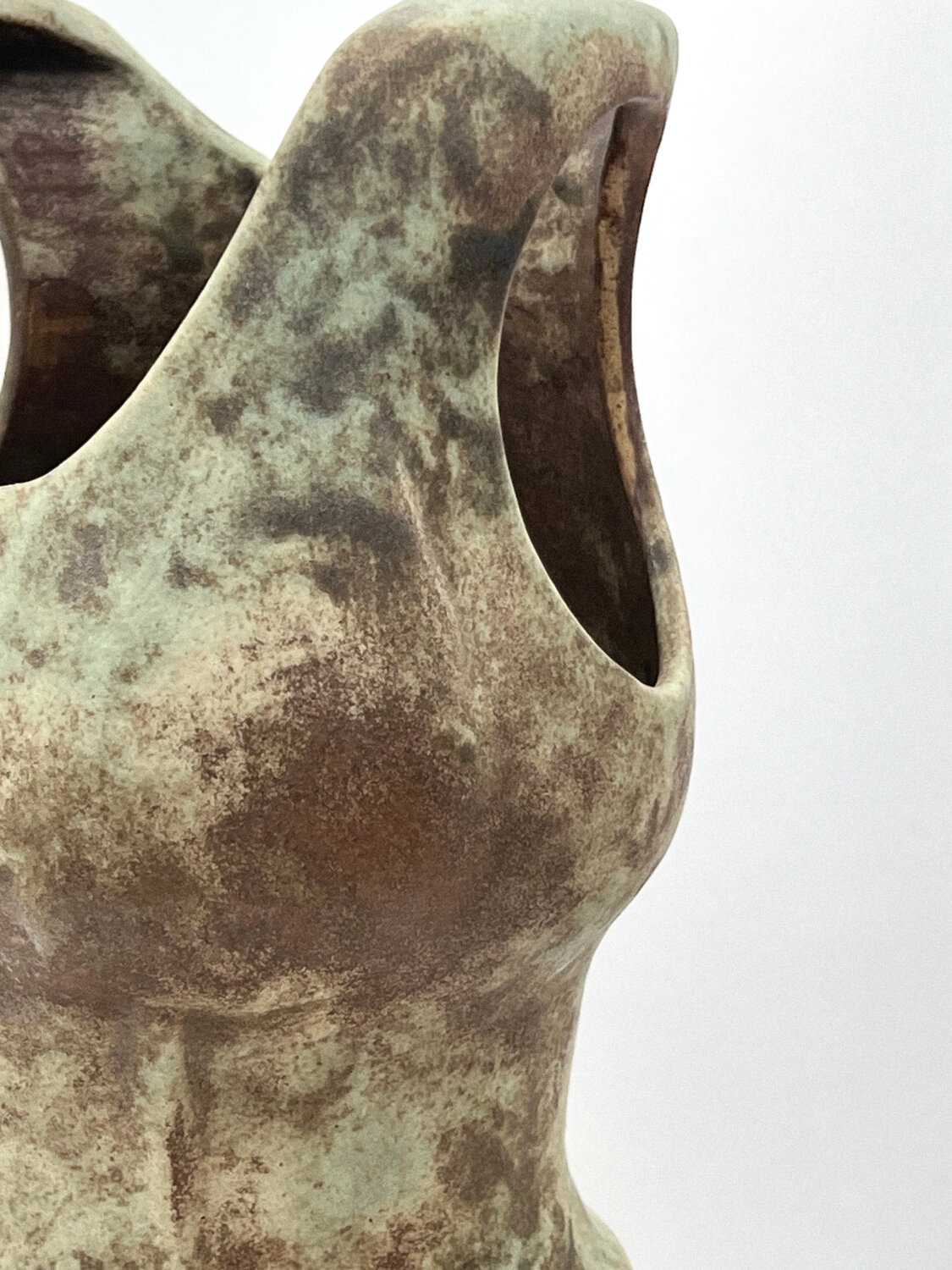
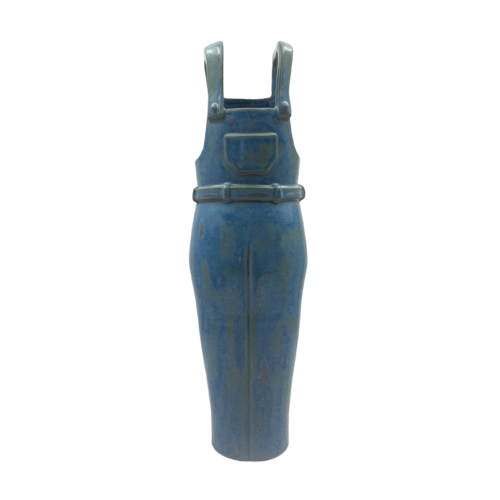
Natasha is a ceramic sculpture that captures the silent echo of a body once present - feminine, grounded, and enduring. Its organic surface, with patina-like tones and weathered textures, evokes aged bronze or ancient statuary, bridging the sensual and the archaeological.
The form suggests both softness and strength: the torso’s curves are tender yet monumental, while the gathered lines around the waist and hips resemble fabric pulled by movement… or memory. These folds, frozen in clay, hint at a moment in time - stilled but not forgotten.
“Natasha” radiates a quiet dignity. It stands not as a figure but as a vessel for presence, absence, and transformation. A tribute to the timeless female archetype, the piece feels both personal and mythic, intimate yet universal.
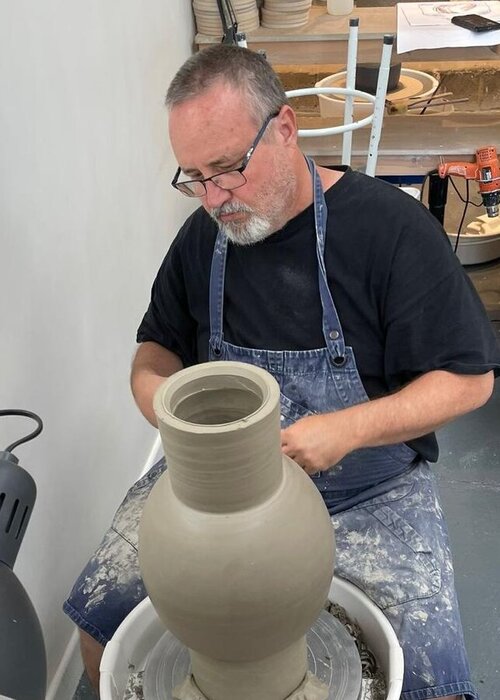
Bringing a background in graphic design and a passion for clay, Guy Hivroni produces ceramic works in Jerusalem that encapsulate his dedication to creation. His sculptures, shaped through wheel throwing and meticulous hand-building, embody a unique dynamism, enthusing life and story into the form of garments. The emotion within his pieces arises from the realization of the paradoxical presence in absence; suggesting an intimate human narrative beckoning for reflection and personalized interpretation, through the tangible representation of clothing.