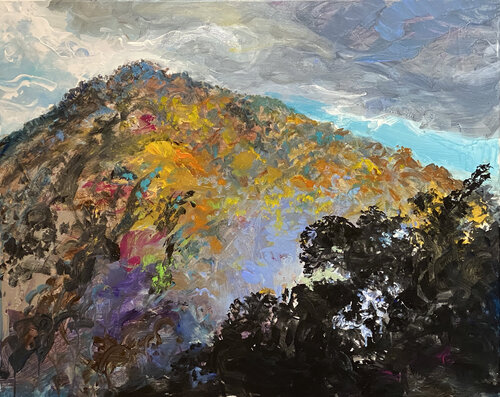
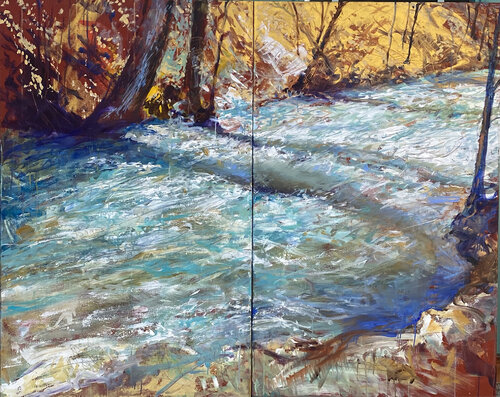
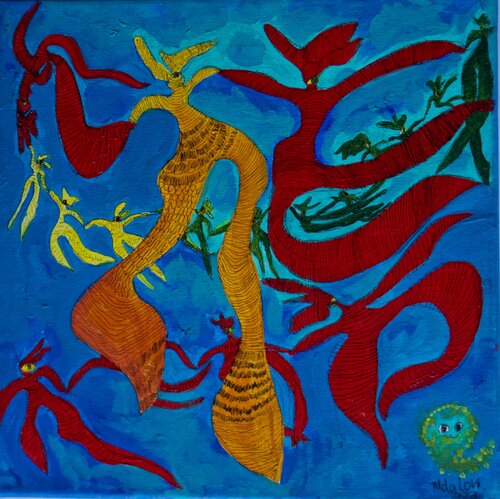
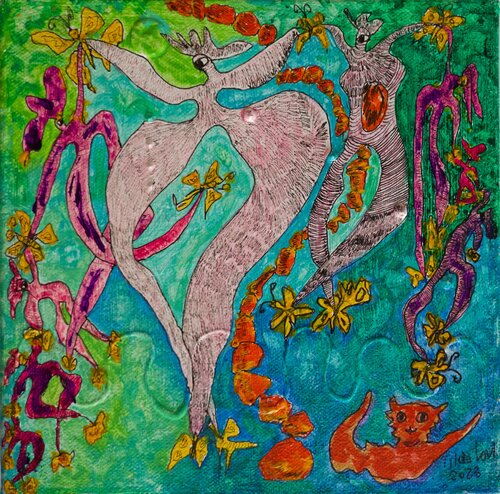
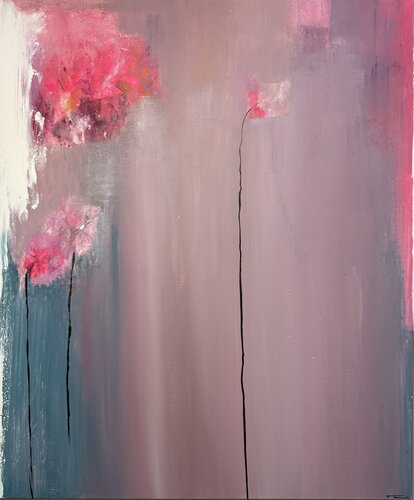
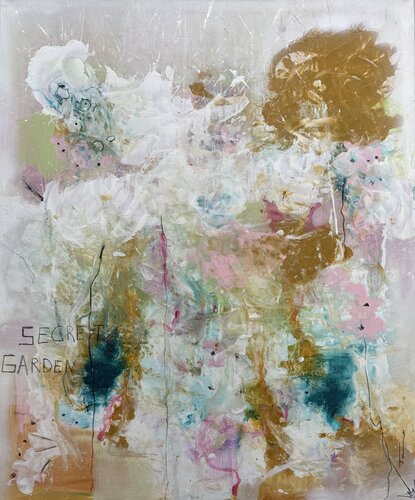
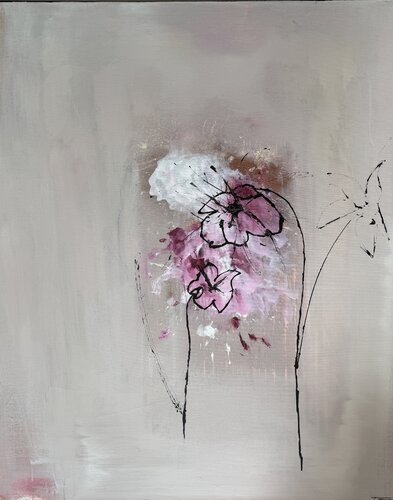
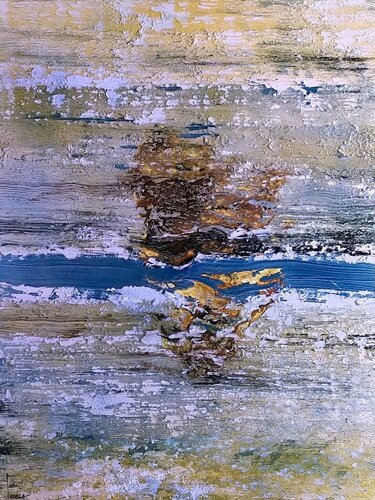
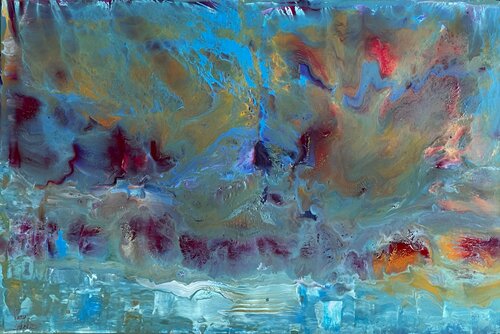
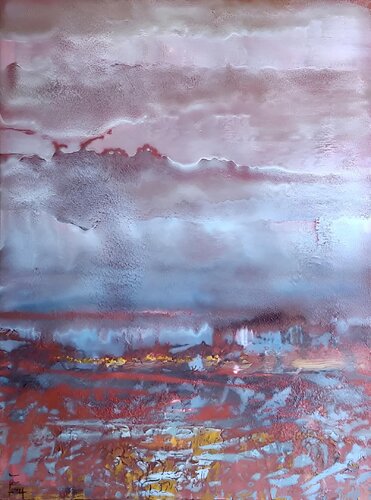
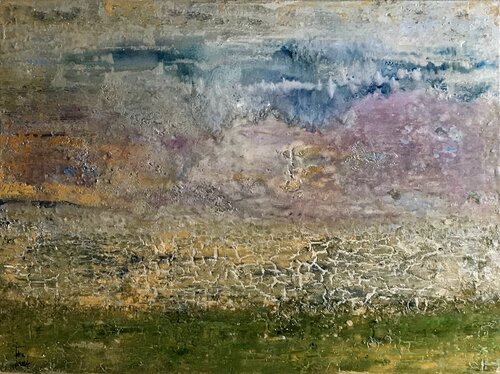
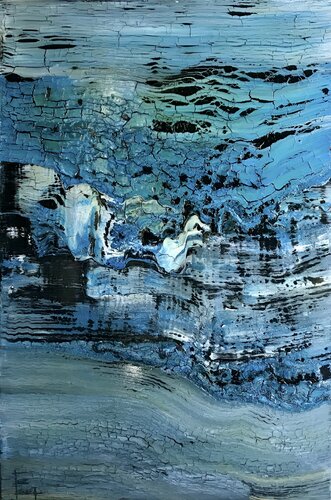
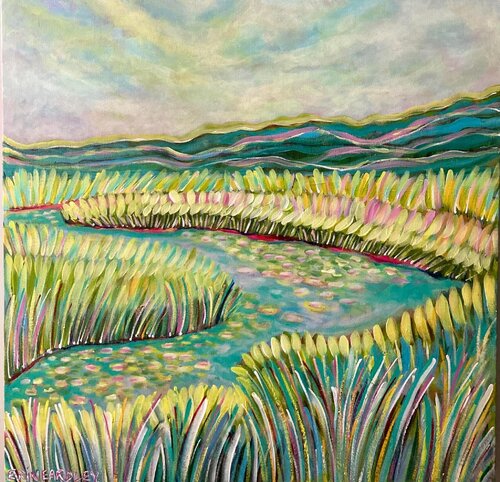
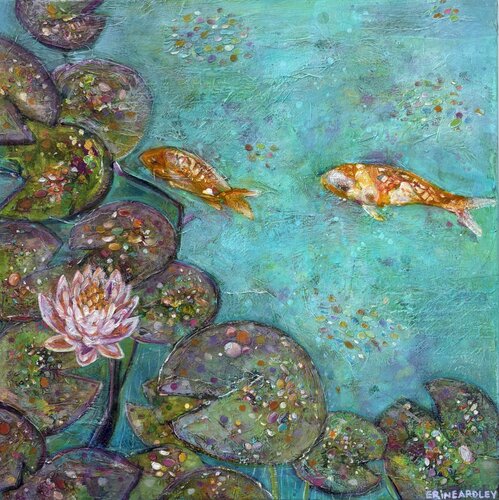
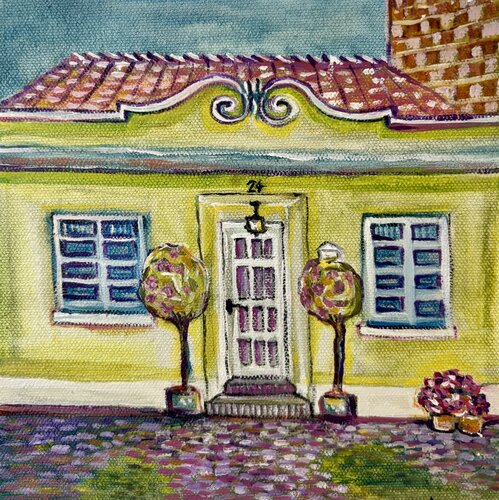
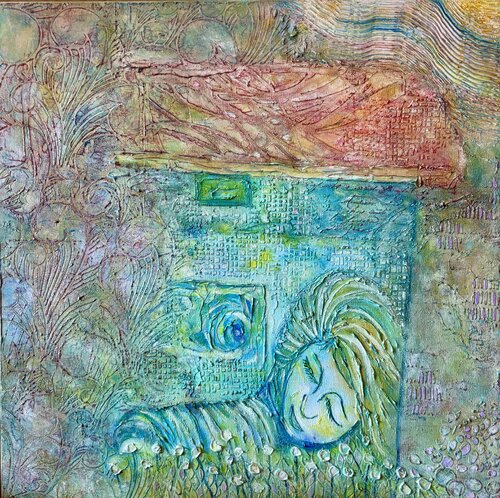
Acrylic paint in mid 20th century became one of the most versatile paintings that can be used instead of oil and watercolor paints. Acrylics soon became popular and easily available in the market as early as the 50’s branded as Liquitex and Polymer. It dries fast, gives excellent opacity, and can also be applied in thick or can be thinned down to get the watercolor look.
Another reason for acryl’s popularity was its versatility and applications that did not require a lot of skill, allowing the creation of new techniques that could not be applied to other types of paintings. Often associated with being bright in color and less likely to deteriorate when exposed to different conditions, acrylics deliver long-lasting and stable paints.
Some of the first painters to benefit from this characteristic were
David Hockney and
Bridget Riley because they knew how to use these qualities to their advantage. Acrylic art on the other hand has progressed and has been accepted in the current generation art market ranging from murals to studio works.
Acrylic paint has been central to the emergence and growth of modern art because its physical characteristics fit perfectly the modernist art movement. Developed in mid 20th century, acrylics gave artists freedom in terms of texture, shape, and shades. This medium requires little drying time and can, therefore, be layered within short durations, unlike
oil paints. It also sticks well to a host of surfaces, meaning that the possibilities of creating art are not limited to painting on canvas, but may include sculptures or even combined media artwork.
Some artists such as Andy Warhol painted with acrylics due to their bright saturated colors suitable for his
pop art works. Newman and
Rothko used acrylics for smooth and flat surfaces and color fields respectively. This versatility made acrylic paints ideal for innovative and experimental art practice and has contributed greatly to the creation of modern art forms.
Some of the most well-known artworks are in this genre, including "Marilyn Diptych (1962)" and "Campbell’s Soup Cans (1962)" painted by one of the pioneers of the pop art movement,
Andy Warhol.
David Hockney also used acrylics for vibrant colors and fast-drying properties, some of his famous paintings include, "A Bigger Splash (1967)". The painting depicts a splash in a swimming pool, an abstract and dynamic depiction of modern life leisure, and in clean graphic lines associated with Hockney’s artistry.
Bridget Riley, whose work was associated with the Op Art movement, applied acrylics to paint accurate geometrical shapes to elicit optical illusions. An example is her painting called “Current” painted in 1964 using black and white acrylics to create an illusion of depth.
Such examples clearly illustrate the role acrylic paints have played in modern art as a means through which artists can express themselves while addressing either timeless topics or new ones.