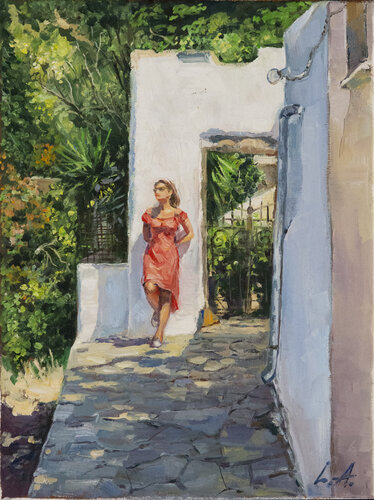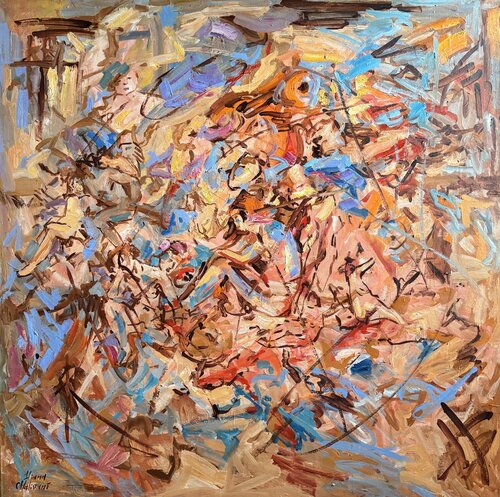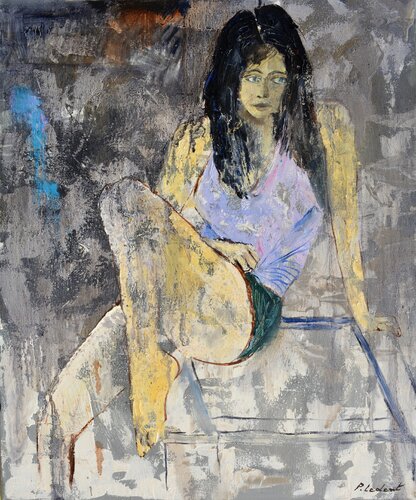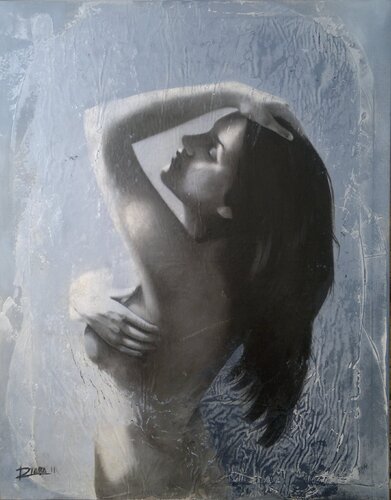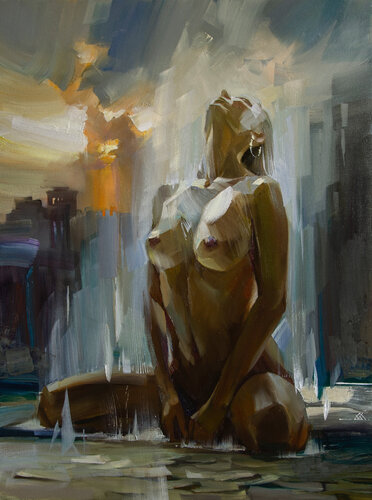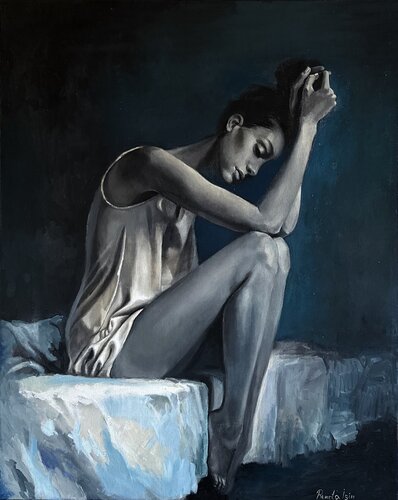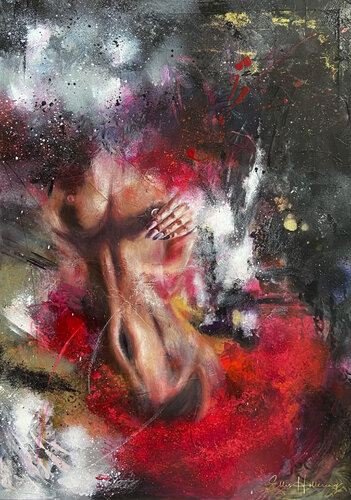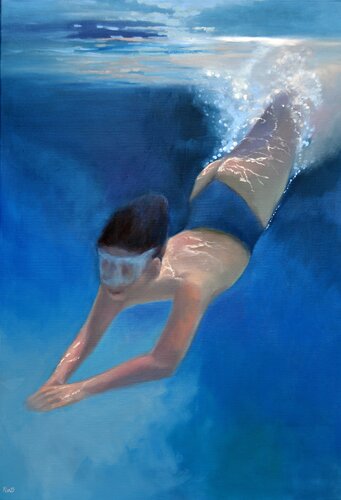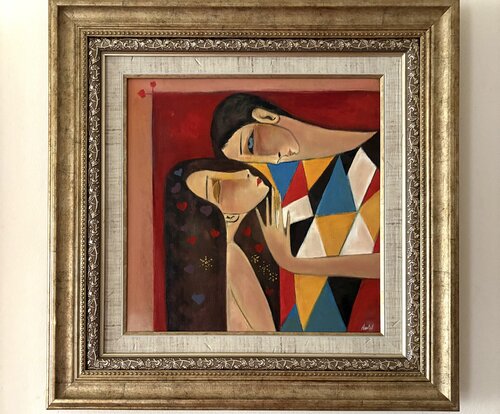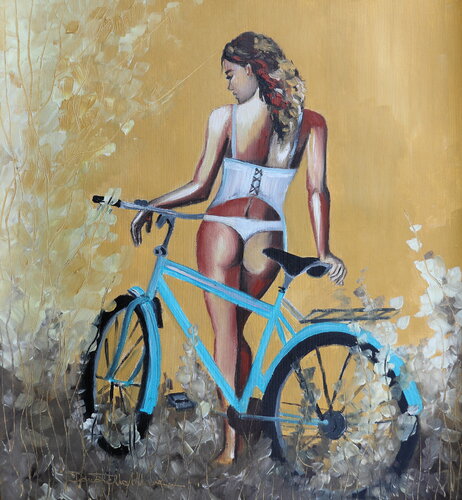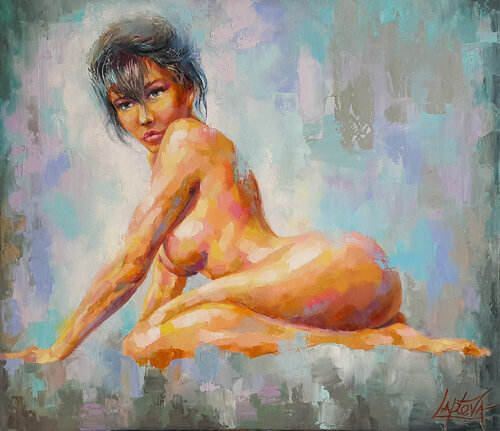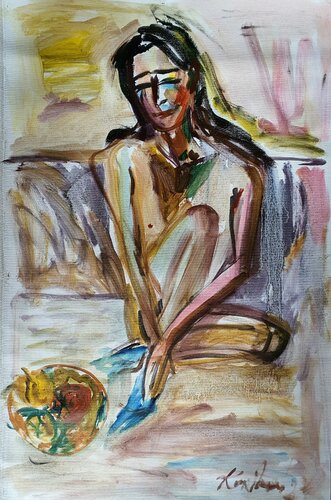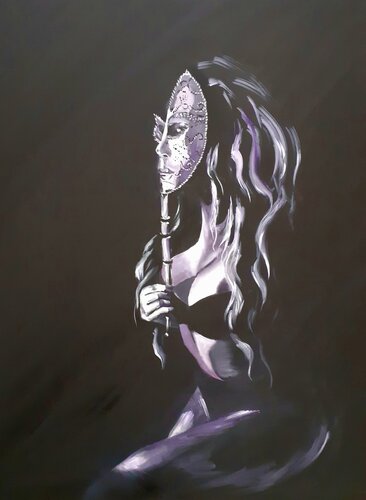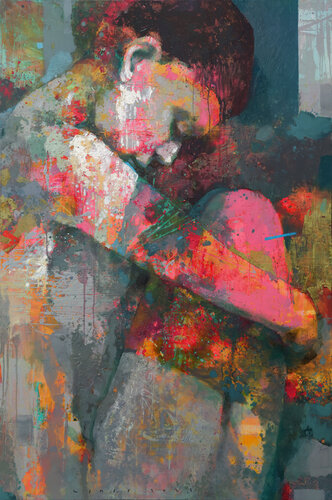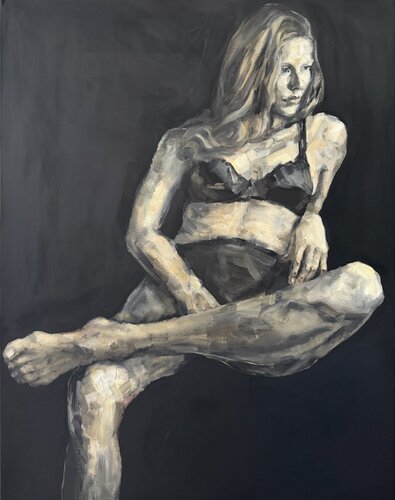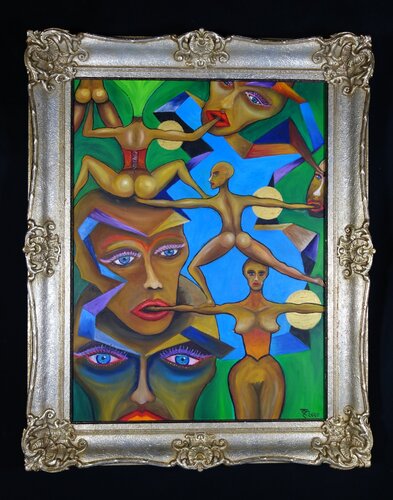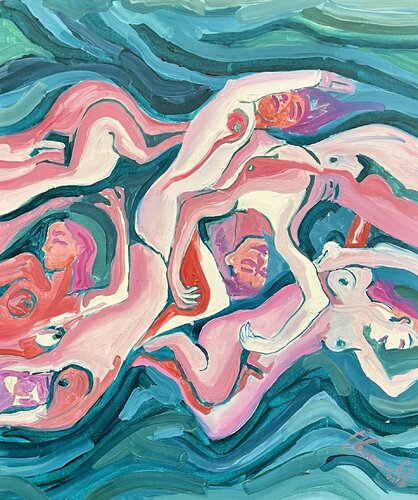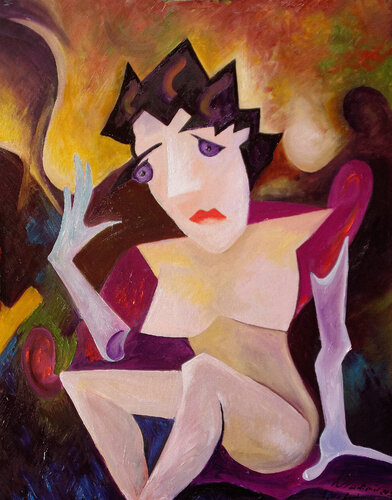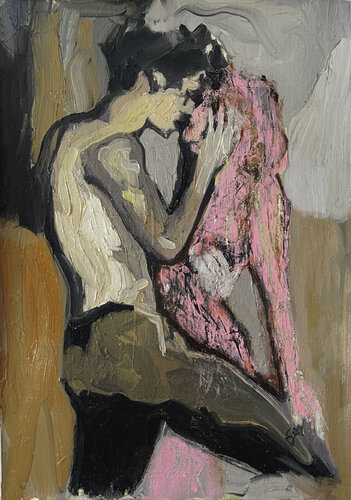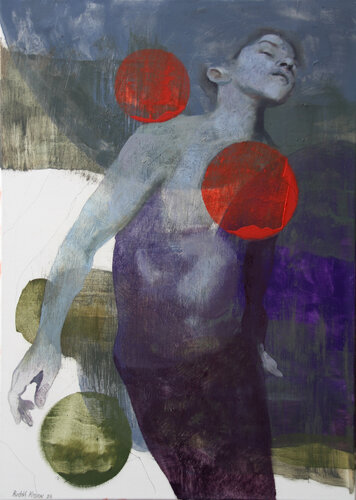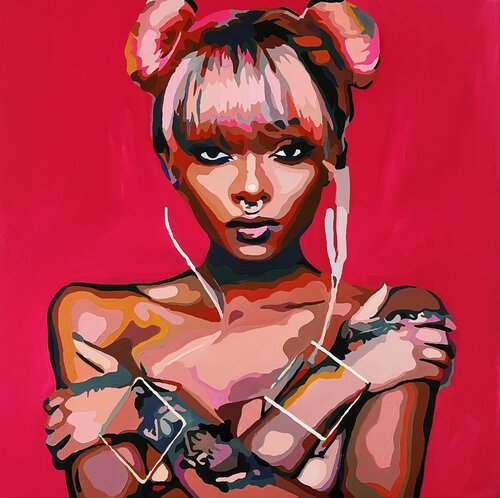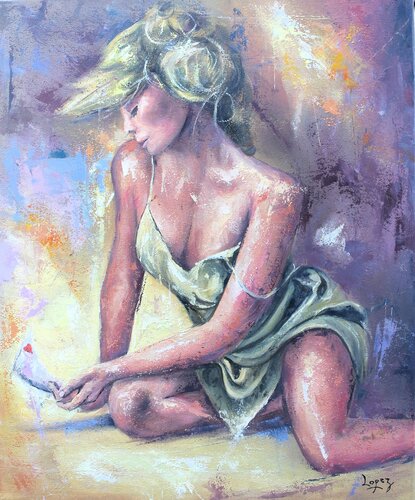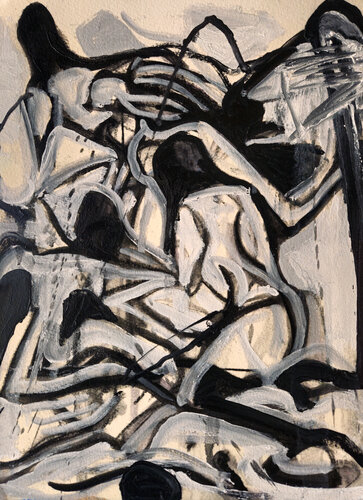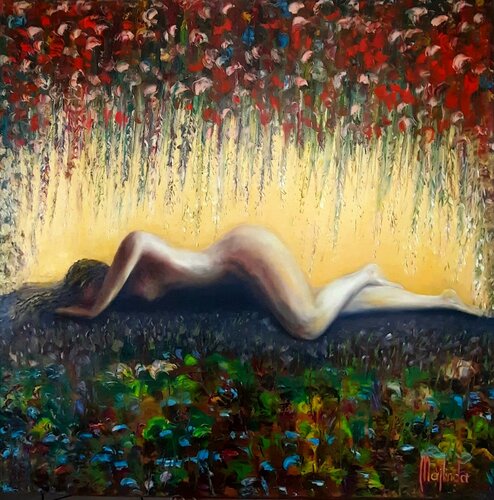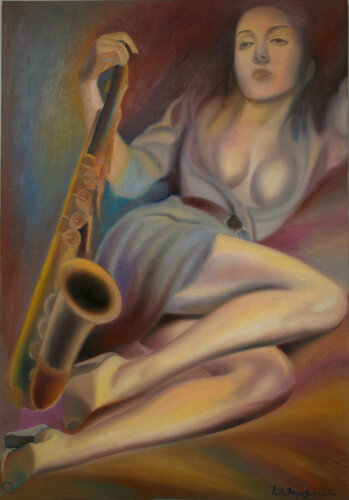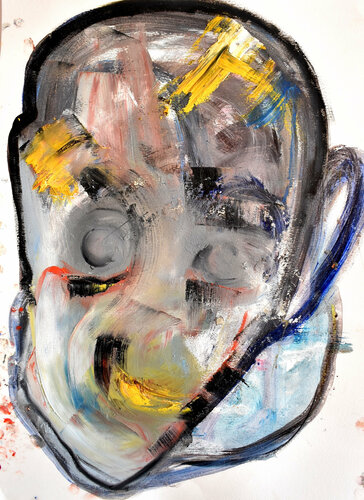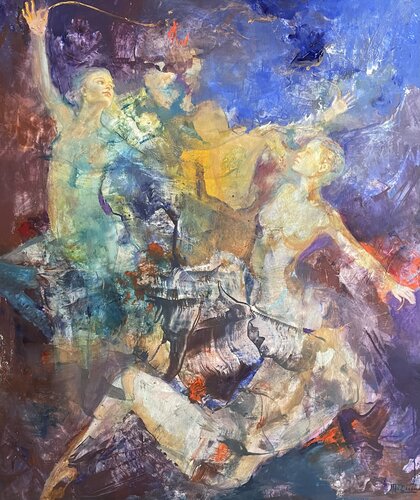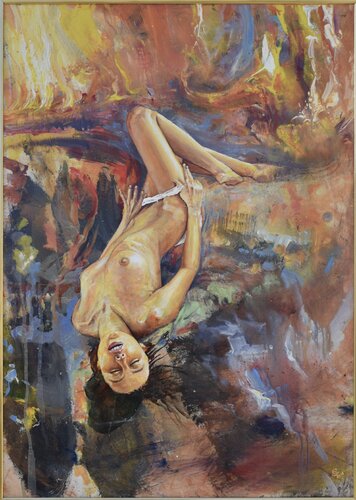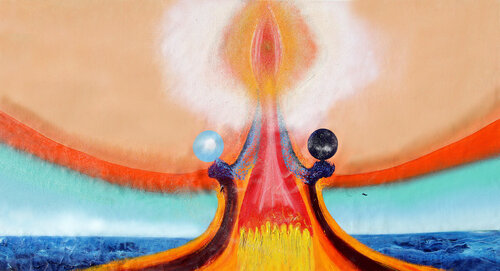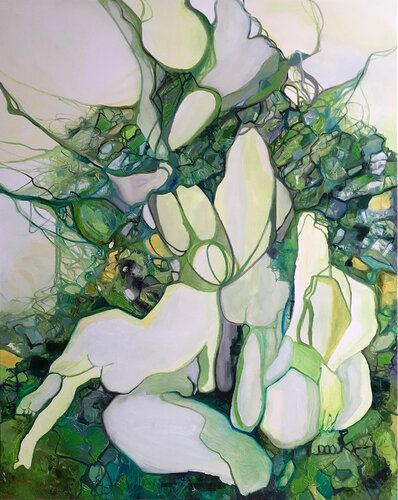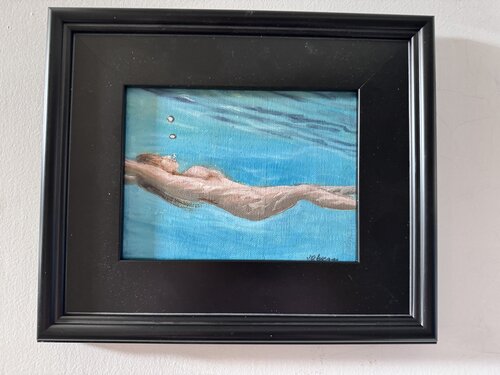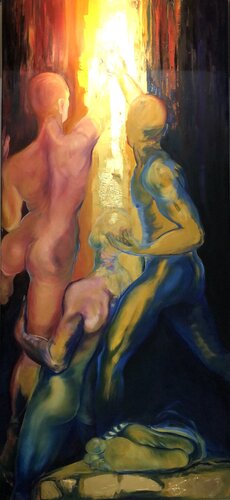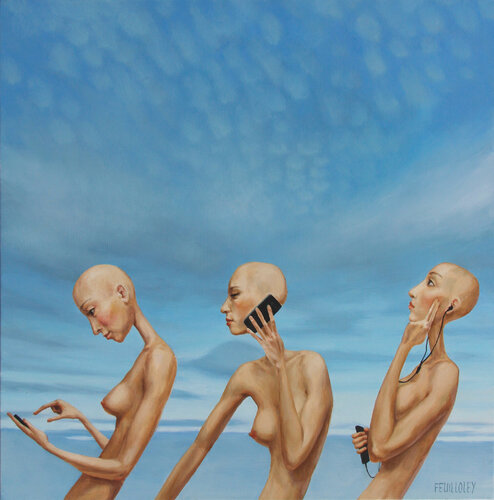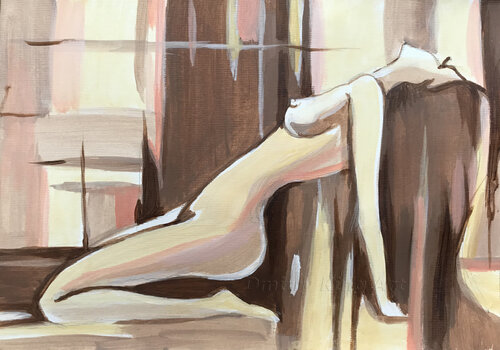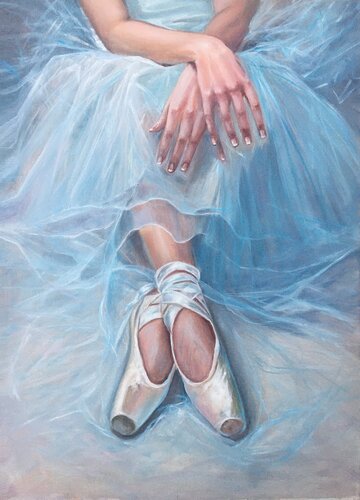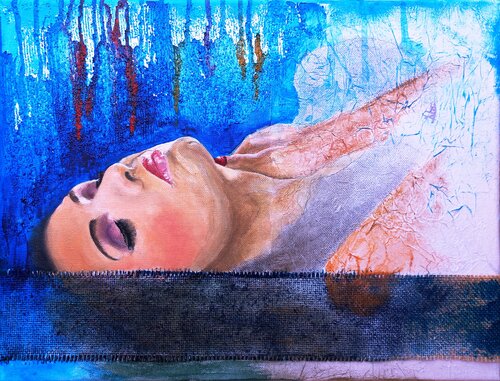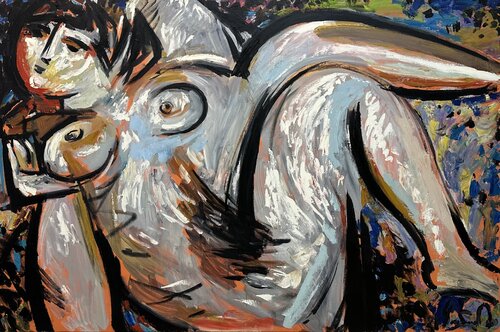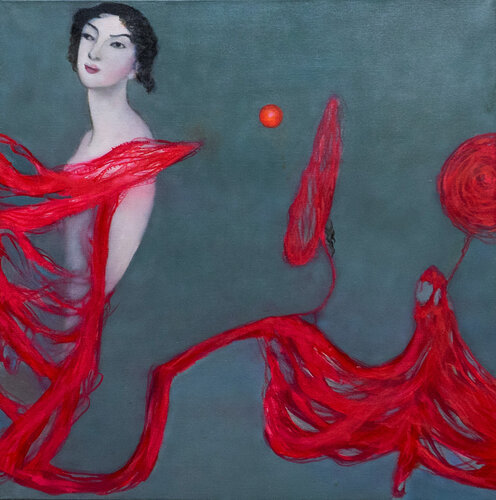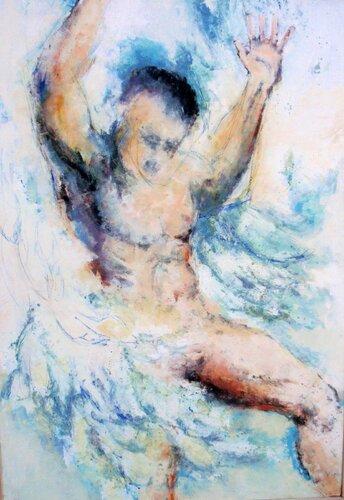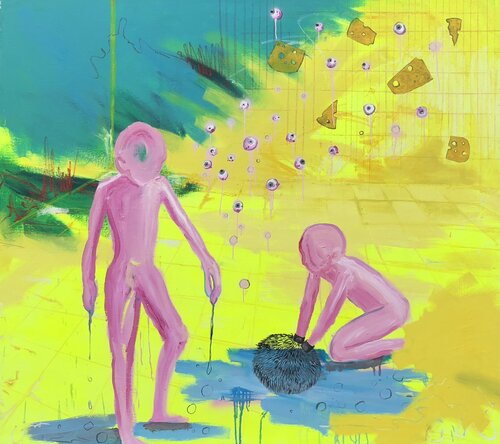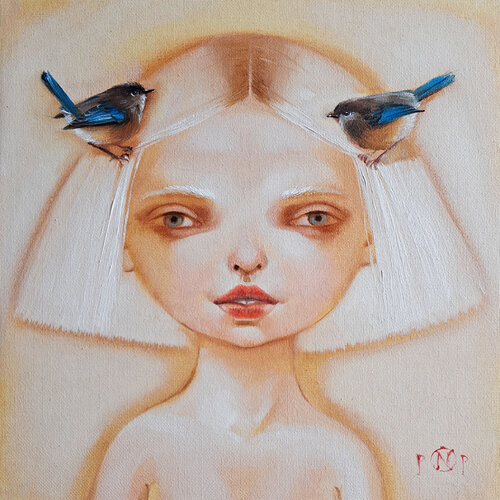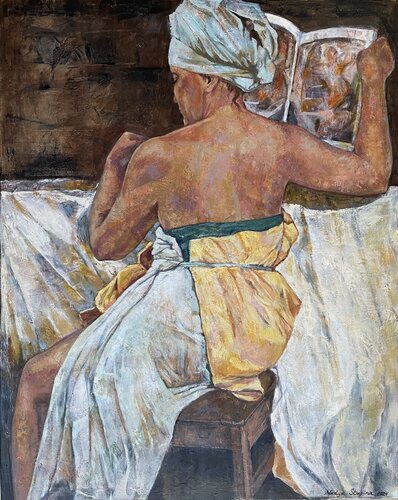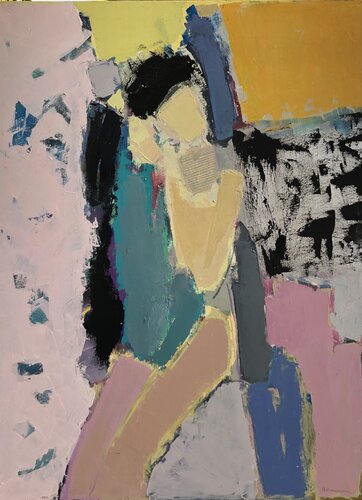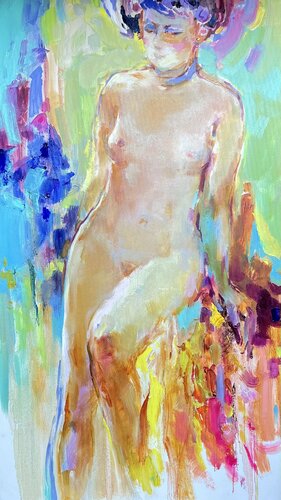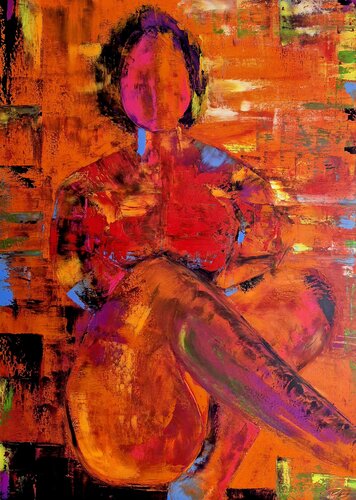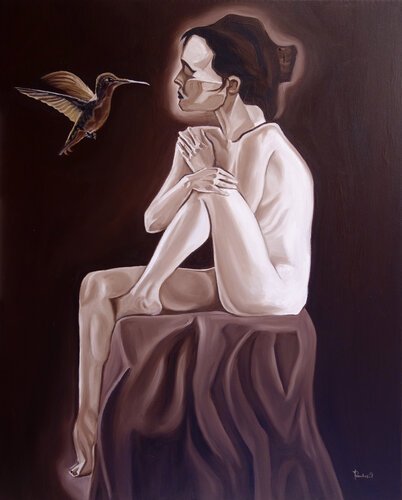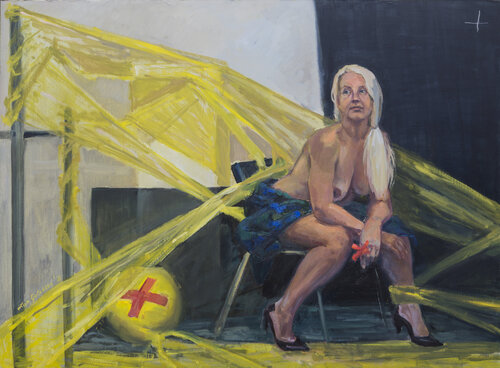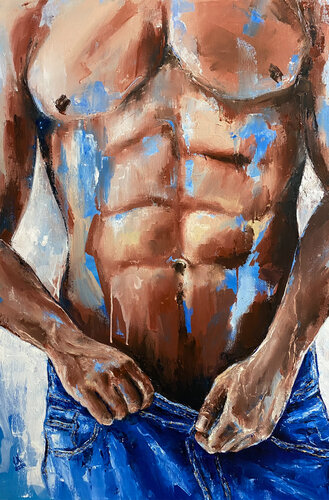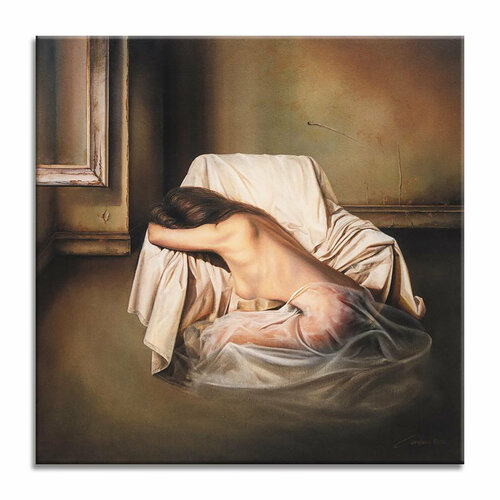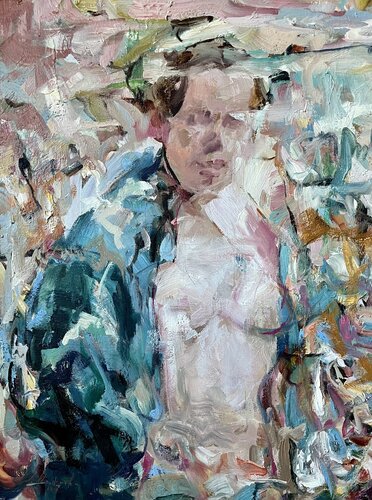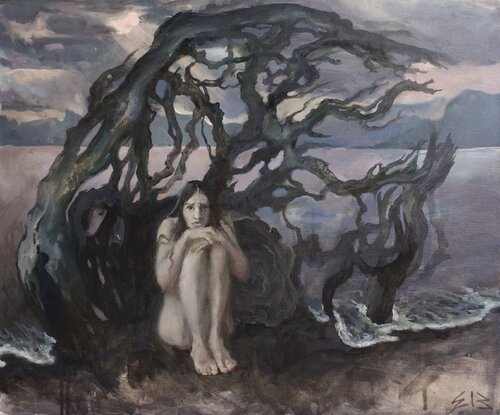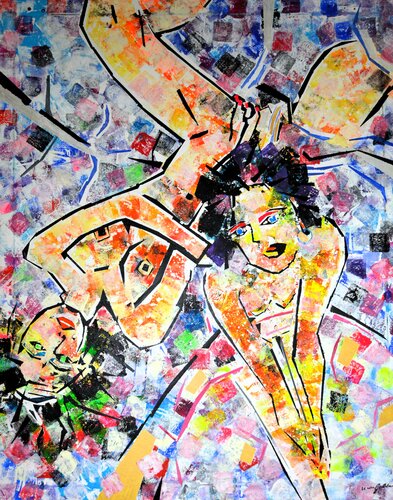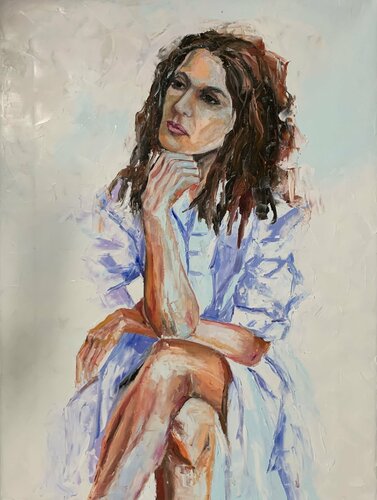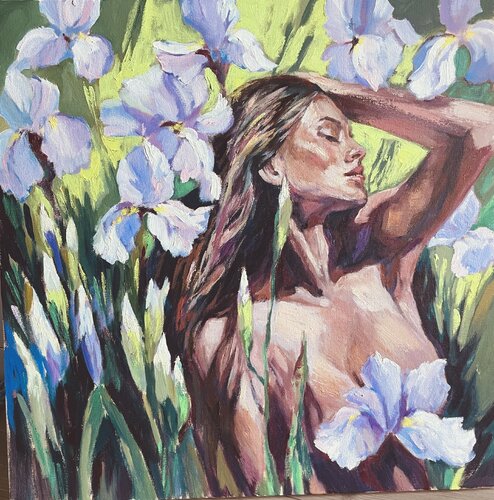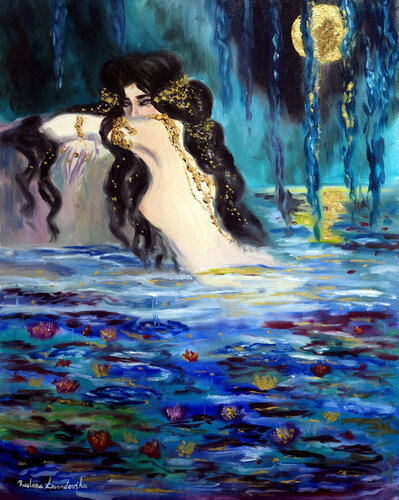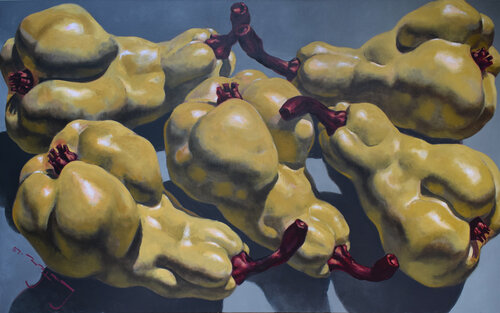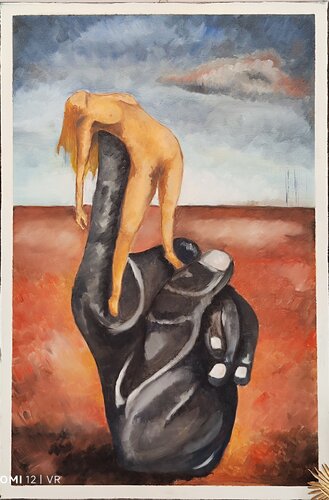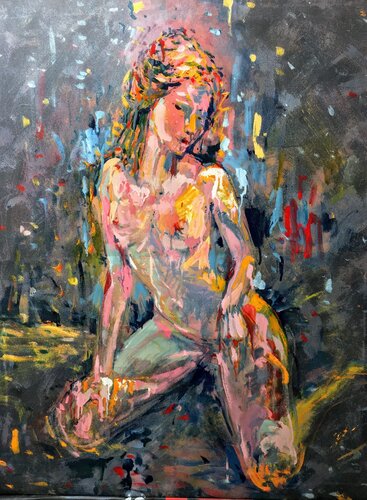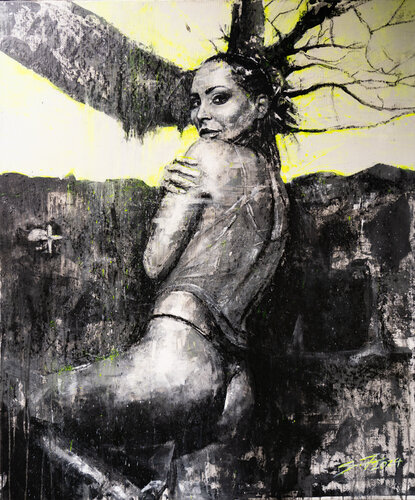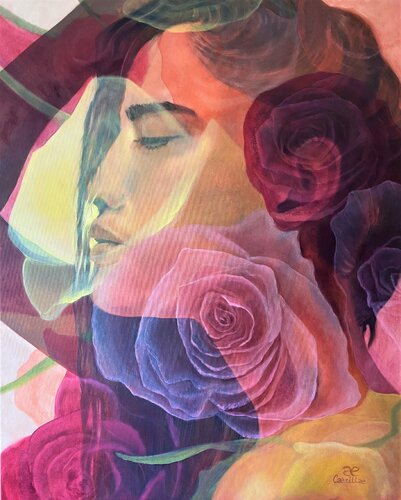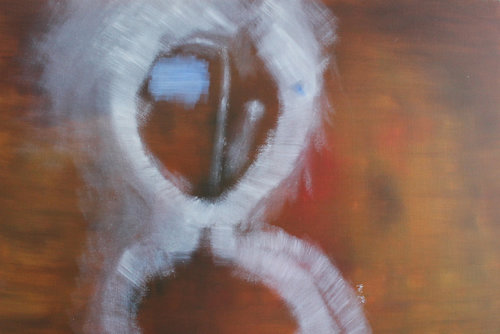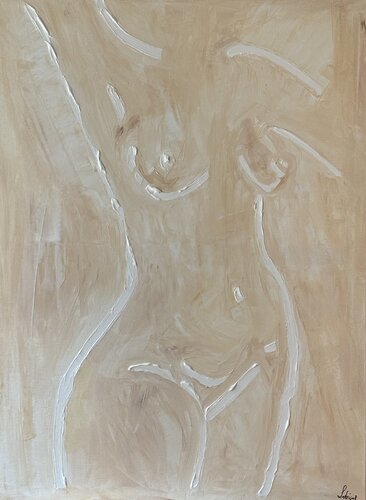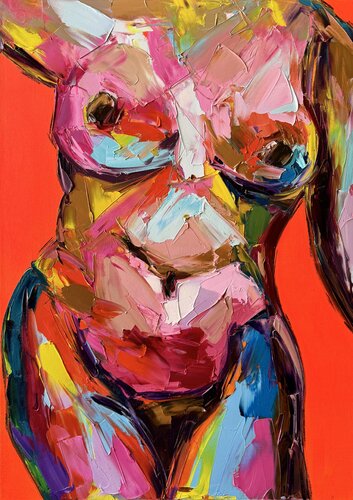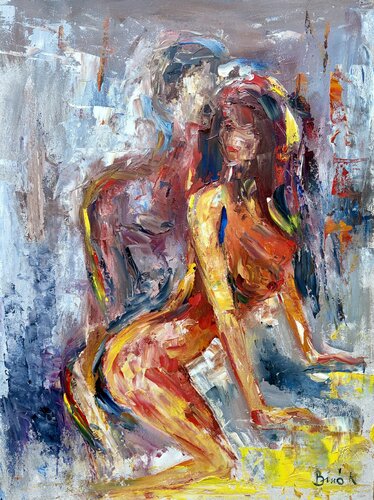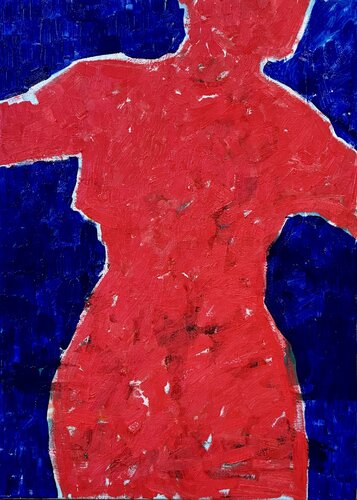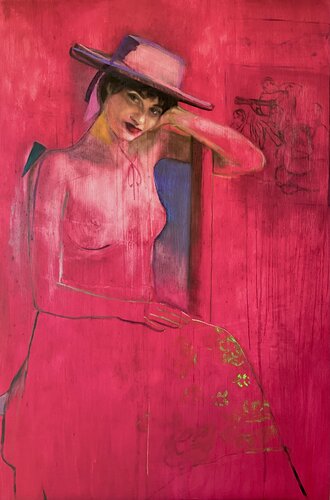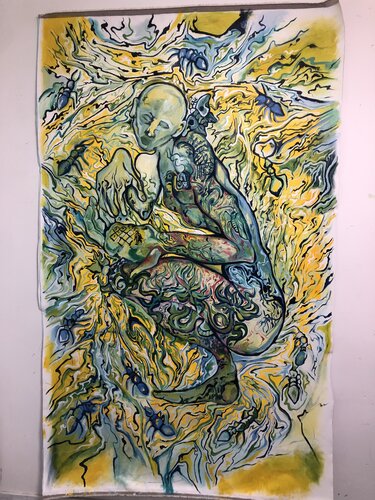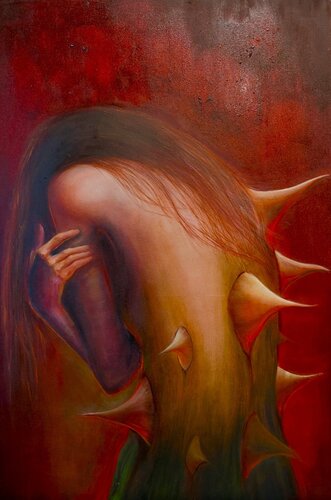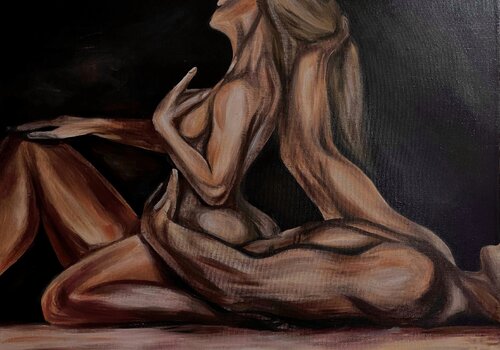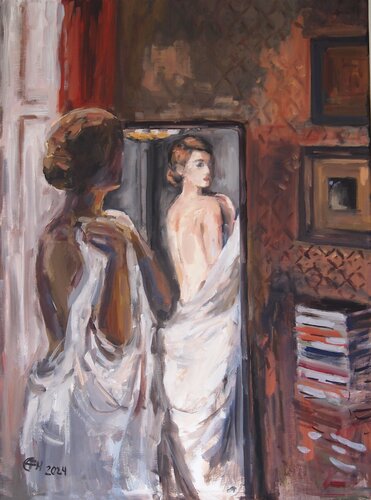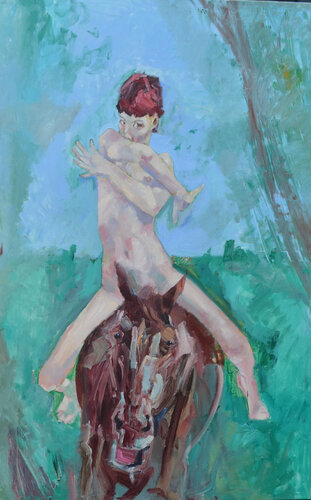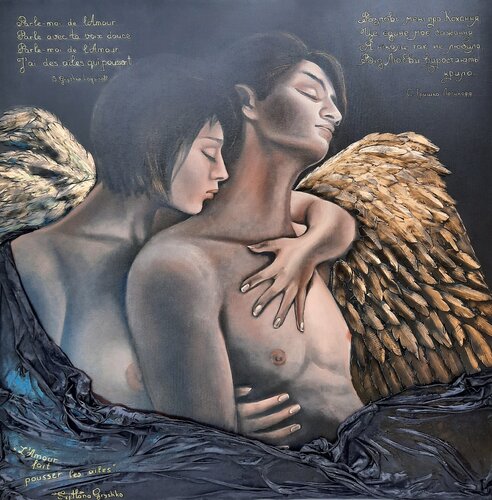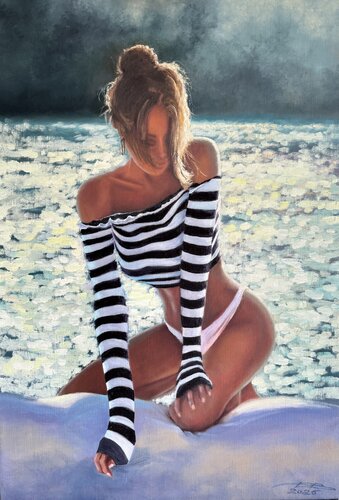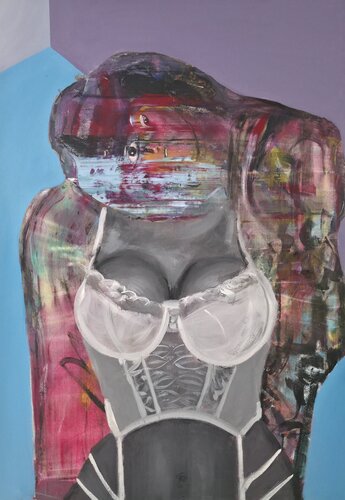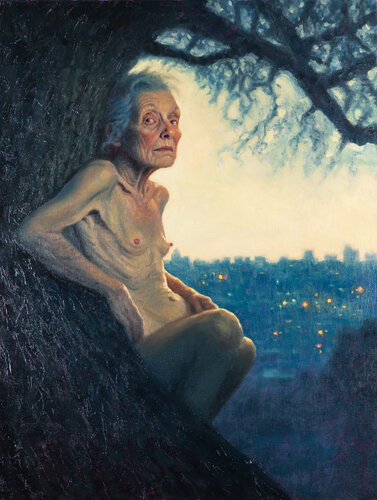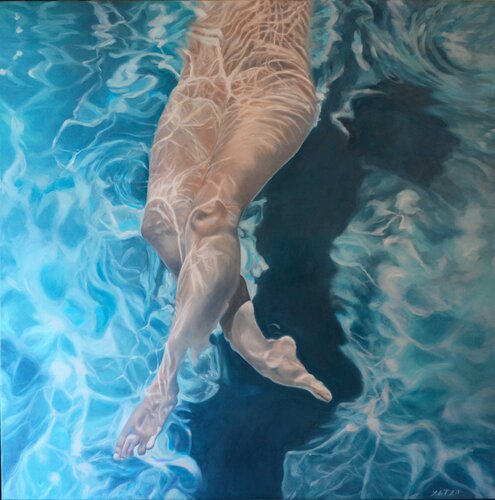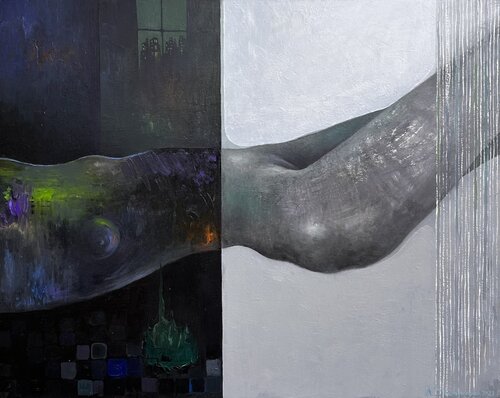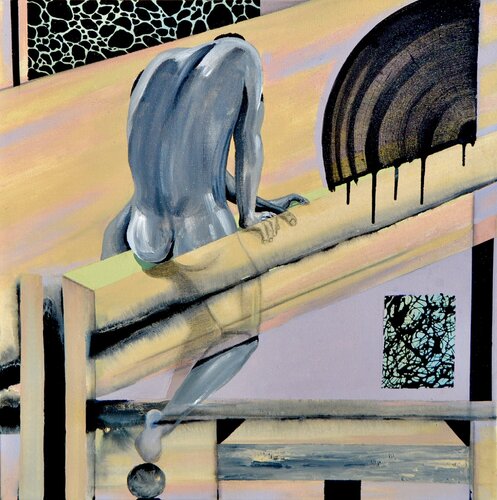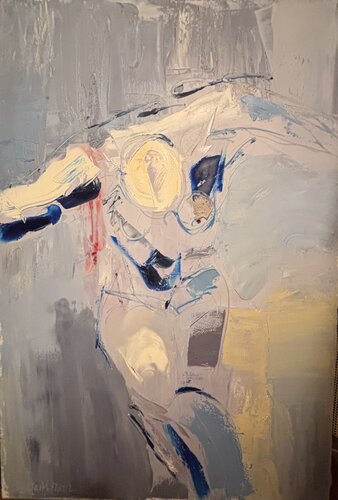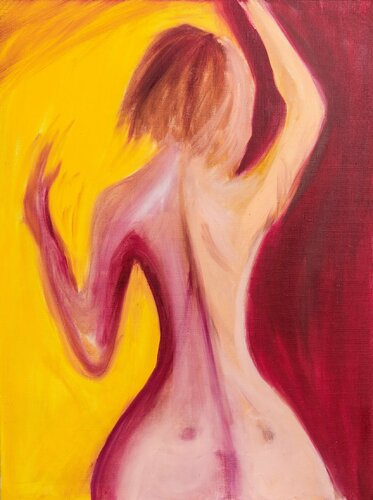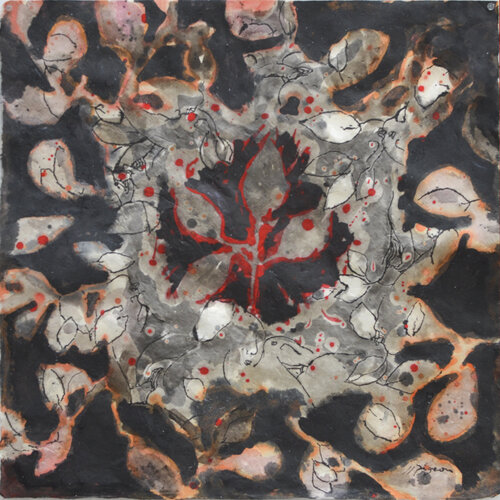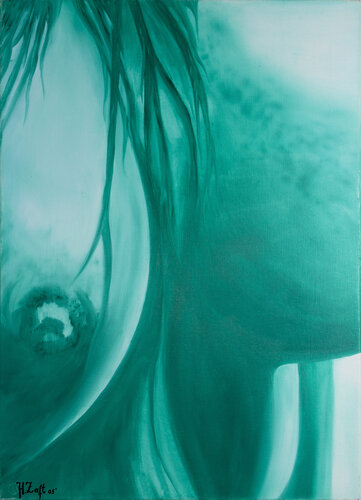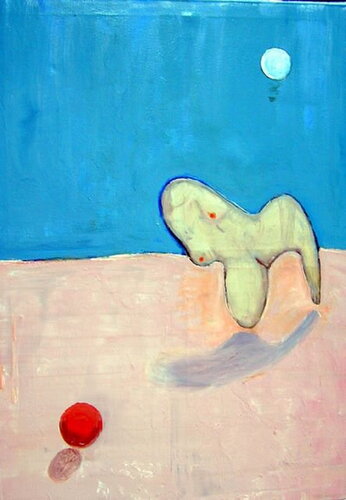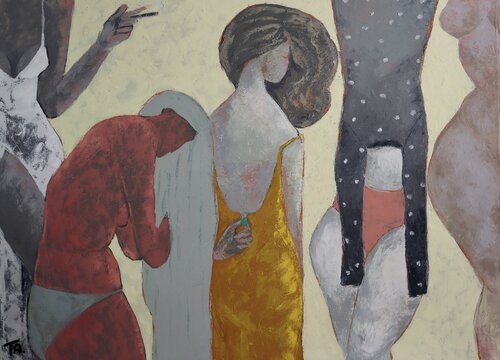
Tracing back to the early Middle Ages, oil painting has become a primary painting medium in the 15th century, especially in Northern Europe. The techique of oil painting includes mixing pigments with oil (typically linseed) as a binder to create vibrant colour and the texture for layering. The flexibility was a great advantage over the previous techique by using egg tempera method.
Jan van Eyck, a Flemish painter, was credited as a leader the refined use of oil paint. It enabled artists to achieve precise detail, depth, and realism in their artworks. The durability of oil paint and its rich, vibrant colors made it a favorite among artists of the Renaissance, such as
Leonardo da Vinci and
Titian.
Oil painting continued to evolve and influenced various art movements from Baroque to
Impressionism and more. It has remained a favoured medium and technique due to its adaptability and the depth of expression it affords artists, making it central to the development of Western art.
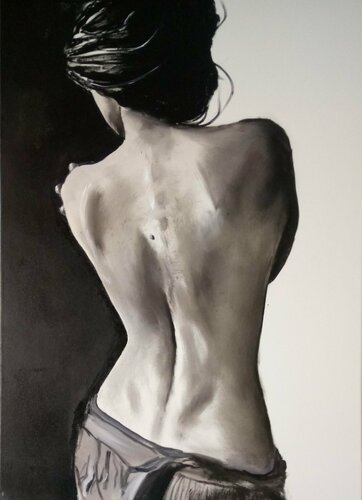
Oil painting uses pigments mixed with a medium of drying oil—often linseed, walnut, or poppy oil—as a binder. This method allows for a versatile and flexible application, offering artists the ability to build up texture through layers of paint, known as "glazing," which can create a luminous effect as light passes through these layers and reflects back.
One of the key advantages of oil paint is its extended drying time, which permits artists to work and rework areas of the canvas over prolonged periods. This feature is crucial for achieving subtle color variations and intricate details, as it allows the paint to be blended directly on the canvas.
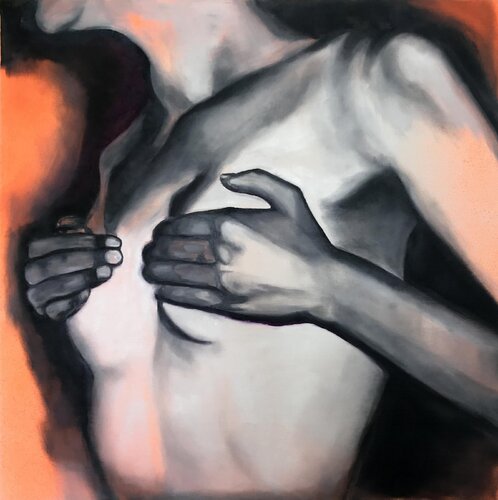
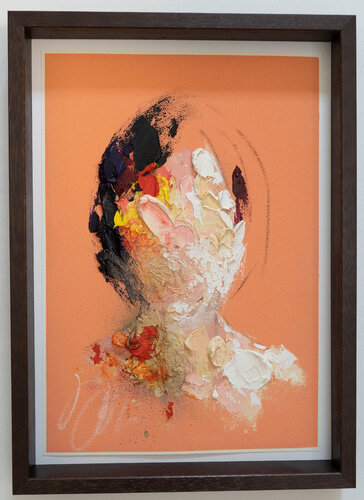
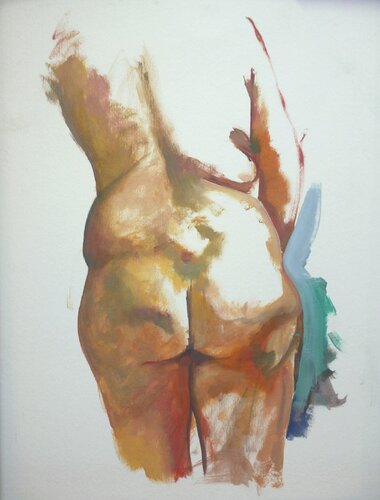
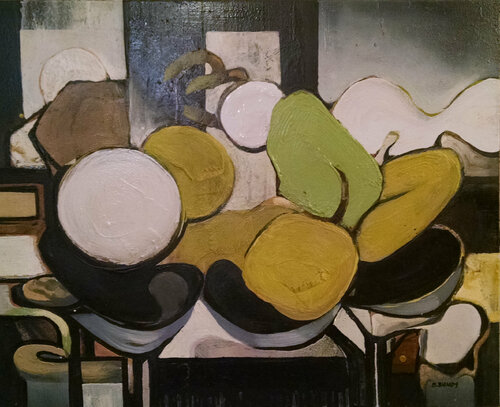
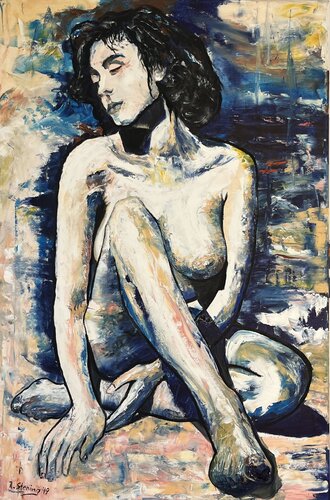
Furthermore, oil paint can be applied in various ways: thin washes for a transparent effect or thick impasto to add body and texture. Artists can manipulate the medium's properties by adjusting the amount of solvent or adding additional mediums to alter the paint's consistency, glossiness, or drying time. This adaptability makes oil painting a profoundly expressive technique that can convey a wide range of textures and visual effects.
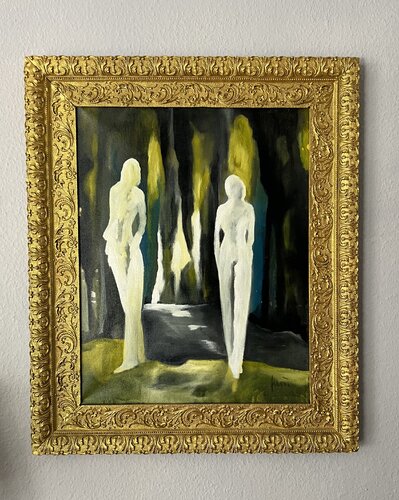
As one of the preferred mediums of most of the artists. Oil paintings allow artists to express their unique style and vision to the fore. Here are some famous ones:
Leonardo da Vinci, known as a master of the Renaissance, created a masterpiece “Mona Lisa” using meticulous techniques and layered glazes.
Rembrandt van Rijn contributed to the Baroque period and utilized his understanding of human emotion and dramatic use of light and shadow, leaving introspective portraits and historical scenes over centuries.
Moreover,
Vincent van Gogh as a post-impressionist painter used vibrant colors and dynamic textures creating emotional and energizing works like “
Starry Night”. Lastly,
Pablo Picasso, a star in modern art, experimented with oil paint in his Cubist and Surrealist phases.
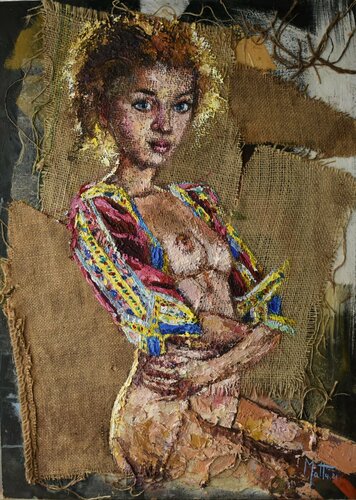
These artists have solidified oil painting’s current status as a versatile and expressive medium in the art world.