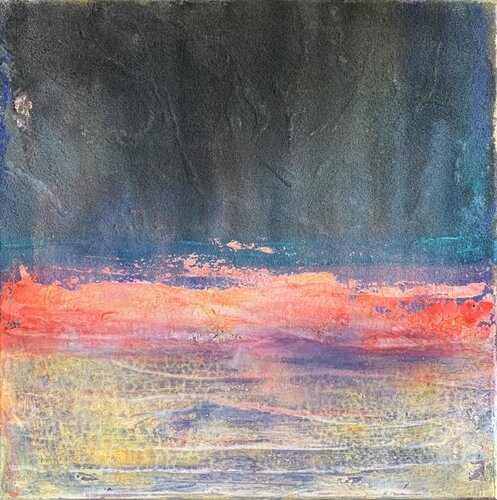
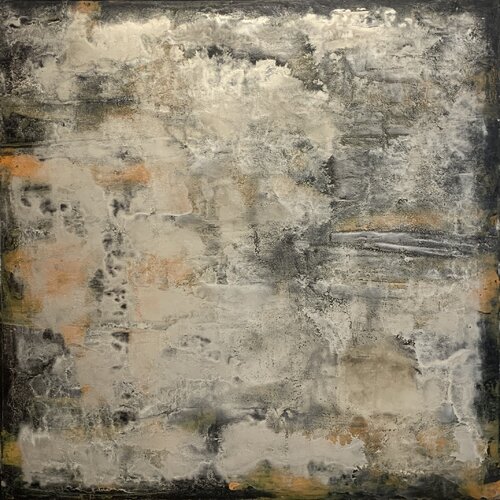
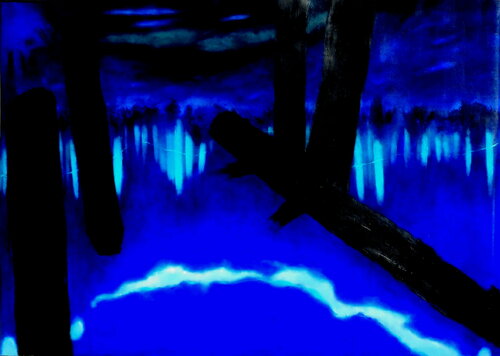
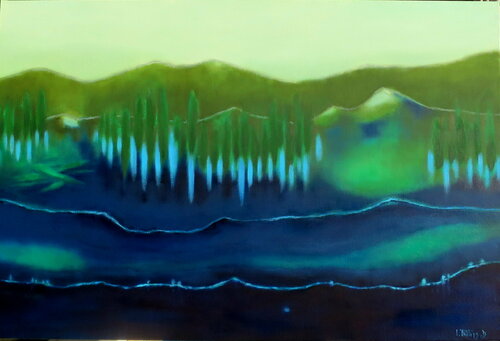
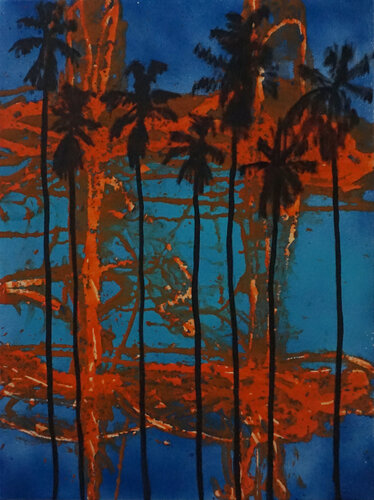
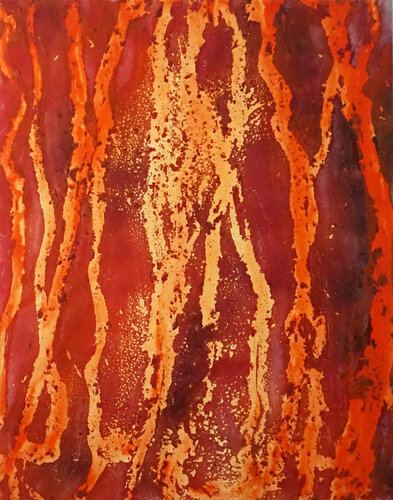
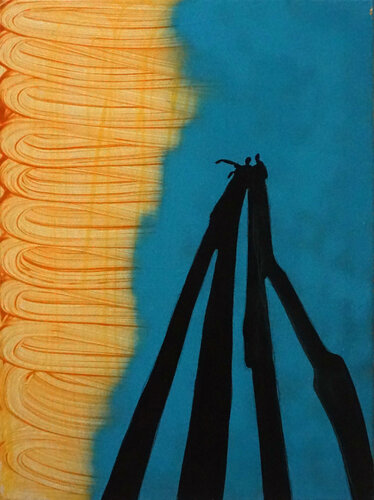
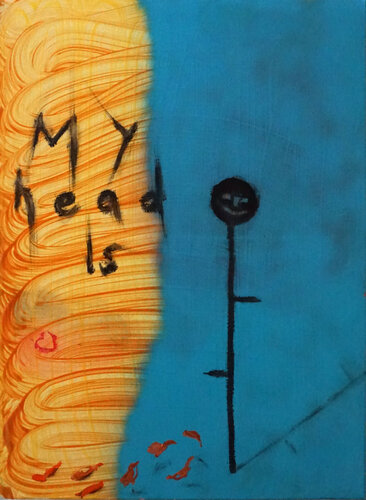
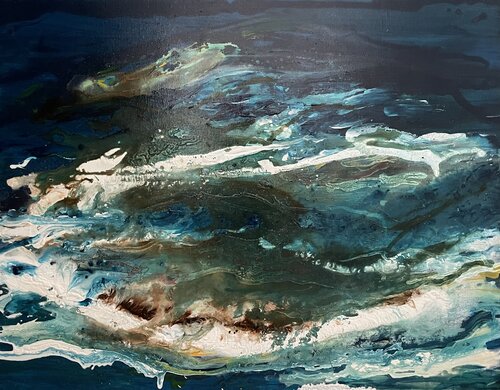
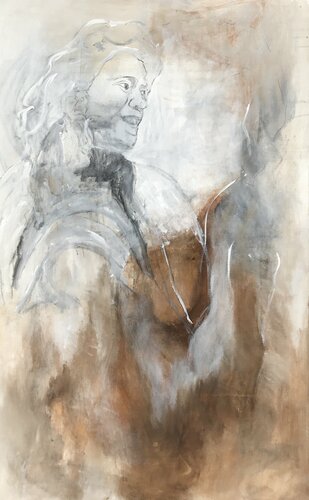
Although landscape paintings can be seen throughout the history of art, it has moved from being a religious or historical background to becoming a primary subject itself! Traditional landscape paintings can be traced back to Chinese artists of the 10th century during the Song dynasty, who elevated landscape painting to a medium of spiritual and natural expression.
On the other side of the earth, landscape painting in the Western world grew during the Renaissance in Europe. More specifically, during the 17th century in the Netherlands. Artists began to appreciate the beauty of nature itself such as Jacob van Ruisdael and Meindert Hobbema. Starting from the 19th century, artists namely
J.M.W. Turner and
Caspar David Friedrich emphasized its beauty by using dramatic scenes and lighting to create a scene of emotion and grandeur. Later on influenced Impressionism and Post-Impressionism, where artists like
Claude Monet further revolutionized landscape painting by focusing on light and color through plein-air painting, capturing transient moments in the natural world.
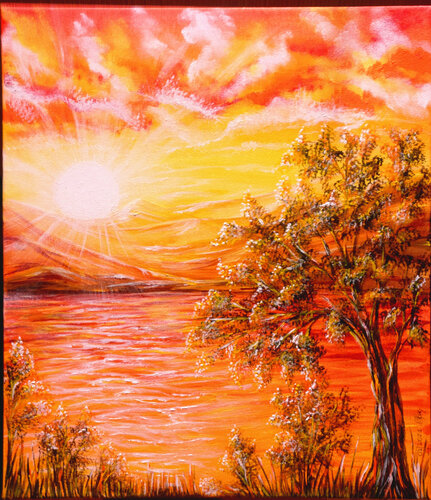
Not sure where to start when choosing a landscape painting? Here are several key aspects that might help you with your decision and make sure the artwork aligns with your taste and can enhance your space:
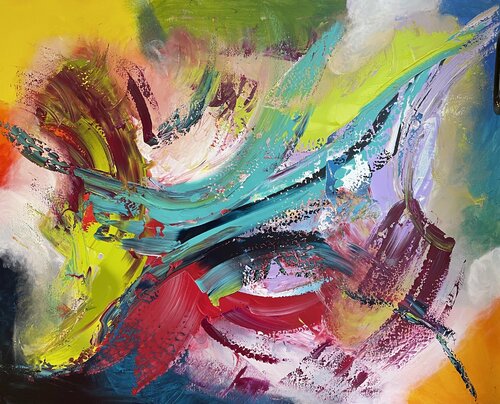
- Colors: have a look around the decoration of your space and what theme they are. The colors can either create a calming atmosphere or make a bold statement depending on what you are looking for.
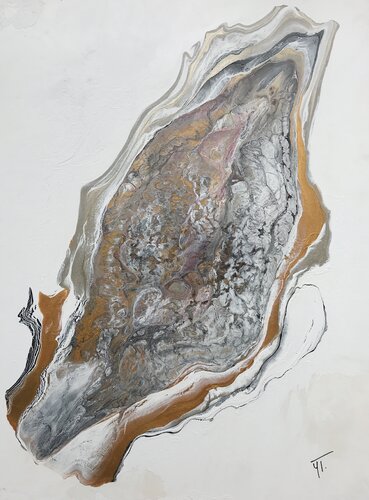
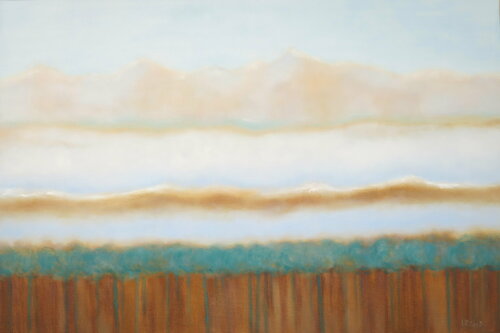
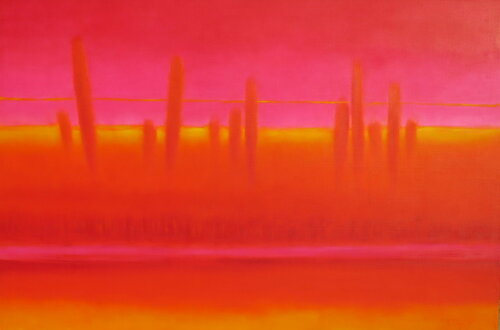
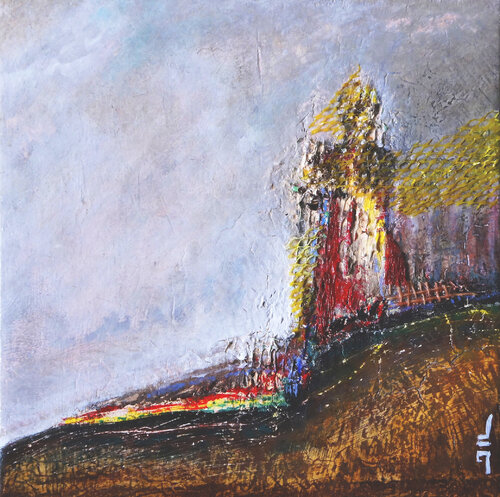
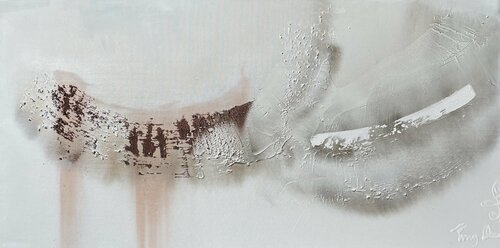
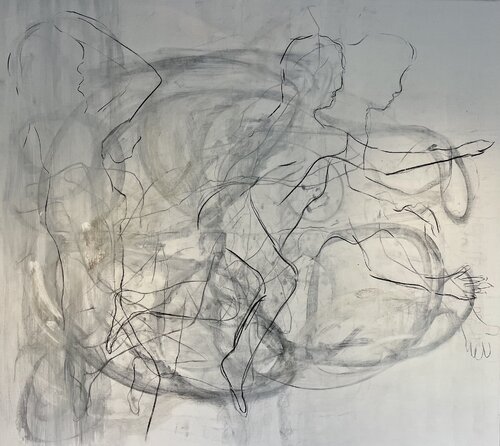
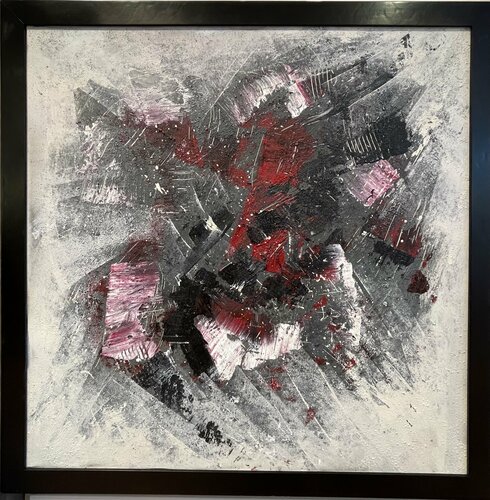
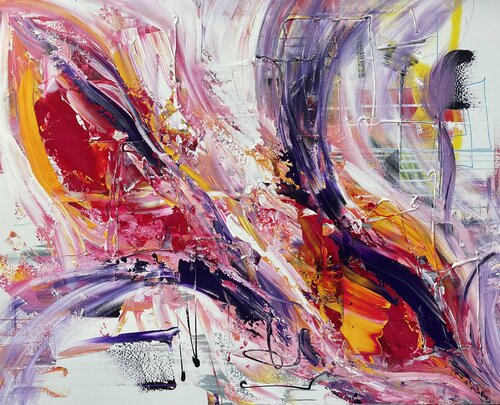
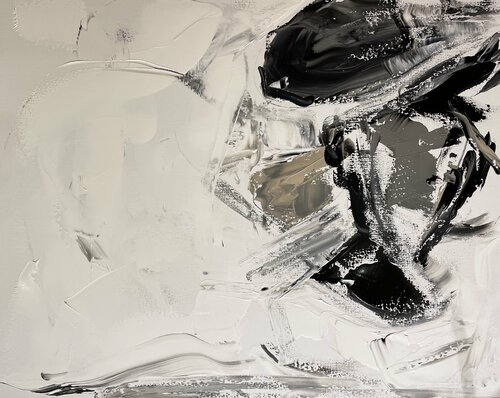
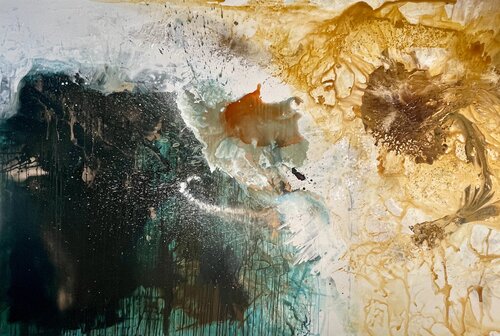
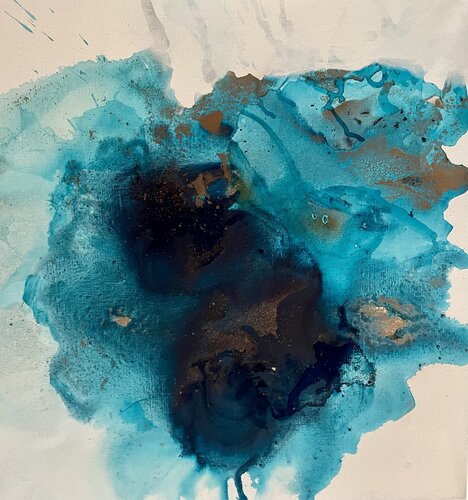
- Style and Mood: Landscape paintings can be impressionistic, realistic, or abstract. The mood of the painting should flow with your aesthetic preferences to influence the ambiance of the room.

- Composition and Perspective: A well-constructed perspective can transform the perception of a space. It can draw the eye and add depth or interest to your space, or provide more opening and inviting feeling to people.
- Size and Scaling: Make sure the size of the artwork fits the wall/space! The artwork must have a proper relation with the furniture and room size to create aesthetic harmony.
- Emotional Connection: Love at first sight happens on choosing art! Choose a landscape that has a personal connection or a place where you have a memory to enhance your appreciation of the art.
We hope these tips can help you find your ideal landscape painting and create a meaningful and cohesive experience! Our free advisory service is also available 24/7 to help you find the perfect match!
Many artists have contributed to the enhancement of landscape art and the representation of nature in art.
J.M.W. Turner is one of the most famous landscape painters, who earned his recognition due to his expressive colorizations and an atmospheric depiction of light, which looked like merging forms in the rays as in the painting “The Fighting Temeraire.”
Claude Monet is one of the pioneers of French impressionism who changed the approach to the landscape painting by depicting the influence of light in the surrounding world. His “Water Lilies” are a poignant study of reflection and the interplay of light on his garden in Giverny.
English romantic painter
John Constable painted the English countryside with passion and detail and one of his finest works “The Hay Wain” shows rural life in a very realistic manner.
It is important to note that
Albert Bierstadt painted some of the most magnificent scenes of the American frontier. His works such as Among the Sierra Nevada, California provided dramatic views and dressed the large areas with light.
These artists painted not only the exterior but also introduced a deeper level of meaning to their paintings, making people see the world through artists’ eyes.