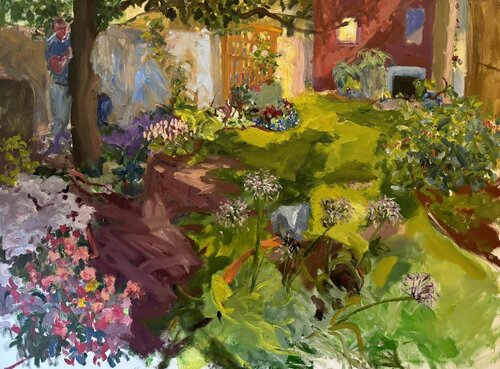
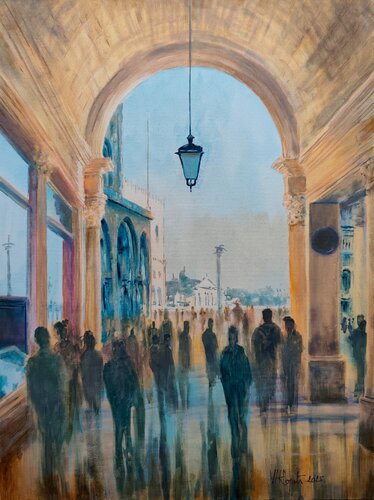
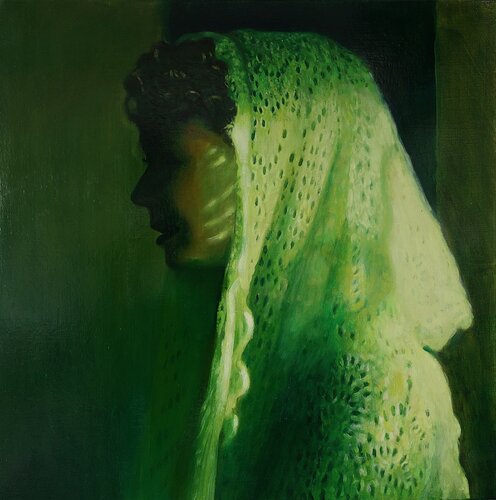
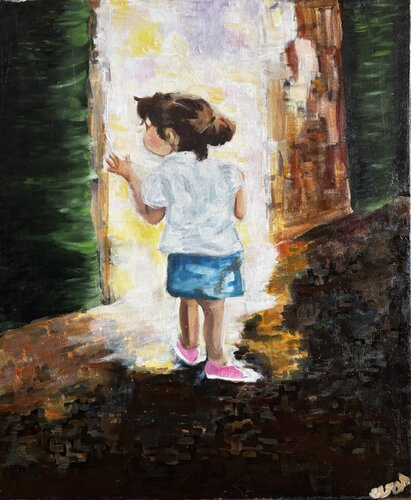
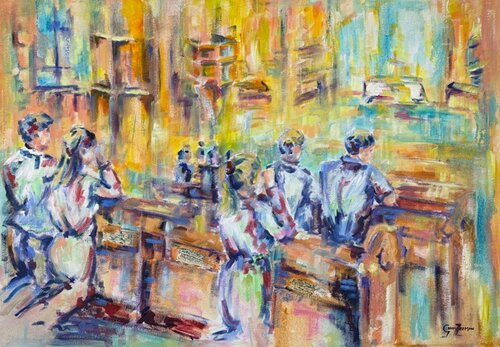
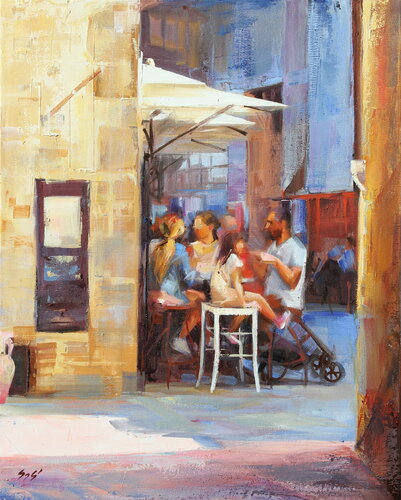
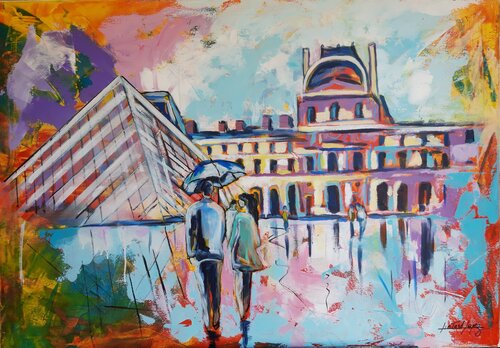
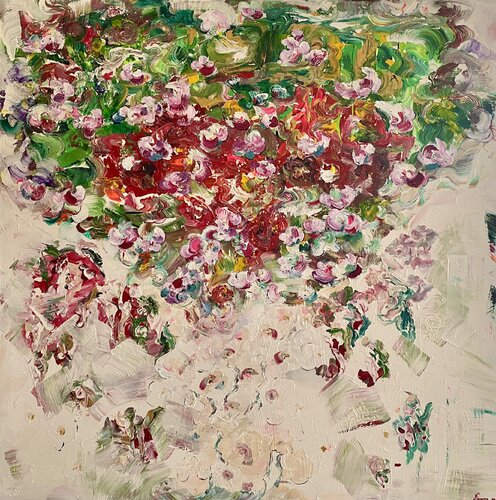
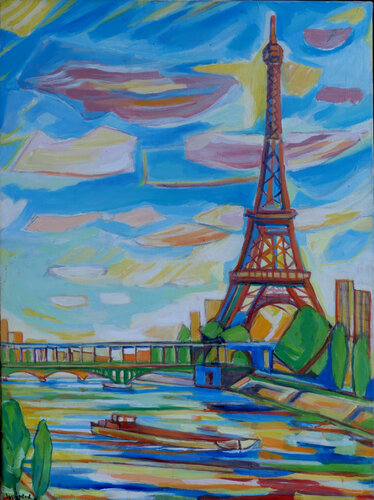
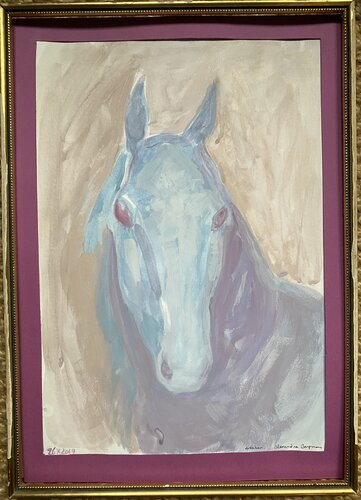
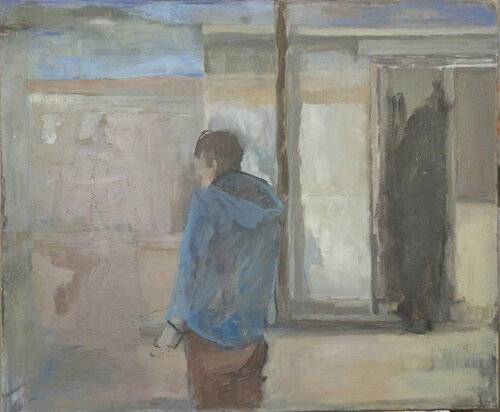
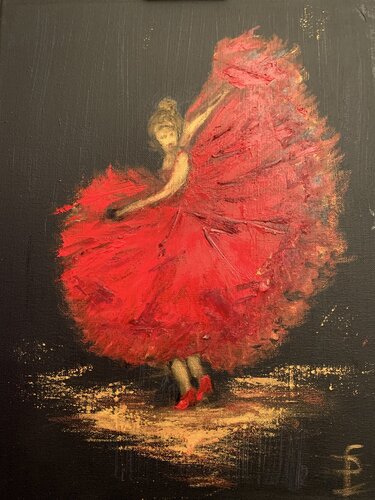
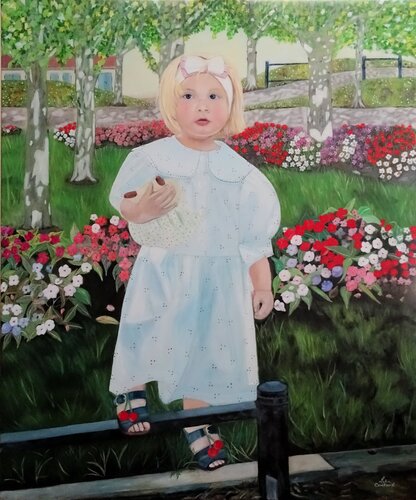
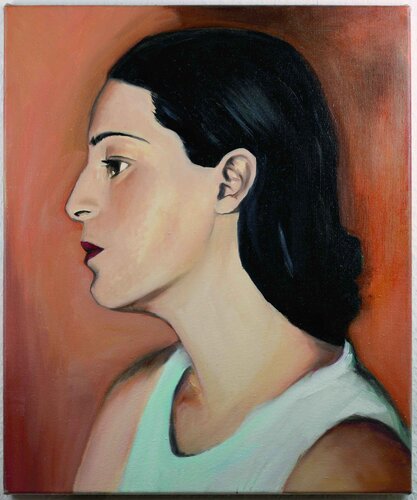
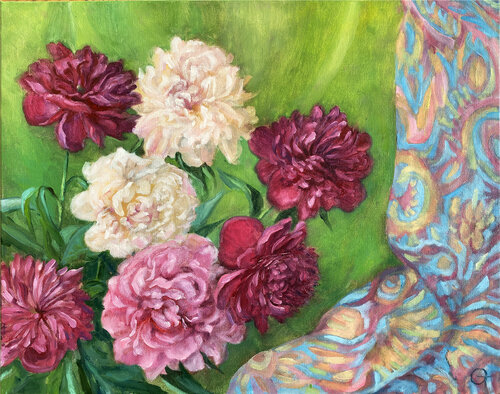
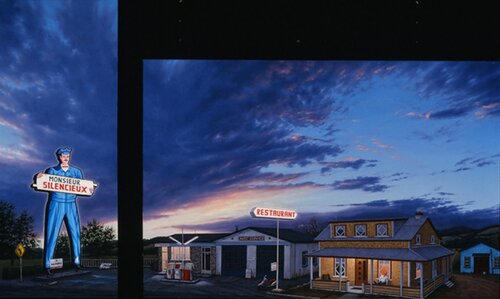
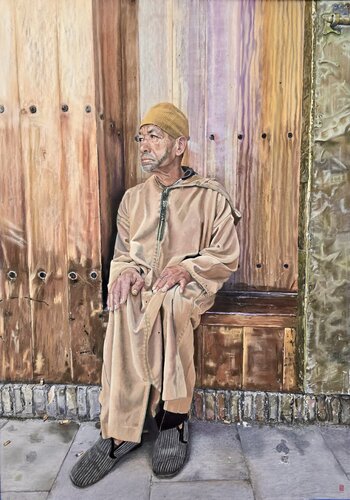
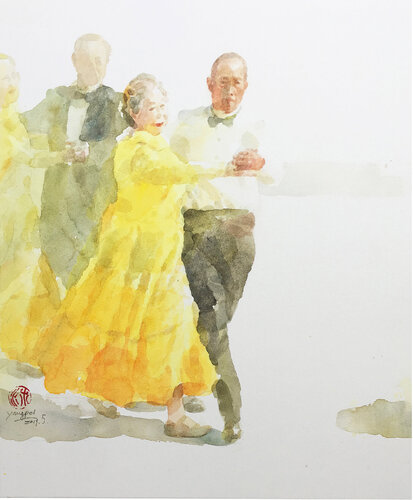
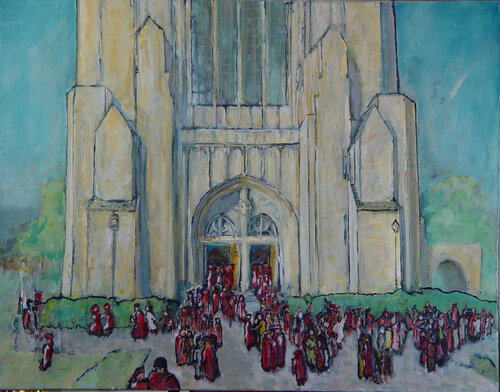
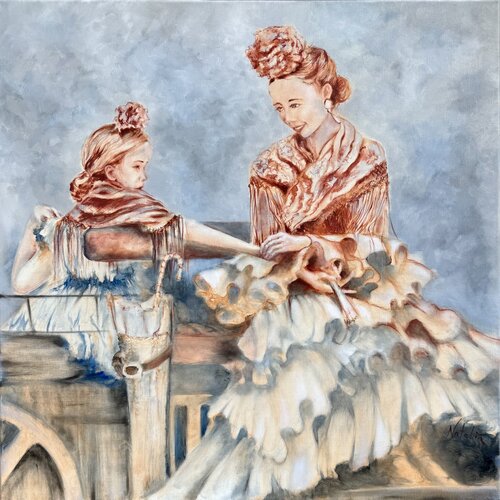
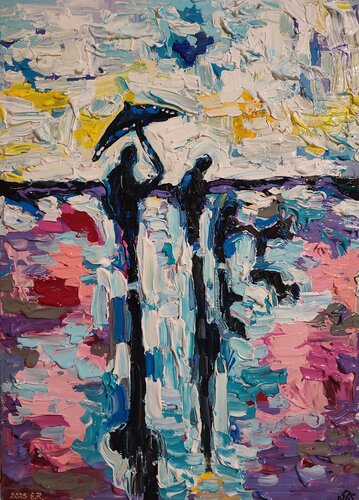
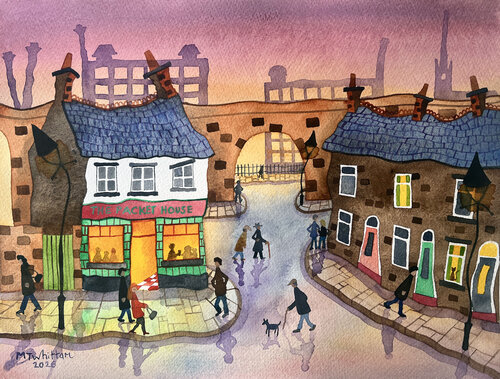
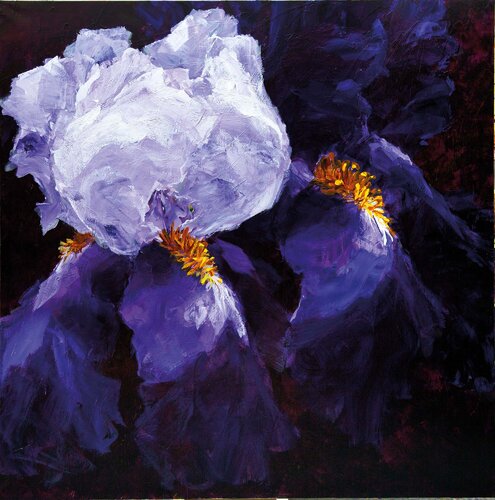
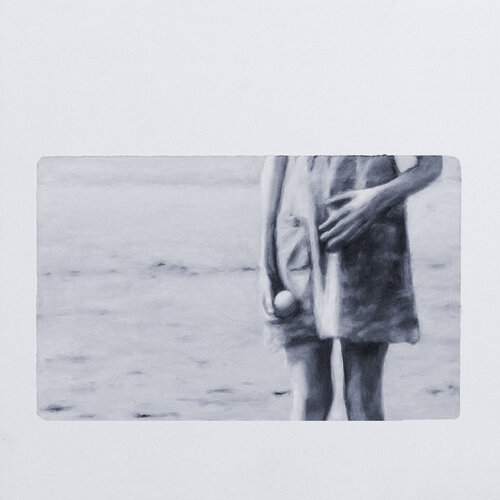
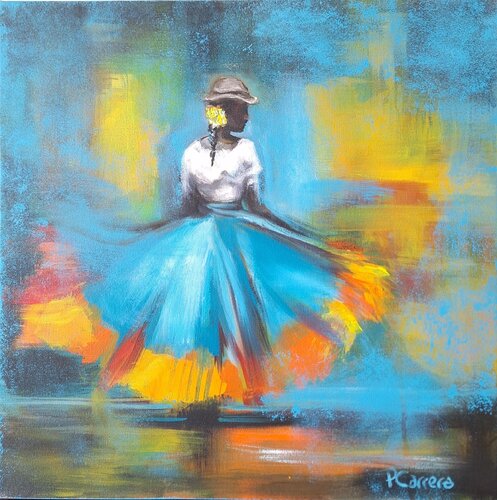
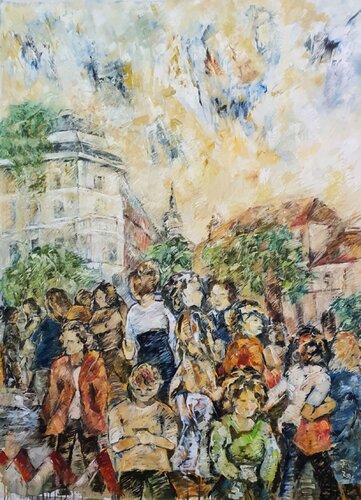
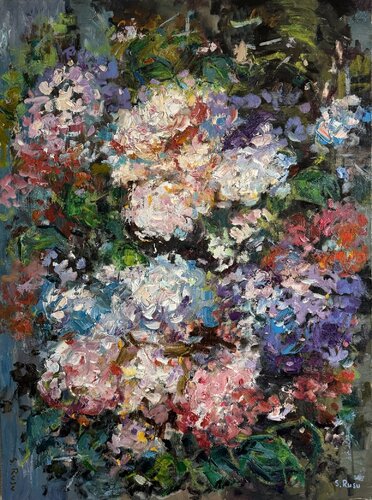
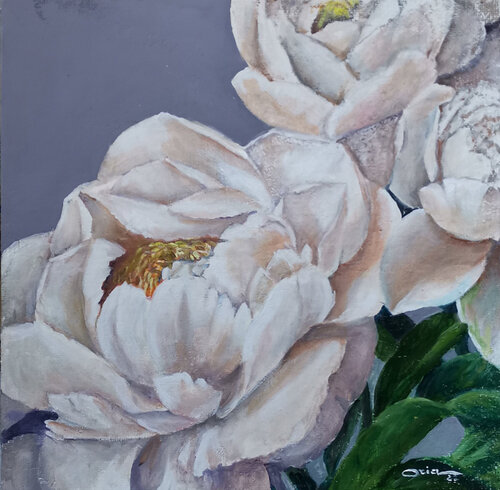
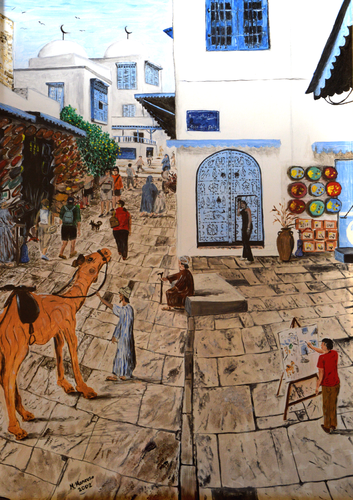
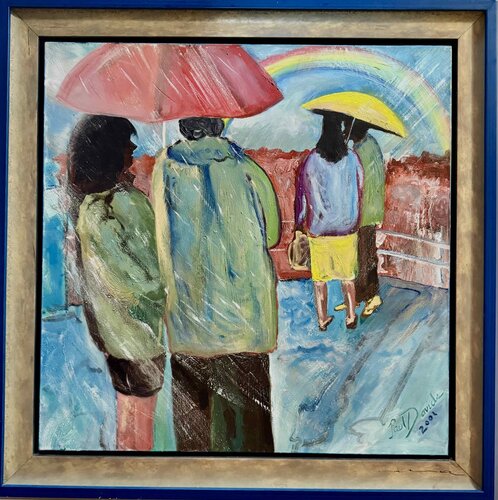
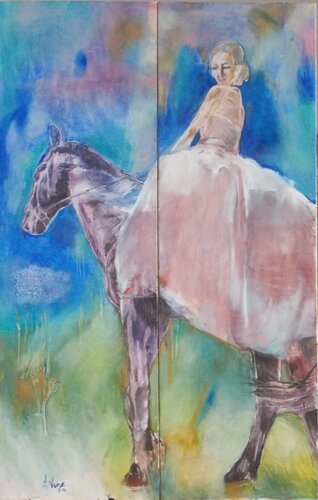
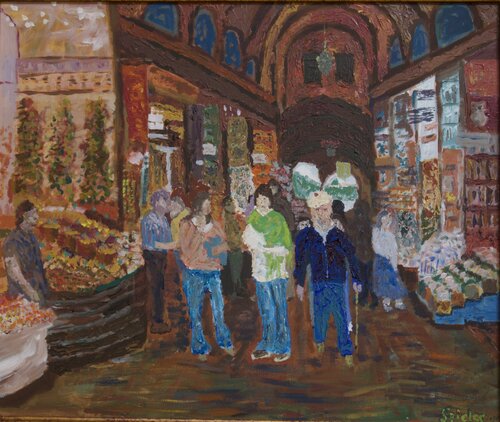
Impressionism is a school of painting that emerged in France in the latter 19th century which abandoned the conventional style of painting. It was especially aimed at portraying transient scenes and the impact of light owing to rapid and small brushstrokes. The purpose of the Impressionists was to capture the essence of the scene, they painted the outdoors to capture the ever-changing light conditions.
This style is characterized by bright colors and an emphasis on the light and was sometimes painted at different times of the day. Prominent members of the movement include
Claude Monet, who painted “Impression, Sunrise” after which the movement was named,
Edgar Degas,
Pierre-Auguste Renoir, and Camille Pissarro. These artists abandoned the smooth appearance and careful execution to which most had become accustomed to conveying their vision of the scene more directly.
Impressionism and post-impressionism are two parties of art that originated in France but have distinct approaches to painting. Impressionism, began in the 1870s, devoted to depicting moments of reality and changes in light and colour in a landscape. Impressionist painters like Monet and Renoir painted the scene with light colors and small brushstrokes and painted outdoors.
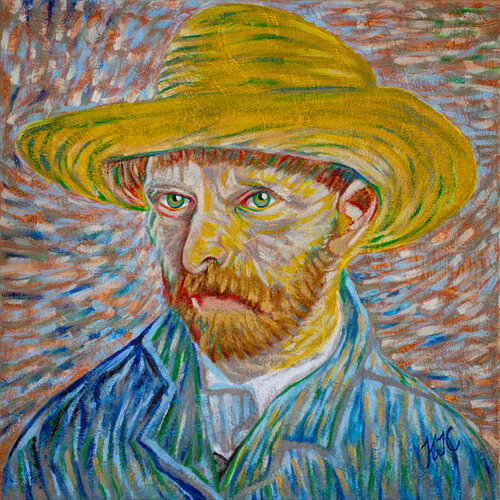
The Post-Impressionists sprang into the art scene in the later 1880s as a revolt against the Impressionists who portrayed immediate sensory impressions devoid of form and structure. Painters like Vincent van Gogh,
Paul Cézanne, and
Georges Seurat no longer felt compelled to reproduce naturalistic light and color. They were more concerned with their own impression, emotion, and geometry. This movement led to more complex styles of art that concerned themselves with symbolism and meaning at the psychoanalytic level.
Impressionism, as with any genre of art, has several significant pieces of art that are regarded as masterpieces nowadays. The work that served as the namesake of the movement is
Claude Monet’s "Impression, Sunrise" (1872) presenting a harbor at dawn with low light and indistinct edges, along with loosely defined and unfirm strokes characteristic of the Impressionists.
Moreover, “The Ballet Class” by
Edgar Degas is dedicated to the master’s passion for movement and the body and is highlighted by depicting ballet performers rehearsing.
Another example is a masterpiece called “Luncheon of the Boating Party” painted by
Pierre-Auguste Renoir in the late 19th century. There is indicated a circle of friends having meals and drinks on the balcony, which is located above the Seine the picture is painted using only light and pastel shades that convey the feeling of the modern Parisian life.
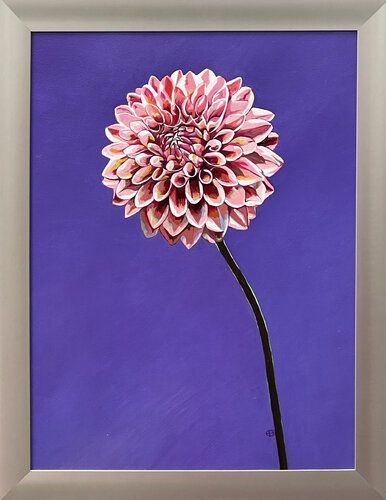
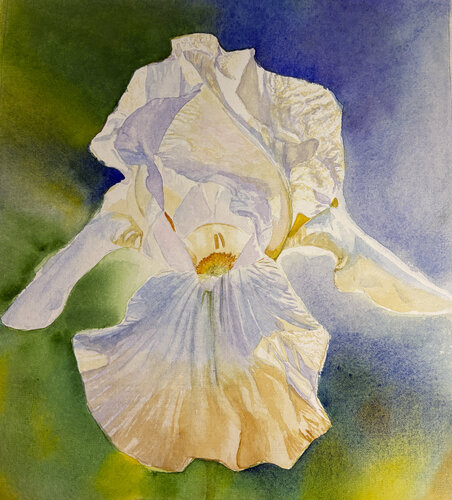
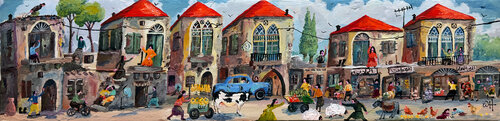
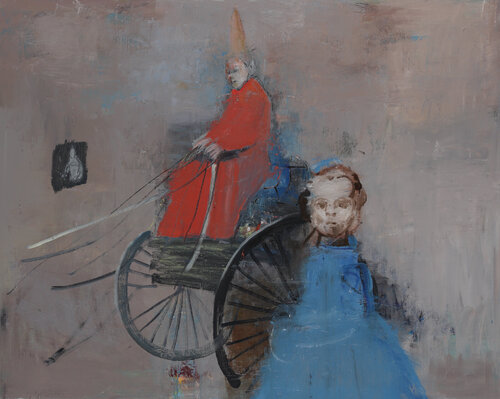
These works all show how important the idea of modernization was to the Impressionist artists, and how this was represented in their brushwork that ambitiously aimed to capture the concept of movement and the fleeting effect of light. You can see even more impressionism paintings that you can either purchase from the mentioned famous artists or purchase from some contemporary artists on Singulart!