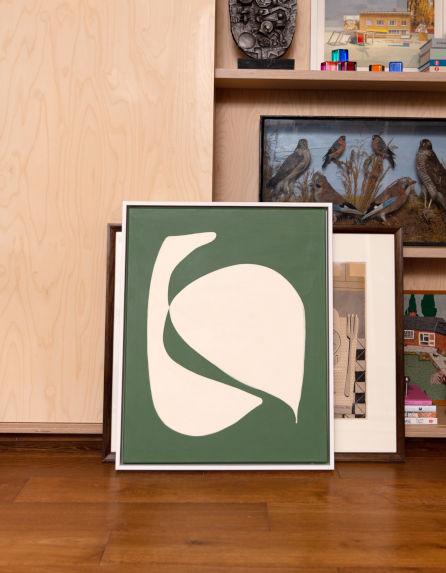
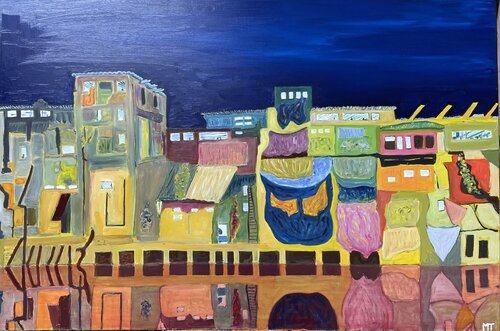
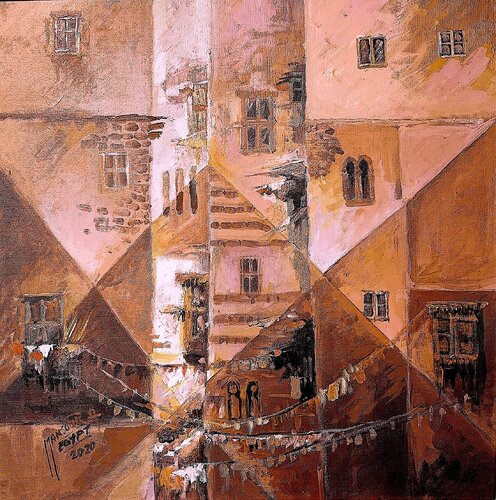
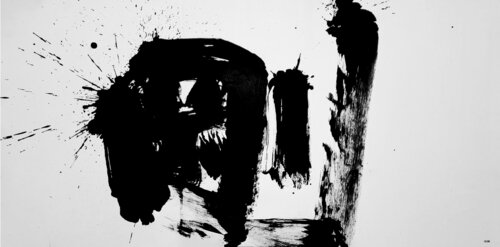
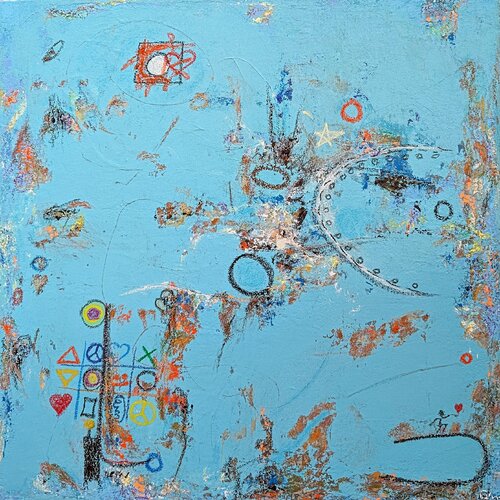
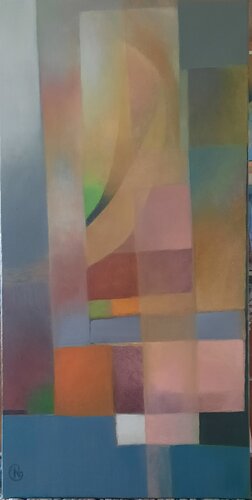
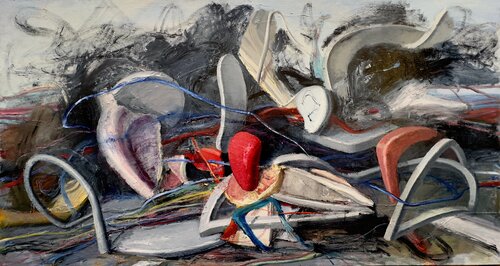
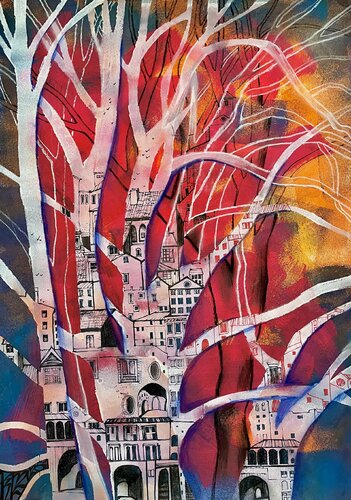
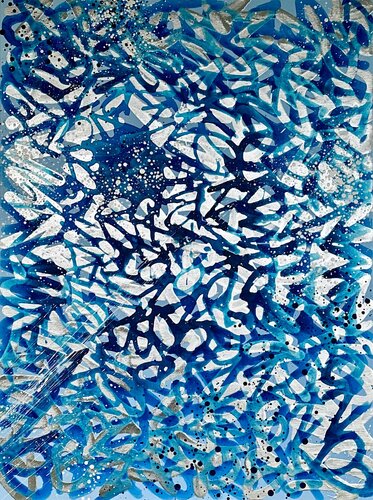
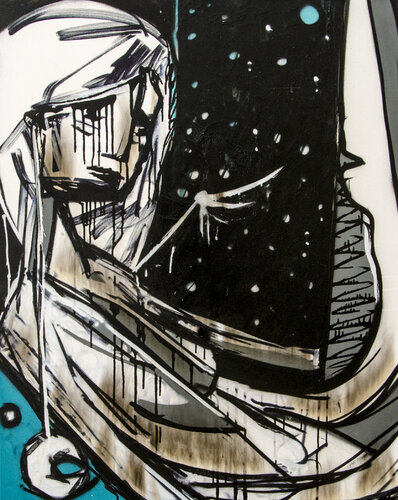
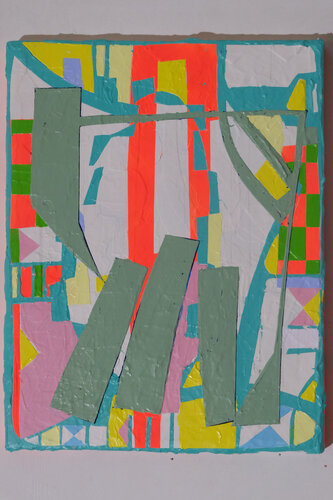
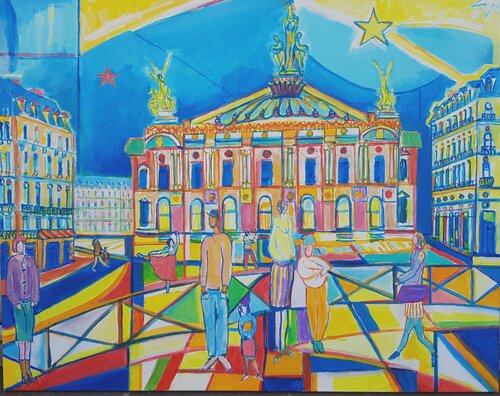
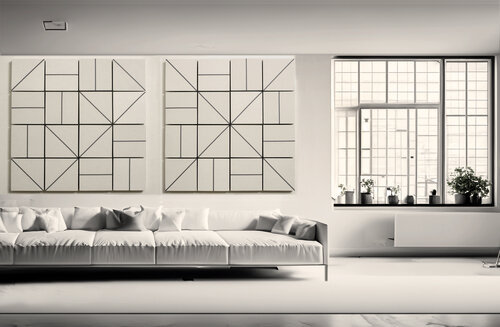
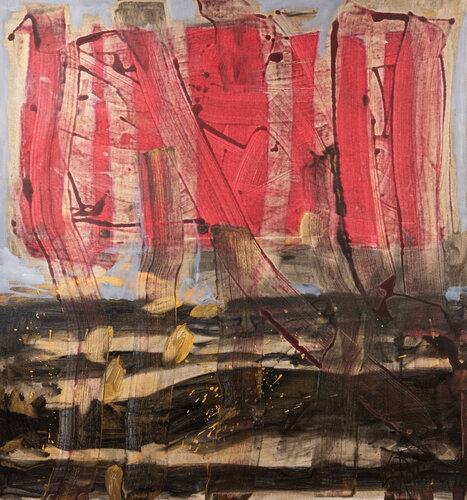
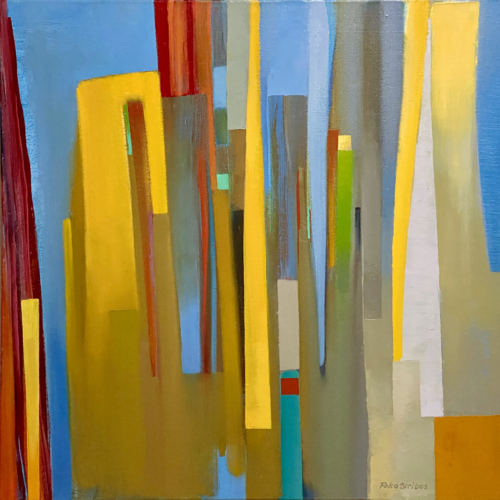
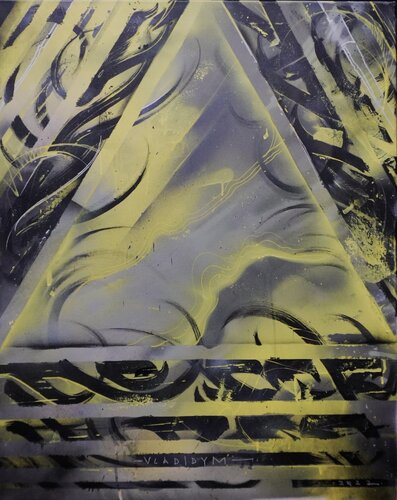
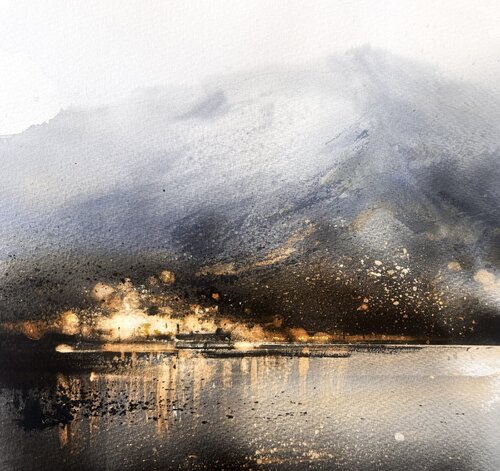
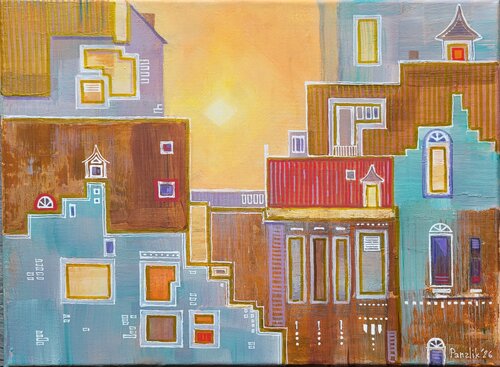
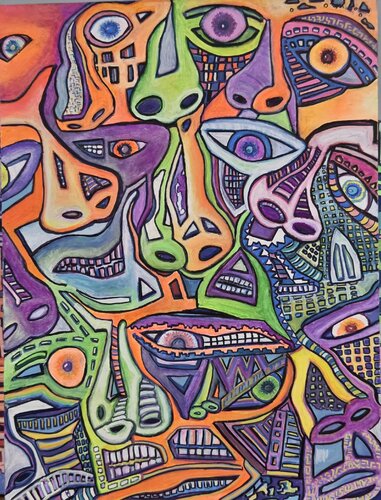
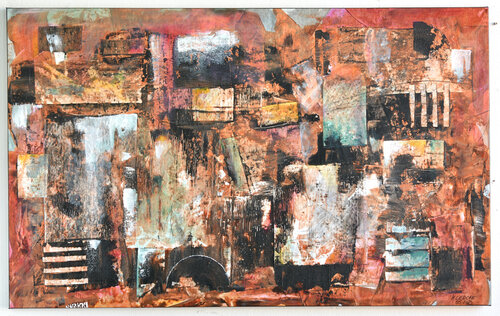
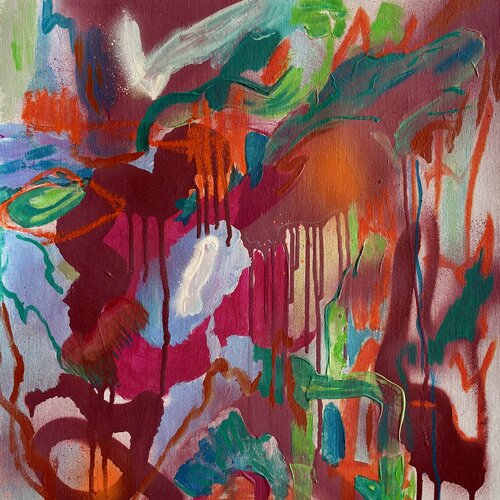
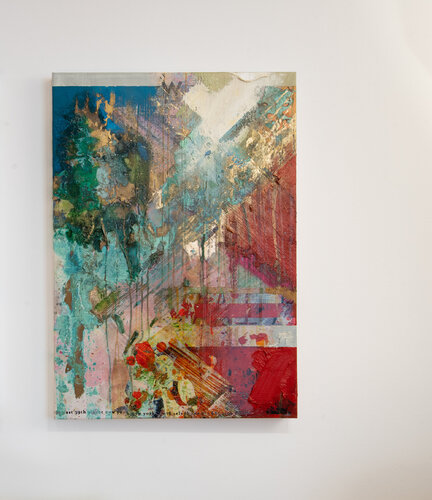
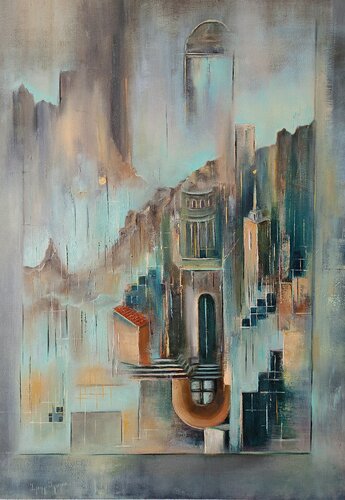
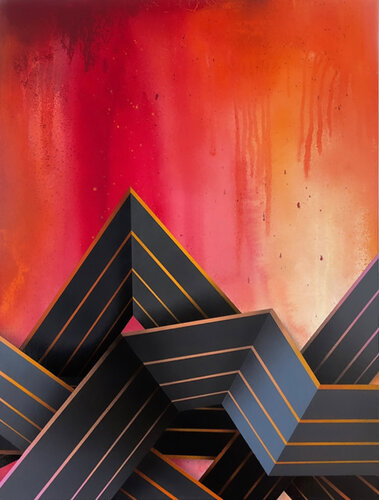
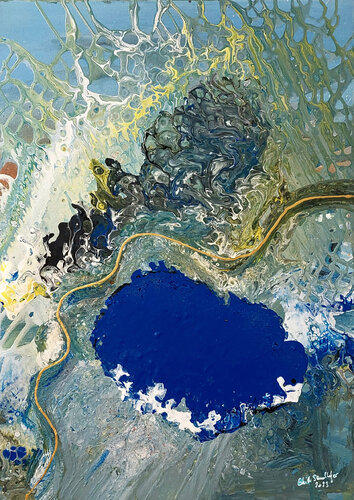
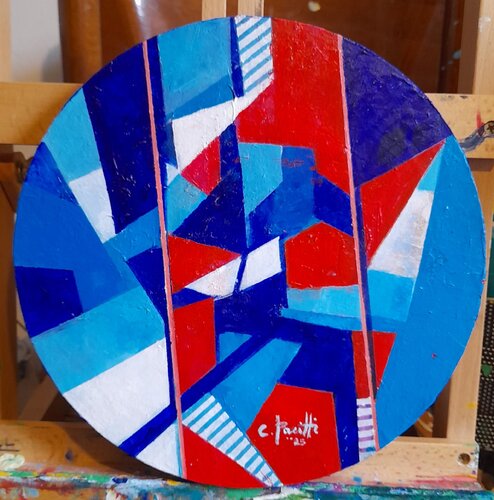
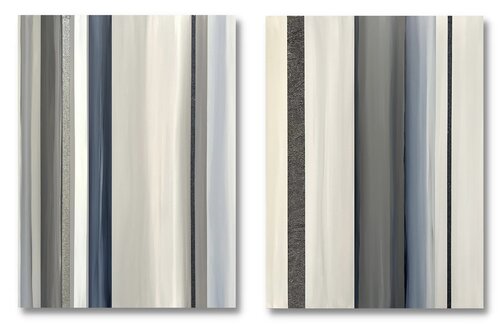
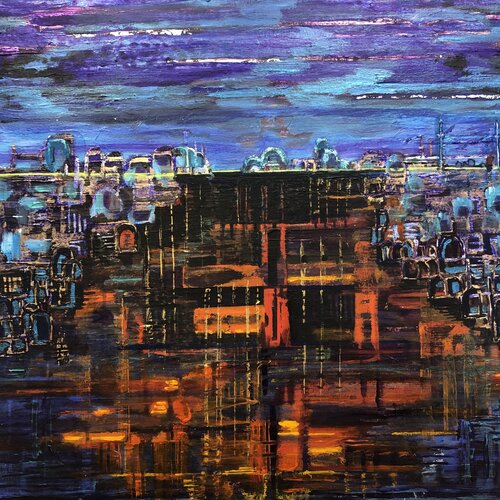
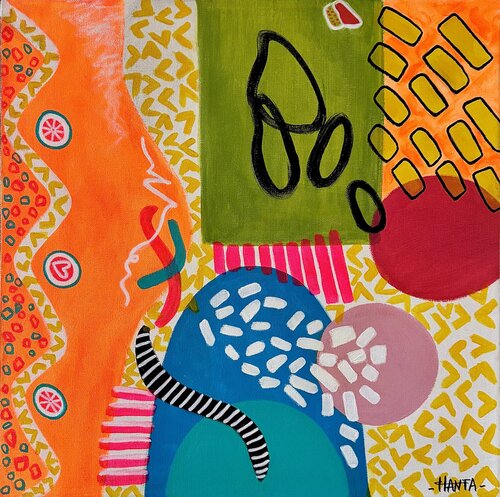
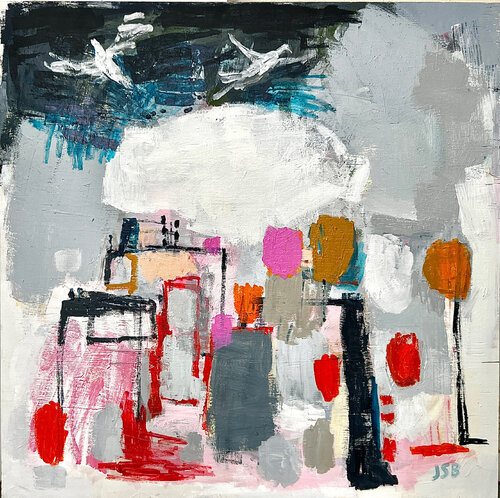
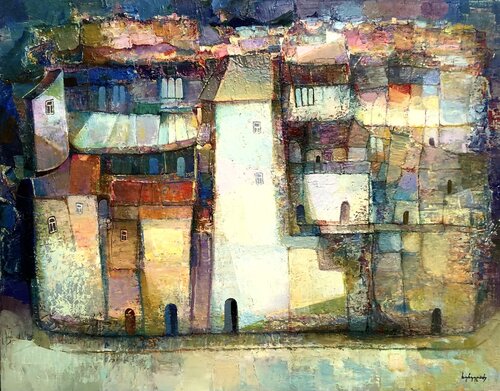
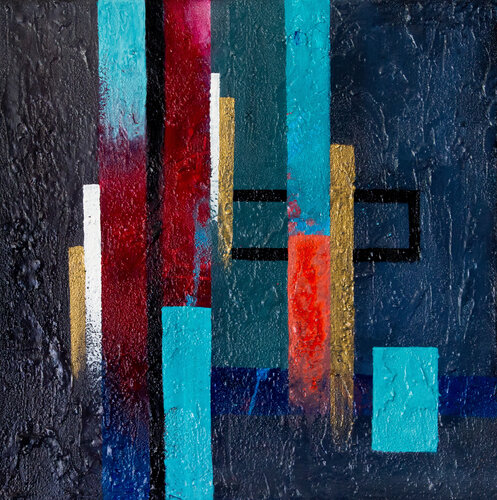
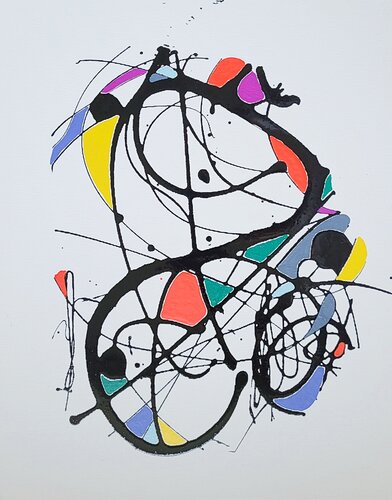
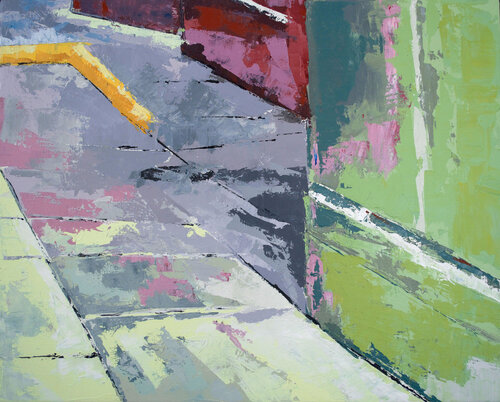
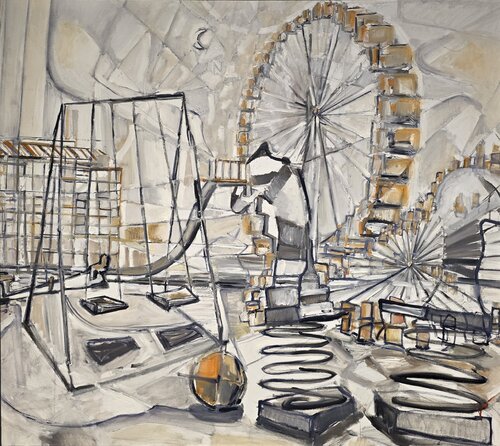
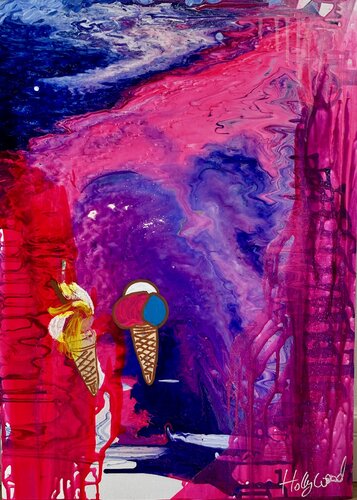
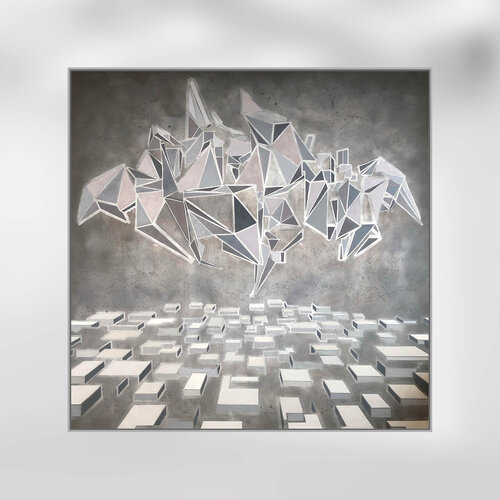
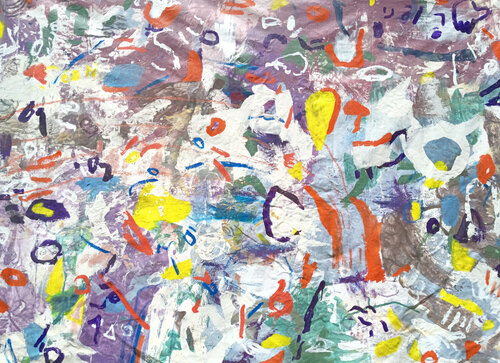
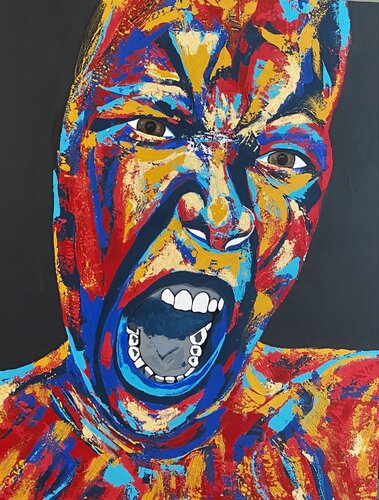
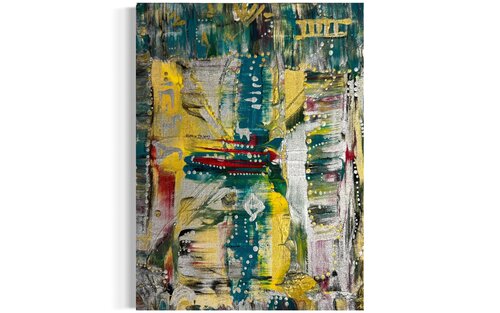
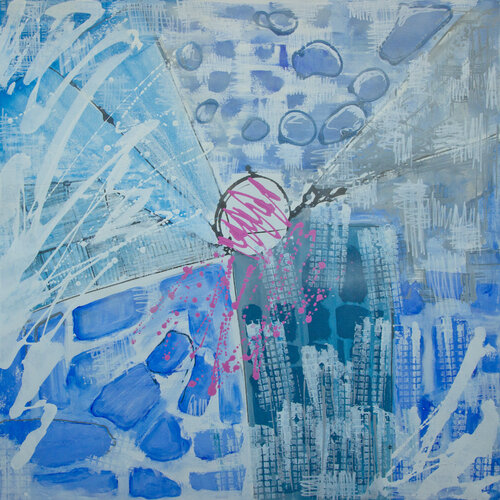
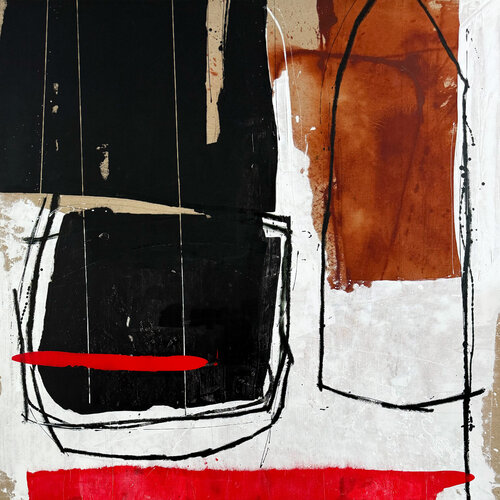
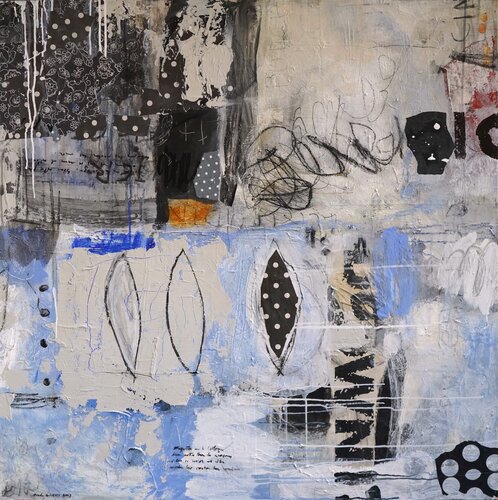
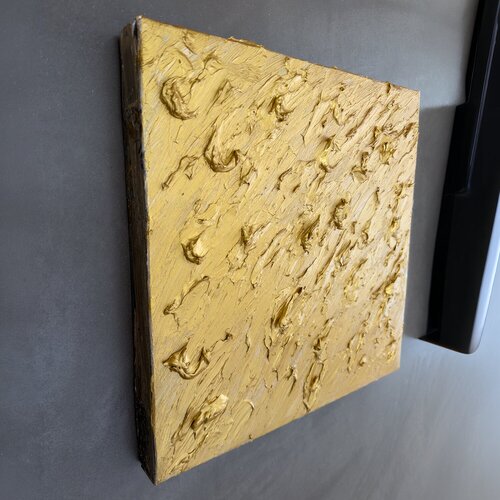
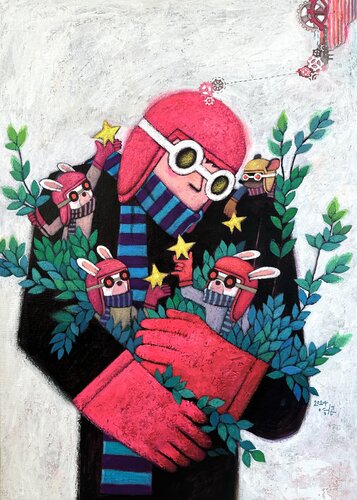
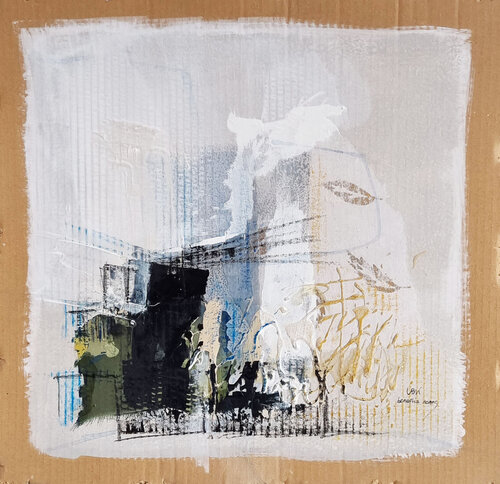
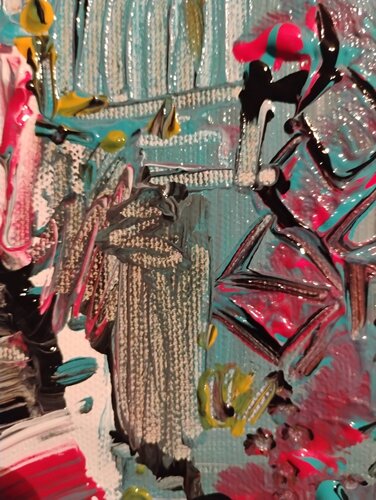
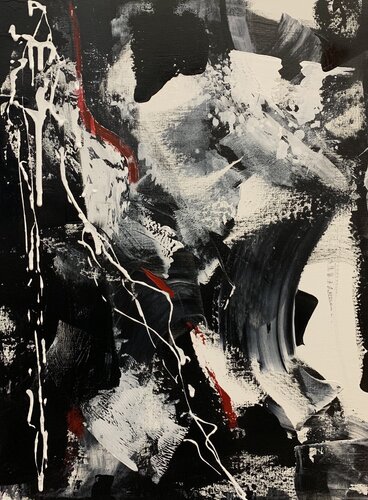
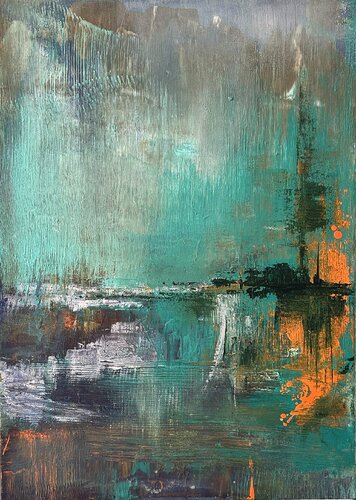
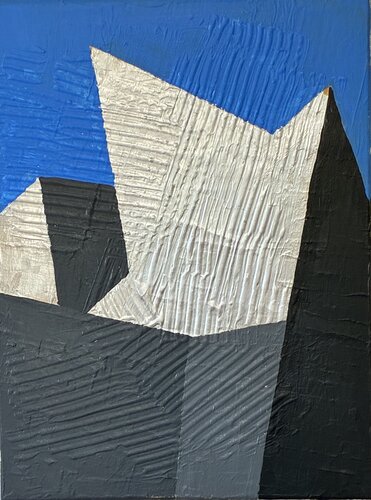
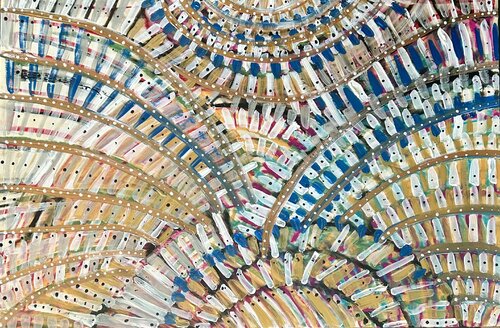
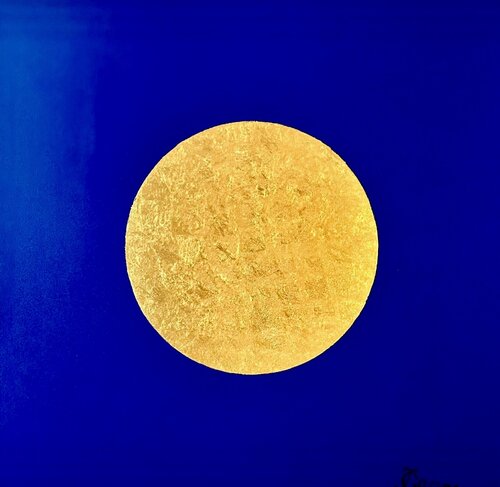
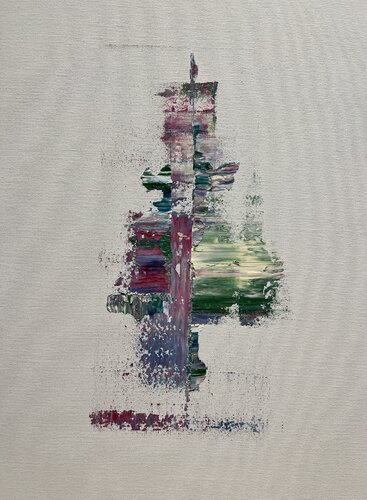
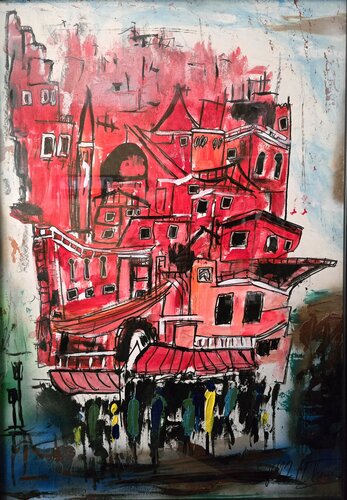
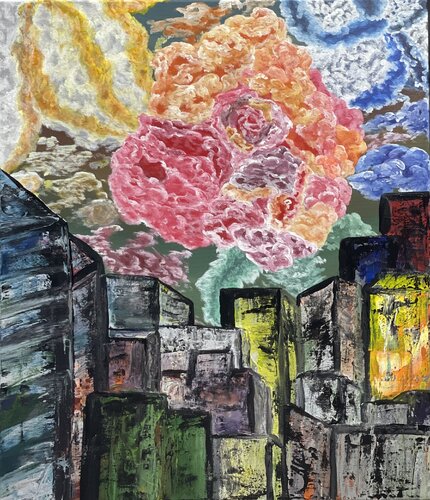
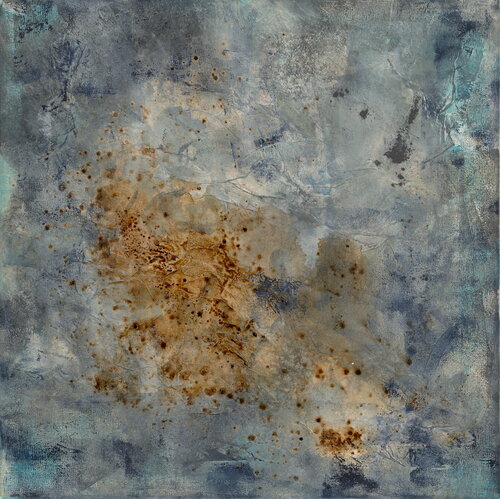
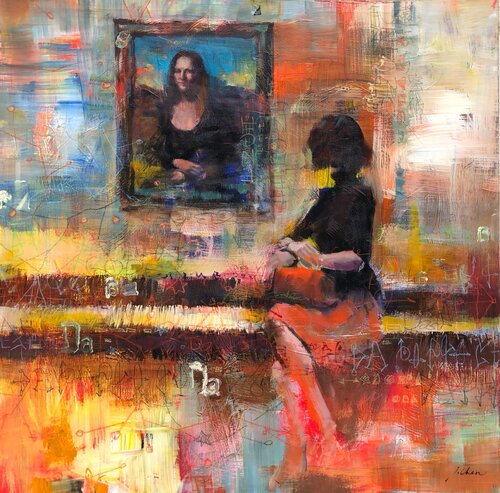
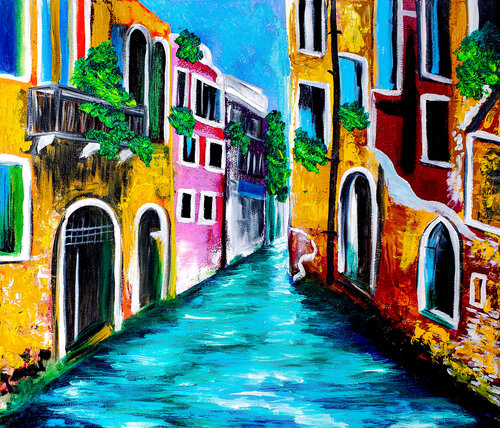
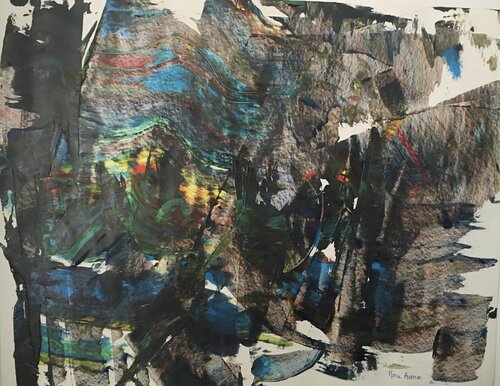
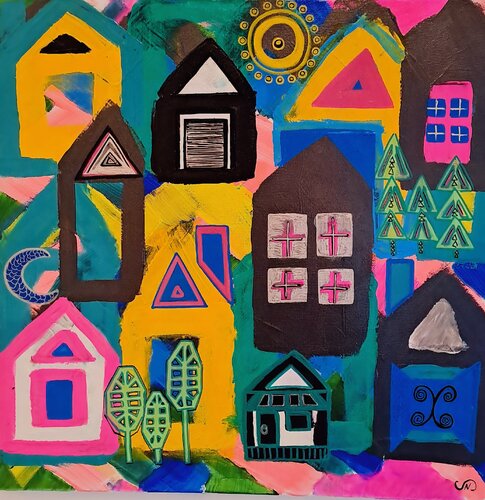
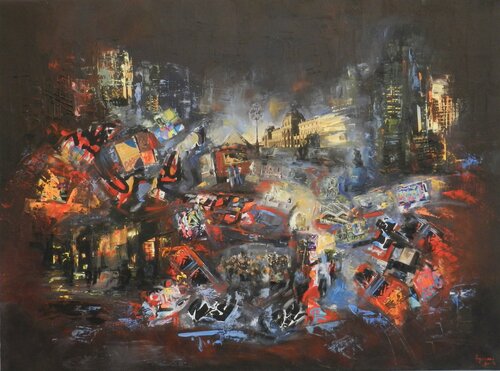
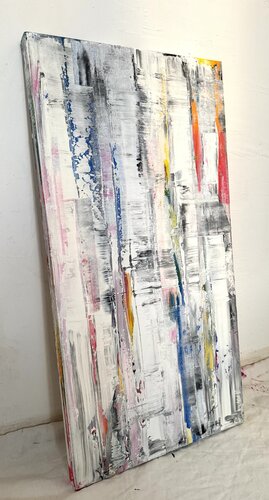
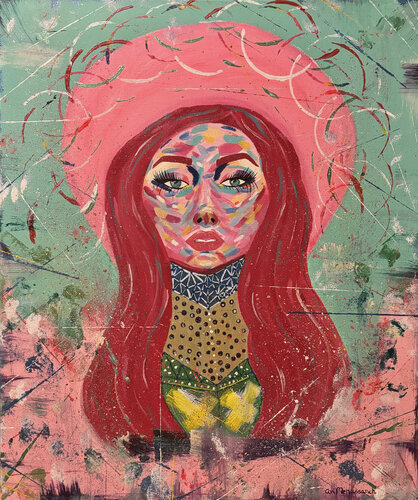
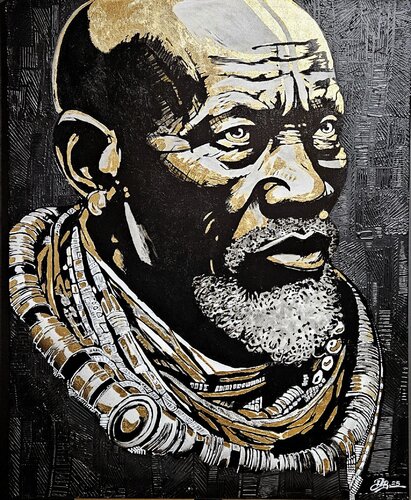
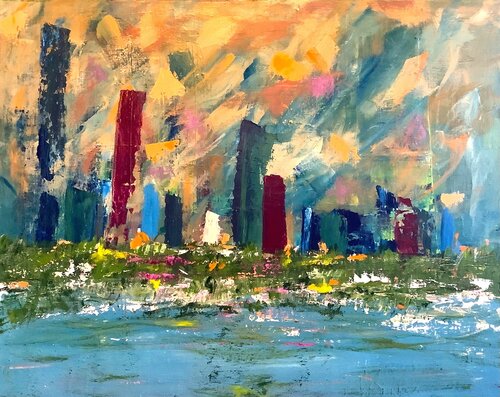
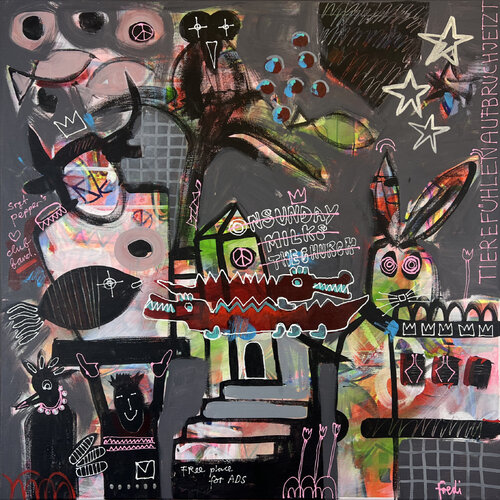
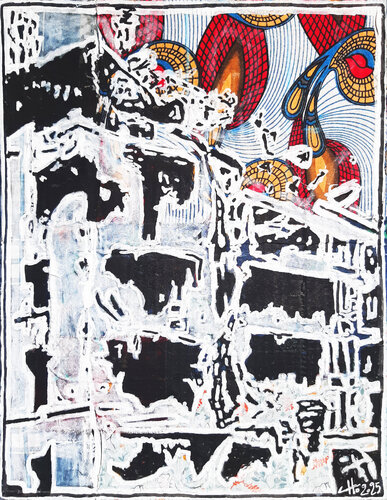
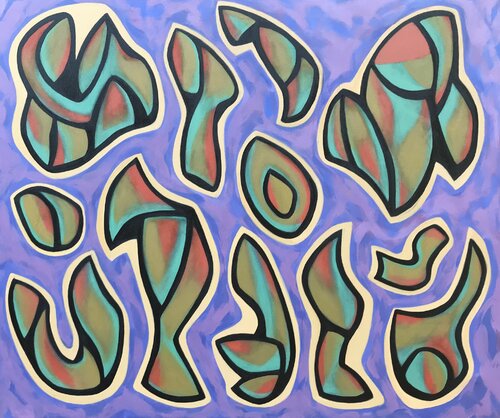
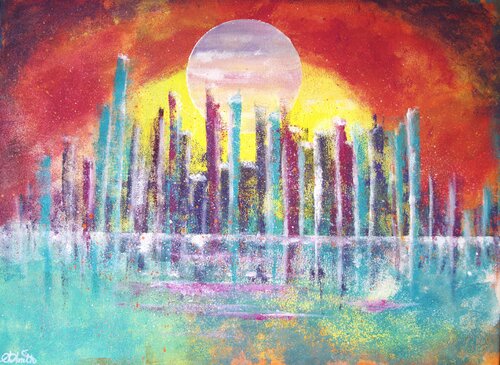
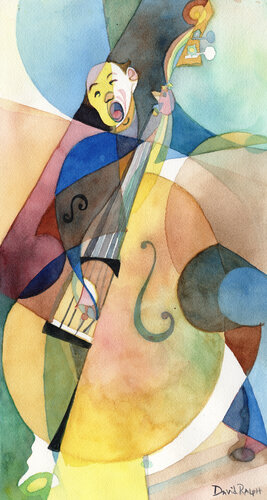
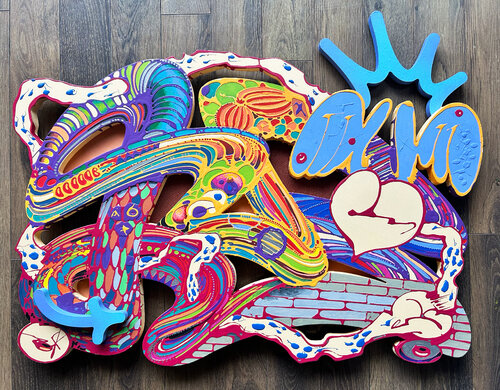
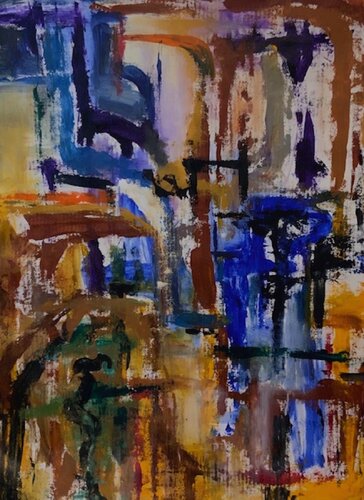
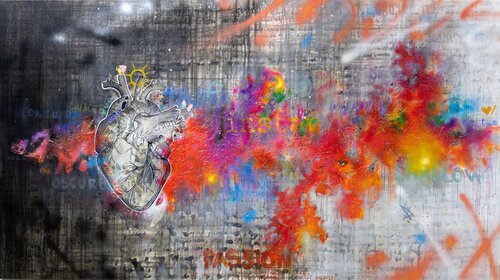
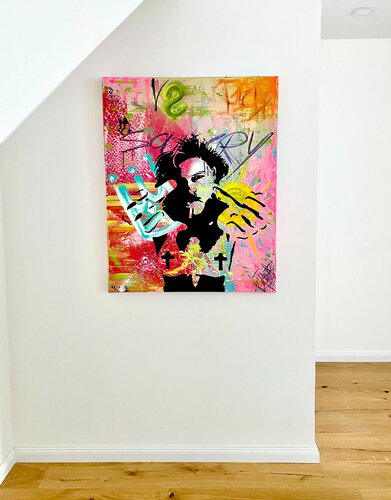
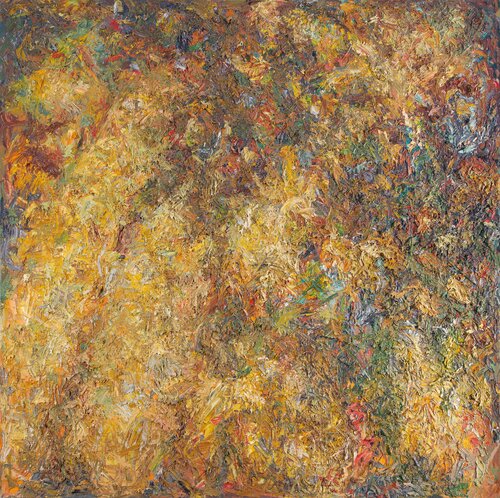
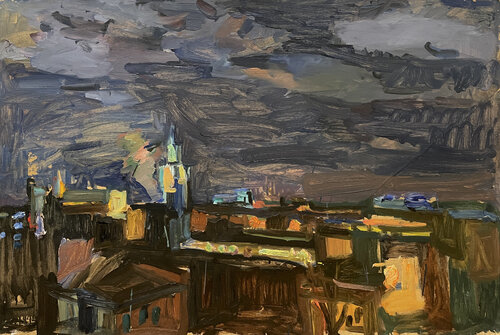
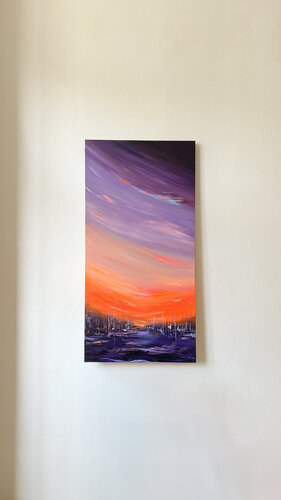
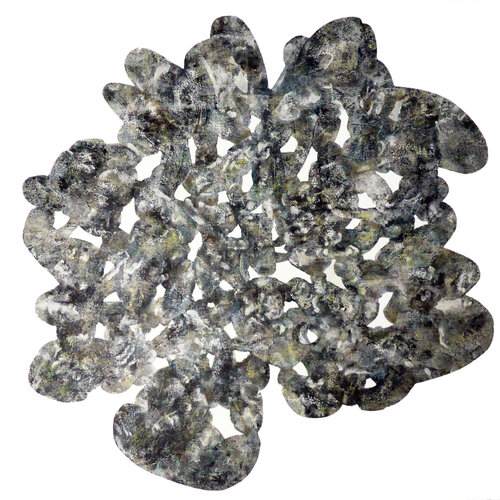
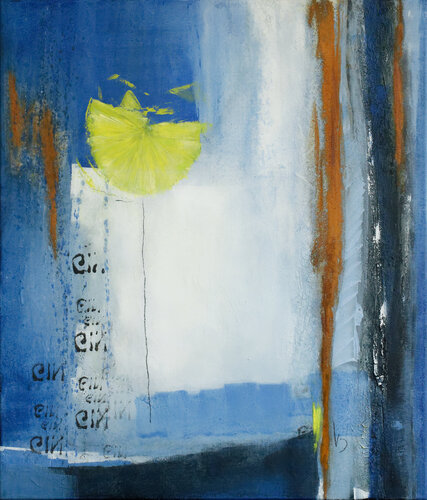
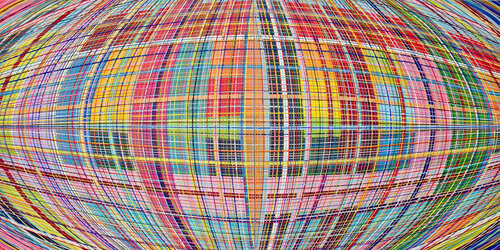
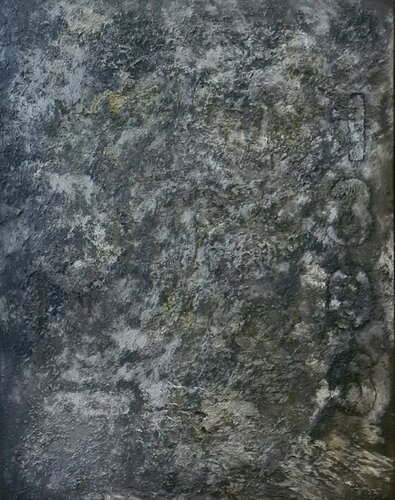
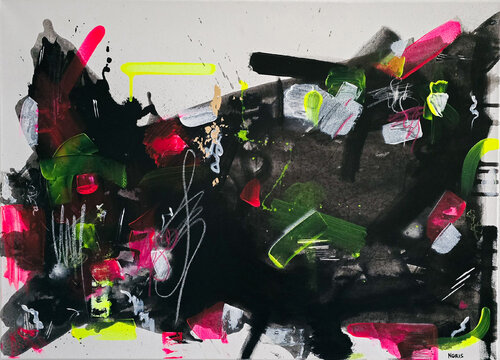
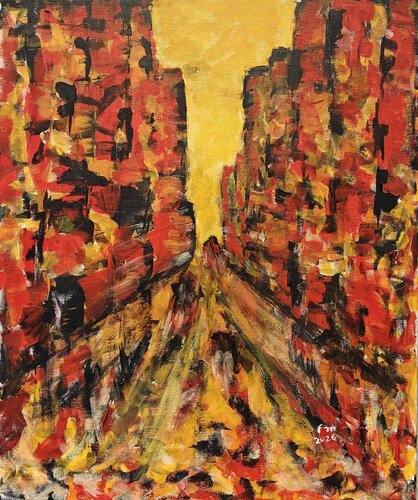
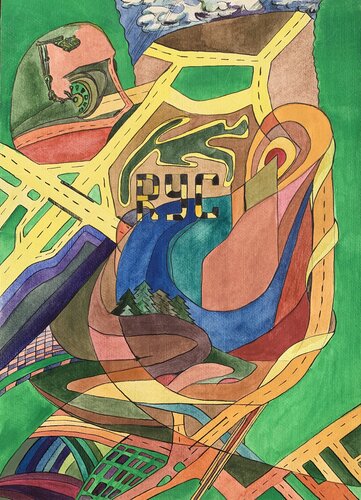
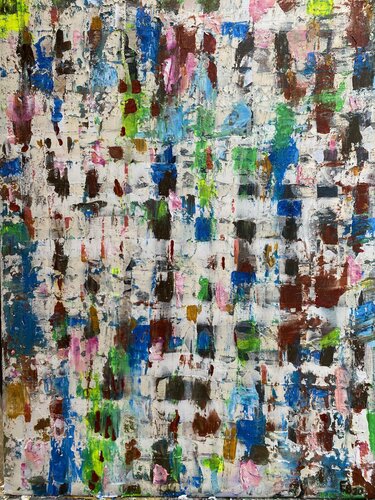
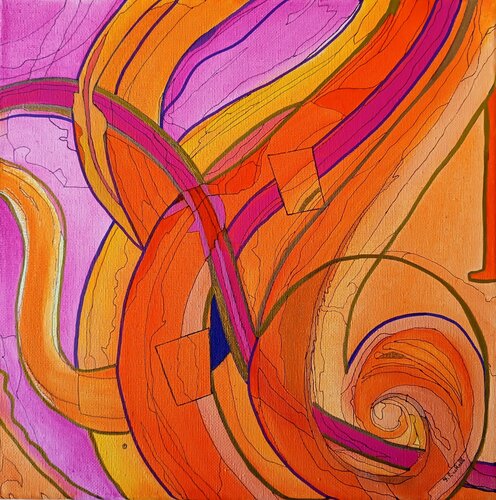
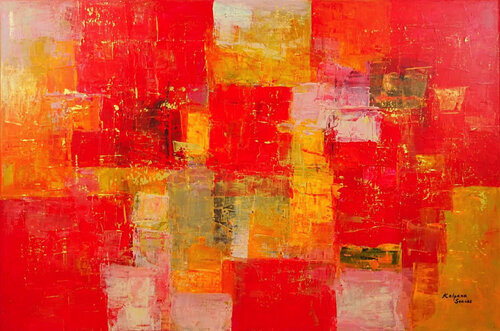
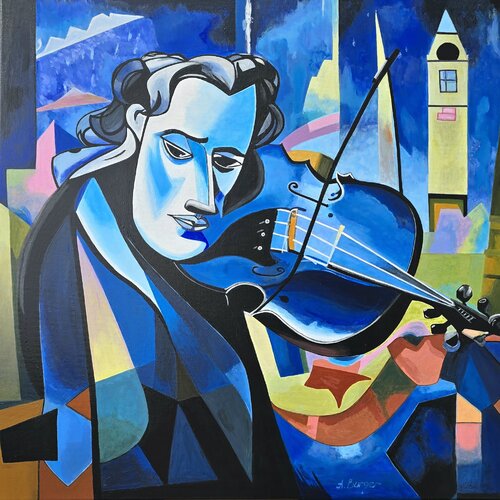
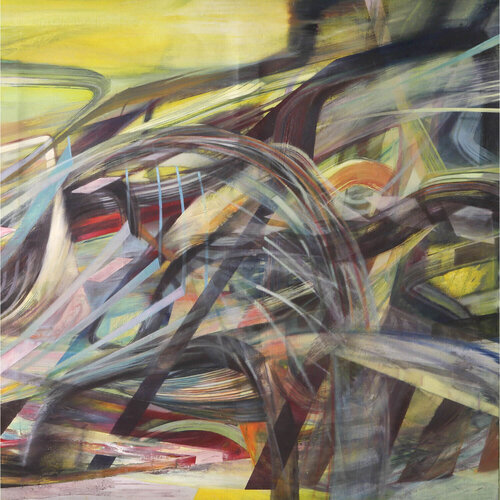
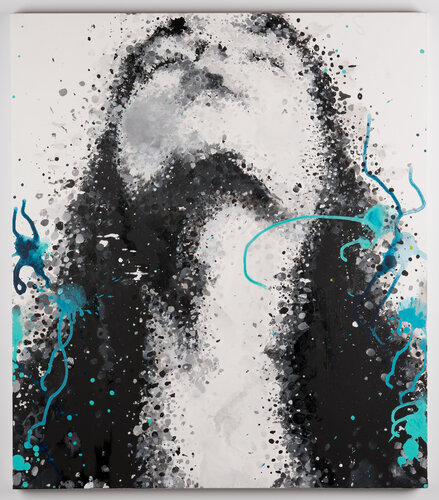
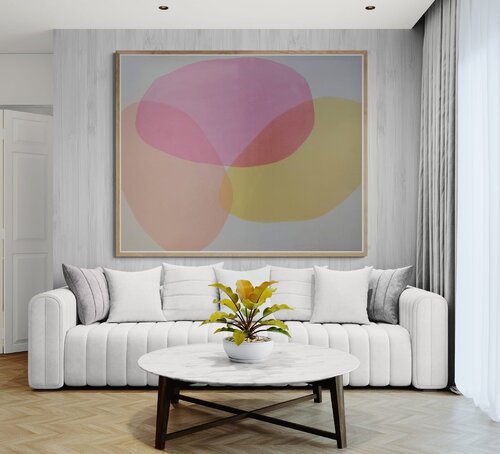
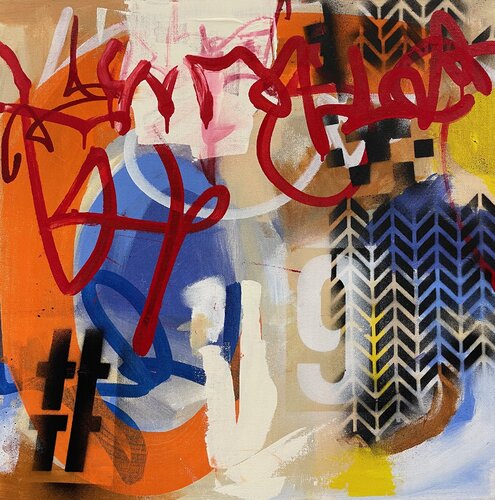
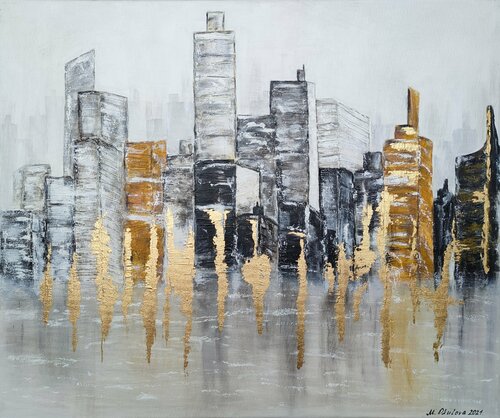
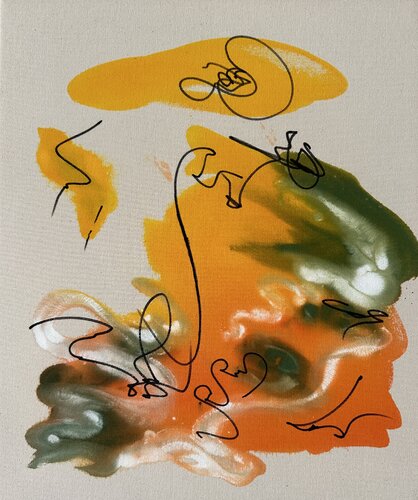
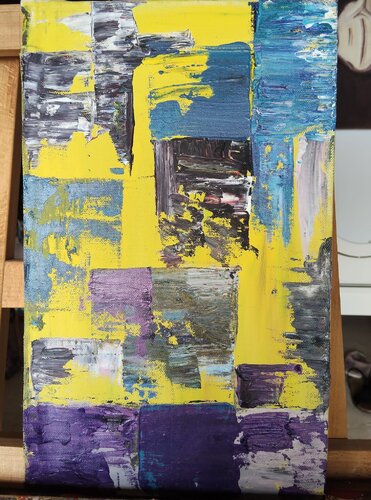
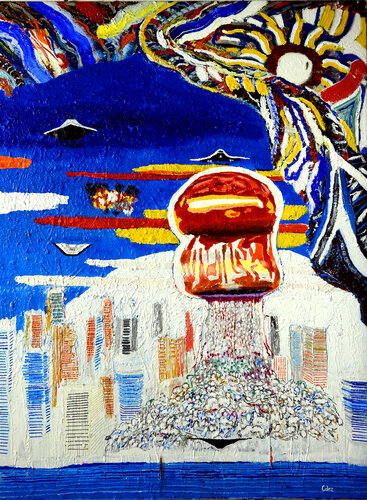
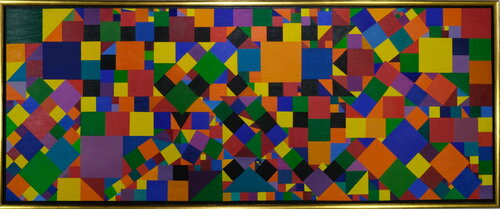
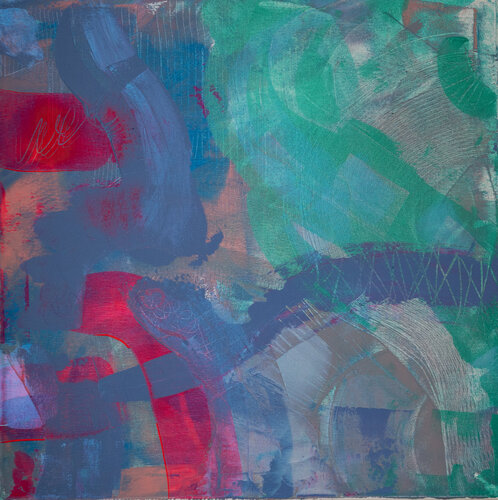
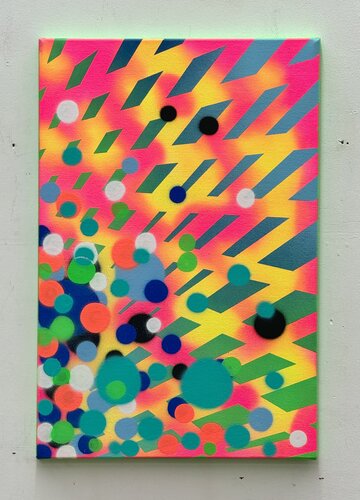
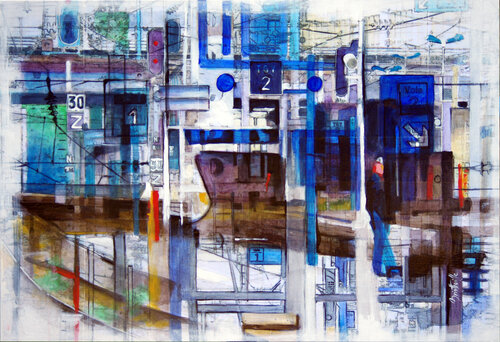
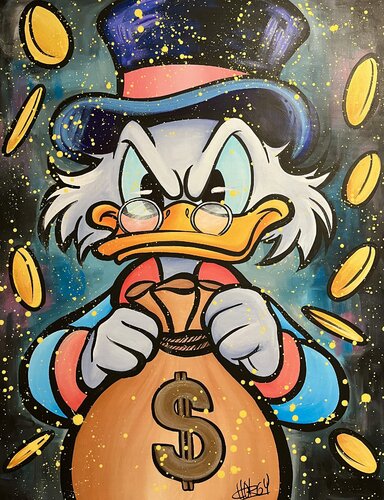
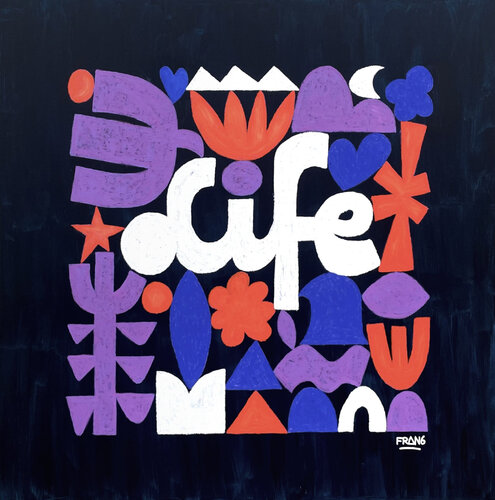
Abstract art marks a significant departure from traditional representation, emphasizing instead the use of shapes, colors, forms, and gestural marks to achieve its effect. This movement gained momentum in the early 20th century, largely as a response to the rapid changes in technology, science, and philosophy of the time. Artists sought new ways to express the complexities of the modern world.
Wassily Kandinsky is often heralded as the pioneer of abstract art, with his work in the 1910s exploring the potential of abstract forms and vibrant colors to evoke emotional resonance rather than depict reality directly. Around the same time, Kazimir Malevich explored abstraction through Suprematism, focusing on basic geometric shapes, such as circles and squares, painted in a limited range of colors.
The movement evolved through various phases and styles, including Constructivism, De Stijl, and Abstract Expressionism, each emphasizing a departure from the visual references of the natural world. Abstract art continues to influence a wide array of contemporary artistic practices, challenging viewers to engage with art on a deeply personal and often emotional level.
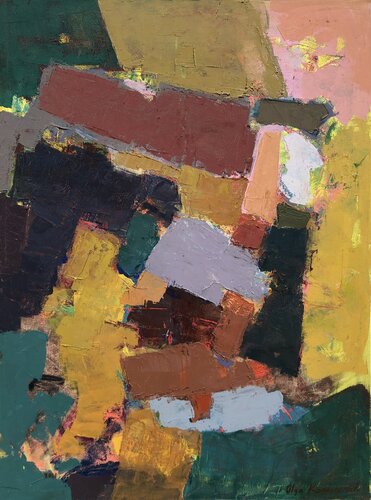
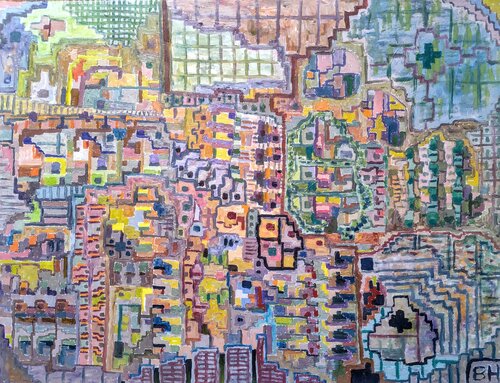
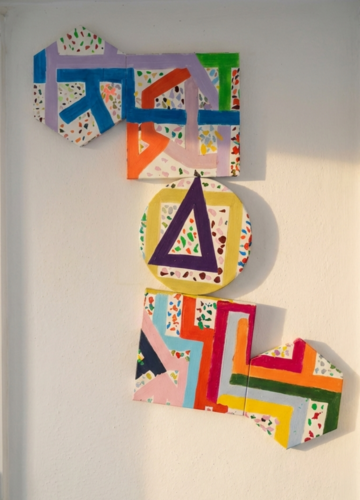
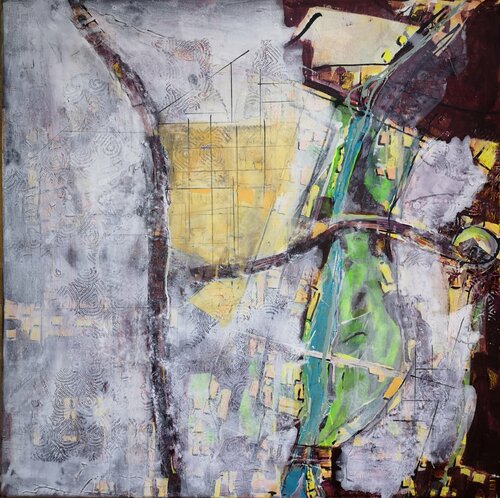
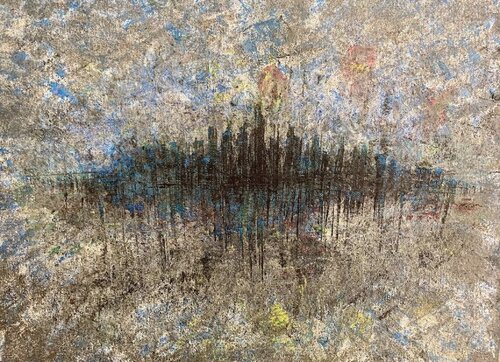
If it does not represent some aspect of real physical, perceptible reality in some way, shape, or form then it is referred to as abstract. Abstract art mainly focuses on the content of an art than the subject in art and it includes such elements as line, shape, color texture, etc. Unlike other types of art, it diverts the concept from the art and the making of forms and colors and through forms and colors, it gives out different degrees in a particular emotion or idea.
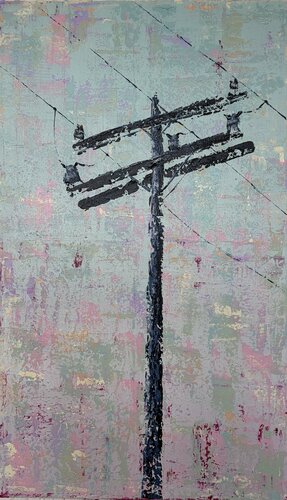
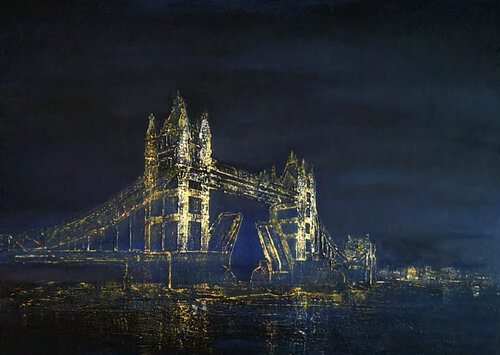
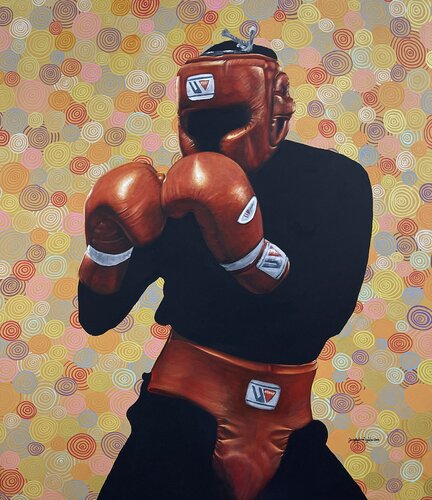
What can be seen in abstract art can range from the lifelike depiction of familiar objects to portraying images that are not realistic at all. Concerning the choice of abstract aspects of reality, the artists work on a spectrum that ranges from distortion of some aspects of reality and their transformation. People can just watch it with individual perspective, the idea was to experience this painting by feelings, feelings, and mind, not images of images.
This means we must come up with a different definition of what art is as abstract art has no bearing on the picture drawing other than the emotion and the idea that is placed into creating the picture.
Non-realistic art has many great painters who experimented and innovated with non-representational painting.
Wassily Kandinsky is regarded as one of the pioneers of abstract art. Kandinsky was able to use colors and compositions to express emotion and sounds in forms and shapes. His radical effort paved the way for further abstract movements in the future.
Another famous artist is
Piet Mondrian, famous for his invention of the De Stijl art style which is stunning in its simplicity and minimalism with only horizontal and vertical lines and the basic color palette. His works like "
Composition with Red, Blue and Yellow", are quite representative of his strict geometrical abstractions derived from purity and simplicity.
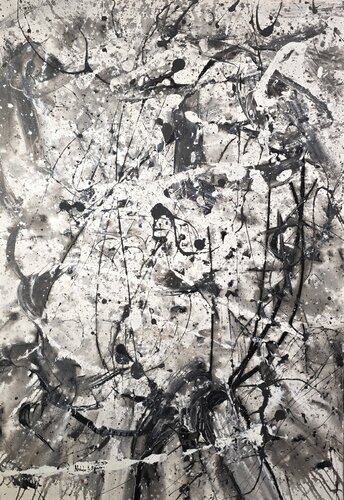
Jackson Pollock, the outstanding representative of the Abstract Expressionism movement, came up with the technique of drip painting which resulted in dynamic and vast paintings that would make anyone interested in observing the reactions that the artwork elicited. This is evident in his work “No. 5, 1948” as a testimony of the extremity that he took.
Other Abstract Expressionist artists are
Mark Rothko whose large and luminous fields of colors precisely generate deep and powerful emotional reactions as in the “Orange , Red , Yellow”. They have shaped Modern and Contemporary art movements and the way art enthusiasts perceive art today.